





 Portuguese
  English
  Spanish
  3 min of reading
  0 comments


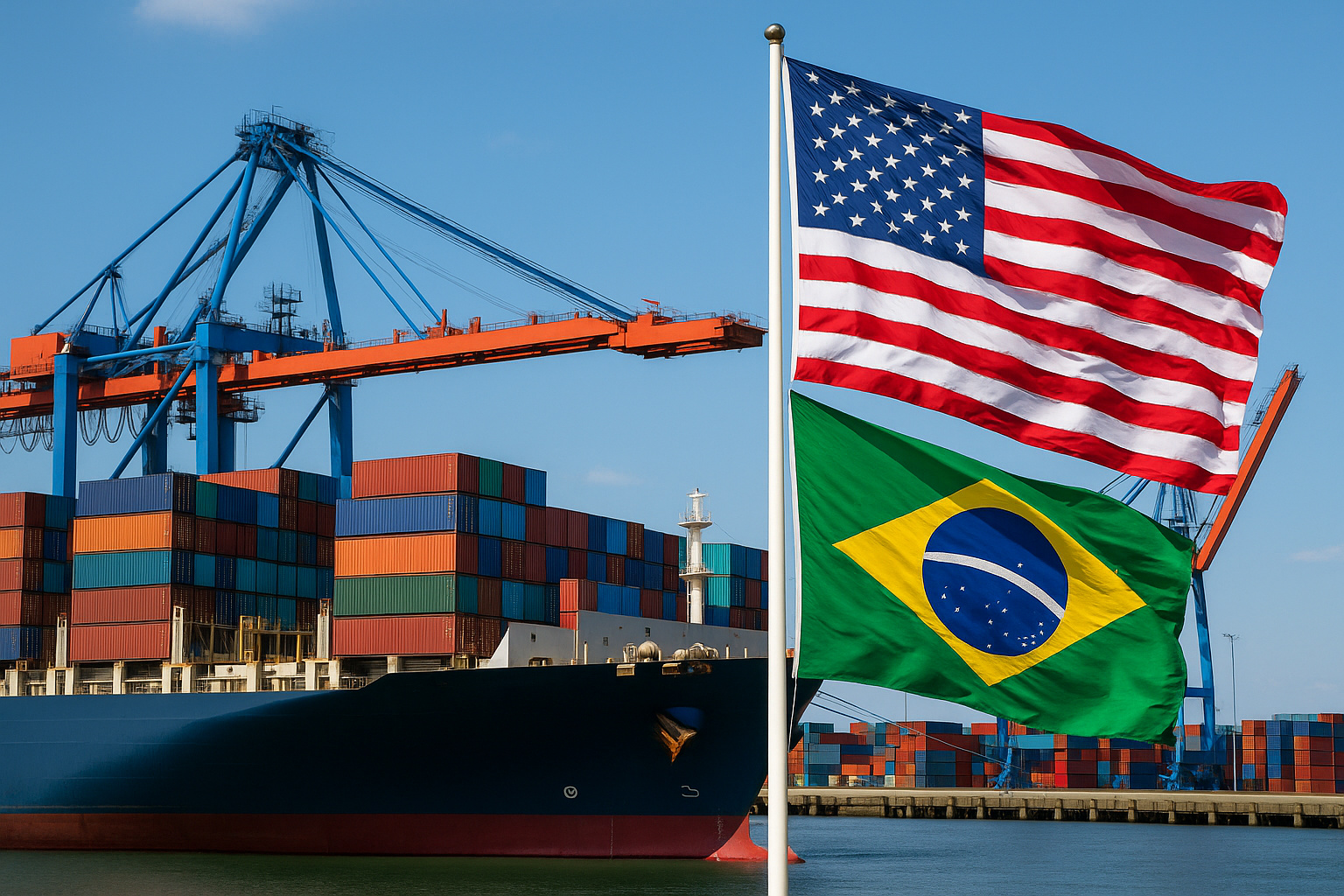
Exporters Gain More Time and Flexibility to Maintain International Commitments
The federal government decided to extend the deadline of the suspension drawback regime by another year.
The Official Gazette announced the measure on September 2, 2025.
The extension benefits Brazilian companies facing the effects of unilateral tariffs imposed by the United States.
Through Ordinance Secex No. 430/2025, published in an extra edition, the decision ensures that exporters continue operations without paying taxes, interest, or fines.
The initiative provides security and predictability in a context of commercial uncertainties.
-
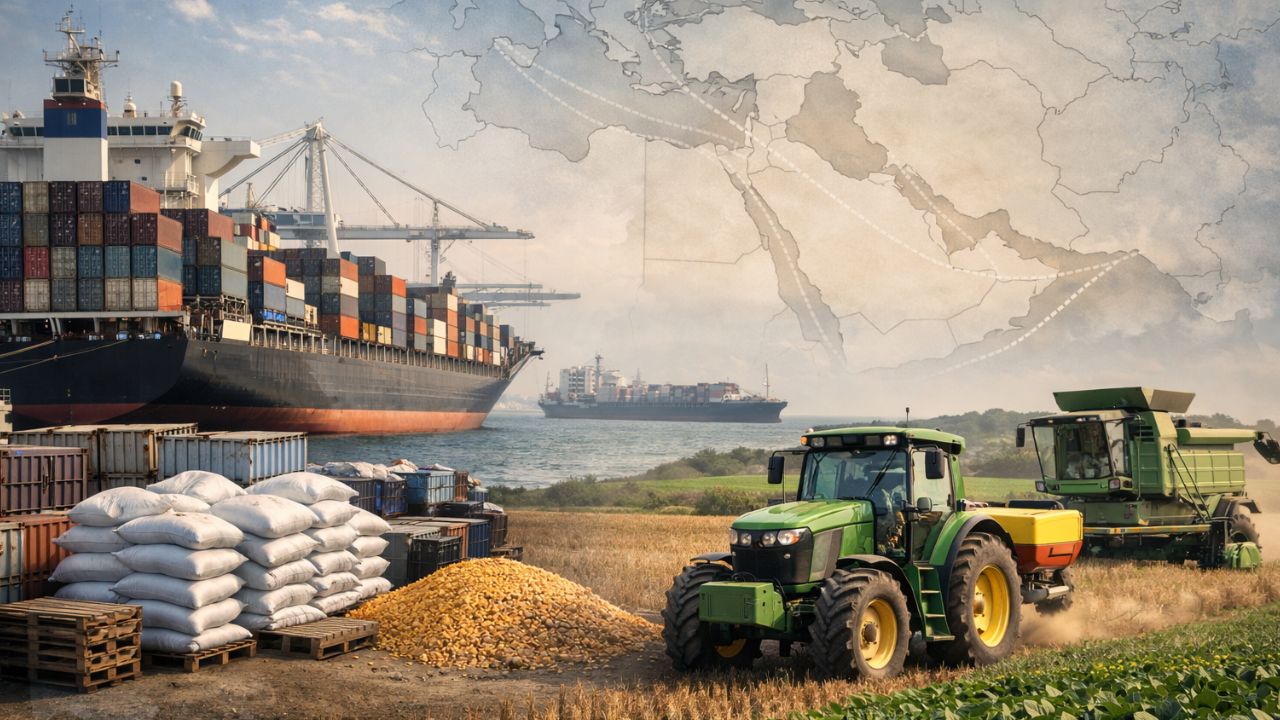
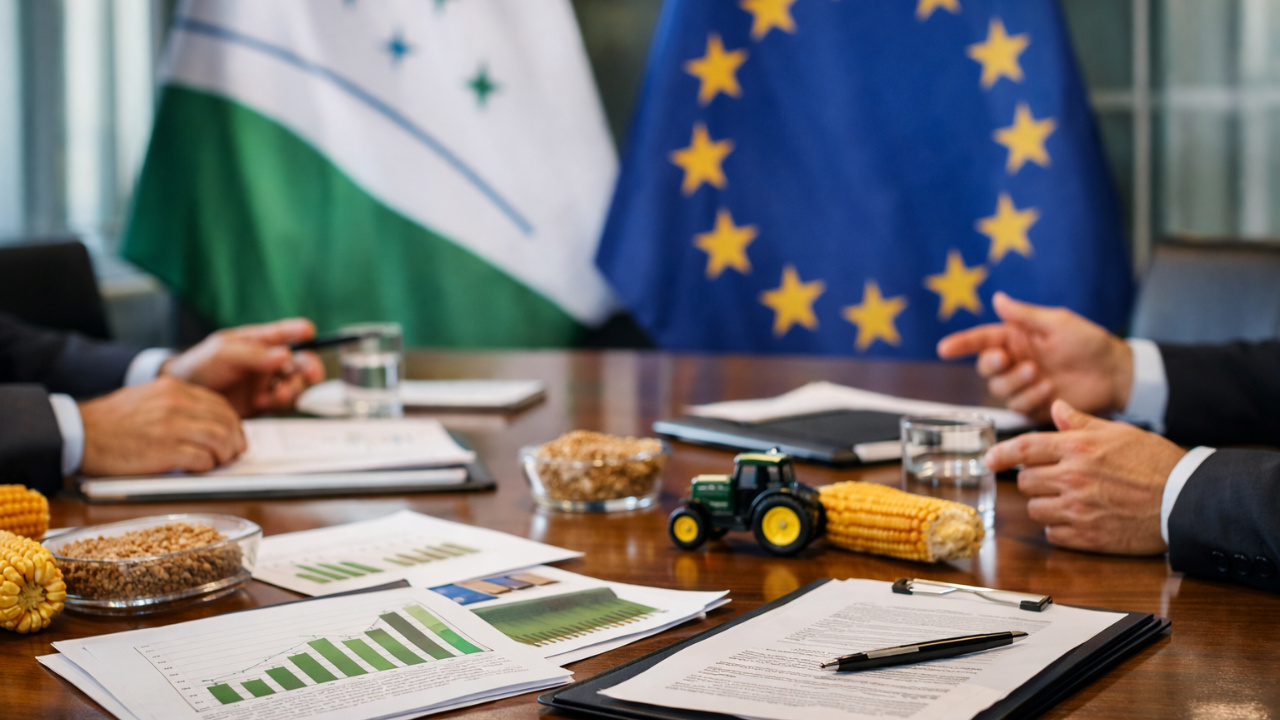
Middle East War Hits Fertilizers and Transportation and May Strain Brazilian Wallets
-
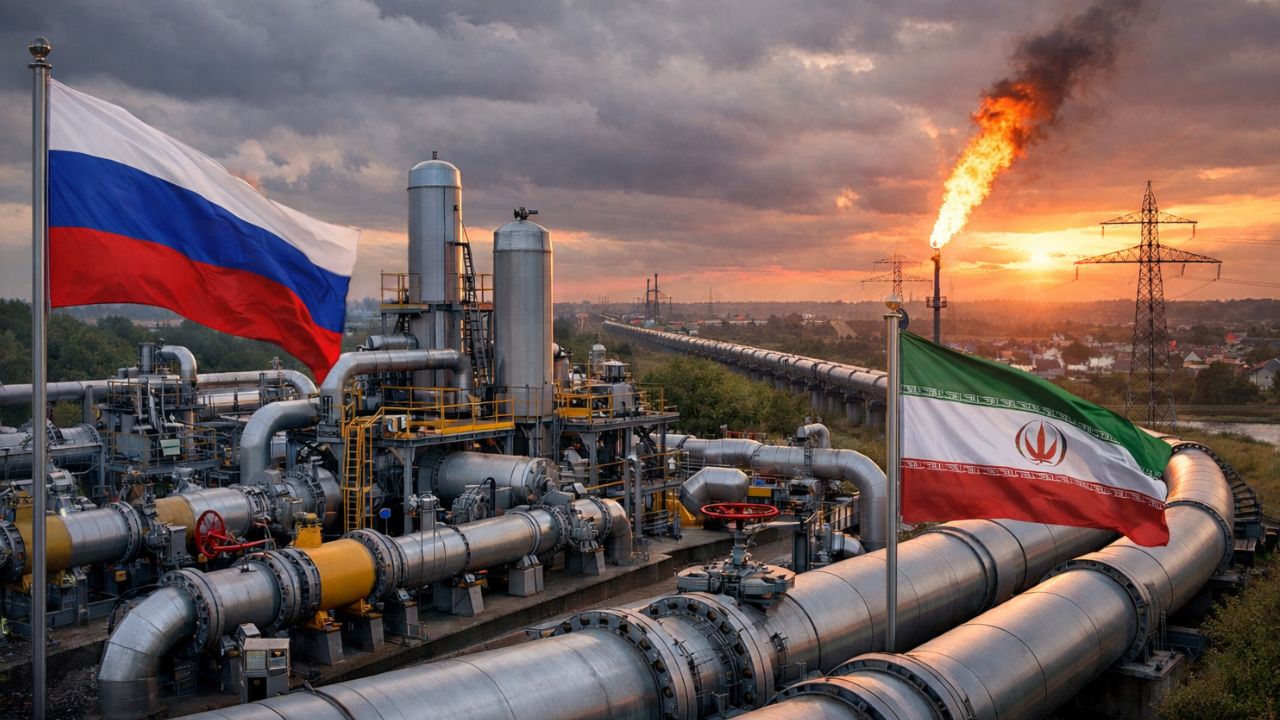
Russia Considers Suspending Gas to Europe After Surge in Energy Prices
-
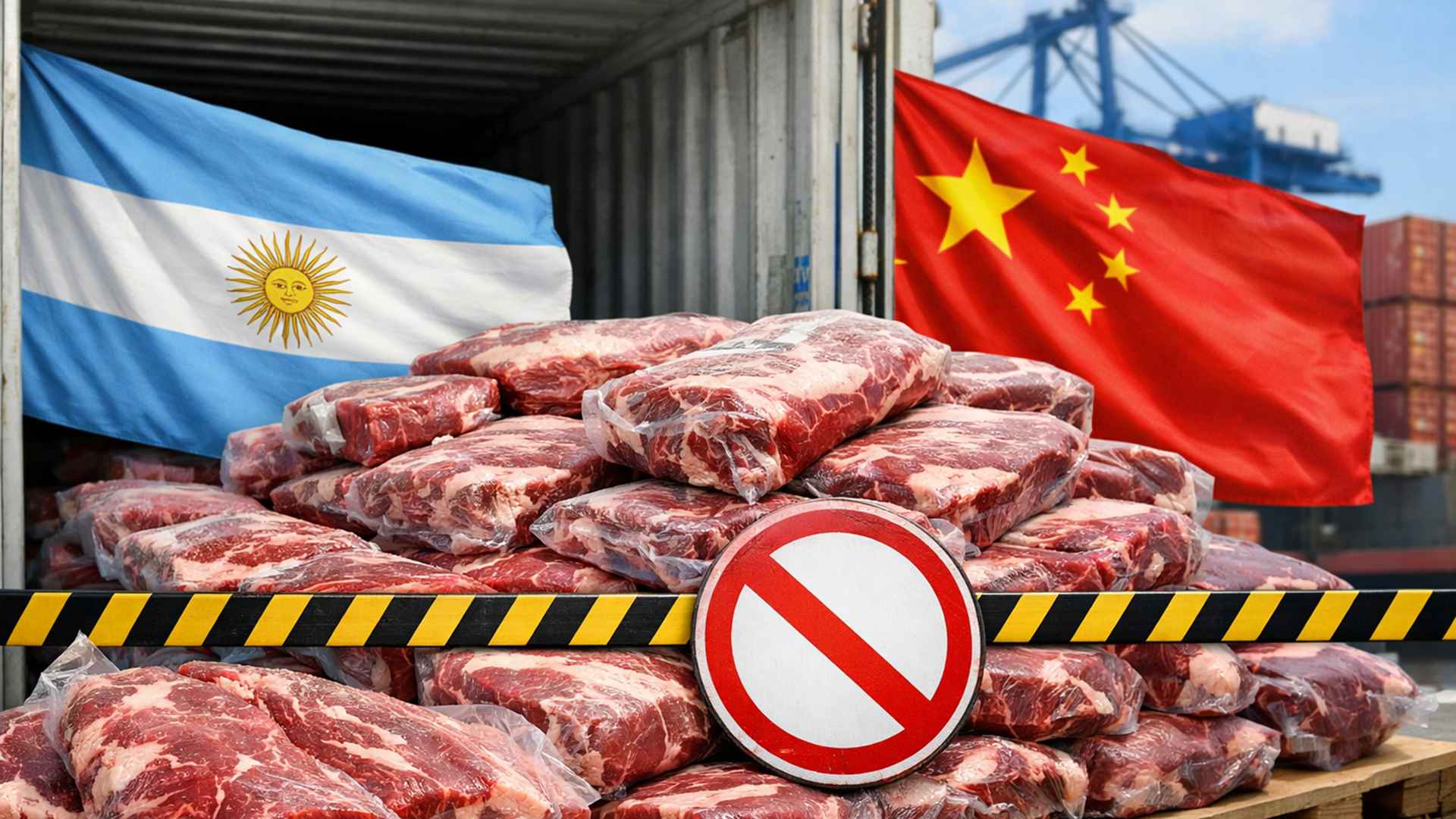
How A War Thousands of Miles From Brazil Started Disrupting Global Shipping Routes, Raising Container Costs, and Putting Up to 40% of Brazilian Beef Exports at Risk

-
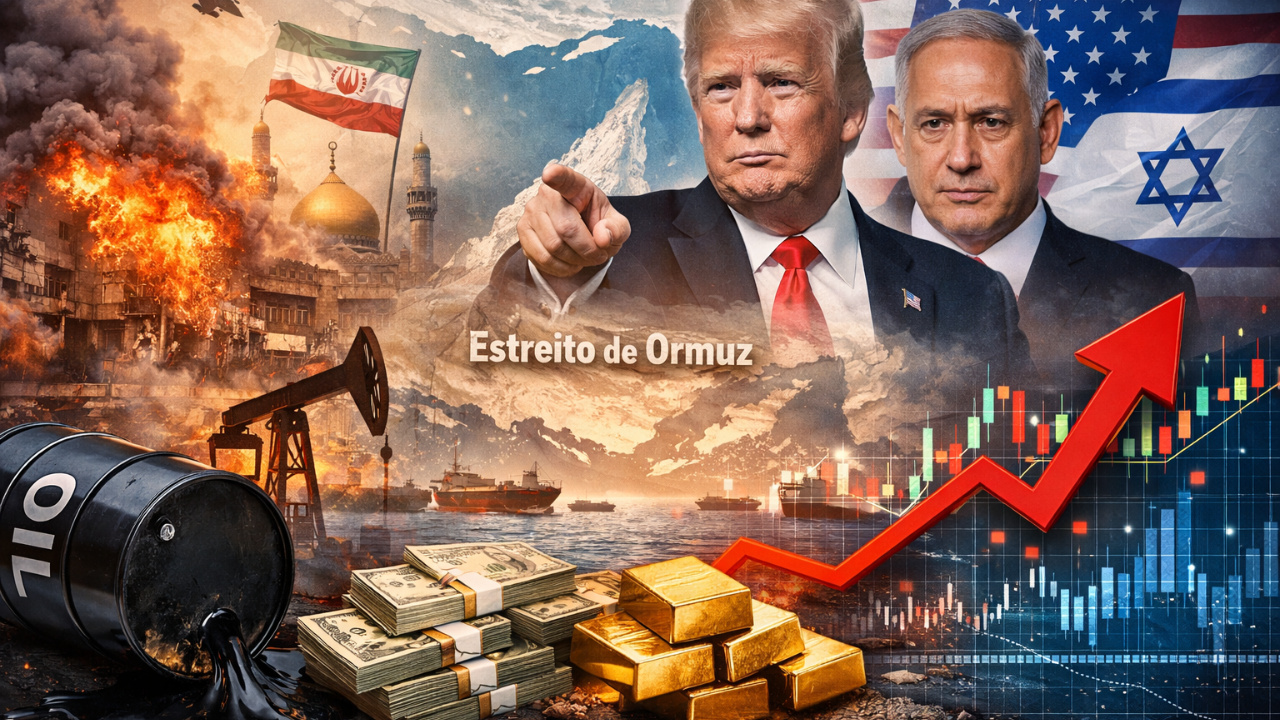
Iran-U.S. War Drives Up Oil Prices and Pressures Global Financial Markets

Sovereign Brazil Plan Supports Export Policy
The extension of the drawback is part of the actions of the Sovereign Brazil Plan, launched in August 2025.
The plan aims to preserve the country’s external competitiveness in global markets.
Furthermore, the measure strengthens the strategy of diversifying destination markets.
It prevents the tariff increase from the U.S. from compromising the continuity of contracts made by Brazilian companies.
With the extension, companies will have until 2026 to fulfill commitments made with the United States.
If necessary, they can redirect goods to other countries at no additional cost.
Authorities Highlight Relevance for the Productive Sector
During the announcement, the Vice President and Minister of Industry, Commerce, and Services, Geraldo Alckmin, emphasized that the decision meets a long-standing demand from exporters.
According to him, the extension provides time for companies to seek new markets.
It also prevents companies from facing penalties due to extra charges if they cannot meet their obligations.
The Secretary of Foreign Trade, Tatiana Prazeres, highlighted that the measure “adds to other government initiatives”.
The goal is to mitigate the impacts of measures that harm export competitiveness.
Both reinforced that the benefit acts as a shield amid growing commercial tensions.
Financial Impact and Scope of the Measure
In 2024, the suspension drawback benefited nearly a thousand Brazilian companies, as it acted across various sectors of the national economy. Furthermore, the program accounted for approximately US$ 10.5 billion in exports, according to official data released.
Consequently, this amount represented about 26% of the total exported by the country that year. Therefore, the numbers demonstrate not only the reach of the policy but also its evident relevance for the productive sector.
Additionally, with the extra time established, companies from different segments can strategically reorganize their commercial operations. Thus, the measure ensures Brazil’s presence in the international market, especially amid increasing tariff barriers.
Procedures to Request the Extension
The government has therefore defined that interested exporters must submit the extension request directly to the Department of Foreign Trade Operations, known as Decex.
This agency is linked to the Secretariat of Foreign Trade, called Secex, and also oversees all requests related to export activities.
The request must contain, at a minimum, the documentation specified in the official ordinance, and consequently, only companies affected by the U.S. tariff increase will be effectively considered.
Thus, the measure consolidates as an essential part of a broader policy to support national production and, above all, to incentivize competitiveness.
It also strengthens, in addition to everything, the expansion of Brazilian exports and ensures, therefore, the country’s presence in strategically significant global trade flows.





Seja o primeiro a reagir!