





 Portuguese
  English
  Spanish
  4 min of reading
  0 comments


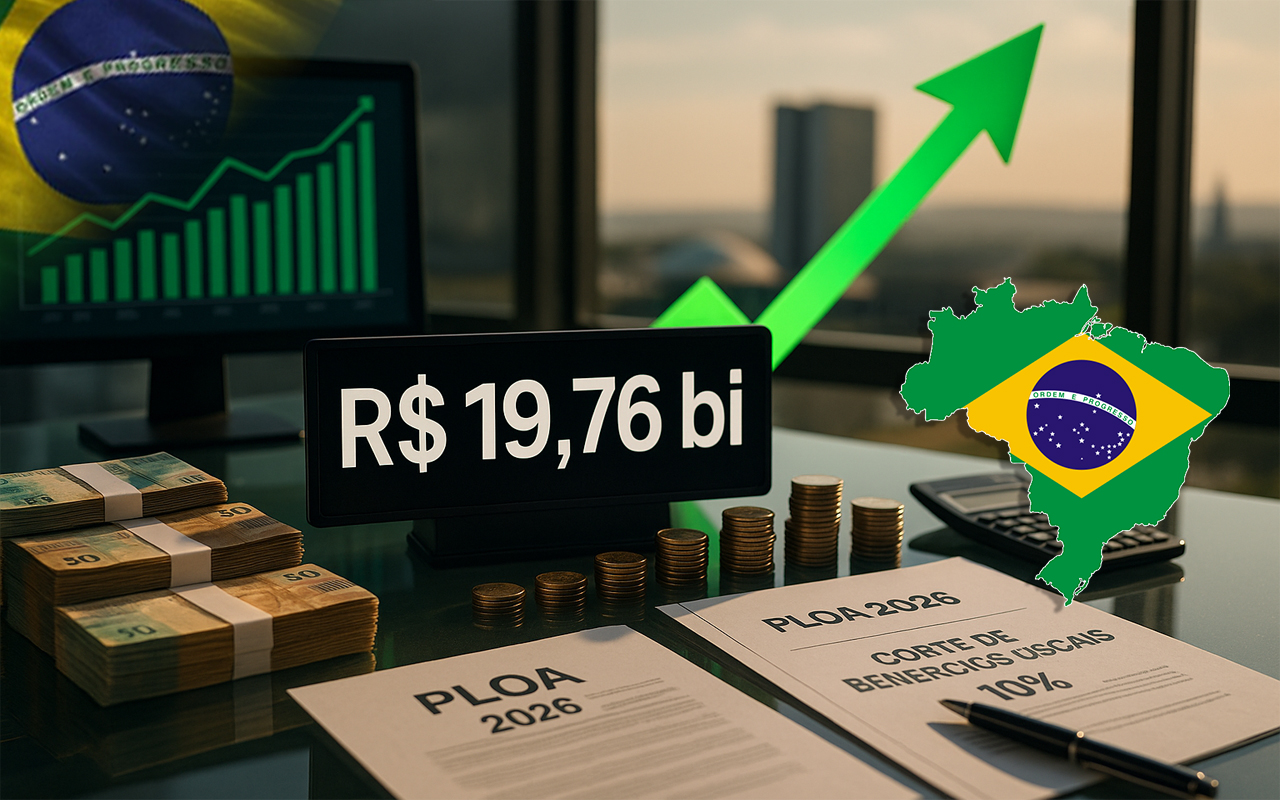
Complementary Bill Reduces Federal Tax Incentives by 10%, Preserving the Manaus Free Trade Zone, Basic Basket, and Simple Nacional. Measure Is Part of the 2026 Budget Guidelines, Projecting a Surplus of 0.25% of GDP and a Minimum Wage of R$ 1,631.
The federal government submitted to Congress the Annual Budget Law Project for 2026 along with a proposal to cut federal tax benefits by 10% linearly. According to the economic team, the review of tax expenditures is a key piece for strengthening revenue next year.
The proposal, submitted by the government leader in the House, José Guimarães, anticipates an additional revenue of R$ 19.76 billion in 2026 and seeks to align the so-called tax expenditures with the goals of the new fiscal cycle. The Treasury describes the measure as the “big novelty” in the Budget.
In the Budget Guidelines, the government estimates a primary surplus of 0.25% of GDP, something between R$ 34.3 billion and R$ 34.5 billion, and forecasts a minimum wage of R$ 1,631 in 2026. These parameters help explain why increasing revenue without raising general tax rates has become a priority.
-
End of the 6×1 schedule: how the reduction of hours can affect service companies, industry, and agribusiness.

-
Brazil Ignores Trump’s threats to BRICS, Buys 42 tons of gold and reduces the Dollar’s share by 6.45% in international reserves.

-
Havan buys historic football land in Blumenau for a million-dollar amount protected by a confidentiality clause and is already planning to change even the layout of streets to build a megastore in half-timbered style costing 80 million reais.

-
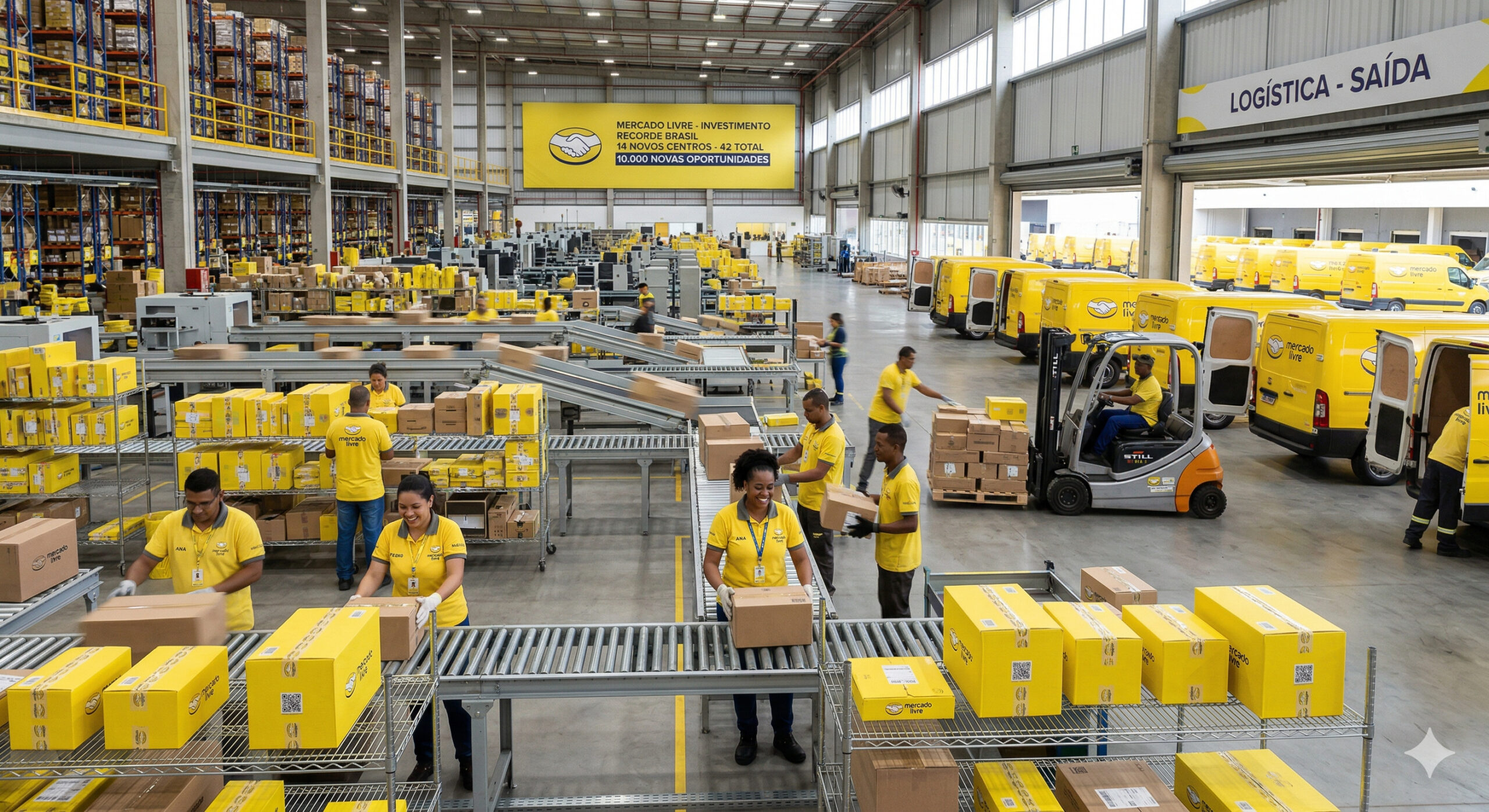
Mercado Livre “opens the vault” and announces a record investment of R$ 57 billion in Brazil in 2026, a value 50% higher than the previous year, with an expansion plan that includes 14 new logistics centers, totaling 42 units in the country and hiring an additional 10,000 employees.

What Changes with the 10% Cut in Tax Benefits
The text proposes a linear reduction of 10% in federal tax incentives. In practice, when there is exemption or zero rate, it will be subject to 10%; if the rate is reduced, a composition of 90% of the reduced rate + 10% of the standard rate will be calculated.
For calculating base reductions, the proposal determines the preservation of 90% of the originally planned reduction; presumed or financial credits are limited to 90% of the original value, canceling the excess. In special regimes charged as a percentage of gross revenue, the burden is increased by 10% of the regime’s rate.
The proposal is being considered as PLP 182/2025, presented on August 29, 2025. In parallel, PLP 128/2025 is under discussion, which has already had urgency approved and anticipates staggered cuts in 2025 and 2026, which may lead to the incorporation or attachment of texts during the process.
Exceptions: Manaus Free Trade Zone, Basic Basket, and Simple Nacional
The government emphasizes that constitutional benefits remain out of reach of cuts. Among the exceptions mentioned are the Manaus Free Trade Zone, the zero rate of PIS/Cofins for basic basket items, and the Simple Nacional, in addition to other immunities provided for in the Constitution.
The premise is to preserve regimes and policies with constitutional support or strong social character, while reducing tax expenditures in other cases. The Executive estimates that the review broadens the revenue base in a horizontal manner, avoiding a generalized increase in taxes.
In the official communication, the economic team states that the focus is to correct distortions, assess incentives with low effectiveness, and gradually meet the goal of reducing tax expenditures as a proportion of GDP over the coming years.
How Much the Government Expects to Collect in 2026 to Stay in the Black
The additional revenue of R$ 19.76 billion from the linear cut is the most visible part of the package. These resources help finance mandatory expenses and balance the anticipated surplus of 0.25% of GDP for 2026 in the Budget Guidelines.
The target comes accompanied by a technical debate about the exclusion of certain expenses in calculating the target. Reports from international and local media indicate that by including expenditures outside the fiscal target, the situation tends to be tighter, reinforcing the need for new revenues.
The Treasury’s message is that reviewing tax expenditures can generate revenue without altering the full rate of broad taxes. For the reader, this means an adjustment focused on specific incentives, leaving out sensitive items like basic basket and Simple.
Other Sources of Revenue Anticipated in the 2026 Budget Guidelines
In addition to the cuts in expenditures, the Budget projects R$ 54 billion in dividends from state-owned companies, a significant increase compared to 2025. There are also expectations of R$ 31 billion from the sale of surplus oil from the pre-salt and R$ 27 billion from tax transactions. These items contribute to the cash effort.
The government is also counting on the effects of changes in IOF implemented this year and the revenue associated with MP 1.303/2025, which updates the taxation of financial investments and virtual assets. The MP is under review in Congress and has transition rules for 2025, with an estimated impact starting in 2025 and 2026.
These extraordinary and recurring revenues make up the fiscal mosaic that supports the surplus target. Still, analysts remind that execution will depend on the economic pace and legislative approval of sensitive issues.
Next Steps in Congress
The PLP 182/2025 was presented by the government leader and now follows the legislative process in the House before reaching the Senate. The processing may involve committees, amendments, and possible attachment to similar projects, such as PLP 128/2025, which already had urgency approved in July.
The political environment, according to the Treasury, is one of majority support for the review of tax expenditures. The Houses are chaired by Hugo Motta in the House and Davi Alcolumbre in the Senate, both elected on February 1, 2025, which helps the reader understand who is driving the agenda.
Even with initial green lights, there is no guarantee of approval in the original terms. Affected sectors may try for adjustments or additional exceptions, and the final calibration should reflect negotiations between the government and Congress in the coming weeks.









Seja o primeiro a reagir!