





 Portuguese
  English
  Spanish
  2 min of reading


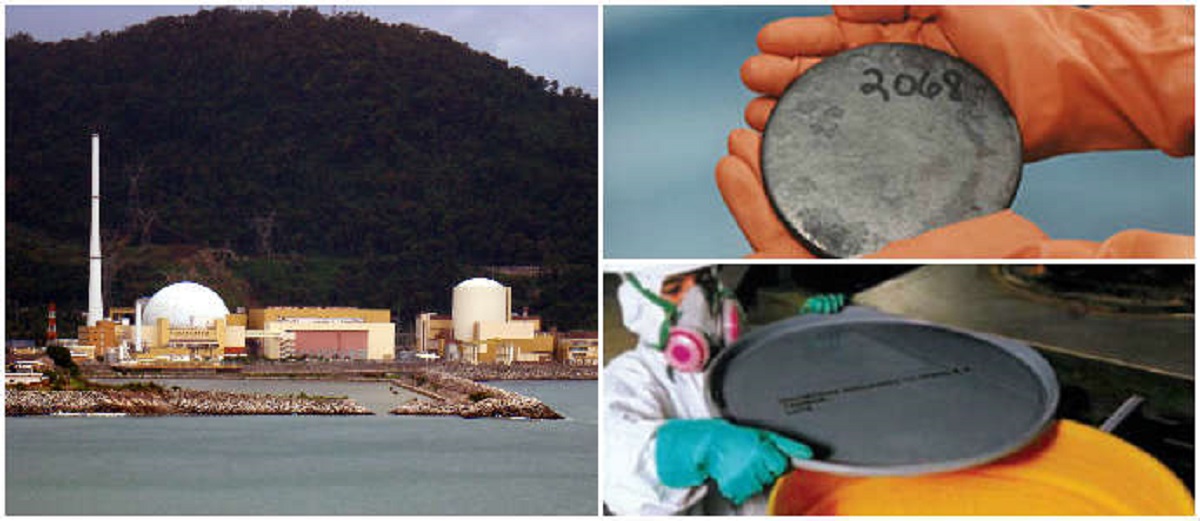
Despite Being Forbidden in the Constitution, Executive Wants to Allow Entry of Foreign Private Sector in the Nuclear Field
Last Thursday (04/11), Bento Albuquerque, Minister of Mines and Energy, declared that the government intends to allow uranium mining in Brazil in partnership with the private sector, aiming to accelerate the Brazilian Nuclear Program.
Currently, the federal constitution prohibits the involvement of private companies as it considers the activity strategic for the country, with the monopoly having to be held by the Union.
The government’s intention is to articulate infralegal changes, without the need to create a PEC (Proposed Constitutional Amendment) that would have to pass Congress approval.
The measure aims to avoid wear and tear from negotiations with the National Congress, given that the government has recently suffered defeats in its attempts to approve its projects, and new agreements have proven very difficult with unsuccessful conversations.
-
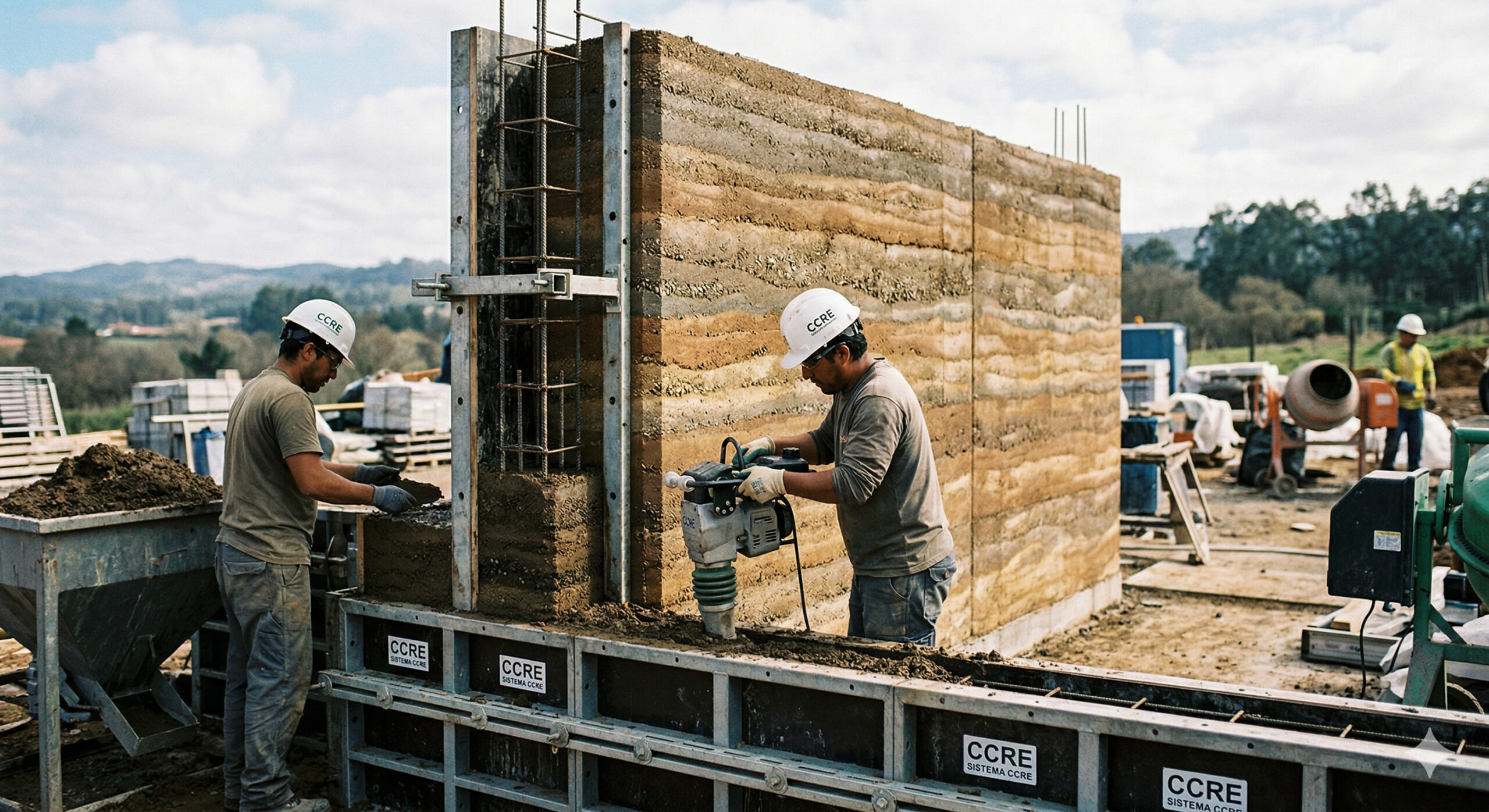
Without cement, without steel, and using only earth and recycled cardboard, engineers have created a construction system that drastically reduces carbon emissions and could change the way houses are built around the world.
-
Alert in the electric sector: excess solar energy triggers overload in the Brazilian electrical system, forces the operator to shut down power plants, and exposes an unexpected risk that could affect stability and energy costs.

-
Russia spent $5 billion and 28 years modernizing a nuclear warship that had been inactive since 1997. The Admiral Nakhimov returned to the sea in August 2025 as the heaviest surface combat ship in the world, with 176 missile launchers, including hypersonic Zircon missiles.

-
James Webb finds 300 galaxies with mysterious scars, and this discovery may show that the universe was born much more violently than astronomers had imagined.


Working Group
To try to approve its measure, the government has established a Working Group, coordinated by the Institutional Security Cabinet (GSI), that is studying the topic with a view to possible changes to the constitution to allow private capital participation in the Nuclear field, and the expectation is that the first results will be presented as early as June.
The opening for private capital in Brazilian uranium aims to attract both foreign and domestic investors for the resumption of work on Angra 3.
The government has never hidden that it would change the construction model of the plant so that work can be restarted as soon as possible, the new bidding document is expected to be released by June and the expectation is that work will resume by the end of the year or, at the latest, early next year.










Seja o primeiro a reagir!