






 Portuguese
  Spanish
  2 min of reading


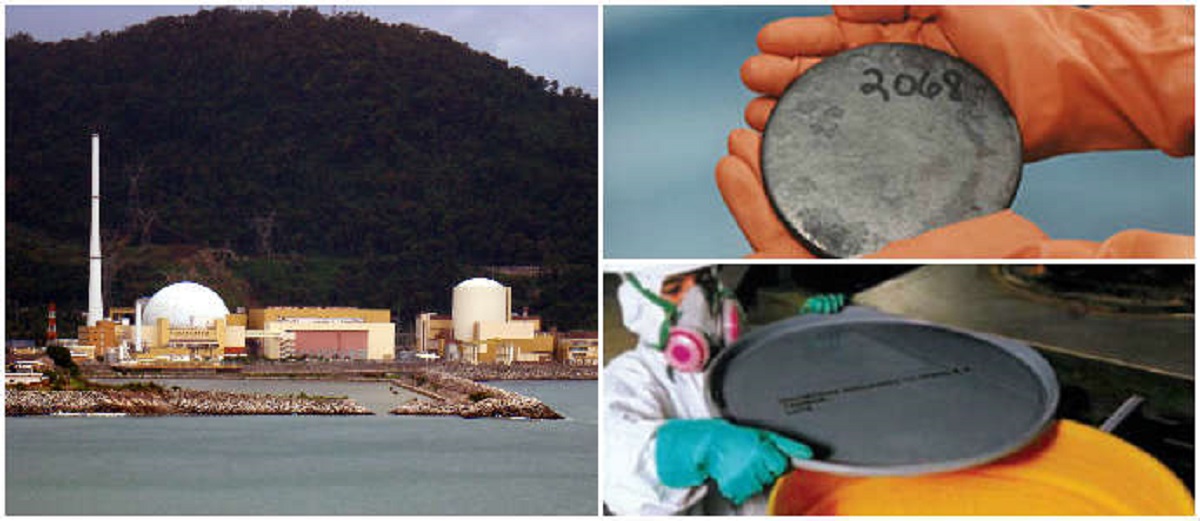
Despite Being Forbidden in the Constitution, Executive Wants to Allow Entry of Foreign Private Sector in the Nuclear Field
Last Thursday (04/11), Bento Albuquerque, Minister of Mines and Energy, declared that the government intends to allow uranium mining in Brazil in partnership with the private sector, aiming to accelerate the Brazilian Nuclear Program.
Currently, the federal constitution prohibits the involvement of private companies as it considers the activity strategic for the country, with the monopoly having to be held by the Union.
The government’s intention is to articulate infralegal changes, without the need to create a PEC (Proposed Constitutional Amendment) that would have to pass Congress approval.
The measure aims to avoid wear and tear from negotiations with the National Congress, given that the government has recently suffered defeats in its attempts to approve its projects, and new agreements have proven very difficult with unsuccessful conversations.
-
A Brazilian city decided to purchase a piece of the Atlantic Forest with more than 153,000 square meters, and owners of preserved areas will be able to submit proposals to transform the forest into a conservation unit.

-
Brazilian siblings aged 11 and 7 read 240 books in just one year and caught attention on social media: while many children spend hours on screens, they turned their family’s routine into an example of reading, discipline, and curiosity.
-
The legendary oak that, according to the story, hid Robin Hood from the Sheriff of Nottingham, died at the impressive age of 1,200 years in England, and the first chilling sign of its end was that no leaves sprouted on the tree this spring.

-
While the world looks at forests, the UN warns that the Earth is also threatened by the silent degradation of natural grasslands and savannas, ecosystems that cover half of the planet, support billions of people, and can exacerbate water, food, and climate crises.


Working Group
To try to approve its measure, the government has established a Working Group, coordinated by the Institutional Security Cabinet (GSI), that is studying the topic with a view to possible changes to the constitution to allow private capital participation in the Nuclear field, and the expectation is that the first results will be presented as early as June.
The opening for private capital in Brazilian uranium aims to attract both foreign and domestic investors for the resumption of work on Angra 3.
The government has never hidden that it would change the construction model of the plant so that work can be restarted as soon as possible, the new bidding document is expected to be released by June and the expectation is that work will resume by the end of the year or, at the latest, early next year.





Be the first to react!