





 English
  Francês
  Alemão
  Italiano
  Japonês
  Norueguês
  Portuguese
  Spanish
  3 min of reading


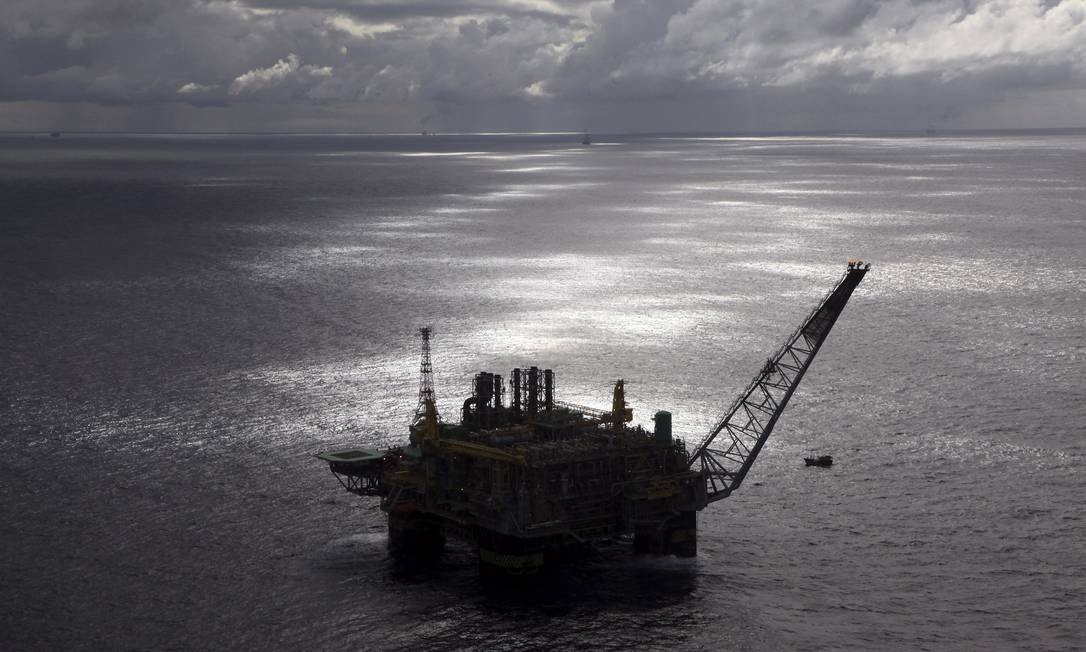
Brazil Will Have a ‘Pre-Salt Mirror’ for Sale in the Next Two Years. An Area the Size of Uruguay Has Already Been Recognized
A new frontier for oil exploration in an area the size of the pre-salt is on the government’s radar for private initiative. The Ministry of Mines and Energy intends to include exploratory blocks at sea beyond the 200 nautical miles limit (about 370 kilometers from the coast) established by the United Nations (UN) as the country’s exclusive economic zone in upcoming auctions over the next two years.
The main focus is the area near the pre-salt. Experts estimate that exploring this maritime area could increase Brazil’s oil and gas reserves, currently estimated at 15.9 billion barrels, by 50%.
-
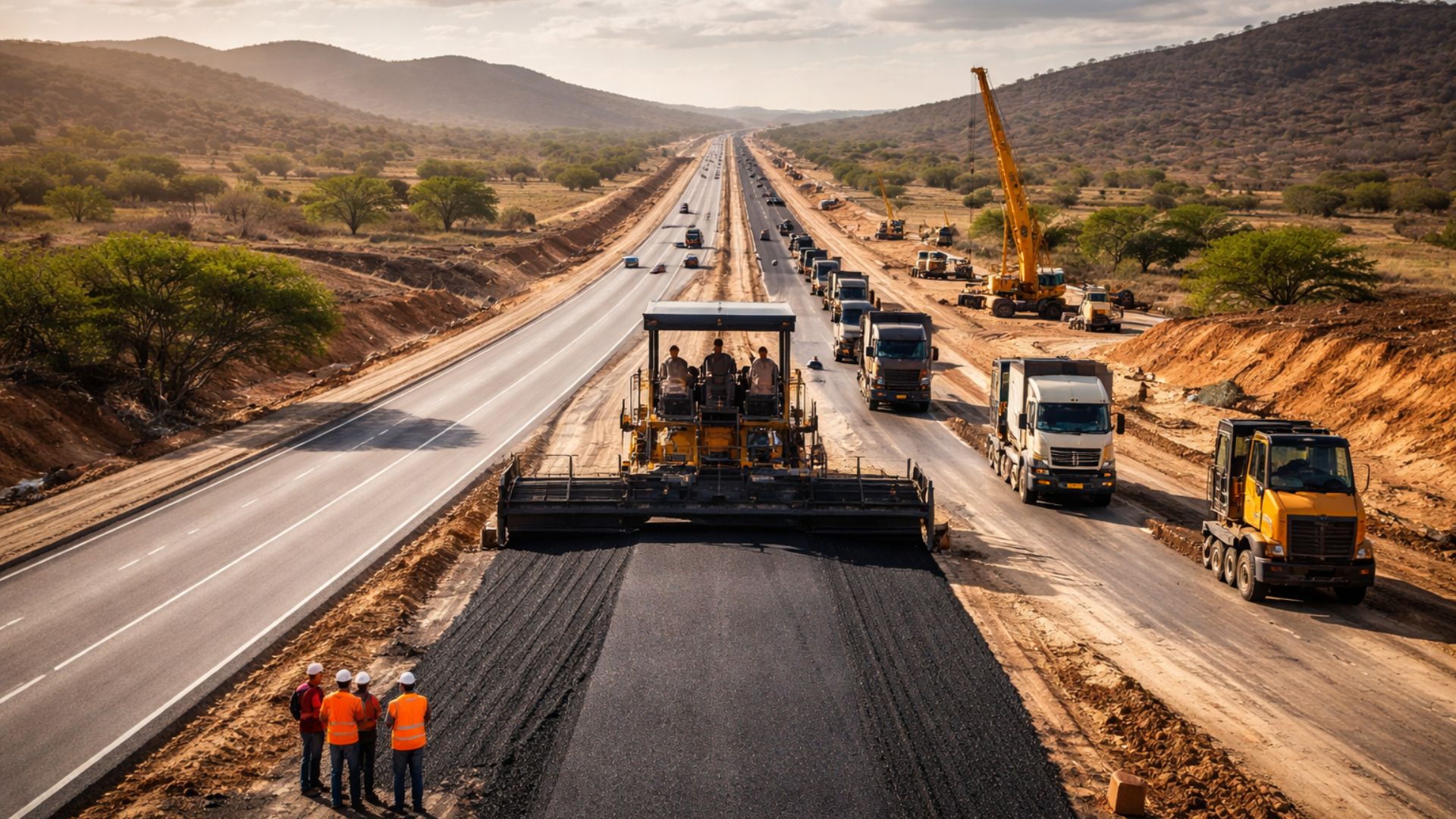
Government unlocks R$ 554 million for a highway that has been requested for decades and accelerates the duplication of BR.
-
Without bricks, without cement, and without endless construction: the cardboard house that is assembled in modules and can be moved.

-
Billions of barrels on the equatorial margin could lead Amapá to double its oil production in Brazil — the state aims to enter the route of companies in the Campos Basin, attract investments, and boost jobs and businesses in the oil and gas sector.
-
Without bricks, without cement, and without endless construction: the cardboard house that is assembled in modules and can be moved.
Studies are advanced, and for the first time, blocks extending up to the limit of 350 nautical miles, almost 650 kilometers from the coast, will be auctioned in 2020 or 2021. The greatest potential seen is in the area contiguous to the pre-salt, in the Santos Basin, in the Southeast.
Experts and government technicians have referred to this area as the “pre-salt mirror.” This is because the region is as rich as the pre-salt, whose reservoirs discovered in the last decade account for 57% of Brazil’s oil production.
The 350 nautical miles limit is the new milestone that Brazil has claimed for its legal continental shelf with the UN since 2004, aiming to expand its exploration of mineral resources at sea. Fifteen years later, Brazil had its first victory a month ago: the UN published on its website in June the extension of the continental shelf limits from 200 to 300 miles in the Southern Region.
This recognition already corresponds to an increase of 170 thousand square kilometers — equivalent to the territory of Uruguay — in the area that can be economically explored by Brazil. The potential of this area is still unknown, but the positive signal from the UN indicates that the country has a chance of success in the other two requests made, regarding the Northern coast and the Southeastern coast, where the pre-salt is located.
These areas have already been studied by the National Agency of Petroleum (ANP), the Brazilian Geological Service, and the Navy, which found evidence of reserves not only of oil but also of other minerals, such as cobalt and manganese. That’s why the military refers to this coastal strip as the Blue Amazon.
There is an understanding in the government that, after having submitted the request for the extension of the platform to the UN, a nation can offer this area for private exploration (restricted to the extent of the geological concept of continental margin) due to a precedent set by Canada.
In a process similar to that of Brazil, the North American country granted oil companies the exploration of areas for oil prospecting in the strip between 200 and 350 nautical miles off its coast, still without the final UN definition. Therefore, the Brazilian government intends to do the same starting in 2020.
- Dispute Over Itaipu Energy Blocks R$ 1 Billion Agreement Signed with Brazil
- China Drills Deepest Oil Well in Asia





Seja o primeiro a reagir!