





 Portuguese
  English
  Spanish
  2 min of reading
  0 comments


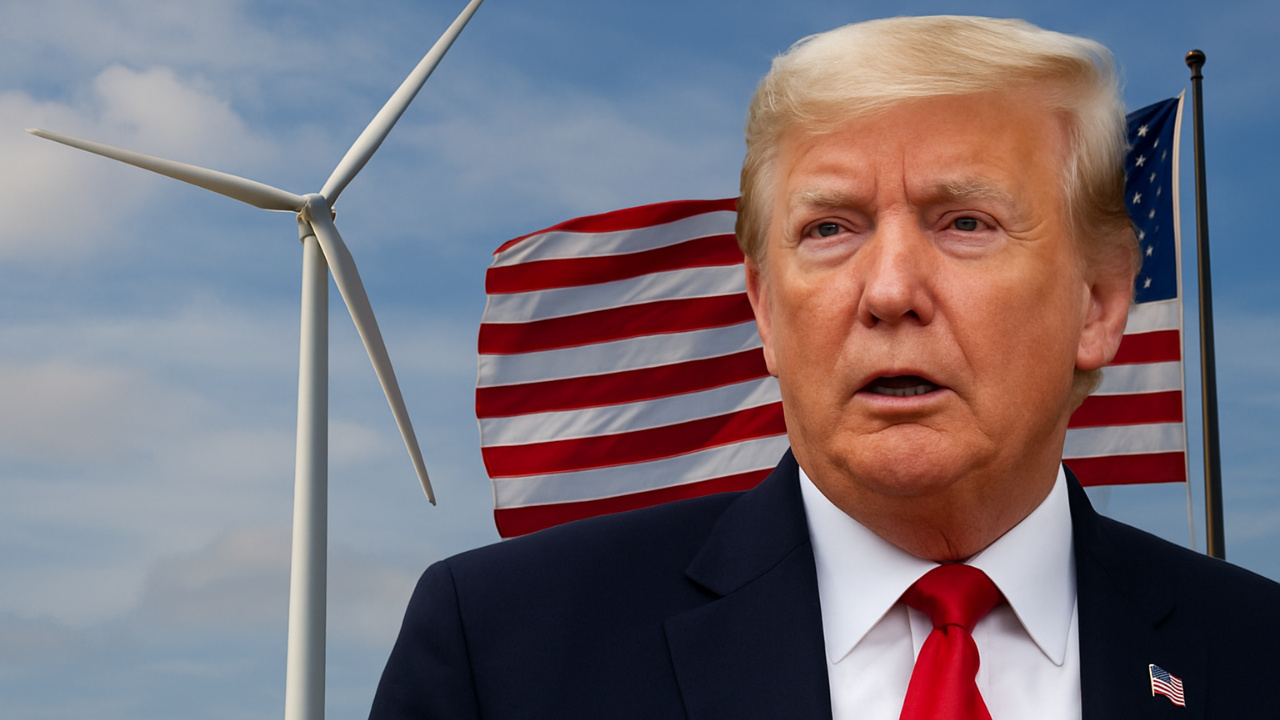
The Trump Administration Cuts US$ 427 Million in Wind Terminal in California and Expands Its Anti-Renewables Policy, Impacting Projects, Jobs, and the Future of Wind Energy in the United States.
The Trump administration has once again targeted wind energy with a cut of US$ 427 million intended for the construction of a terminal in Humboldt Bay, California, as reported on Tuesday, the 30th. The measure, announced in September 2025, jeopardizes the execution of the project and raises serious doubts about the future of wind infrastructure in the state.
Greg Dale, commissioner of the Humboldt Bay Harbor District, highlighted the severity of the situation. According to him, without federal resources, the project is at risk of being halted, especially after recent statements from the Trump administration against the growth of renewable energies.
Anti-Renewables Agenda and Direct Impact on the Sector
Since the beginning of his term, Donald Trump has maintained a hostile stance towards clean sources. The anti-wind agenda had already imposed moratoriums on new projects, hindering the advancement of a sustainable energy matrix in the United States.
-
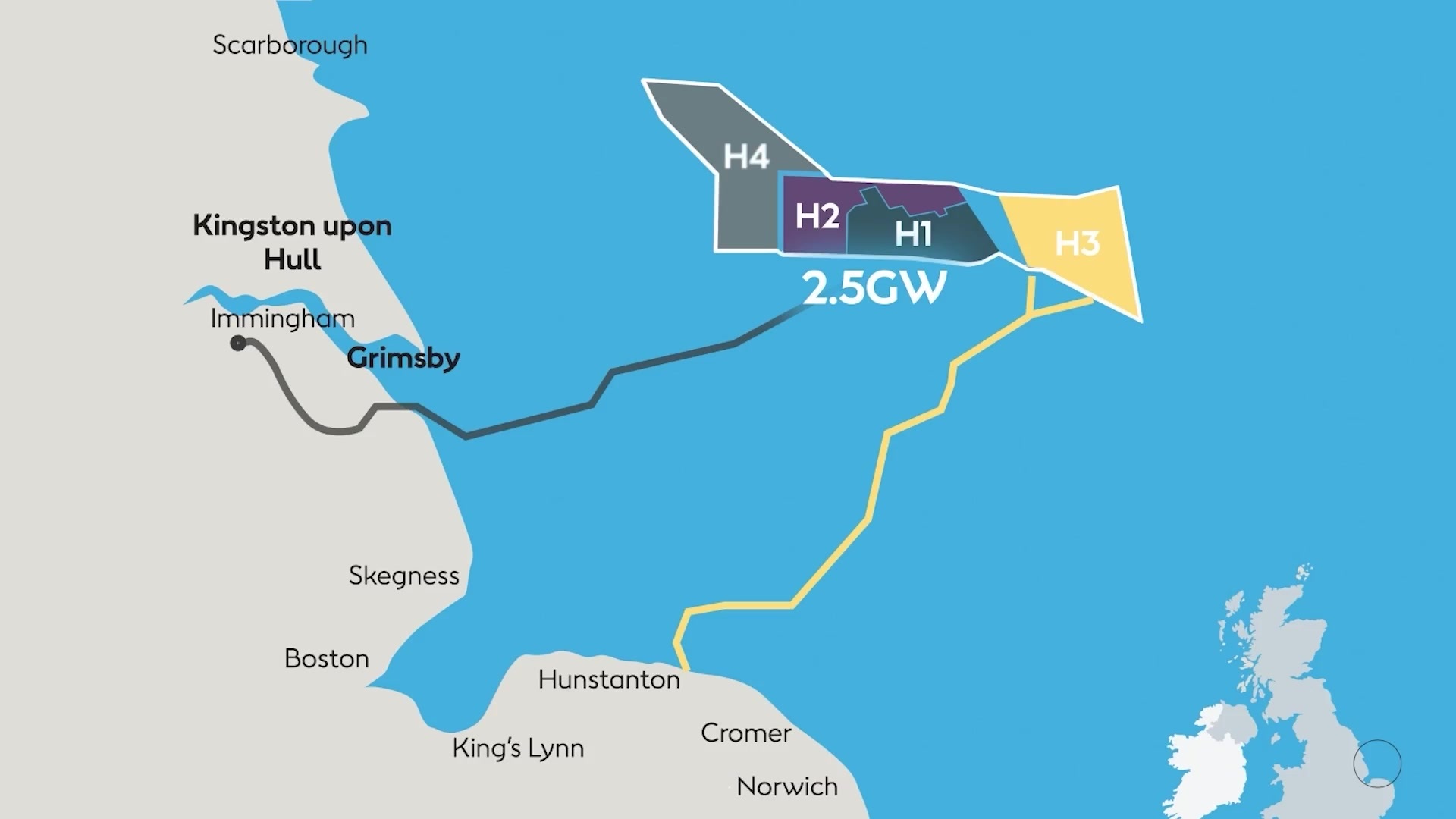
231 turbines of 260 meters at 160 km from the coast, monopiles weighing as much as nine blue whales embedded in the North Sea, and a crane ship taller than the Eiffel Tower: Hornsea 3 will be the largest offshore wind farm on the planet by 2027, and its first components have already arrived in England.
-
International Certification Puts Senai Norte on the Renewable Energy Map and Expands Access to Essential Training for Qualified Wind Power Professionals

-
The Winds of the Northeast Are in Foreign Hands: Nearly 70% of the Region’s Wind Farms Are Owned by International Companies, with France, China, and Italy Leading Investments in Wind Energy in Brazil
-
Echoenergia’s Wind Farms Receive Diamond and Platinum Seals and Boost Carbon Credits with Projects that Prevent Large Volumes of Annual Emissions

Now, in addition to the terminal in California, 12 other port projects have also lost federal funding. The impact goes beyond delays in construction: it compromises the installation of offshore turbines and reduces future generation capacity, weakening the competitiveness of wind energy in the country.
Legal Disputes and State Resistance
The offensive against renewable energies has triggered a series of legal actions in different U.S. states. Governors and local authorities are challenging in court the blockages to new projects and the creation of bureaucratic hurdles.
In parallel, the Department of Energy confirmed that it intends to further reduce subsidies aimed at clean energy initiatives. However, which programs will be subject to the next cuts has not been detailed, increasing uncertainty in the sector and generating doubts for investors.
Despite federal pressure, experts remain confident in the recovery of the sector. Mark Jacobson, a scientist at Stanford University, states: “Wind energy will return, as it is financially viable and essential to reduce carbon emissions”.
In analysts’ assessments, the future of wind energy in California will depend on companies’ capacity to adapt and possible changes in the political landscape. Projects like the one in Humboldt Bay may be resumed if there is a shift in federal guidelines or strengthening of local and state support.
Thus, even though the sector is going through a turbulent period, the economic viability and environmental benefits keep wind energy as a key player in the energy transition in the United States.






Seja o primeiro a reagir!