





 English
  Francês
  Alemão
  Italiano
  Japonês
  Norueguês
  Portuguese
  Spanish
  2 min of reading


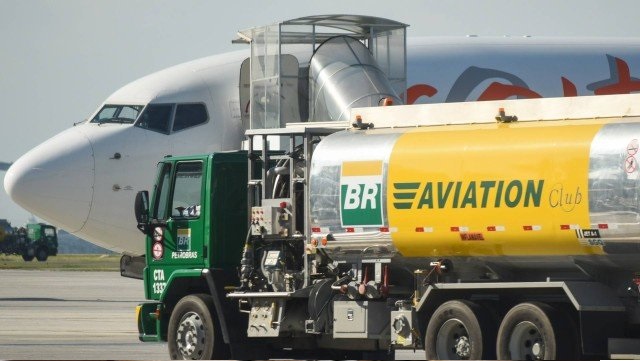
Breaking Petrobras Monopoly May Influence Ticket Prices. Aviation Fuel Represents More Than 30% of Airlines’ Costs.
Next year, the government is interested in ending Petrobras’s monopoly on aviation fuel in the country, said Marcelo Sampaio, executive secretary of the Ministry of Infrastructure, during an event in Rio de Janeiro, emphasizing the state-owned company’s current dominance in the terminal. Petrobras Announces 4% Increase in Cooking Gas at Refineries.
“We understand that for next year, it’s about combating what we call the aviation fuel monopoly. Petrobras holds the entire aviation fuel chain. We may have one of the most expensive aviation fuels in the world, and fuel is responsible for more than 30% of the aviation costs”, the executive stated on Monday, the 25th.
-
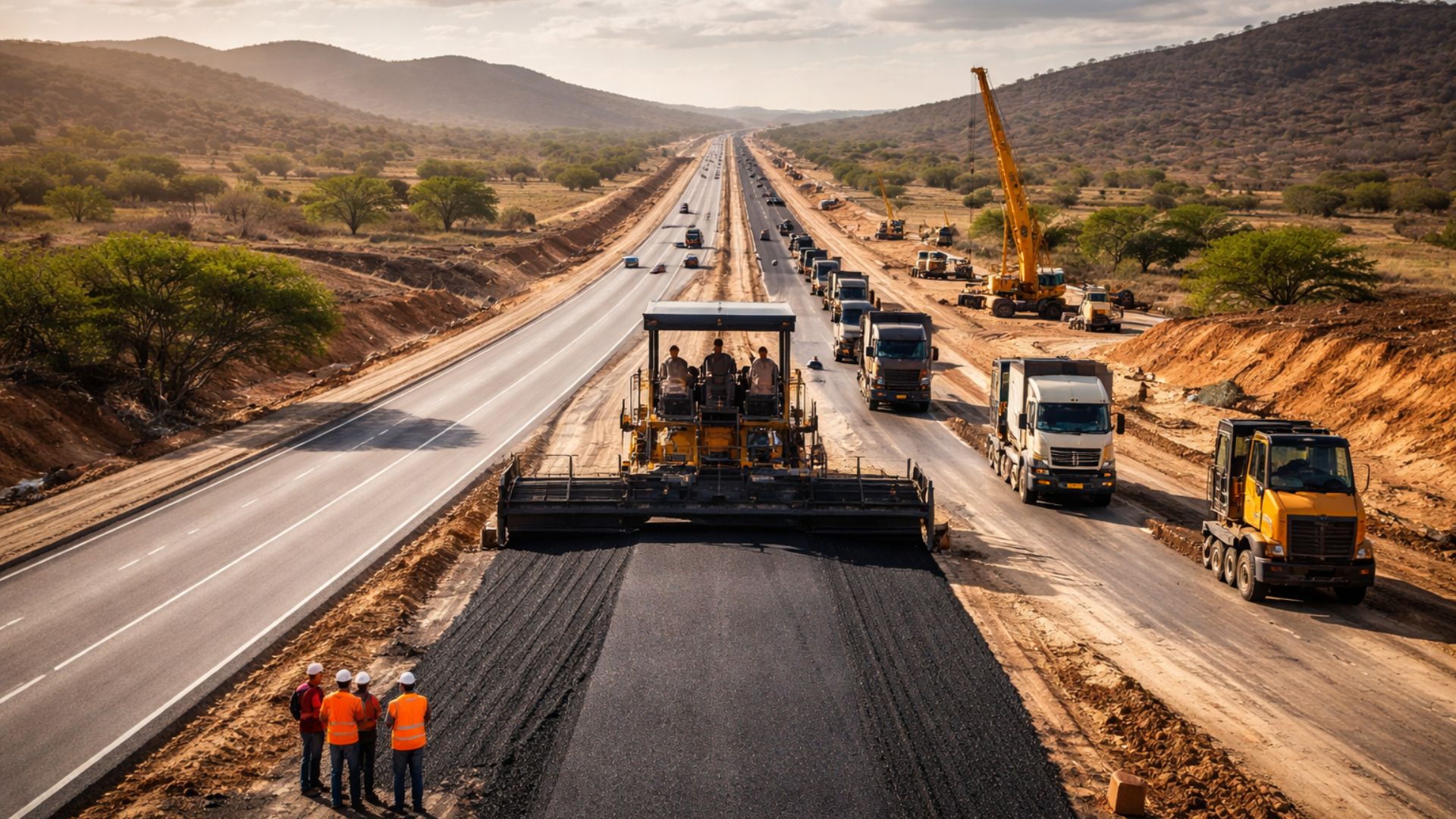
Government unlocks R$ 554 million for a highway that has been requested for decades and accelerates the duplication of BR.
-
Without bricks, without cement, and without endless construction: the cardboard house that is assembled in modules and can be moved.

-
Billions of barrels on the equatorial margin could lead Amapá to double its oil production in Brazil — the state aims to enter the route of companies in the Campos Basin, attract investments, and boost jobs and businesses in the oil and gas sector.

-
Without bricks, without cement, and without endless construction: the cardboard house that is assembled in modules and can be moved.

“We will revisit how this aviation fuel is sold and produced”, he commented, without going into details. The first step for the entry of this competitor was taken last week with the inclusion of the terminal in the list of projects of the Investment Partnership Program (PPI), which is responsible for government concessions and privatizations.
Sampaio explained that the Ministry of Infrastructure’s proposal is to review the contract, which has been expired for five years. By splitting the fuel terminal into two, it will allow a company to enter the aviation fuel market, known as QAV, with the product’s importation.
Eduardo Sanovicz, president of the Brazilian Association of Airlines (Abear), stated that fuel “is the mother of all battles” in the aviation sector.
- Petrobras Plans to Drill 8 Exploratory Wells Next Year
- 28 New FPSOs Will Be Installed from 2021 to 2030
- Oil That Hit Northeast Beaches Arrives in Rio de Janeiro
According to the association, in 2018, the fuel accounted for 32% of the operational costs and expenses of Brazilian airlines. The association complains that, despite producing almost 90% of the QAV used in the country, the price follows the international market.
According to Abear, while the entry of a new importer is good news, “the changes with the greatest potential for cost reduction and generation of benefits are related to the pricing model and the tax burden on domestic supplies”.
The economic team prefers to encourage the opening of the market to other companies rather than interfere in Petrobras’s pricing policy.
The state-owned oil company is in the process of selling oil refineries, seeking to dispose of half of its capacity in the sector, subsequently focusing its refining park in the Southeast, the main fuel-consuming region of the country.








Seja o primeiro a reagir!