





 Portuguese
  English
  Spanish
  3 min of reading
  0 comments



The Federal Government Created Redata, A New Regime That Eliminates Taxes On Technology Equipment And Promises To Boost The Industry In Brazil.
The Federal Government Launched Redata, A New Tax Regime That Eliminates Taxes On Technology Equipment Used By Companies Across Brazil.
The measure, published by Provisional Measure, Came Into Effect This Week. The Objective Is To Modernize The National Industry, Boost The Digital Economy, And Make The Productive Sector More Competitive.
With Redata, Companies Will Be Able To Purchase Data Center Equipment Without Paying PIS/Pasep, Cofins, And IPI. The List Of Benefited Products Will Be Defined By Public Consultation, Ensuring Transparency And Participation From The Sector.
-
Historic bankruptcy of Centauro shocks the market, and the century-old company puts more than 500,000 products, machines, and complete infrastructure up for online auction.

-
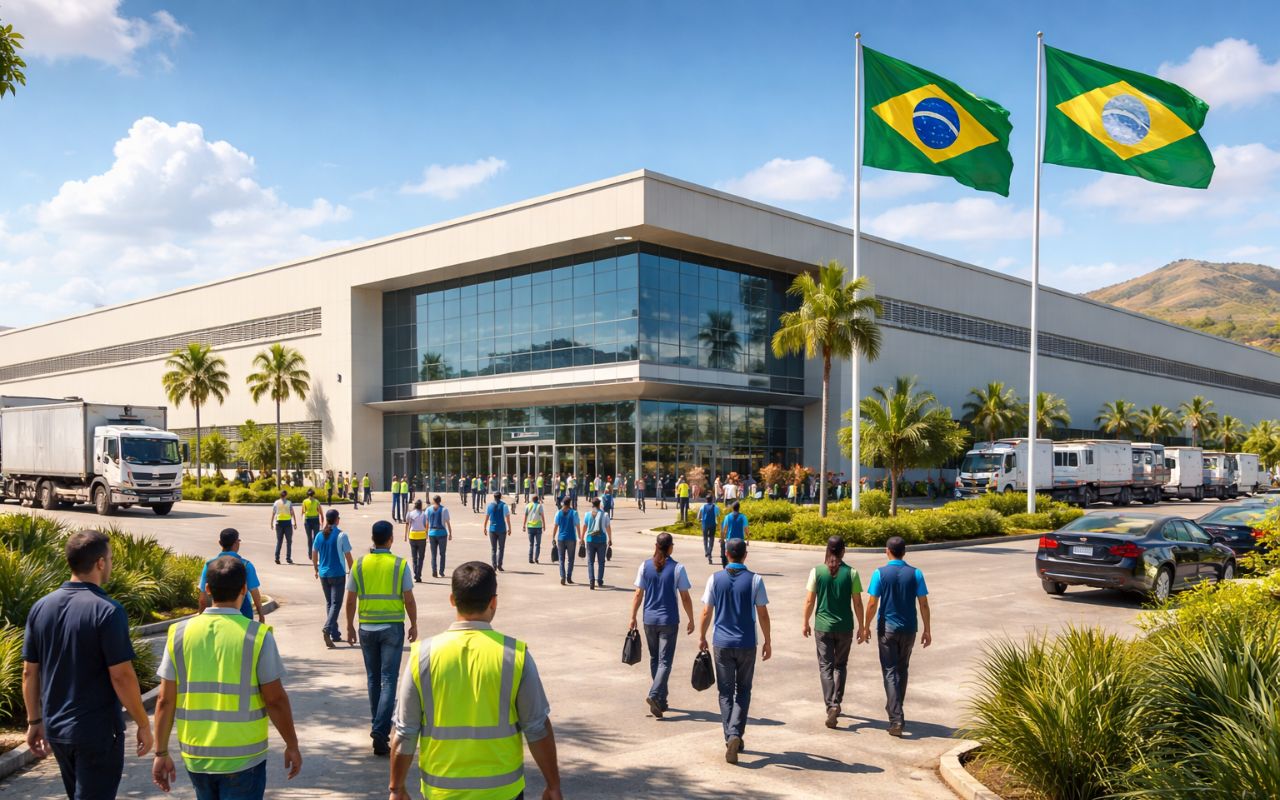
New shoe factory in Ceará is expected to create 400 jobs and strengthen the local economy.
-
No one imagined it, but a mixture of sawdust with a mineral that fights fires surprises scientists with a result that changes the course of fire-resistant construction.

-
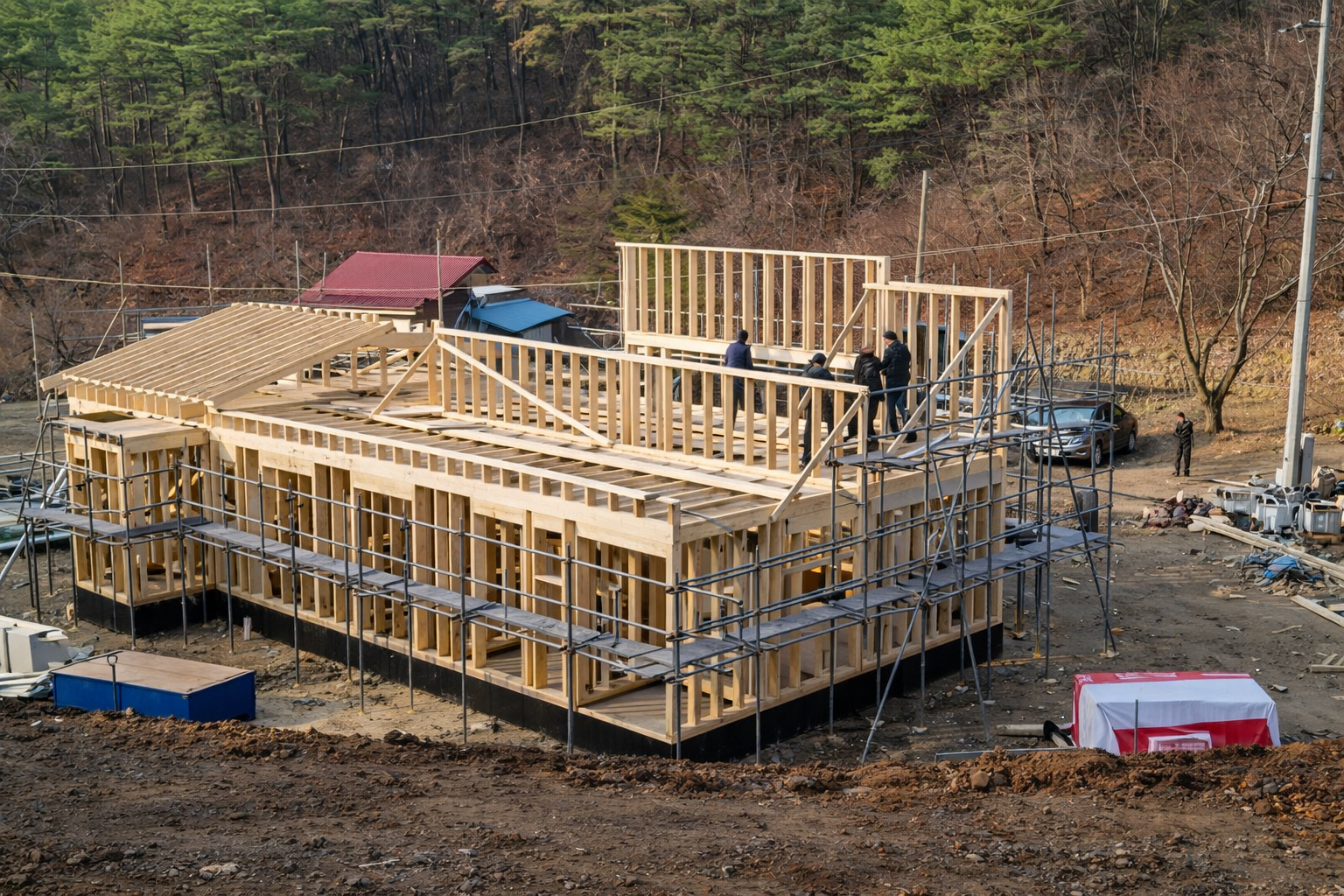
From empty land to a high-end house, wooden construction uses a lightweight system, metal structure for the foundation, ventilated ceramic cladding, and special windows to create an efficient and comfortable living space throughout the year.

According To The Government, The Regime Is Part Of The New Industry Brazil Program, Which Aims To Expand The Country’s Capacity To Store And Process Data — An Essential Step For Digital Sovereignty.
Redata Promises To Revolutionize The Brazilian Industry
Redata Is A Special Tax Regime For Data Center Services. It Reduces The Investment Costs In Technology And Encourages Companies To Update Their Digital Structures. Thus, The Program Creates A More Favorable Environment For Innovation.
In Practice, The Regime Facilitates The Purchase Of Servers, Storage Systems, And Technological Equipment.
This Directly Benefits The Industry, Which Gains Access To More Modern And Efficient Solutions. With Lower Taxes, The Cost Of Modernization Decreases And The Sector Gains Competitiveness.
According To The Federal Government, Redata Integrates Public Policies Aimed At Accelerating The Digital Transformation Of Brazil.
Furthermore, The Program Strengthens National Infrastructure And Reduces Dependence On Foreign Technologies.
What Is A Data Center And Why Is It So Important
A Data Center Functions Like The Digital Brain Of A Company. It Houses Computers, Servers, And Systems That Store Strategic Information, Such As Production Data, Inventory Control, And Finances.
Keeping This Structure Updated Ensures Security And Efficiency. With Redata, The Cost Of Modernization Decreases, Making The Process More Accessible. Thus, Even Small And Medium-Sized Industries Will Be Able To Invest In Automation And Digitalization.
As A Result, The Country Approaches A Smarter Industry, Capable Of Operating Based On Data And Technology.
Small And Medium Industries Gain More Momentum
Redata Brings Direct Benefits To Small And Medium Industries. With Tax Exemption, High-Tech Equipment Becomes Cheaper.
This Allows Companies To Invest In Innovation Without Compromising Their Budgets.
In Return, Those Who Join The Regime Will Need To Invest 2% Of The Value Of The Purchased Products In Research, Development, And Innovation. This Requirement Stimulates Technological Advancement Within The Industrial Sector Itself.
Additionally, The Federal Government Aims To Boost The Installation Of Data Centers In The North, Northeast, And Central-West Regions.
Companies Investing In These Areas Will Have Lower Counterparts, Encouraging The Decentralization Of The Industry And The Generation Of Regional Jobs.
Government Bets On Innovation To Strengthen Brazil
Redata Is Part Of The New Industry Brazil Strategy, A Program That Seeks To Reindustrialize The Country Based On Technology And Sustainability.
According To The Government, Eliminating Taxes On Data Center Equipment Is Essential To Increase Productivity And Position Brazil As A Digital Power In Latin America.
This Policy Stimulates Economic Growth, Attracts New Investments, And Prepares The Country To Compete On A Global Scale. Moreover, It Creates Opportunities For Professionals Specializing In Technology And Innovation.
A Decisive Step Towards The Future Of The Brazilian Industry
With Redata, Brazil Takes A Firm Step Towards The Modernization Of Its Industry. Tax Exemption Not Only Reduces Costs But Also Encourages The Adoption Of New Technologies And More Sustainable Practices.
By Combining Innovation, Competitiveness, And Regional Inclusion, The Federal Government Lays The Foundations For A Stronger And More Digitized Industry. Thus, The Country Advances In Building A Solid Economic Future That Is Technological And Prepared For Global Challenges.









Seja o primeiro a reagir!