





 Portuguese
  English
  Spanish
 4 min of reading
  17 comments


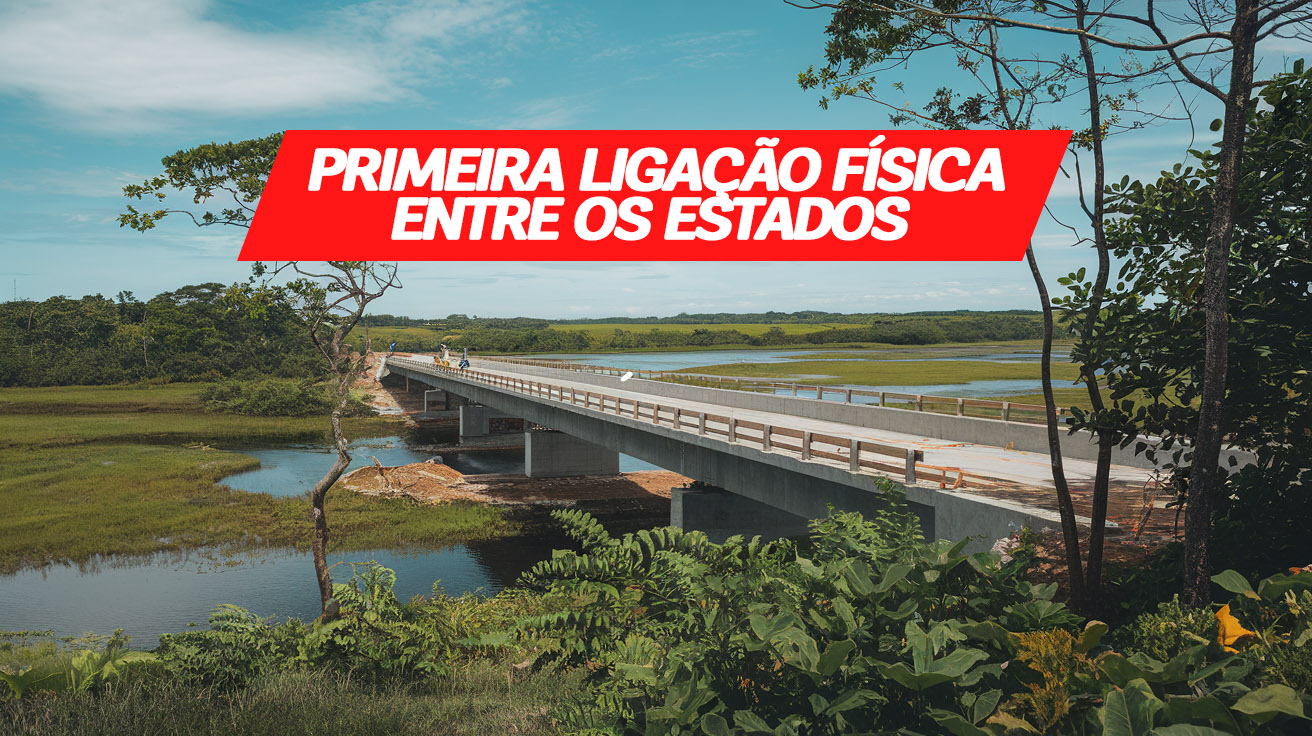


300-Meter Bridge Will Be The First Physical Connection Between The States. Promising To Boost Ecotourism And Stimulate The Local Economy, The Project Is A Milestone For The Region.
Did you know that a new construction in the heart of the Brazilian Pantanal could completely change the way Mato Grosso and Mato Grosso do Sul connect?
Although it seems like just another common infrastructure, the project in question carries the potential to unite two regions rich in biodiversity and ecological tourism, generating unprecedented economic and environmental impact.
The Project In Detail
-
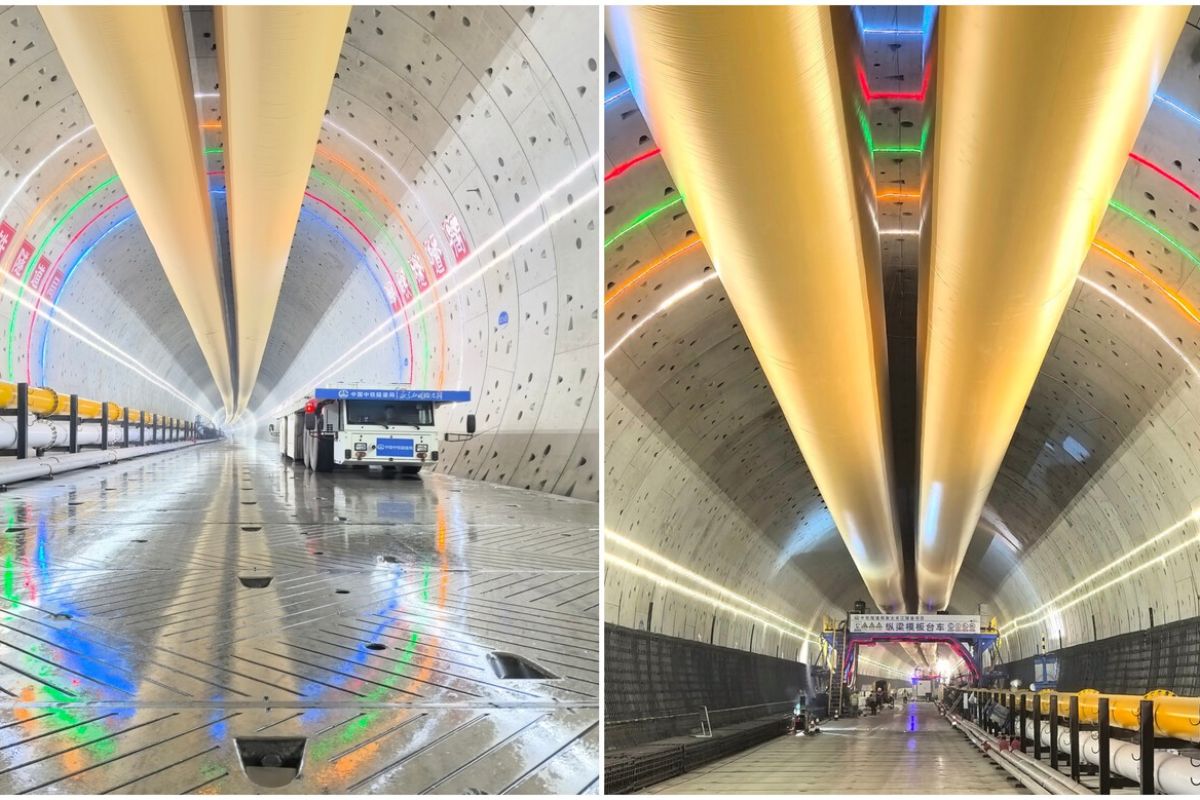
China completes the most critical section under the Yangtze River with the intelligent tunneling machine Linghang, excavating 11.32 continuous kilometers at depths of up to 89 meters and transforming the Chongming-Taicang tunnel into a landmark that redefines the scale of high-speed rail engineering in the 21st century.
-
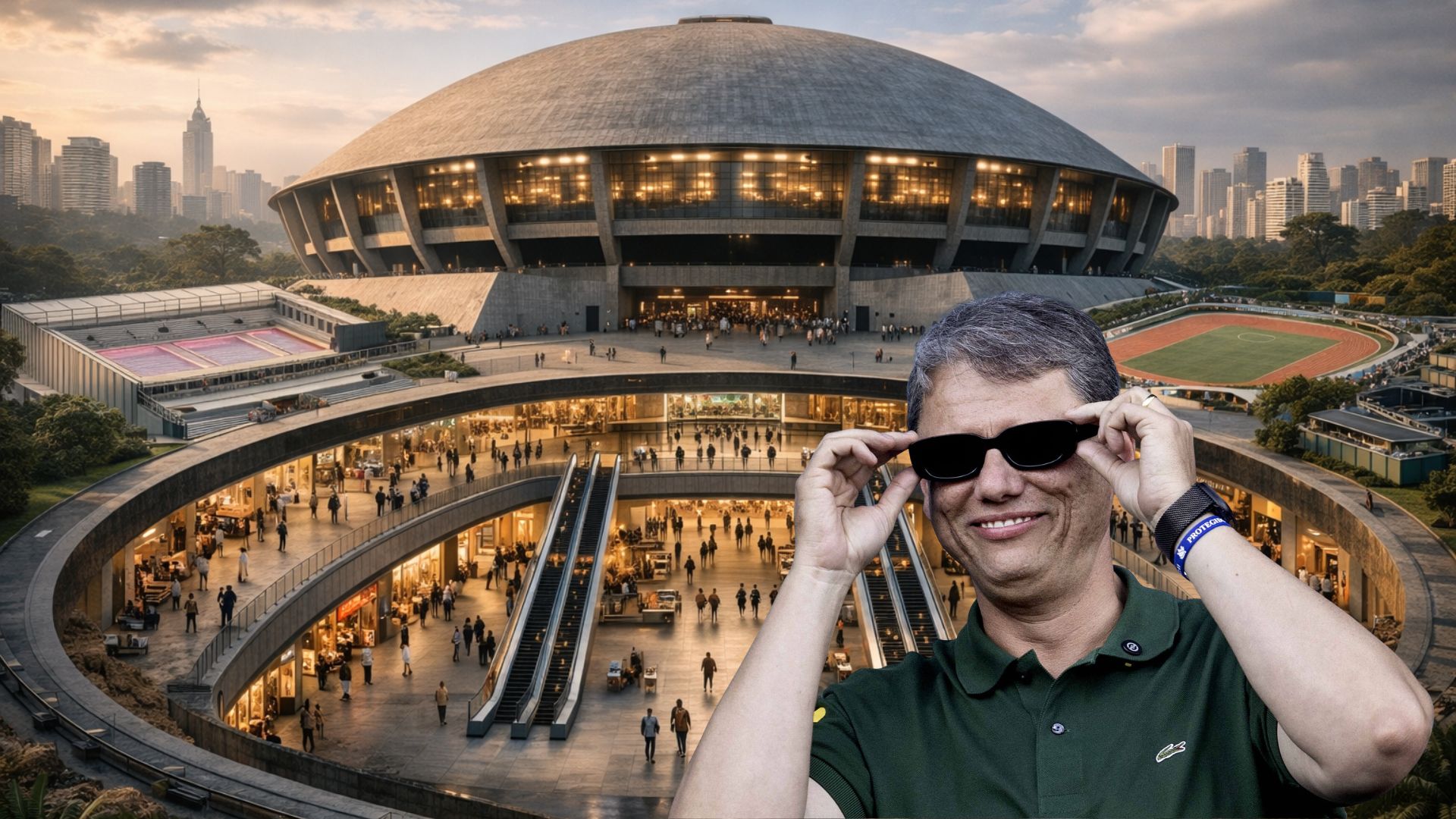
The government of São Paulo surprises South America with a plan to transform the famous Ibirapuera with underground shops, air conditioning, and a 25-year concession in a billion-dollar project that expands the audience, alters a protected area, and provokes an immediate reaction.
-
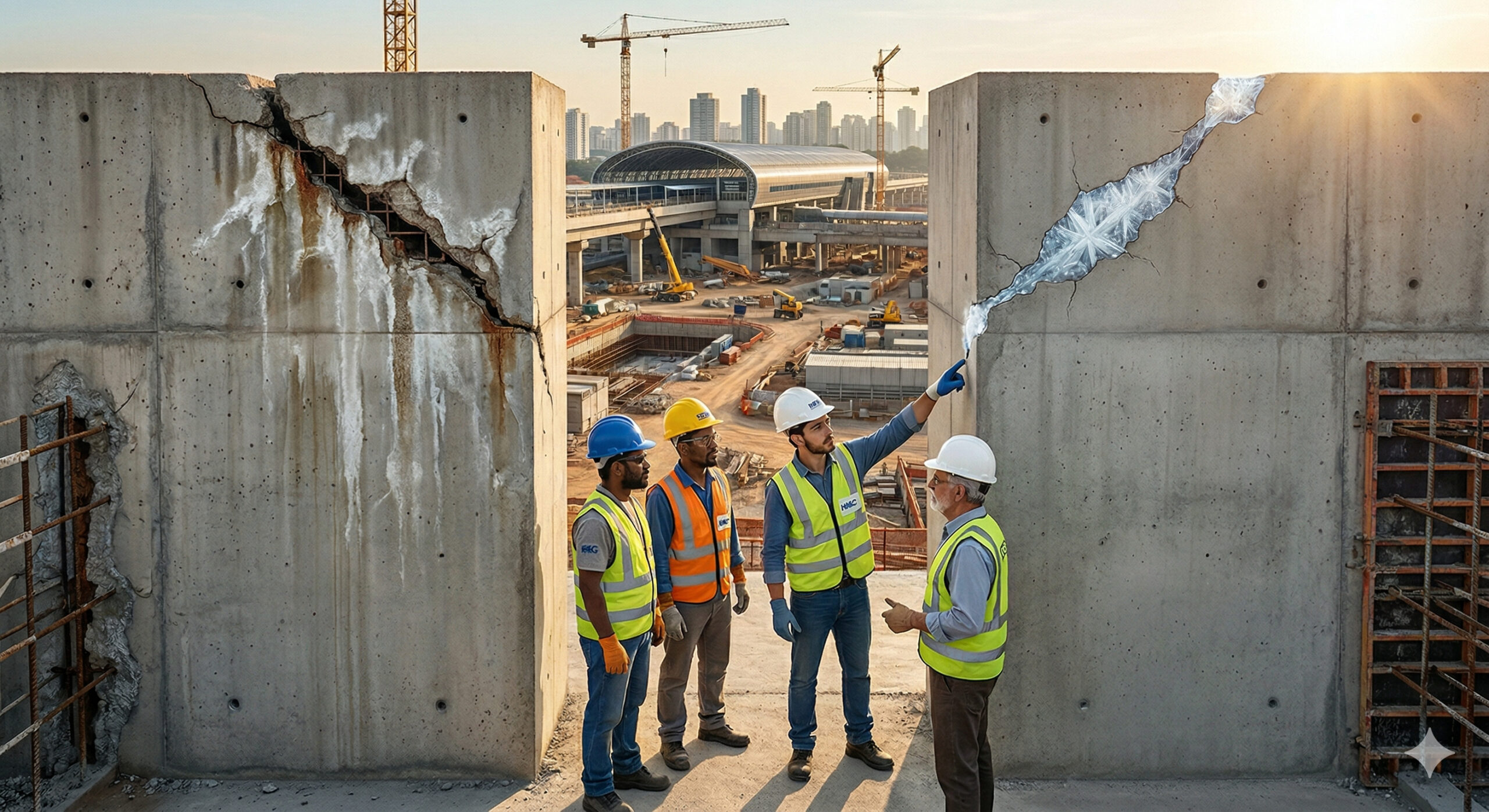
With a lifespan of up to 60 years and a cost up to 30% higher than conventional concrete, self-healing concrete is already being used in Brazil to eliminate leaks, reduce maintenance, and is changing the real cost of construction projects.
-
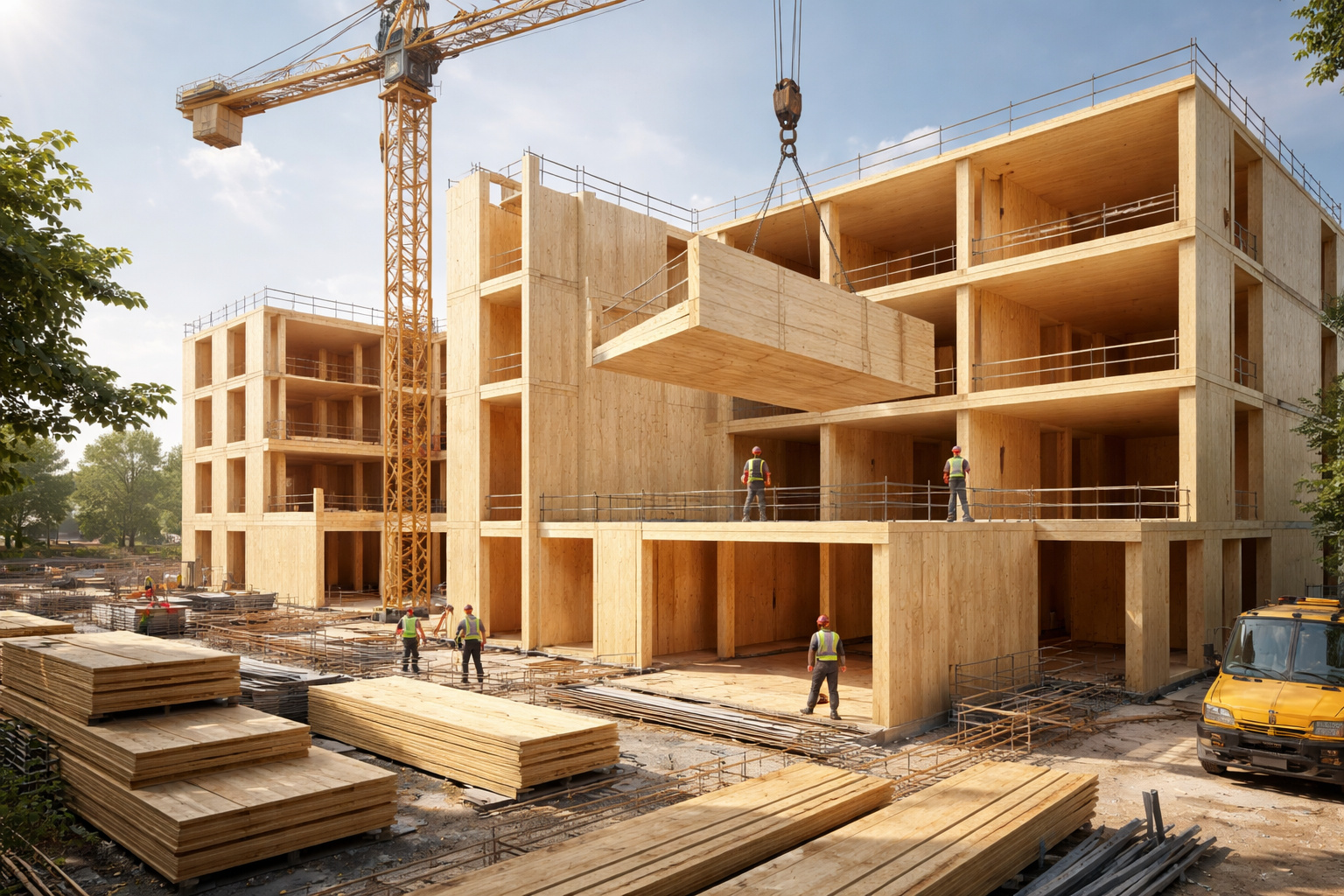
Engineered wood CLT challenges steel and concrete and promises construction that is up to 2x faster with a lower environmental impact in modern civil engineering.

The project consists of a concrete bridge approximately 300 meters long, which will be built to connect the famous Transpantaneira Road in Mato Grosso to MS-214 highway in Mato Grosso do Sul.
With an estimated investment of between R$ 50 and R$ 60 million, the initiative is the result of cooperation between the two states, which will share the costs equally.
According to the director of Projects and Budgets at Agesul, Magno Mendes, the most viable route connects the end of the Transpantaneira directly to MS-214, which will provide optimized and more practical access for tourists and residents of the region.
Tourism and Environmental Preservation: The Project’s Bet
The location chosen for the bridge is not only strategic but also an opportunity to boost ecological tourism.
The region is globally recognized as one of the best destinations for spotting jaguars, attracting tourists from Brazil and abroad.
In Porto Jofre, for example, inns and tour operators offer unique experiences, such as boat trips that allow observing local wildlife in its natural habitat.
According to Eduardo Blanco, manager of Pousada Porto Jofre Pantanal, tourism in the region supports dozens of properties, with about 10 large boats, 60 speedboats, and 200 local guides, helping to keep the local economy active.
He emphasizes that most visitors arrive via Cuiabá, traveling the 150 km dirt road of the Transpantaneira.
A Bridge To The Future: Integration And Development
In addition to fostering tourism, the construction of the bridge is expected to create an ecological corridor between the two wetlands, facilitating environmental preservation and movement between areas.
The Deputy Secretary of Road Works in Mato Grosso, Nivia Calzolari, highlights that the wetland region is already rich in ecotourism and ecology and that the connection will provide new horizons for sustainable economic development.
State governments have been working together to ensure the project’s success.
While Mato Grosso will be responsible for developing the technical project, Mato Grosso do Sul is already investing in the necessary infrastructure to enable access to the bridge, with 70.63% of the MS-214 works already completed.
Impacts On Mobility And The Local Economy
On the southern Mato Grosso side, works on MS-214 already include the implementation and primary surfacing of about 60 km of road, allowing greater accessibility to the isolated area where the bridge will be built.
The highway connects BR-163 to the Porto Jofre region in Mato Grosso and will play a crucial role in the flow of tourism and the integration between the states.
Moreover, the bridge is expected to directly benefit local communities and small properties that rely on tourism to generate income.
With the infrastructure facilitating access, a significant increase in the number of visitors is expected, which will boost hotels, restaurants, and other services in the region.
Challenges And Strategic Planning
The construction of the bridge requires special attention due to the sensitive environmental conditions of the Pantanal.
According to the director of Road Infrastructure at Seilog, Rudi Fiorese, the project will be a milestone not only in connectivity between the states but also in commitment to preserving the biome.
Furthermore, the partnership between Mato Grosso and Mato Grosso do Sul demonstrates an innovative and coordinated approach to addressing infrastructure challenges in remote and environmentally delicate areas.
This future vision reinforces the role of the Pantanal as a world heritage site, uniting sustainable development and preservation.
What To Expect From The Region’s Future
With the completion of the bridge and associated roadworks, the expectation is that the Pantanal will become even more accessible, consolidating itself as one of Brazil’s main tourist destinations.
The integration between the states promises to improve not only mobility but also local business and job opportunities.
Now, the question remains: do you believe that ecological tourism in Brazil can be enhanced without harming the environment?




Precisamos melhorar as rodovias e ligações entre cidades além de educar os munícipes e visitantes, sobre a preservação ambiental e cuidados com os animais nas rodovias.
Lula Brasil…
Não há dificuldades para as ações funcionarem bem, porém é necessário a regulamentação com eficiência e fiscalização de todas movimentações.