





 English
  Francês
  Alemão
  Italiano
  Japonês
  Norueguês
  Portuguese
  Spanish
  5 min of reading



Graphene: The Best Conductor in The World. The Revolutionary Material Will Become The Next Global Technological Revolution, With Brazil Leading
Graphene, the revolutionary material abundant in Brazil, will become the next global technological revolution and a new and promising scenario is beginning to unfold in Rio Grande do Sul, from the research and production of a substance that scientists have been calling the “material of the future.” The powerful material is the thinnest, lightest, and strongest chemical element ever discovered and has the potential to surpass the impact of silicon and plastic in the industry, revolutionizing the market in practically all areas — from mobile telephony to regenerative medicine.
Read Also
- Niobium and Graphene: Brazil and Japan Sign Cooperation Agreement to Explore Production and Use of Minerals
- Niobium, the “wild card” for the industry of the future, with lighter cars, lower consumption in combustion engines and ultra-fast recharging in electric vehicles. All this is possible with the presence of this metal so abundant in Brazil
- Brazil Will Be the Protagonist of the Niobium Revolution in The World, The Essential Metal for The Steel Industry, Electric Cars, Infrastructure, Technology, and Health
- The Global Leader in Niobium Production CBMM Closes International Partnership and Adopts Canadian Technology to Increase Performance of Batteries in Electric Vehicles
The visit of President Jair Bolsonaro to check the research and commercial production plant of graphene at UCSGraphene, at UCS, has a confirmed date: it will be on July 1st. The information was passed on by Zextec, a partner company of UCSGraphene, to the columnist of Caixa-Forte, Babiana Mugnol.
Identifying himself as president of Amesne (the Association of Municipalities of Upper Northeast Slope), Feltrin highlighted to Bolsonaro the tourist appeal of the Serra and sought to confirm the president’s visit in July.
-
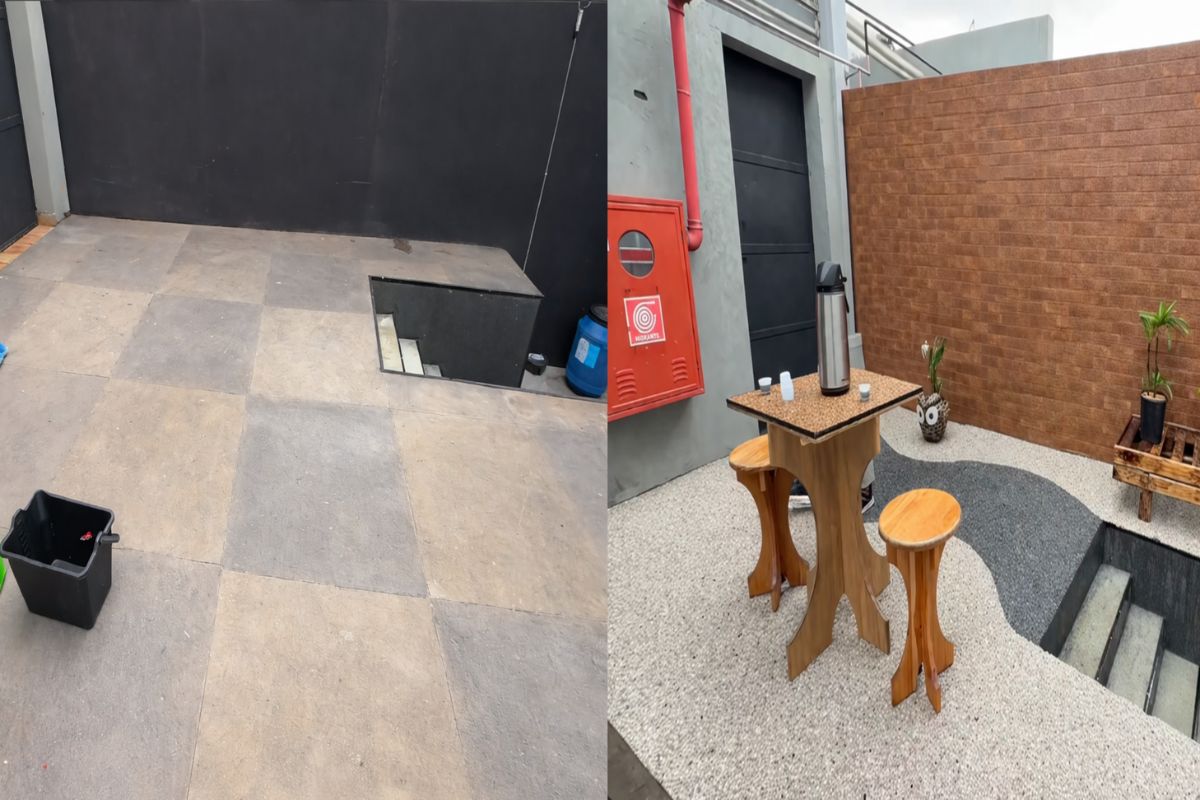
In just three hours, a natural stone floor transforms the entrance of the house with an organic effect, immediate drainage, and a sophisticated non-slip finish that doesn’t puddle water, dries quickly, and impresses with the final result.
-
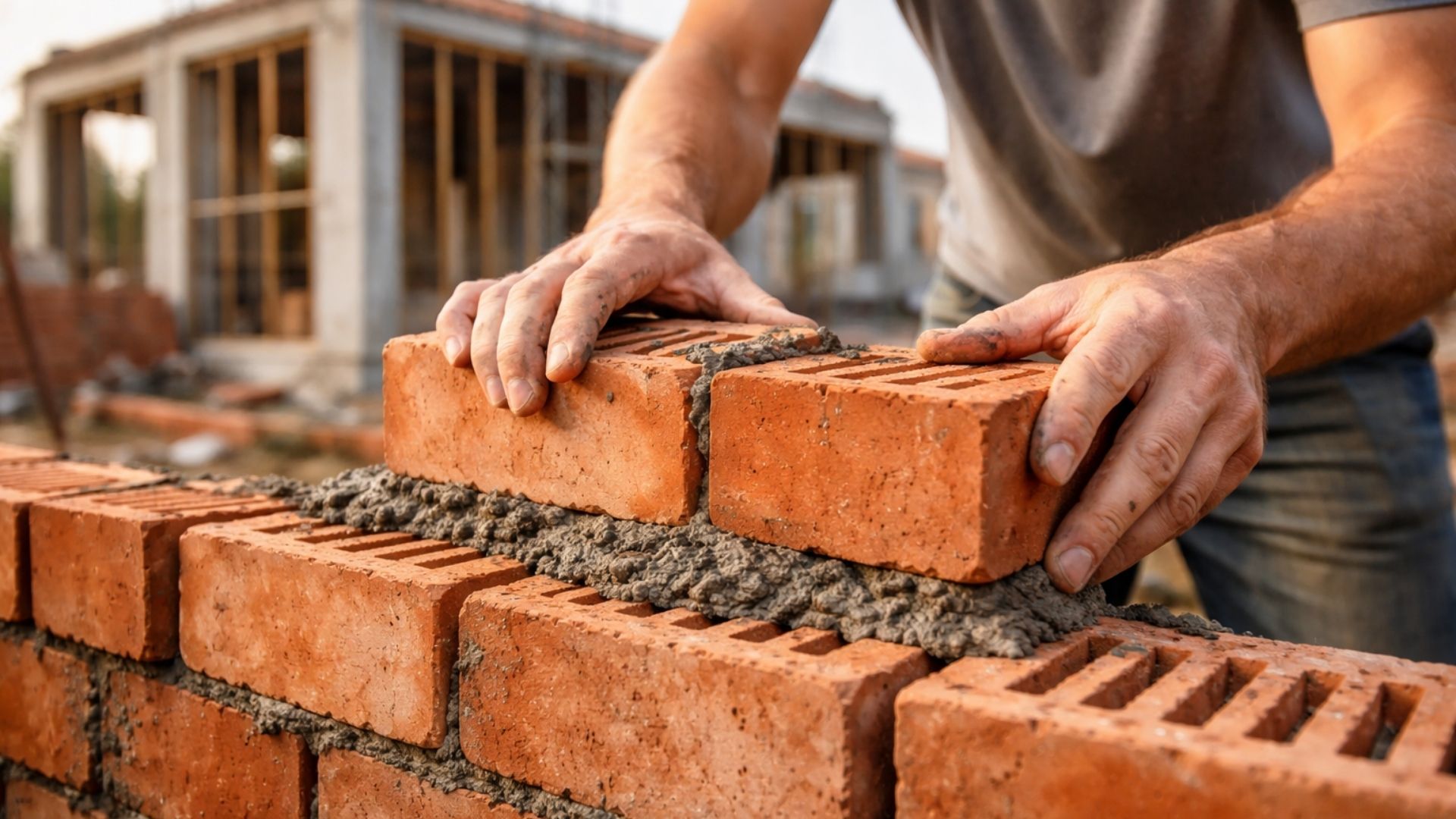
‘Interlocking brick’ made of earth arrives in the construction industry with cost reductions of up to 40% on the project.
-
Espírito Santo will receive the largest engineering project in its history with the duplication of BR 262, which will have 50 viaducts, 28 bridges, and 2-kilometer tunnels cutting through the most challenging mountainous region of the entire state.

-
A project of nearly 9 million reais already has the first kilometer paved in Santa Catarina and promises to completely transform the access between Jaraguá do Sul and Rio dos Cedros in an area where tourism is growing at a rapid pace.

“We will have a meeting with you in July at the University of Caxias do Sul about graphene,” said Feltrin. — “Onyx (Lorenzoni, Minister of the General Secretariat of the Government) is preparing (the visit),” confirmed Bolsonaro.
Graphene: The Future of Technology
Check out the video below where Prof. Dr. Diego Piazza, coordinator of UCSGraphene, answers and discusses graphene, UCS’s research, and the possibility of this compound becoming the next global technological revolution, with Brazil leading.


Graphene is a material that, being simply the thinnest and best conductor in the world, is considered the future of technology. Like diamond and coal, the material is one of the crystalline forms of carbon and is derived from graphite, whose reserves are abundant in Brazil, a country that has more than half of the world’s reserves. It was isolated for the first time in 2004 at the University of Manchester in England, and since then, it has become coveted worldwide.
These layers of graphite are very resistant, considering their thickness, being 200 times stronger than steel, thinner than a human hair, flexible, and practically transparent.
When isolated and used correctly, graphene gains incredible possibilities of use and is therefore seen as the solution to various problems in the area of technology: from the replacement of rare and scarce materials to lowering costs for consumers.
The revolutionary compound can be used in almost everything, from electronic devices with resilient and flexible screens to batteries energized in seconds, automotive parts, sports equipment, and even artificial skin and organs. There are several and already advanced research in almost all sectors, such as: aerospace, naval, military, medicine, batteries, electric vehicles, solar panels, blades and wind turbines, nanochips, replacement of fiber optics, armor, bulletproof vests, and many others, especially those that utilize cutting-edge technology.
Brazil Can Position Itself as a Leader in This Market
Since March 2020, the technological park of the University of Caxias do Sul (TecnoUCS) has housed UCSGraphene, considered the largest graphene production plant in Latin America, with a capacity to produce five tons per year of the product. By comparison, the MGGrafeno project, one of the pioneers in the country, in Minas Gerais, whose plant has been operating since 2018, reaches a volume of about 300 kilograms of the substance per year.
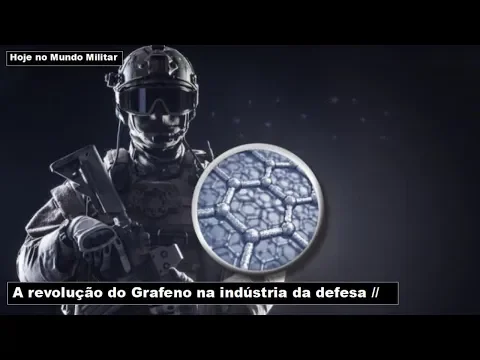
The applications of graphene can also revolutionize the Defense Sector. The video below, although older and prior to the commercial production of graphene in RS, explains some of the compound’s uses in this sector:
Niobium and Graphene: Brazil and Japan Sign Cooperation Agreement to Explore Production and Use of Minerals
Brazil and Japan signed a Memorandum of Cooperation in the Field of Technologies Related to the Production and Use of Minerals and to provide a more structured cooperation in the future, including potential joint projects.
“The goal of the bilateral document is to deepen mutual understanding to explore cooperation in the value chain of products that use niobium or graphene and to provide a more structured cooperation in the future, including potential joint projects,” highlights the Ministry of Foreign Affairs in a statement.
Niobium, a strategic mineral for Brazil, in which the country is the largest producer in the world and responsible for approximately 86% of production, currently counts Japan as one of the main importers of ferroniobium alloy (9.6% of what is exported by Brazil).
Understand What Niobium and Graphene Are, The “Economic Solution” for Brazil
The material often mentioned by Bolsonaro was discovered in 1801 by the Englishman Charles Hatchett, niobium is the lightest of the refractory metals, used primarily in ferroalloys, so powerful that it is used at a scale of 100 grams for every ton of iron.
The use of the material varies in gas pipeline tubes, airplane engines, rocket propulsion, and even optical lenses. It is highly resistant to high temperatures and corrosion. Niobium, number 41 on the periodic table, is abundant in Brazilian soil.
Graphene, which is also another support point for Bolsonaro, is one of the crystalline forms of carbon, like diamond and graphite, and can replace plastic and also silicon, meaning graphene is a material made up of an extremely thin layer of graphite. In practice, graphene is the strongest material (200 times stronger than steel), lighter and thinner (one atom thick) that exists, according to studies from the University of California.







-

2 pessoas reagiram a isso.