





 Portuguese
  English
  Spanish
  3 min of reading
  0 comments


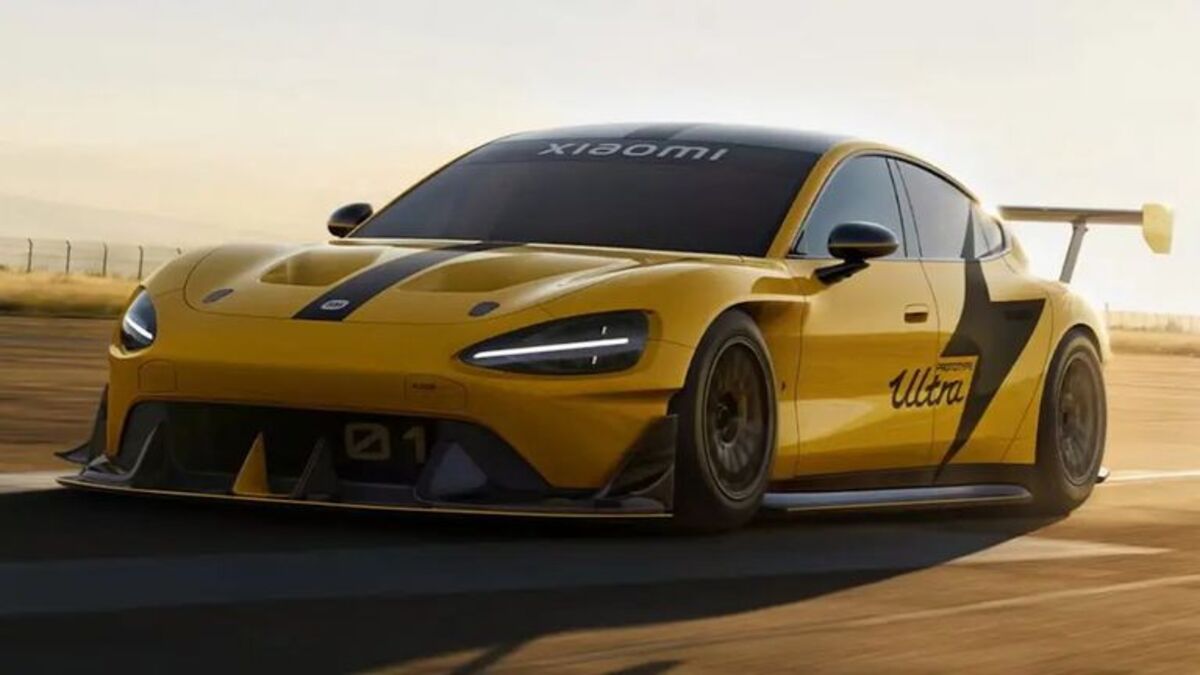
Technology Giants Enter the Race for Electric and Autonomous Cars, with Strategies Ranging from Sports Sedans to Robotaxis
The automotive market is changing. With the popularization of electric cars, technology companies have begun to compete with traditional automakers. Some already have cars on the streets. Others prefer to develop only driving systems. The competition is open and each brand is betting on different strategies.
Xiaomi Surprises with Powerful and Affordable Car
Among the technology giants, Xiaomi is one that has captured a lot of attention. The Chinese brand launched the SU7, a sports electric sedan that quickly went viral on social media. Despite being only 14 years old, Xiaomi already operates in various sectors. Now, it is betting on the automotive market.
The SU7 was designed to compete with models like the Porsche Taycan, but at a lower price. The top-of-the-line version costs ¥659,500 in China, while the Taycan starts above ¥700,000.
-
The German economist Wolf-Peter Schill has no doubts: “Electric cars are already far superior to cars with internal combustion engines.”

-
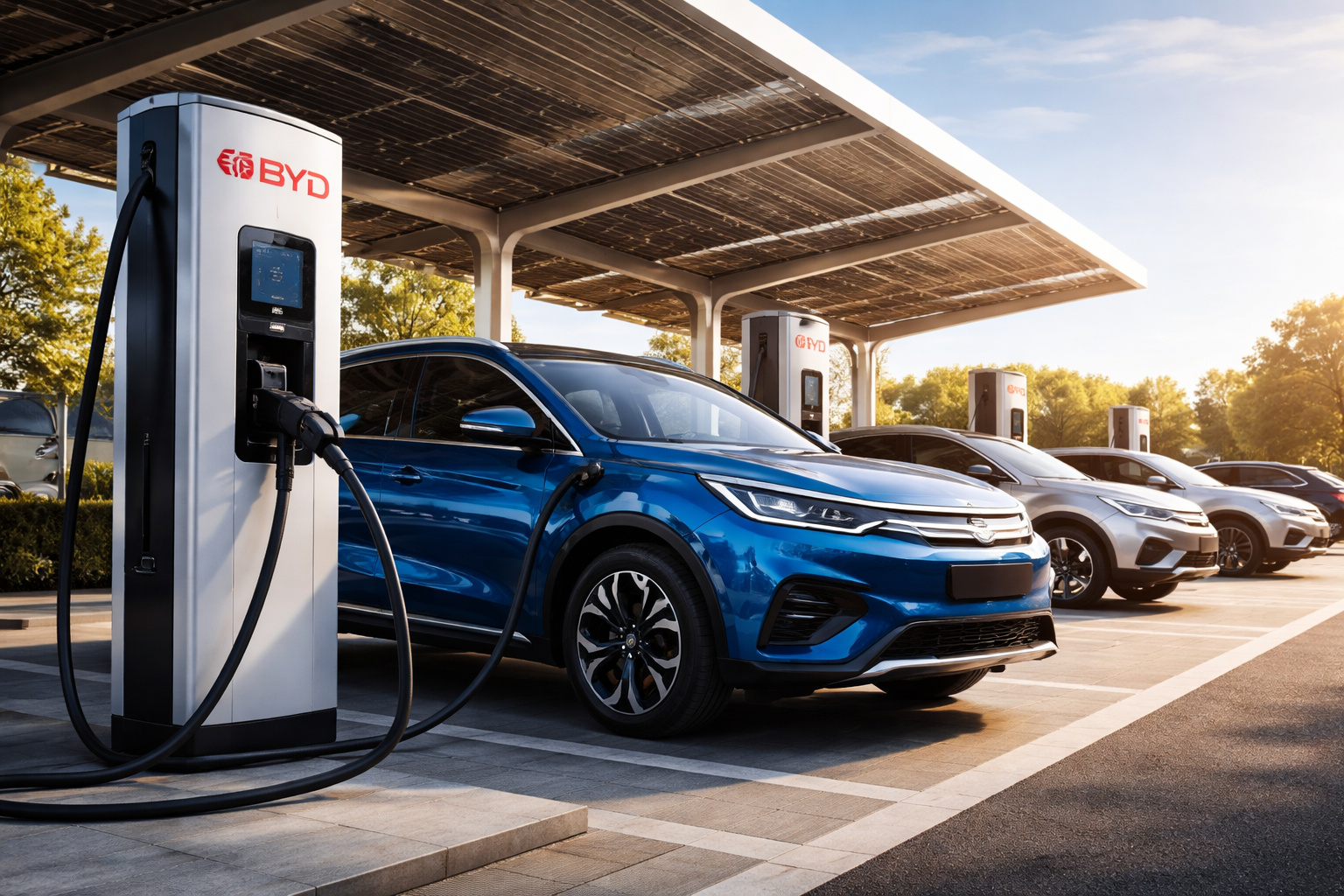
Largest public charging network in Brazil: BYD reaches 125 fast chargers and accelerates national expansion of electric mobility.
-
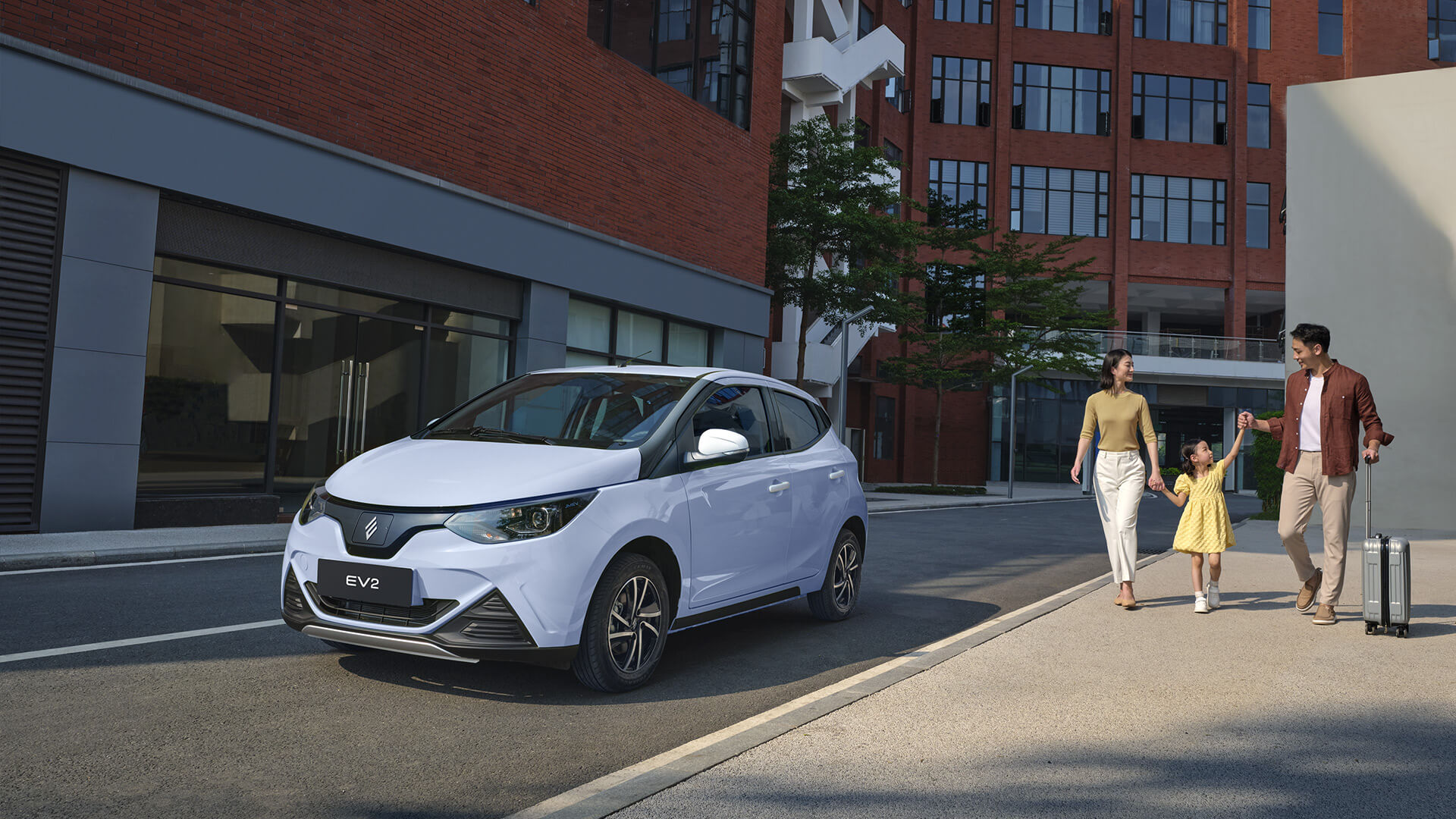
Goodbye expensive popular car: electric vehicle for less than R$ 70,000 starts being sold in Brazil with a range of 200 km and targets those looking to escape gasoline.
-
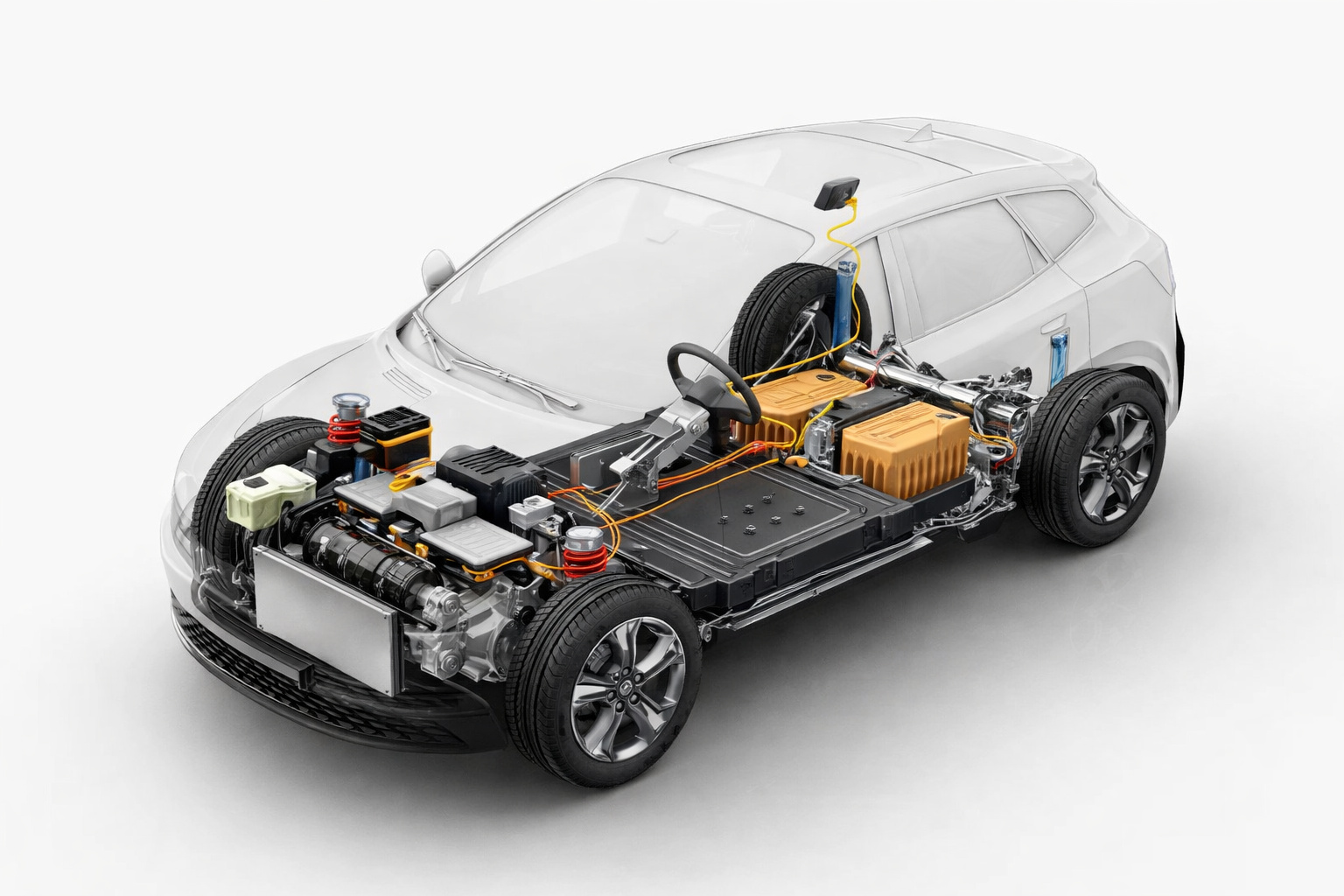
China Surprises Automotive Industry With Battery That Promises Electric Car Able to Run Up to 1,000 km Without Recharge

There are four available versions: SU7, SU7 Pro, SU7 Max, and SU7 Ultra. The most powerful version delivers 1,547 hp. This model has even set records at the Nürburgring track.
With its success, Xiaomi confirmed the launch of a new car in July 2025. It is the YU7, an electric SUV with over 700 hp. The idea is to expand beyond China and solidify its global presence.
Google Invests in Autonomous Cars through Waymo
Unlike Xiaomi, Google does not manufacture vehicles. Its focus is on autonomous driving systems. Through its subsidiary Waymo, the company offers robotaxi services in U.S. cities such as Los Angeles, Phoenix, and San Francisco.
These cars use sensors, radars, and artificial intelligence to operate without drivers. Recently, Google partnered with Zeekr, a Chinese vehicle brand, to enhance its technologies.
Sony and Honda Create Brand for Electric Cars
On another front, Japanese Sony partnered with Honda. Together, they created a joint venture called Sony Honda Mobility, announced in 2022. The union of the two brands resulted in the creation of Afeela, a new brand of electric and tech-savvy cars.
The first model from Afeela will hit the market in 2026. So far, the highlight has been the Vision-S concept, an electric sedan with a futuristic look. The car will feature 45 cameras and sensors, offering level 3 semi-autonomous driving. There are still not many details about the model.
Apple Cancels Project and Dismisses Team
Apple also attempted to enter this market. In 2014, the company launched Project Titan, intending to create an electric and autonomous car. It even partnered with Volkswagen. However, in 2024, the project was discontinued.
With the cancellation, about 600 employees were laid off. Currently, Apple remains in the automotive sector only with Apple CarPlay, a connectivity system that integrates iPhones with vehicle dashboards.
Other Companies Continue Betting in the Sector
In addition to the mentioned giants, other brands are also eyeing this new market. The Chinese companies Baidu and Huawei have already announced heavy investments in electric mobility. Amazon, in turn, is directly involved with Rivian, an American electric car manufacturer.
The entry of these companies shows that the automotive sector is undergoing a transformation. The focus on electric energy, artificial intelligence, and connectivity has become a priority.
Even with different strategies, all these companies share a common goal: the desire to lead the next generation of vehicles.
Information from Canal Tech.







-

Uma pessoa reagiu a isso.