





 Portuguese
  English
  Spanish
  5 min of reading
  0 comments


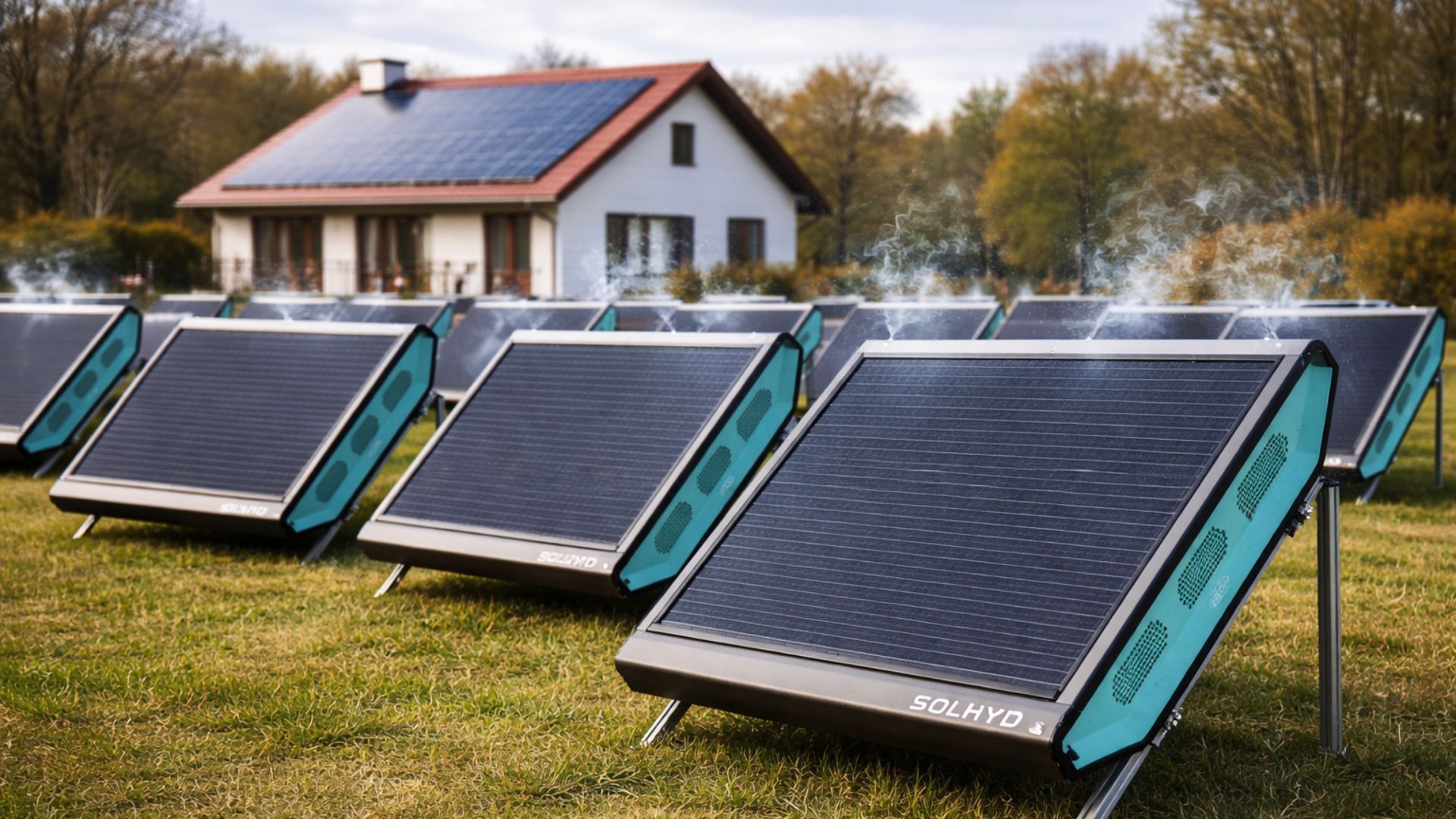
Discover how a new technology developed in Belgium allows solar panels to generate green hydrogen using moisture in the air, creating an innovative solution that can accelerate the global energy transition.
The global race for clean solutions has just received a promising boost from Belgium. A new technology developed by the company Solhyd allows solar panels to produce green hydrogen directly from moisture in the air, without the need for connection to liquid water sources. According to Olhar Digital, this innovation emerges as a practical and efficient alternative to boost the energy transition in different regions of the world.
Right from the start, what stands out is the autonomy of the system. By combining solar capture with atmospheric vapor extraction, the equipment operates independently, reducing operational costs and expanding access to clean energy. In a global scenario marked by decarbonization goals, this solution can contribute to changes in how energy is produced and consumed.
How the new technology transforms solar panels into producers of green hydrogen
The basis of this innovation lies in the integration of processes that were previously separate. Traditionally, the production of green hydrogen requires purified water and complex electrolysis systems. With this new technology, everything happens within a single module.
-
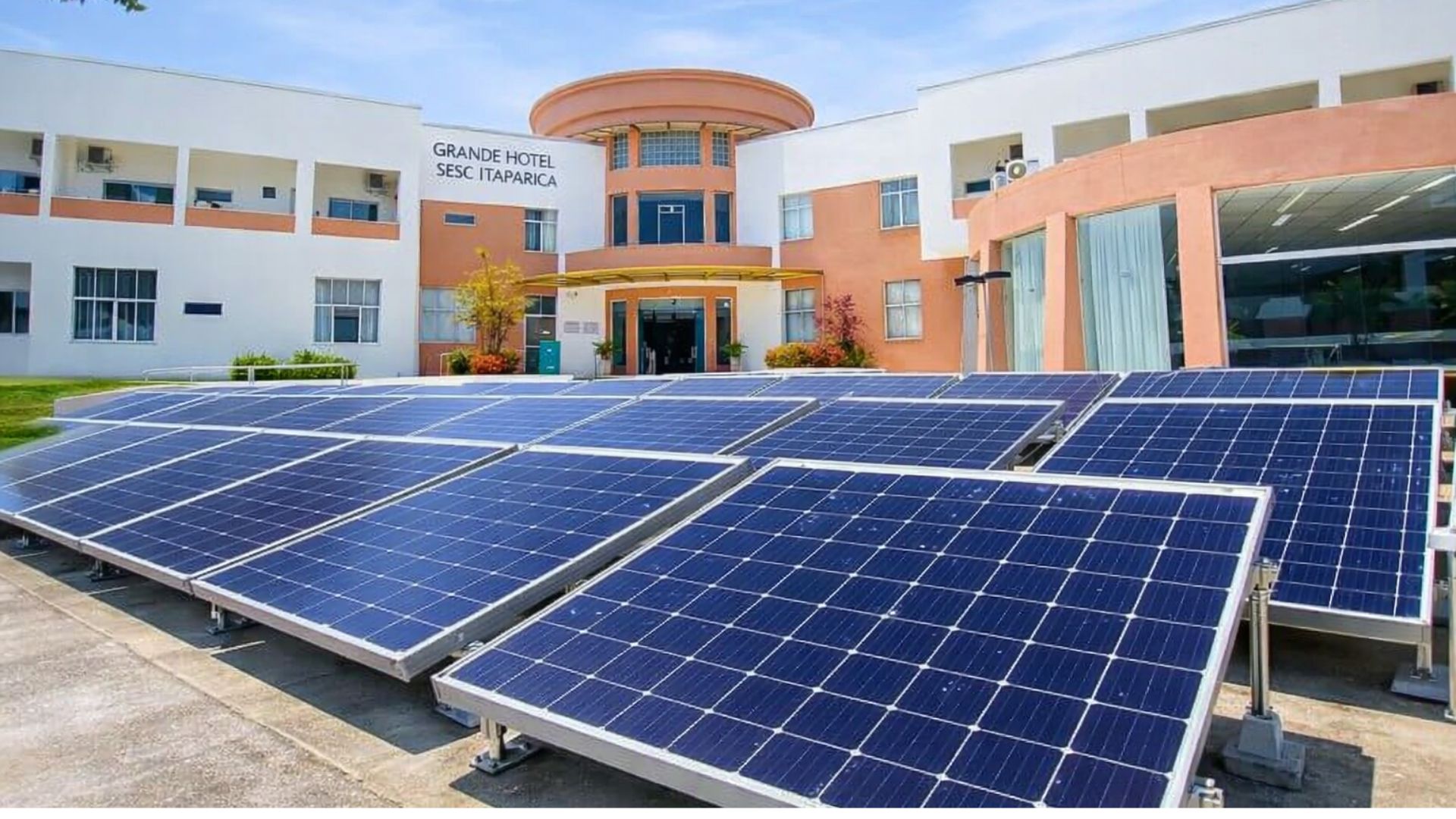
Sesc-BA bets on renewable energy with the support of EDP and drives the energy transition with a direct impact on cost reduction and the sustainability of its operations in Bahia.
-
Technology giant breaks global sustainability records: How Amazon’s leadership in renewable energy procurement transformed the global energy market in the past year.

-
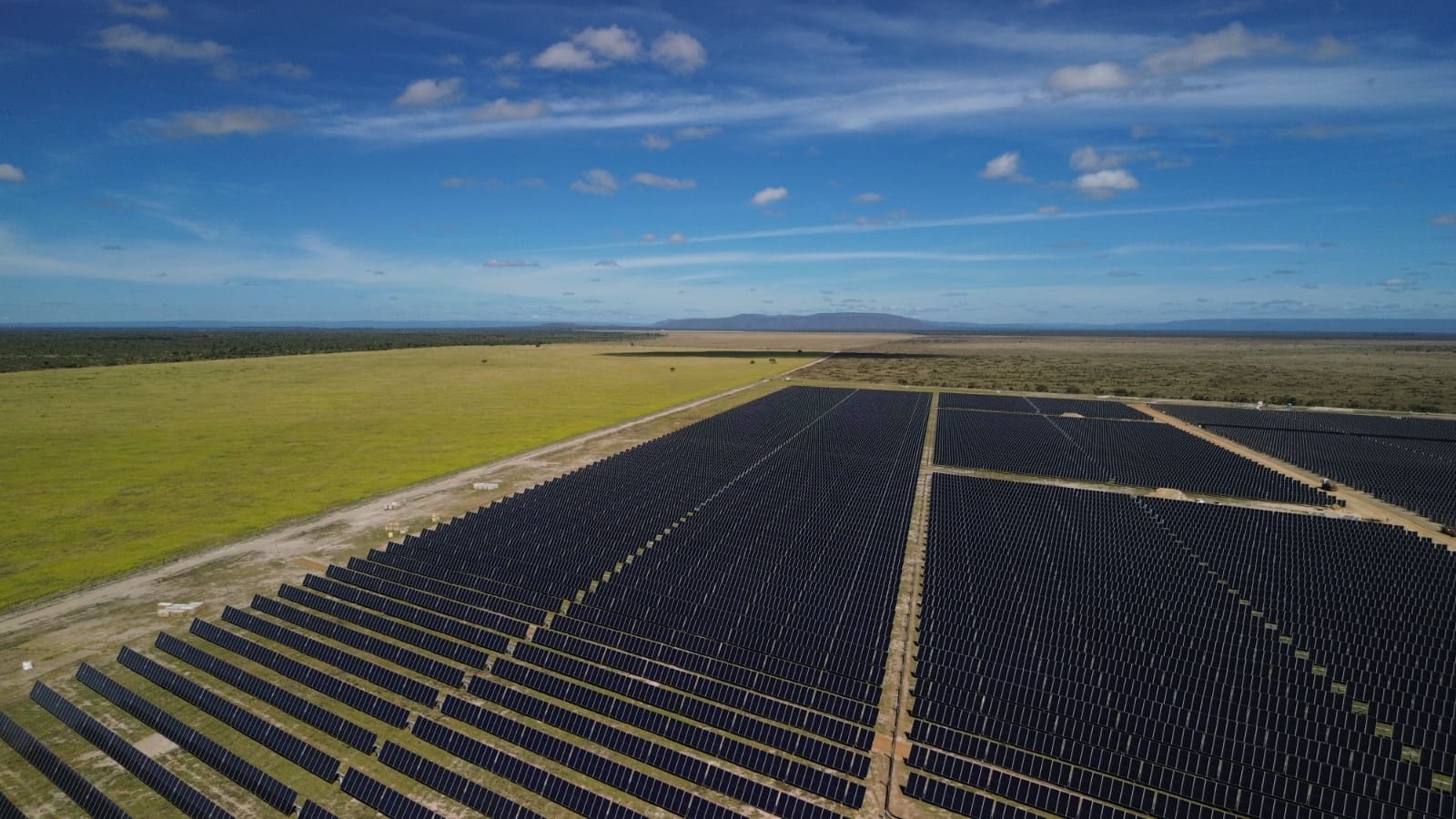
Alert in the electric sector: Atlas Renewable Energy confirms billion-dollar investment and Brazil risks losing a share of the new investment in Latin America to neighboring countries.
-
Billion-dollar partnership in clean energy: The advancement of decarbonization in Japan opens doors for Brazil to become the world’s largest supplier of green hydrogen and ammonia.


The system operates through three main steps:
- Solar light capture through high-efficiency solar panels
- Absorption of moisture in the air through advanced hydrophilic membranes
- Conversion of captured water into hydrogen through integrated electrolysis
This approach eliminates the need for water infrastructure and simplifies the entire production process. In practice, the panels cease to be just electricity generators and begin to act as small decentralized chemical plants.
Another important point is the ability for continuous operation. Even in variable environmental conditions, the system maintains stability, which reinforces its potential within the energy transition.
Why this innovation can accelerate the global energy transition
The advancement of this new technology is not only in technical efficiency but also in the impact it can generate on a global scale. Today, one of the main barriers to the growth of green hydrogen is the logistical cost, especially in transportation and storage.
By allowing production at the point of consumption, solar panels drastically reduce this dependency. This creates a new, more decentralized and resilient energy model.
Moreover, using moisture in the air as a resource eliminates pressure on potable water sources, a critical factor in various regions of the planet. This differential makes the technology especially relevant for countries with water scarcity.
Among the main gains, the following stand out:
- Significant reduction in carbon emissions
- Production of clean energy without toxic waste
- Less dependence on centralized infrastructure
- Encouragement of energy autonomy
This set of benefits positions green hydrogen as one of the most promising pillars of the energy transition in the coming decades.


Real applications of green hydrogen generated by solar panels
The versatility of this technology allows its application in different sectors, expanding its economic and environmental impact.
In residential settings, solar panels can be used to generate green hydrogen for heating, electricity production, and energy storage. This paves the way for greater residential energy autonomy.
In the industrial sector, local hydrogen production reduces operational risks and costs associated with high-pressure transportation. Chemical and metallurgical industries can directly benefit from this change.
In rural or isolated areas, where access to infrastructure is limited, the combination of solar energy and moisture in the air can replace diesel generators, contributing to a more inclusive energy transition.
Among the most relevant applications, the following stand out:
- Fueling hydrogen-powered vehicles
- Use in intensive industrial processes
- Energy generation in remote communities
- Support for agribusiness in isolated regions
This diversity of uses reinforces the transformative potential of the new technology.
Proven efficiency even in regions with low humidity
One of the main questions regarding the use of moisture in the air in energy production relates to efficiency in dry climates. However, the engineers responsible for the project claim that the system was designed to operate even in adverse conditions.
The membranes used have a high capacity for absorbing water molecules, allowing operation even when relative humidity is low. This significantly expands the reach of the technology.
This differential is strategic for regions like the Brazilian Northeast, where there is high solar incidence but limitations in access to water. In these scenarios, solar panels can operate efficiently, producing green hydrogen without compromising natural resources.
Moreover, this adaptability reinforces the role of technology as an essential tool in the energy transition, especially in developing countries.
System structure and the components that make the technology viable
The innovation developed by Solhyd is based on an integrated structure that brings together different components in a single system. This combination is what ensures efficiency and autonomy.
The main elements include:
- Photovoltaic module responsible for electricity generation
- Water membrane that captures moisture in the air
- Integrated electrolyzer that performs molecular separation
Each component plays a fundamental role in the production of green hydrogen, ensuring that the process occurs continuously and safely.
Another relevant point is the modular design, which allows installation at different scales. From small homes to large industrial projects, the technology can be adapted as needed.
Industrial scale testing and expectations for the next five years
Currently, the technology is being tested in a pilot plant in Belgium, where hundreds of units are operating simultaneously. These tests are essential to validate performance under real conditions.
According to project information, engineers monitor real-time data to assess efficiency, durability, and stability of the system. The goal is to ensure that solar panels maintain consistent performance over time.
The sector’s expectation is that within the next five years, this new technology will become commercially viable on a large scale. This timeline aligns with the global growth of investments in green hydrogen and solutions aimed at the energy transition.
With international pressure for emission reductions and the advancement of climate policies, technologies that utilize abundant resources like sunlight and moisture in the air are likely to gain more space.
What this innovation represents for the future of clean energy
The emergence of this technology marks a turning point in how energy can be produced and distributed. By transforming solar panels into generators of green hydrogen, the solution expands the role of solar energy within the global energy matrix.
More than a technical evolution, it represents a paradigm shift. The possibility of producing clean fuel from moisture in the air eliminates historical barriers and brings clean energy closer to the end consumer.
The new technology also strengthens decentralization, allowing homes, businesses, and communities to have greater control over their own energy production. This reduces costs, increases efficiency, and directly contributes to the energy transition.
If the results observed in Belgium are confirmed on a large scale, this solution has the potential to become relevant in the coming years, helping to build a more sustainable, accessible, and resilient energy system.







Seja o primeiro a reagir!