





 Portuguese
  English
  Spanish
  4 min of reading
  24 comments


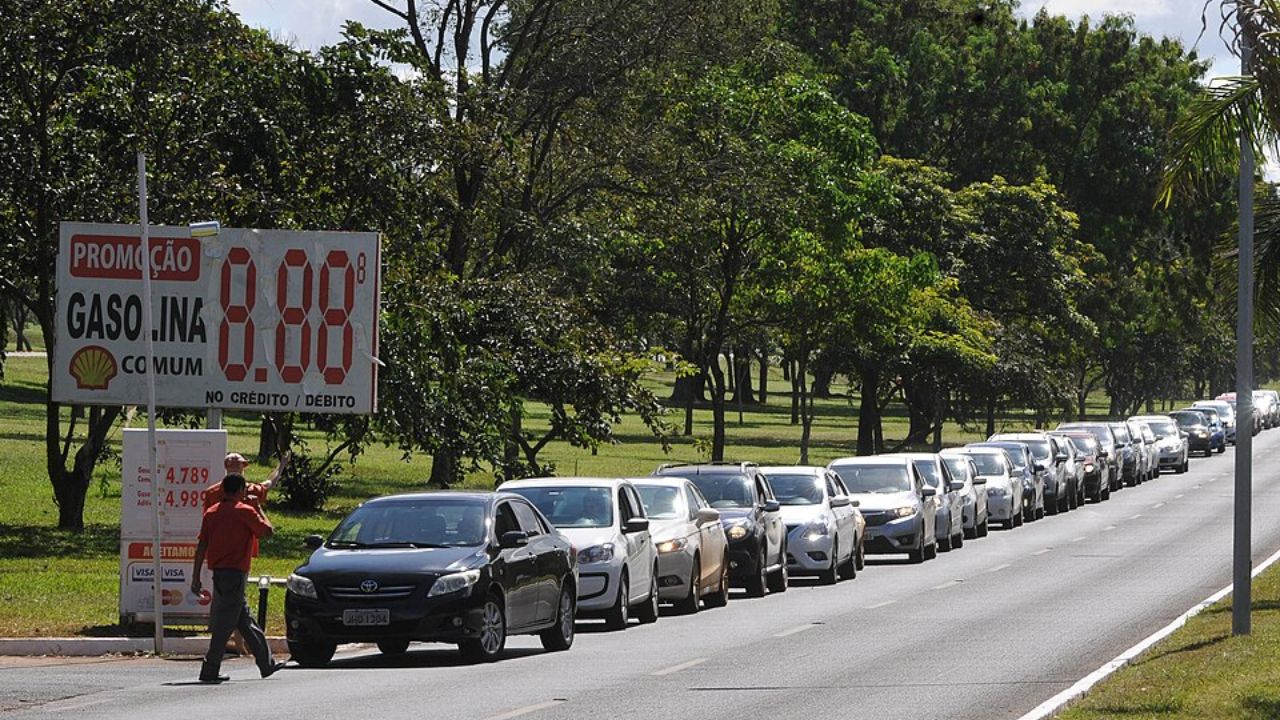


Truck Drivers’ Strike Scheduled for Day 4 Raises Alarm for Shortages, Price Increases in Gasoline, Food, Medicines, and Impact on Transportation and Industry
The truck drivers’ strike scheduled for December 4 raises a red flag for consumers and the functioning of the economy nationwide. If the stoppage prolongs or is accompanied by roadblocks, gasoline, food, medicines, and basic products may become more expensive and harder to find in many municipalities.
In previous strikes, the country has already seen dry pumps, empty shelves, and families rushing to secure essential items. Now, with a new mobilization announced, the truck drivers’ strike brings the risk of shortages and widespread pressure on prices, affecting public transportation, industry, services, and small businesses.
Gasoline May Rise and Pressure the Cost of Living
Gasoline is typically one of the first items to feel the impact of the truck drivers’ strike. With the transportation of fuels hindered and reduced supply at gas stations, the trend is for an increase in gasoline prices whenever the truck stoppage prolongs.
-
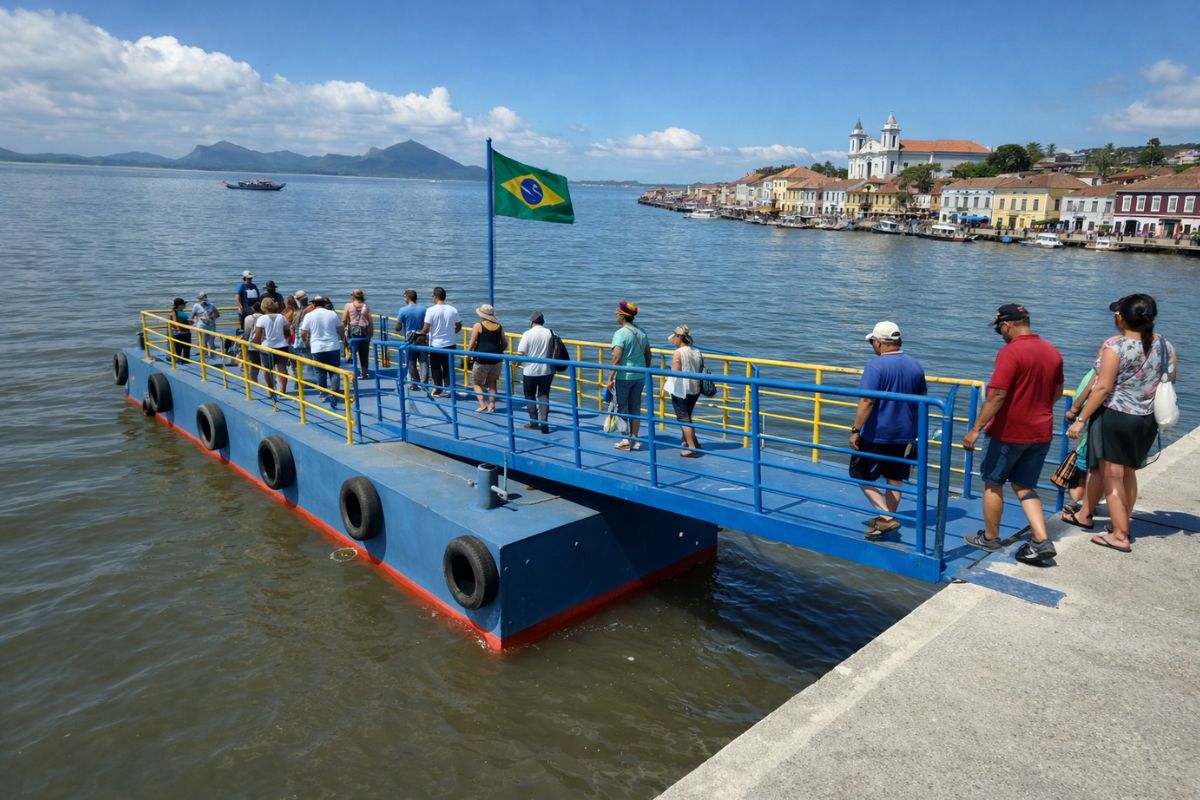
The bluest city in Brazil has just gained a new floating bridge for the free crossing between the island and the mainland, connecting residents and visitors to the historic center of São Francisco do Sul every day of the week.
-
In a silent race, Shopee signs a mega contract in Guarulhos and accelerates the e-commerce war with faster deliveries, pressured shipping, and a new threat to rivals in Brazil.

-
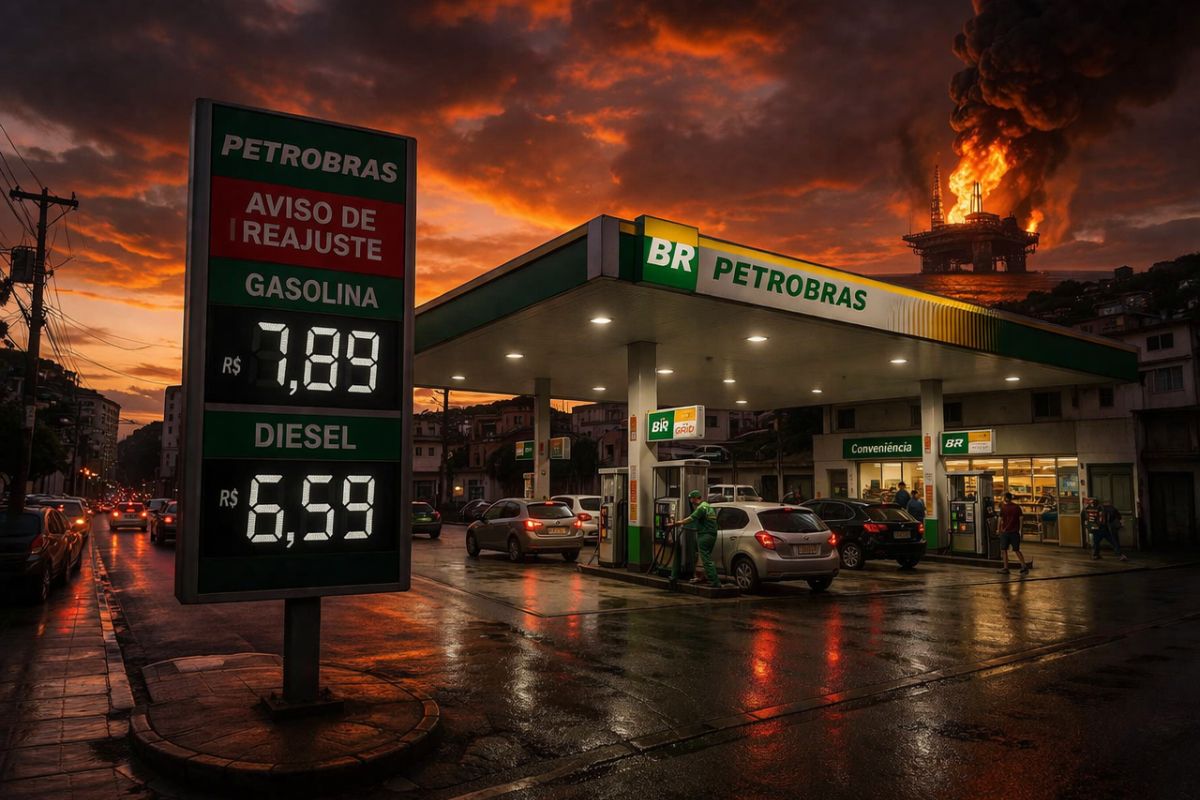
Oil surged to $115 a barrel due to the war in the Middle East, and diesel in Brazil has already risen to R$ 7.45 per liter, while the United States…
-
Brazilian city bets on the business environment to generate jobs and attract investments in the energy sector — secretary reveals strategy at Macaé Energy 2026.

In past mobilizations, there were instances where prices at the pumps skyrocketed, with reports of gasoline prices exceeding ten reais per liter in some locations, as stockpiles dwindled.
For those relying on personal cars, road transportation, or freight services, any increase in gasoline directly impacts their monthly budget and raises costs for travel, deliveries, and essential services.
Food and Basic Products at Risk of Shortages
The food supply chain in Brazil largely depends on road transportation. Fruits, vegetables, milk, meat, and other perishables arrive daily at supermarkets on trucks traversing roads across the country. In a truck drivers’ strike, prolonged stops and blockades can delay this replenishment.
In previous stoppages, there have been reports of empty shelves, quantity limits per customer, and sharp price increases on basic items, especially those that rely on quick delivery.
In the event of a new truck drivers’ strike, supermarkets, grocery stores, and bulk food markets may be forced to adjust prices due to a combination of reduced stock and increased immediate demand from the population.
Medicines and Health Services May Also Be Affected
The impact of the truck drivers’ strike is not limited to fuels and food. The distribution of medicines, hospital supplies, and products used in clinics and laboratories also relies on trucks on the roads.
If the stoppage affects pharmaceutical transport routes, pharmacies and hospitals may face difficulties in replenishing certain medications.
This applies to both ongoing medications and products used in emergencies and routine procedures.
In case of more severe blockades, the risk of delays in the delivery of medical supplies increases, raising further concerns for patients, healthcare professionals, and hospital managers.
Ripple Effect on Transportation, Industry, and Services
A prolonged truck drivers’ strike is likely to create a domino effect in the economy. The lack or delay of raw materials and supplies can halt production lines, reduce work shifts, and increase costs across various industrial sectors.
Public transportation, package deliveries, small industries, and businesses that rely on constant replenishment may also feel the impact on their routines and prices.
With higher freight costs and more uncertain timelines, the final cost of many products is expected to rise. This includes everything from manufactured items to services reliant on team or goods transportation.
The result is inflationary pressure that extends beyond the gasoline pump and permeates the entire production chain.
How to Prepare for the Effects of the Truck Drivers’ Strike
Given this scenario, the guidance is to act with caution and planning. Overstocking products could worsen shortages and lead to even higher prices, especially for perishable food items.
The ideal approach is to prioritize essential items, avoid impulse purchases, and seek local alternatives whenever possible, such as regional producers, markets, and small vendors.
It is also important to closely monitor news about the truck drivers’ strike, the situation on the roads, and announcements from supermarkets, pharmacies, and gas stations.
As the impact may vary from region to region, understanding the local reality helps in making more balanced decisions and reducing the risk of unnecessary expenses.
The truck drivers’ strike on day 4 still raises doubts about its duration, participation levels, and extent of blockades, but the potential impact on gasoline, food, medicines, and other sectors is already a concern for families and businesses.
Planning consumption and following the developments of the stoppage is the best way to navigate this period with fewer shocks.
And you, have you already organized yourself to face the possible effects of the truck drivers’ strike or do you think the stoppage won’t impact your routine that much?









A greve foi um sucesso. Para o Brasil e para os brasileiros. Só pararam os que precisaram fazer manutenção 😂😂😂😂😂
Essa paralização foi “sucesso de crítica, fracasso de público”. 😂
Chamem o Zé Trovão