





 English
  Francês
  Alemão
  Italiano
  Japonês
  Norueguês
  Portuguese
  Spanish
  4 min of reading


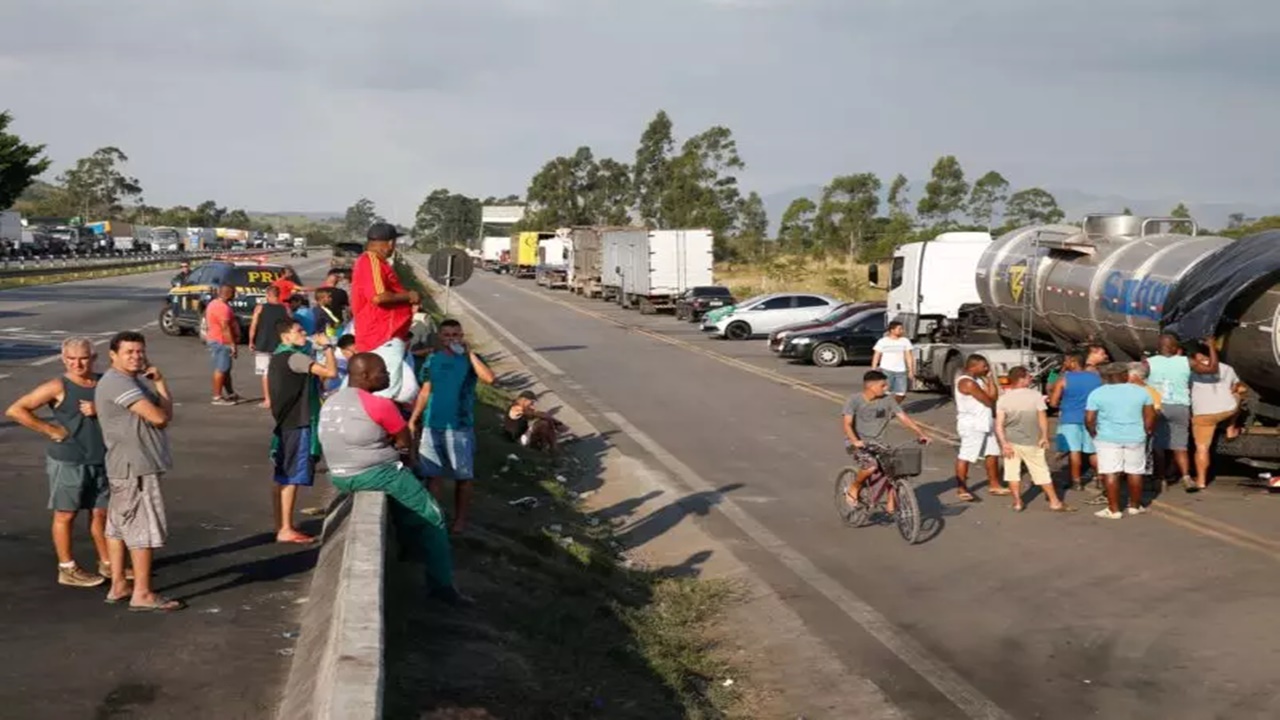
Truck Drivers Arm Strike Against New Diesel Price Hike and Constant Gasoline Price Surge at Gas Stations Practiced by Petrobras
After another increase in diesel prices, which saw an average rise of R$ 0.25 per liter yesterday (09/29), truck drivers are considering a new strike. The goal of this possible work stoppage is to pressure the government to lower fuel prices. The president of the Sindtanque of Minas Gerais, a union representing fuel transporters, stated in an interview with VEJA that protests could occur at any moment. However, the leaders consider this movement to be still isolated.
Read More
- Gasoline, Ethanol, Diesel, and CNG Price Increases Force Consumers to Abandon Combustion Engines, Shift to Electric Cars, and Electric Vehicle Sales Soar in Brazil
- Multinational MODEC Recruits Candidates Without Experience for Onshore Activities in Macaé (RJ); Job Openings Today (09/29) Are for Recent Engineering Graduates
- New Technology That Reduces Fuel and Tire Expenses Promises to Be the Solution to Increase Company Profits
- Gasoline Is Cheap, Costs R$ 1.95 at the Refinery; Federal Tax Has Been Fixed for Years but Does Not Prevent Constant Fuel Price Increases
Truck Drivers Do Not Want to Disclose the Strike Date to Avoid “Government Interference”
Irani Gomes informed VEJA that the entities do not want to disclose the strike date to avoid “government interference,” but that truck drivers are already “mobilizing to stop.” The mobilization occurs through a WhatsApp group that gathers union leaders, including Zé Trovão, who became famous for organizing the September 7 protests and whose preventive arrest is still decreed by Supreme Court Minister Alexandre de Moraes. Trovão has not yet spoken in the group, but Gomes believes he will support them soon, as this is a concern of his interest.
Ailton Gomes, president of Associtanque of Rio de Janeiro, stated that “this time there will be a national work stoppage promoted by fuel transport.” He confirmed that assemblies have already been held among truck drivers with support from the states of Minas Gerais, Rio de Janeiro, Espírito Santo, and São Paulo in support of the protests, which are expected to take place in the coming weeks.
-
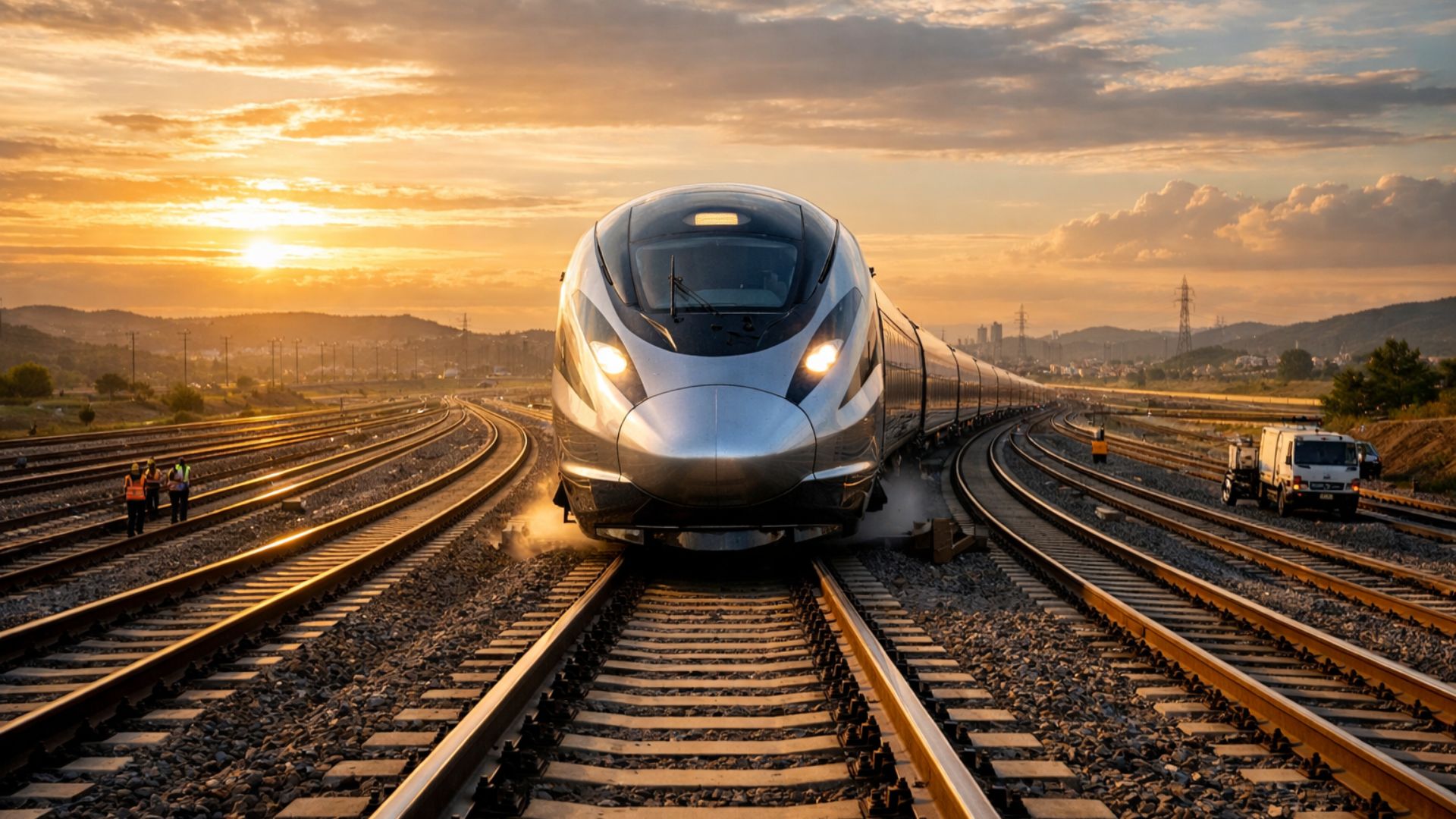
São Paulo surprises the world with a colossal railway network project that promises over 1,000 km of tracks, R$ 194 billion in investments, and 40 projects connecting the capital to the interior with fast and sustainable trains.
-
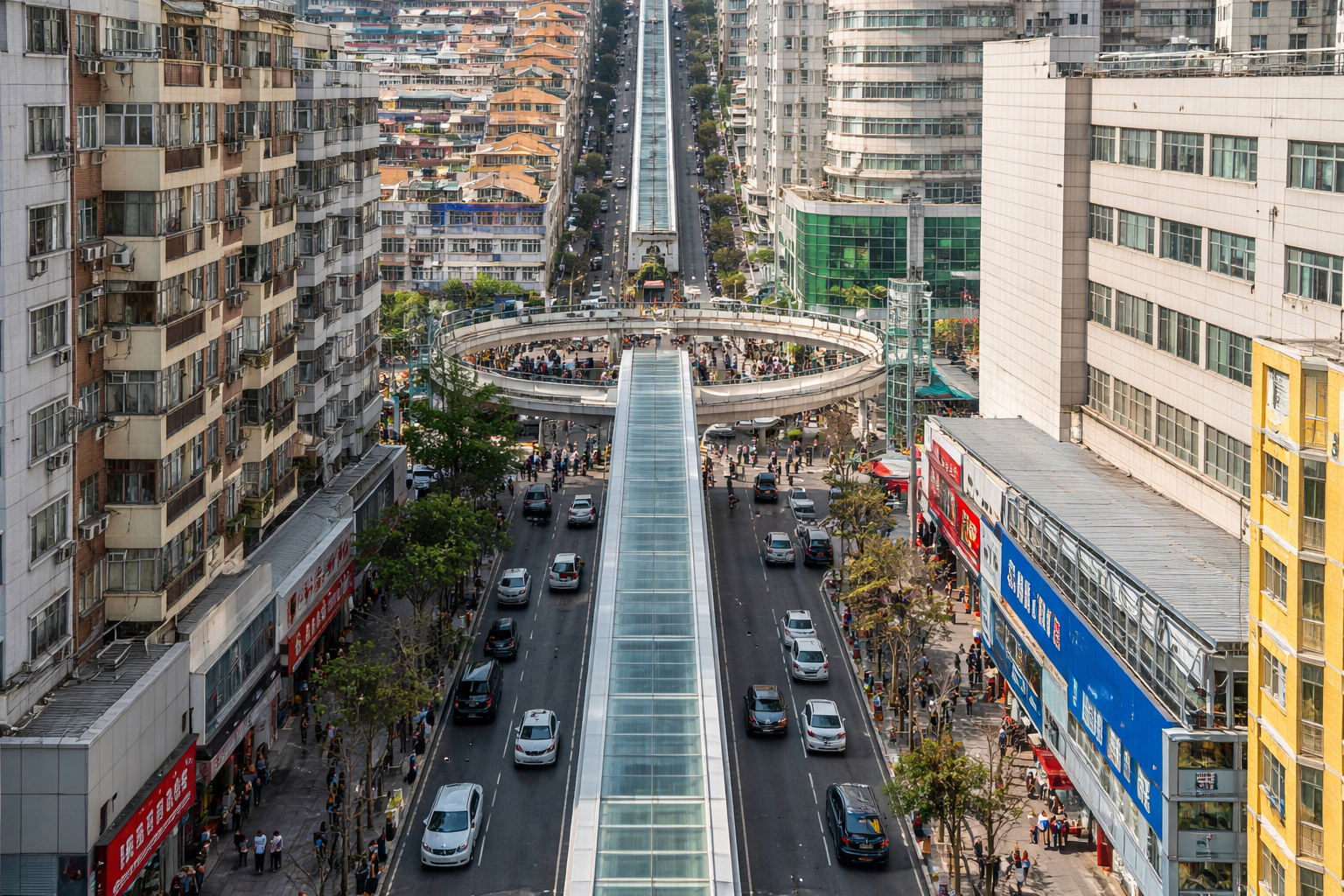
The world’s largest escalator, measuring 905 meters in China, reduces urban travel time from 1 hour to about 20 minutes and transforms mobility in mountainous regions with an engineering solution adapted to the terrain.
-
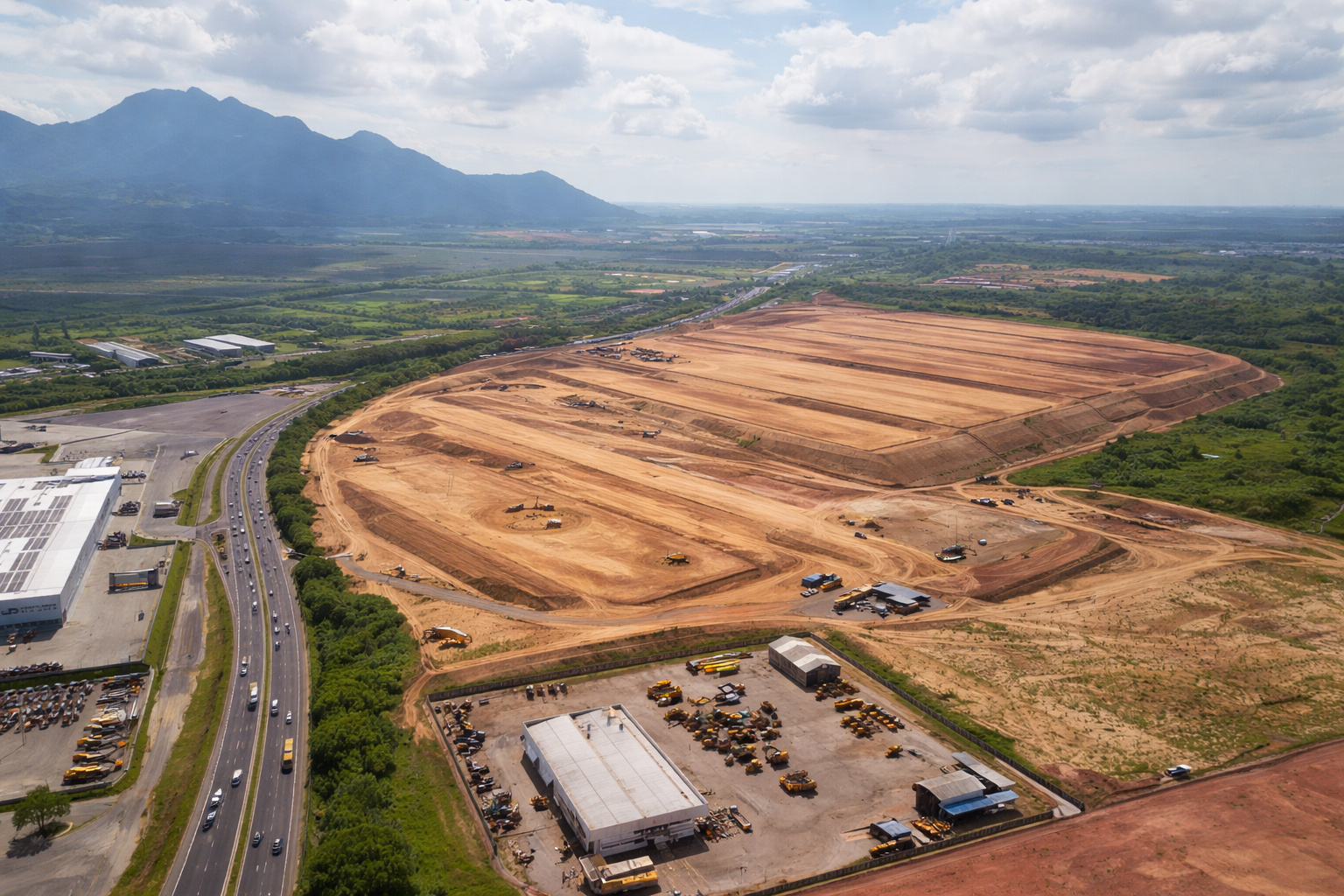
A R$ 300 million logistics giant is taking shape in Serra with over 100,000 m² and raises a question: how can this transform e-commerce and distribution in the state?
-
Could Uber Rides Lose Minimum Fare? Understand What’s Happening!


In an interview with UOL, the president of the National Council of Road Cargo Transport (CNTRC), Plinio Dias, states that the idea of a truck drivers’ strike will be discussed at the next meeting of the category leaders. The meeting is scheduled to happen on October 16 in Rio de Janeiro.
In 2018, Truck Drivers Held a Historic Strike Against Diesel Prices
The demands of truck drivers, who led a historic strike against diesel prices in 2018, continue amid constant complaints from President Bolsonaro about fuel costs.
In a letter sent to President Bolsonaro, the CNTRC asks that the government adopt taxation on crude oil exports “as an immediate measure,” while other requests should be analyzed, such as the end of efforts to maintain import parity.
“The resources from the taxation on crude oil exports could be used to compensate states and the union in reducing fuel taxes,” suggested the group of truck drivers.
Since Luna took office on April 19, Petrobras has only made one price adjustment (a rollback for gasoline and diesel), announced on April 30. The international scenario has contributed, as prices have stabilized somewhat.
Gasoline, Ethanol, Diesel, and CNG Price Surge Forces Drivers to Turn to Biometano Fuel; This Fuel Came to ‘Save’ and Ease Consumers’ Burden
As each day passes, the prices of gasoline, ethanol, and diesel rise, and thus, Brazilians working in passenger transport, such as taxi drivers and app drivers who used Compressed Natural Gas (CNG), are migrating to biometano, as CNG is also starting to weigh on their budgets. Biogas can be used without issues in vehicles equipped with gas kits.
Currently, only ten gas stations in Rio de Janeiro offer GNCbiometano (biogas), but according to Jorge Mathuiy, commercial director of the cylinder industry MAT, that number is expected to increase significantly by the end of the year, as biometano has a lower acquisition cost and is completely safe.
The major advantage of using biometano is that, in addition to providing greater autonomy, the fuel offers increased safety, as it is lighter than air, and in the case of a leak, the gas dissipates quickly, which reduces the risk of explosions and fires. While alcohol ignites at 200ºC, and gasoline at 300ºC, biogas requires a temperature above 620ºC to ignite.
Drivers still face challenges in identifying biometano at gas stations. A tip is to ask the attendant if the option is available or check the pump to see if the supplier is one of the companies distributing the fuel, for example, Neogás.









Seja o primeiro a reagir!