





 Portuguese
  English
  Spanish
  3 min of reading
  0 comments


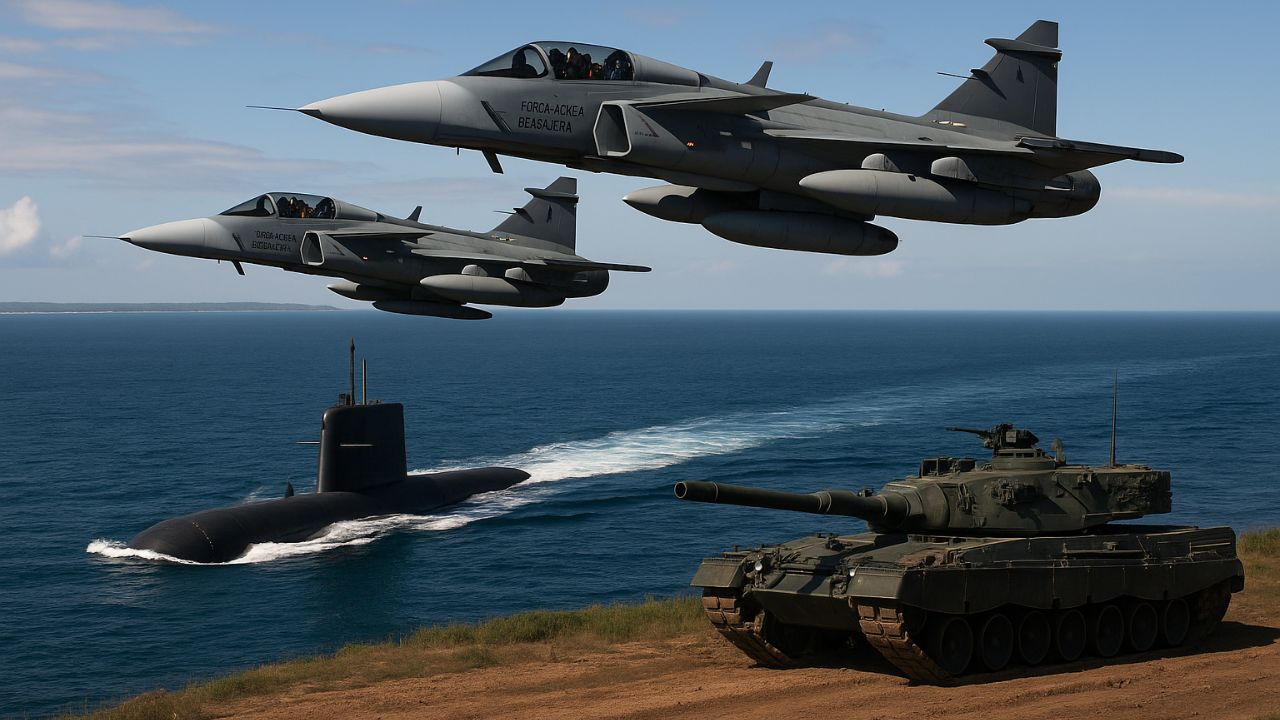
With R$ 30 Billion Extra, Armed Forces Prioritize Gripen Fighters, Nuclear Submarine, and Modern Missiles in Strategic Plan Until 2032.
The Brazilian Armed Forces — Naval, Army, and Brazilian Air Force (FAB) — are preparing for a historic modernization following the approval of a package of R$ 30 billion aimed at strategic projects for National Defense.
The investment, expected to be applied over six years, was approved by the Senate with a broad majority and now proceeds to the Chamber of Deputies.
The amount, which will remain outside the fiscal framework, will allocate R$ 5 billion per year to restructure the sector, which has long suffered from a lack of resources for maintenance and modernization of equipment.
-
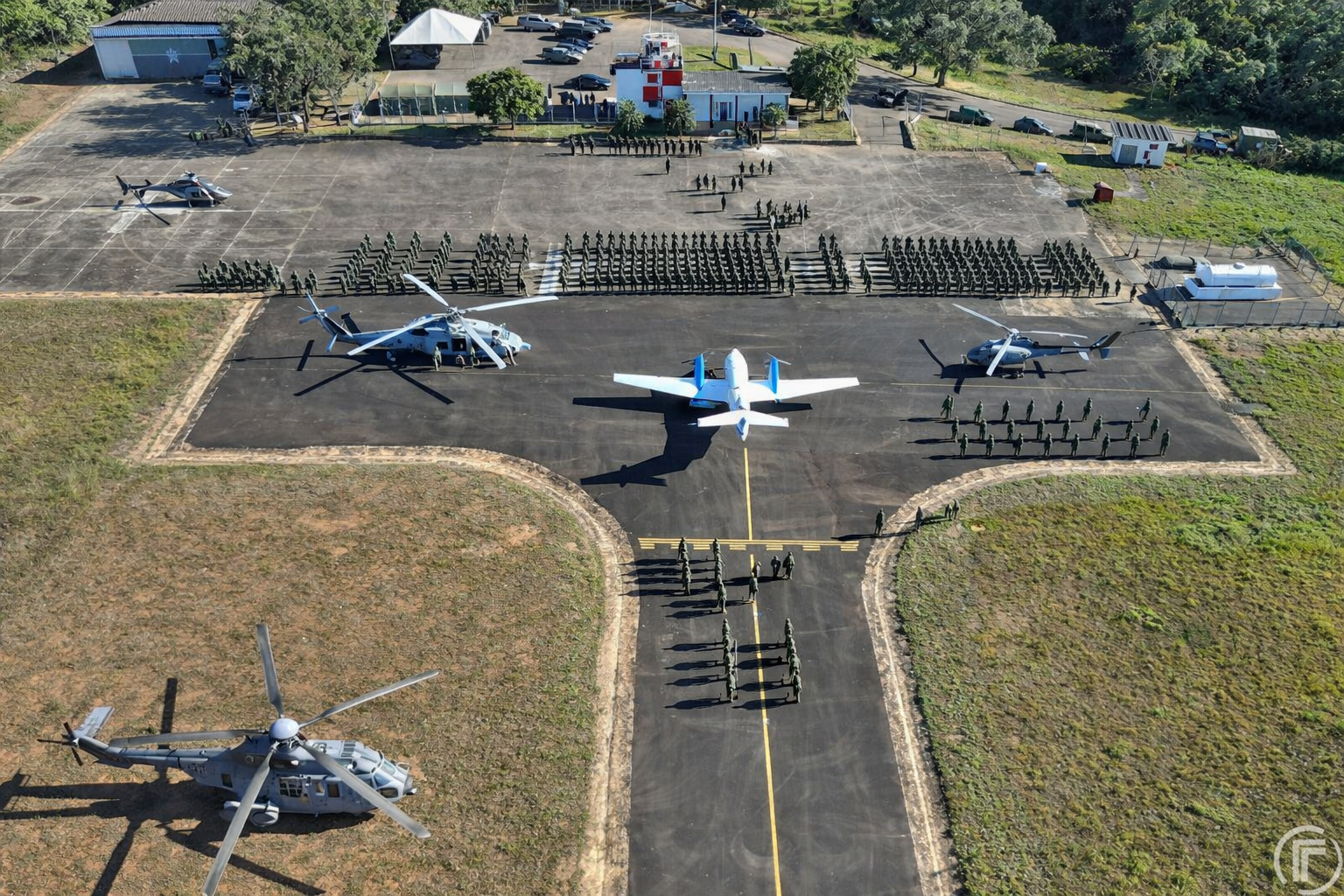
Furnas Airport is handed over to the Navy and becomes a strategic base with complete military operations, attack drones, and international mobilization at Furnas Lake.
-
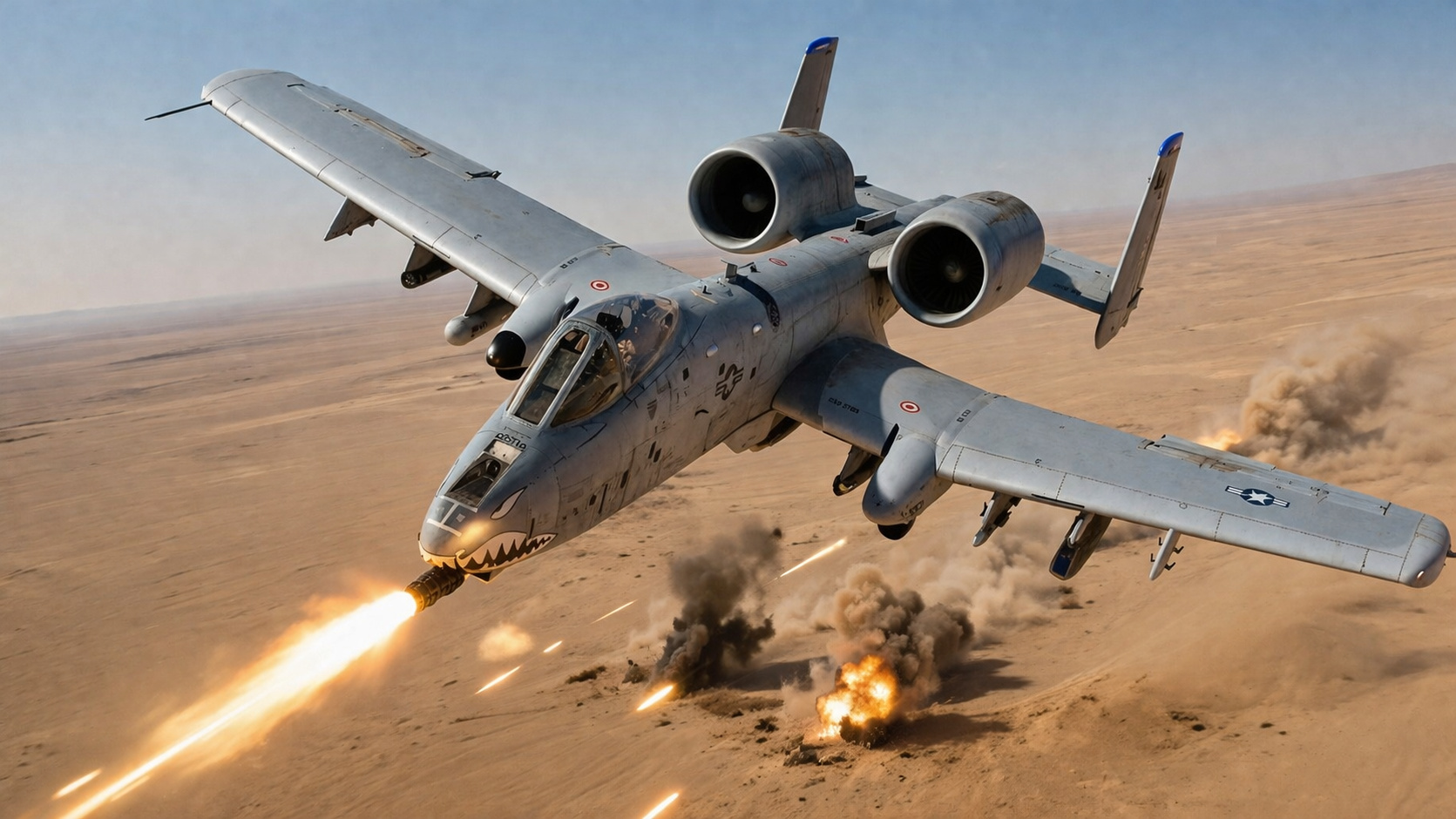
Few people know, but “mega burst” attacks from the A-10 in the Middle East are intriguing analysts and even experienced former pilots of the U.S. Air Force.
-
Manufactured in Brazil and exported to Saudi Arabia and Malaysia, the ASTROS system is renamed as Fogos in 2026, gaining AI, cruise missiles with a range of 300 km, and air defense costing R$ 3.4 billion, transforming a launcher from the 1980s into the most ambitious multidomain platform in Latin America.
-
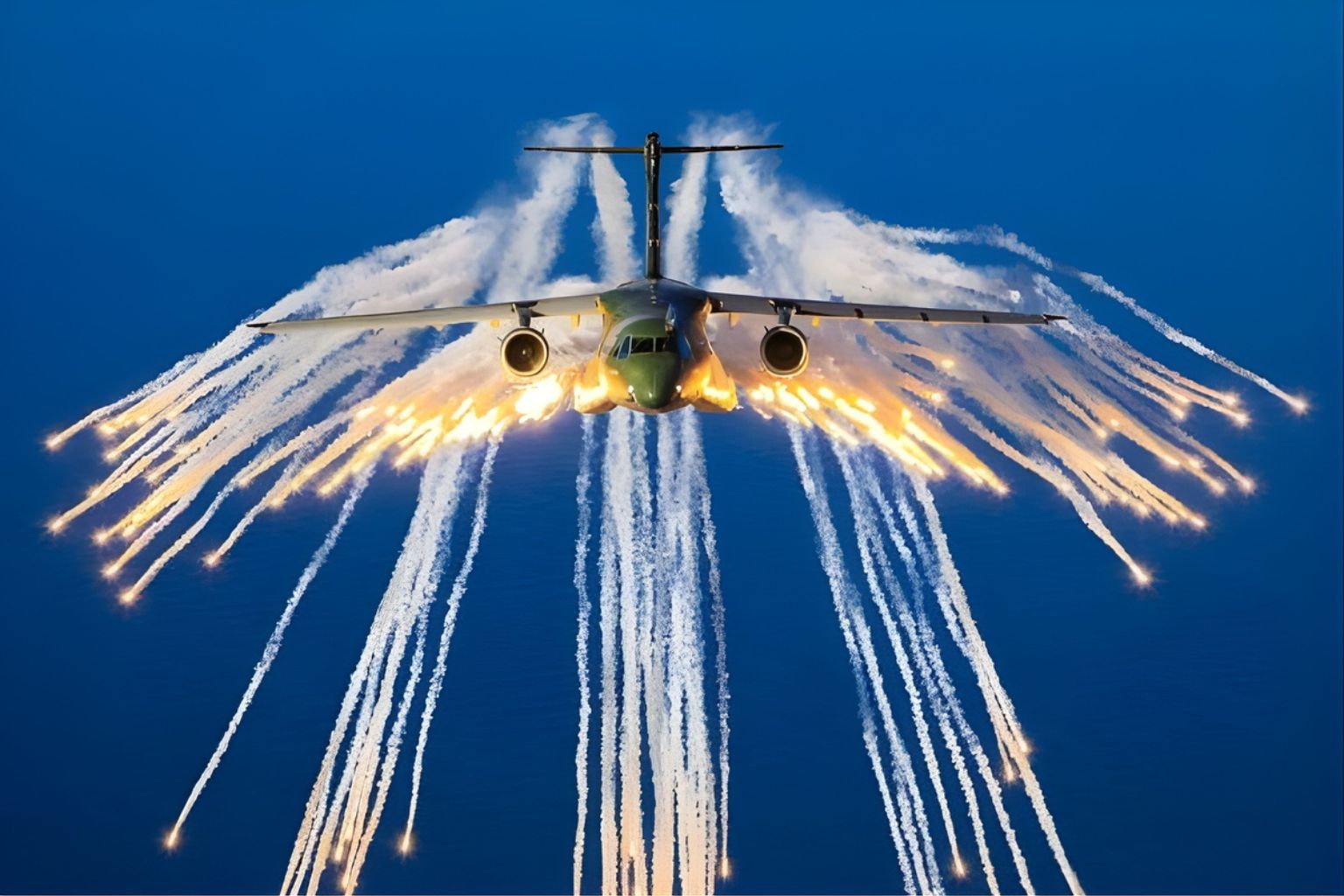
The largest military aircraft ever produced in Brazil, the KC-390 Millennium can carry up to 26 tons, refuel fighter jets in flight, and has already been exported to Europe and Asia, placing the country in the select group that designs and sells large military aircraft worldwide.
According to general officers heard in confidence, the mood within the Armed Forces is one of “excitement, relief, and optimism”, in light of the chance to recover the operational capacity lost over the past decade.
Defense Aims for International Standardization and Sustainable Investment
The plan is part of a broader strategy that seeks to align Brazil with the military investment standard of NATO, which allocates 2% of GDP to defense.
This goal, however, depends on the approval of the so-called PEC of Predictability, which will only be discussed after the 2026 elections.
In the meantime, the allocation of extraordinary resources is already beginning to be defined. Each force — Naval, Army, and FAB — has presented its priorities for the use of the billion-dollar boost, focusing on Gripen fighters, new ships, missile systems, and border defense.
FAB: Focus on Gripen, Drones, and Aircraft Maintenance
In the Brazilian Air Force (FAB), the priority is to complete the delivery of Swedish Gripen fighters, acquired in partnership with Saab.

The initial schedule anticipated completion by 2024, but, due to a lack of funding, it has been postponed to 2032.
So far, only 10 of the 36 Gripen fighters have been delivered. The new influx of resources will not only accelerate deliveries but also cover maintenance, modernization, and interest equalization — which, according to internal calculations, consume amounts equivalent to the purchase of up to five new aircraft.
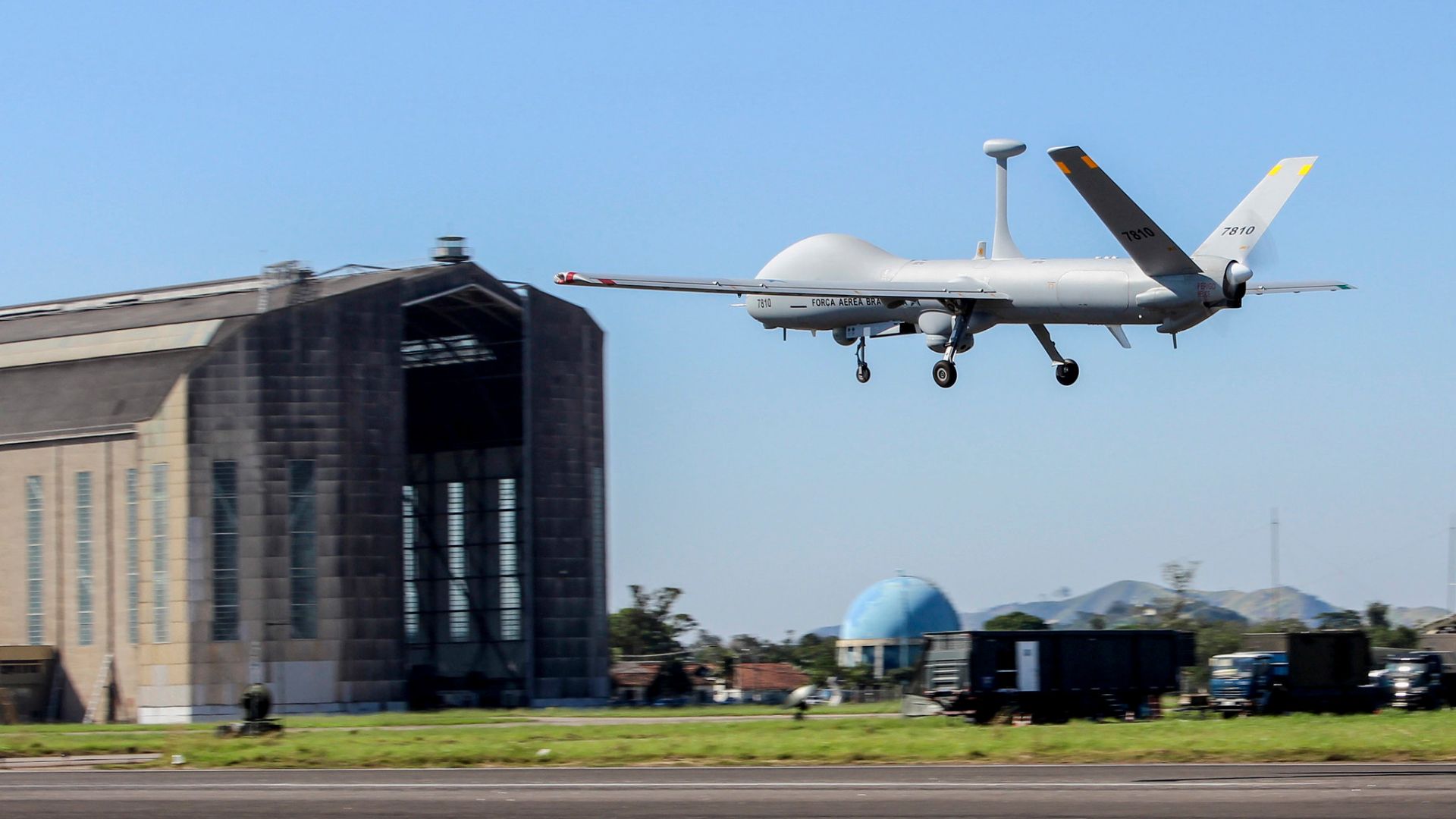
Another strategic point for the FAB will be the investment in high-tech drones, considered essential for surveillance and air defense missions.
This area is seen as one of the most underserved in the Brazilian military structure and will be a priority in the new modernization phase.
Navy: Nuclear Submarine and Defense of the Blue Amazon
The Brazilian Navy plans to allocate part of the resources to reviving the nuclear submarine program, a project deemed vital to ensure sovereignty in territorial waters.
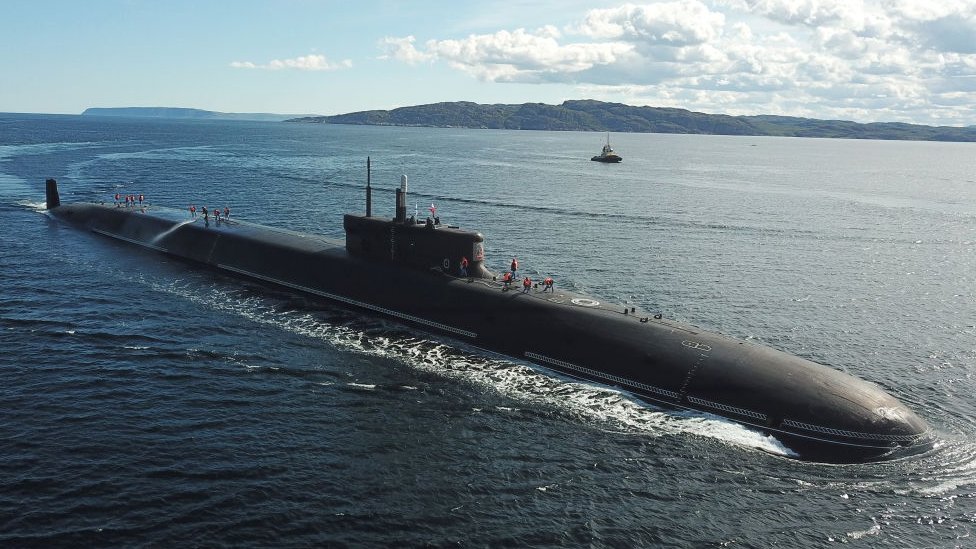
The progress of the initiative has been slow, primarily due to budget constraints.
Additionally, the Navy intends to renew its fleet with new frigates and expand the Blue Amazon Management System, which monitors the vast maritime area under national jurisdiction — responsible for more than half of Brazil’s territorial extension.
This region, rich in oil, minerals, and biodiversity, demands cutting-edge technology in radars, artificial intelligence, and data analysis for rapid threat detection.
The first surveillance unit, located in Ilha Grande (RJ), is scheduled for delivery in 2026, while the second, in Cabo Frio, is still awaiting funding approval.
Army: Borders and Artillery Modernization with New Missiles
In the Brazilian Army, the priority will be to reinforce the Sisfron (Integrated Border Monitoring System), created in the 2000s and currently outdated.
The system is crucial to combat drug trafficking, smuggling, and international espionage in sensitive areas of the Amazon.
Generals also emphasized the need to modernize artillery and acquire new tactical cruise missiles, one of the most critical gaps in the national arsenal.
The current stock is considered low and insufficient to meet the demands of an increasingly tense geopolitical scenario.









-

-

2 pessoas reagiram a isso.