





 English
  Francês
  Alemão
  Italiano
  Japonês
  Norueguês
  Portuguese
  Spanish
 4 min of reading
  0 comments


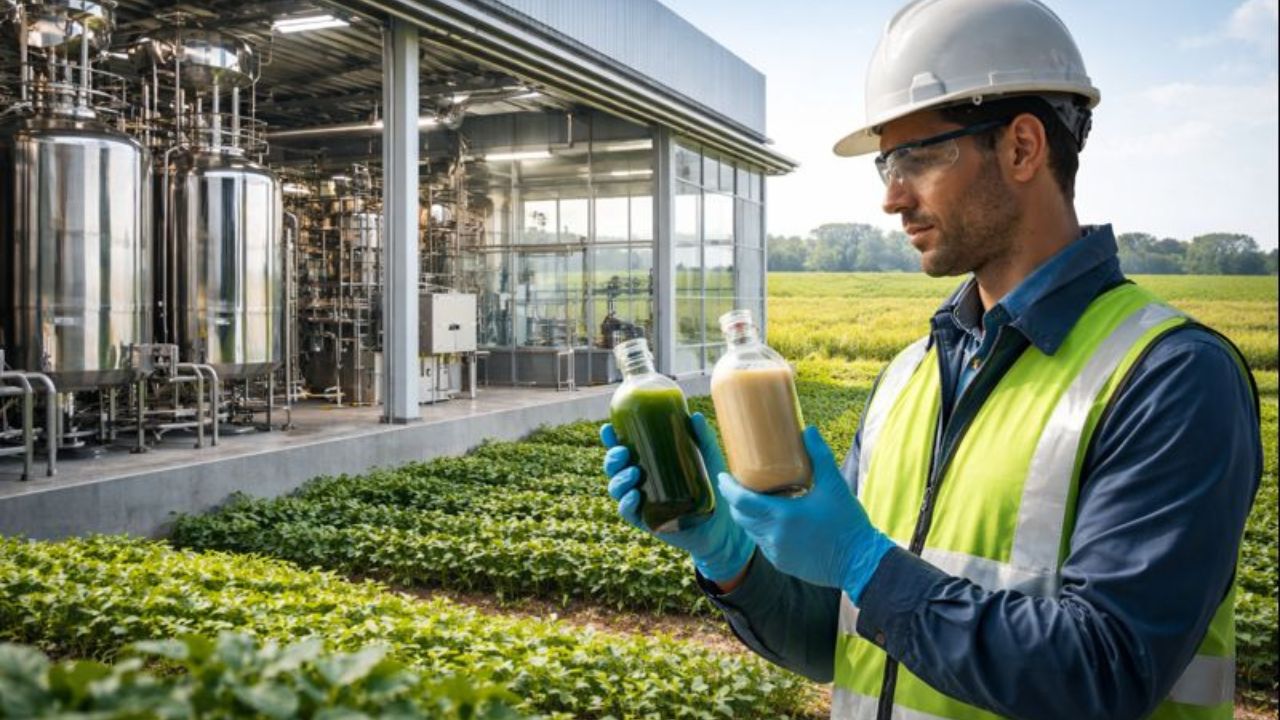
Cazanga Group Creates BioCAZ, Invests R$ 80 Million in Bioinputs and Bets on Factories to Grow in Agriculture.
The Cazanga Group announced an investment of R$ 80 million to enter the bioinputs market in a structured manner, through the creation of the company BioCAZ, expanding its operations in agriculture.
The initiative, being implemented since 2023, envisions the construction of factories in Minas Gerais, with operations starting in 2025 and an expectation to achieve a cumulative gross revenue of R$ 400 million over the next five years.
This move occurs at a time of expansion in the use of biological solutions in the field, driven by the search for productivity, sustainability, and efficiency in pest and disease control.
-
While Russia dominates the global wheat market, Brazil emerges as an unexpected competitor in the Cerrado, offering grain available in July and August when stocks in the Northern Hemisphere are at their lowest point of the year.

-
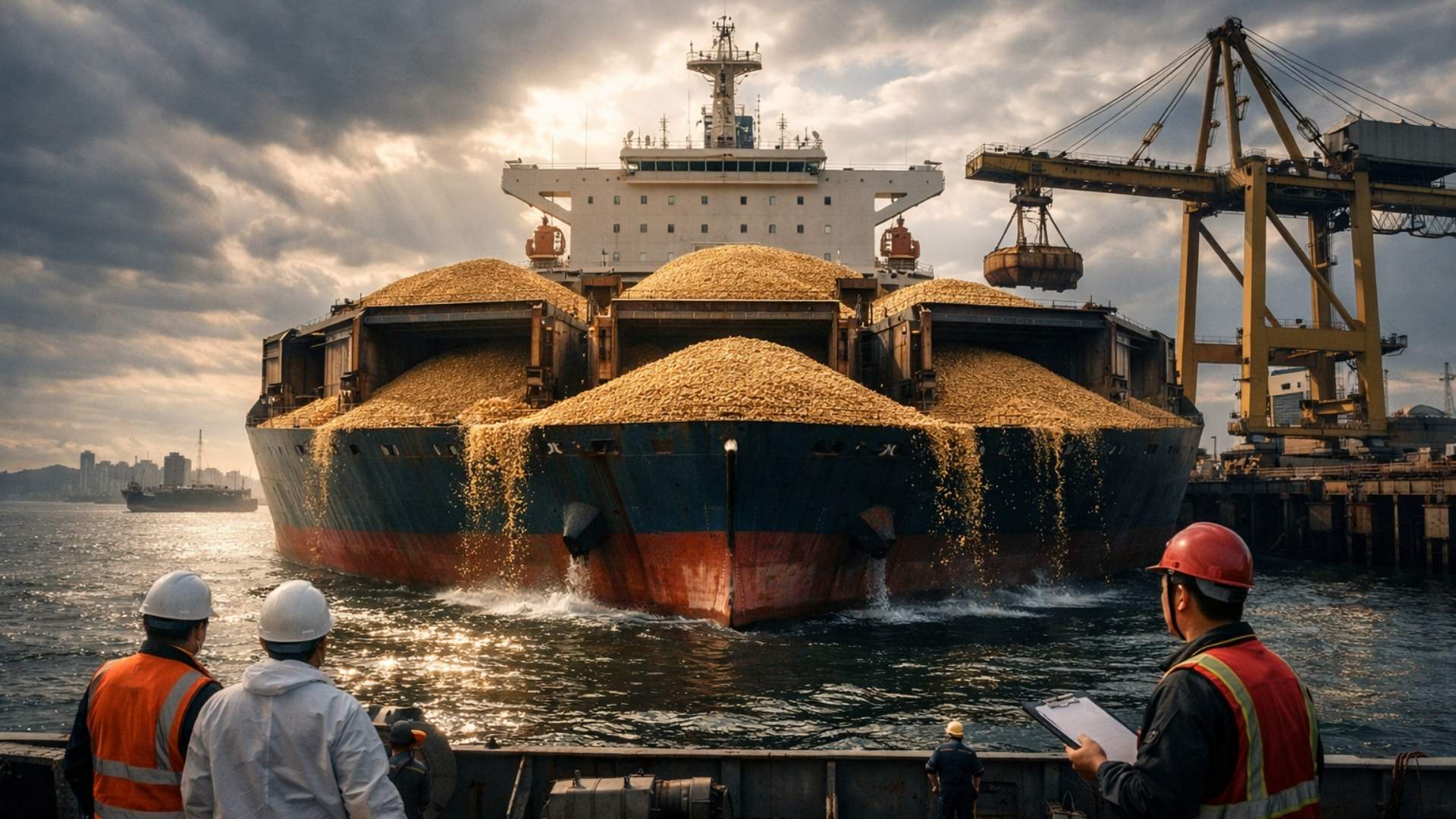
China returned almost 20 Brazilian ships with soybeans, but now everything could change: the country that buys 80% of the grain is considering relaxing regulations after impurities held up shipments of thousands of tons and caused million-dollar losses.
-
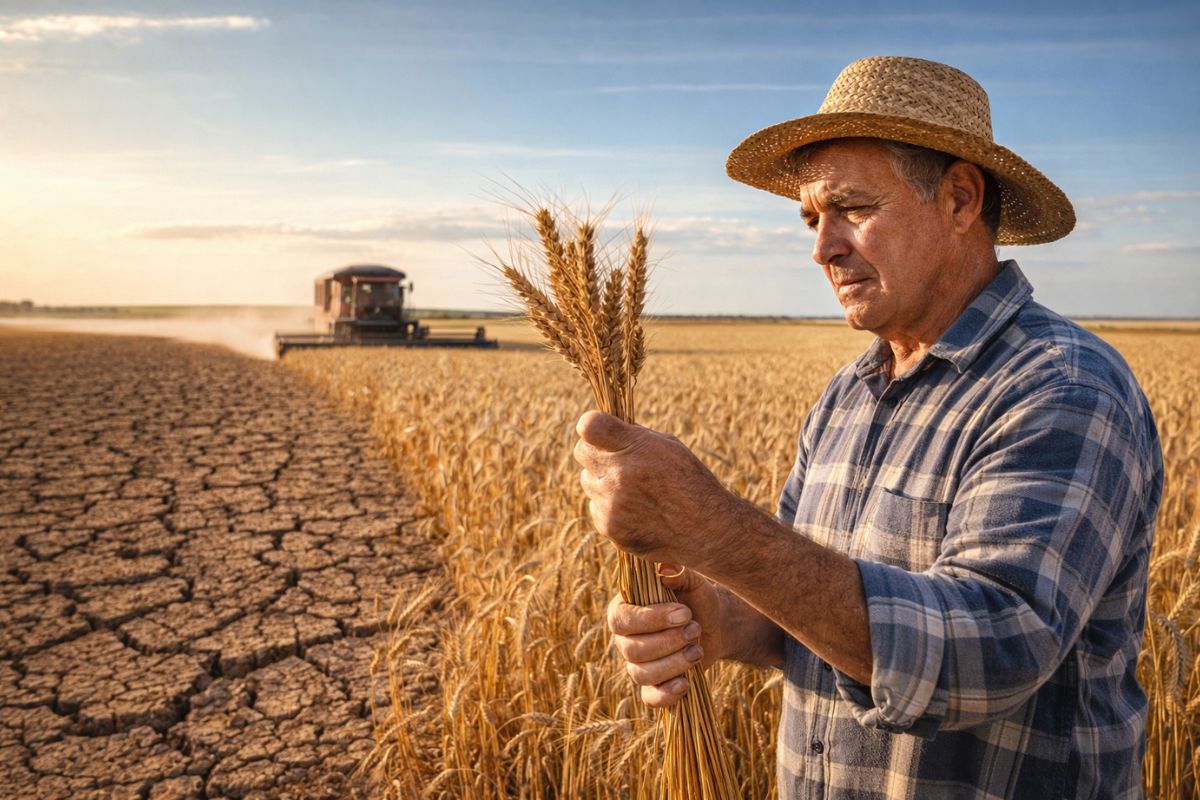
The drought of the cerrado was considered an enemy of wheat, but Brazilian scientists turned the lack of rain into a competitive advantage by creating a grain with quality that is already attracting the attention of international mills around the world.
-
THE OWNER of Brazil: a farmer who came from laundries, created an ’empire’ and today runs a company valued at R$ 42 billion after tripling its value in less than a year and receiving a billion-dollar investment from the USA.


The new operation marks the strategic diversification of the group, traditionally linked to limestone mining, into one of the fastest-growing segments in the Brazilian agribusiness.
The entry into the bioinputs market also reflects the practical experience of the controllers as rural producers and the long-term vision adopted by the business.
BioCAZ Born from Field Experience and Strategic Planning
The BioCAZ was conceived from the experience of brothers Bruno and Bernardo Melgaço Vaz, rural producers active in Minas Gerais and Mato Grosso.
Both represent the second generation of the Cazanga Group, founded in 1978, and have experience in soybean, corn, and livestock farming.
The project began to be structured between late 2022 and throughout 2023, with support from specialized consultancies.
Since then, the initiative has entered the industrial implementation phase, focusing on building a solid foundation before commercial expansion.
The proposal is to grow gradually, validating technologies and business models before scaling up.
Factories in Minas Gerais Concentrate Bioinputs Production
The two factories of BioCAZ are being installed in the municipality of Arcos, Minas Gerais, and will have complementary functions.
The first unit will be dedicated to the multiplication of microorganisms based on bacteria, with an installed capacity of 1 million liters for inoculants and another 1 million liters for biological defensives. This plant is expected to start operations in January.
The second factory will focus on the production of fungi, with an estimated capacity of 200 tons, and is scheduled to open in March.
According to Bernardo, the strategy considers distinct phases of growth.
“We are thinking about two moments: a start moment, with this installed capacity, and then the validation and scaling of the theses,” he explained.
Financial Projections and the Challenge of Gaining Scale
The business plan for BioCAZ projects a cumulative gross revenue of approximately R$ 400 million over five years.
In the first year of operation, the expectation is to generate around R$ 20 million in revenue, with gradual growth to reach approximately R$ 150 million in the fifth year.
Despite the market’s potential, the start of operations is seen as challenging.
“This first year is a challenging year, where we will need to allocate sales to gain scale. This may be our biggest challenge,” Bernardo stated.
Cost Structure and Funding Sources
In addition to investing in industrial assets, the project involves a significant operational structure. According to Márcio Oshiro, executive director of BioCAZ, operational expenses are expected to reach between R$ 20 million and R$ 22 million in 2026.
“The Opex [operating expense] should range in 2026 between R$ 20 million and R$ 22 million, in addition to the R$ 80 million in CapEx [capital expenses],” he stated.
Of the total invested, about half comes from financing through innovation promotion agencies, while the remainder consists of the Cazanga Group’s own resources.
Portfolio Serves Different Crops of Brazilian Agriculture
The portfolio of BioCAZ will consist of biotechnology products developed from bacteria and fungi.
The solutions are aimed at pest and disease control — such as leafhoppers, white mold, and nematodes — as well as increasing crop productivity.
Applications include strategic crops of national agriculture, such as soybeans, corn, sugarcane, coffee, cotton, and beans.
The company intends to serve rural producers, resellers, cooperatives, and other industries in the sector.
Research, Innovation, and Long-Term Vision
Currently, seven products are under development and should make up the company’s pipeline over the next five years.
Among them are two bacterial-based inoculants and three solutions formulated with fungi. Some of these technologies will still undergo field tests and regulatory stages.
To accelerate innovation, BioCAZ has partnered with institutions such as Embrapa Agrobiology, USP/Esalq, and the Biological Institute, as well as startups and private companies.
There are also research initiatives aimed at mitigating climate stresses, such as water deficit, and improving nutrient solubilization in the soil.
Even in a scenario of more cautious credit, the group maintains a long-term strategy.
“It is indeed a cautious year regarding credit, but the farmer continues to plant and still needs to treat the crops,” Bruno said. Bernardo reinforces: “I don’t think about now, I think about what this business will be in 5, 10 years. This has been our mindset, a long-term one.”






-

Uma pessoa reagiu a isso.