





 English
  Francês
  Alemão
  Italiano
  Japonês
  Norueguês
  Portuguese
  Spanish
  2 min of reading


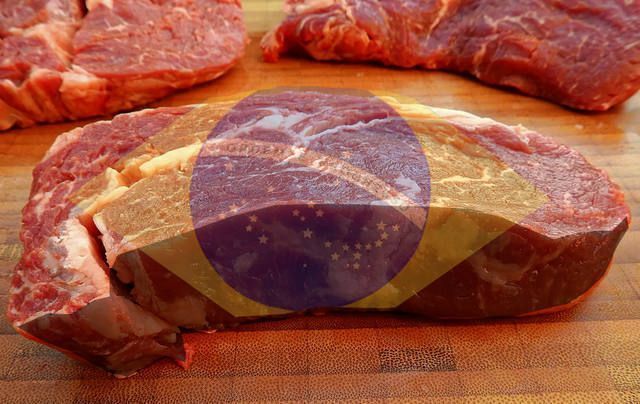
Brazil Has the Second Largest Cattle Herd in the World and Despite the Approval of Brazilian Beef in the U.S., There Is a Real Concern About Infectious Issues and Hygiene
The U.S. is opening its doors to allow the import of Brazilian beef, amid concerns from local representatives of the livestock sector. Alongside food safety interests, stakeholders emphasize the potential risk of greater confusion surrounding the labeling of products “Product of USA”. Following the suspension of raw intact beef exports from Brazil in 2017, the U.S. government recently conducted an onsite equivalency verification audit of intact beef products from Brazil.
Read More Recent News About the United States
- Learn How to Work Legally in the United States Without the Risk of Deportation
- U.S. Oil – Country’s Stocks Grow Below Expectations
- There May Be a Shortage of 375,000 Welders by 2023 in the United States and the American Industry Is Calling for Help
The NCBA [National Cattlemen’s Beef Association] strongly supports science-based trade and the Trump administration’s efforts to reinforce science-based trade with all trade partners. But to be clear, the NCBA has serious concerns about the re-entry of Brazilian beef into the U.S. market,” emphasizes Kent Bacus, senior director of international trade and market access for NCBA.
-
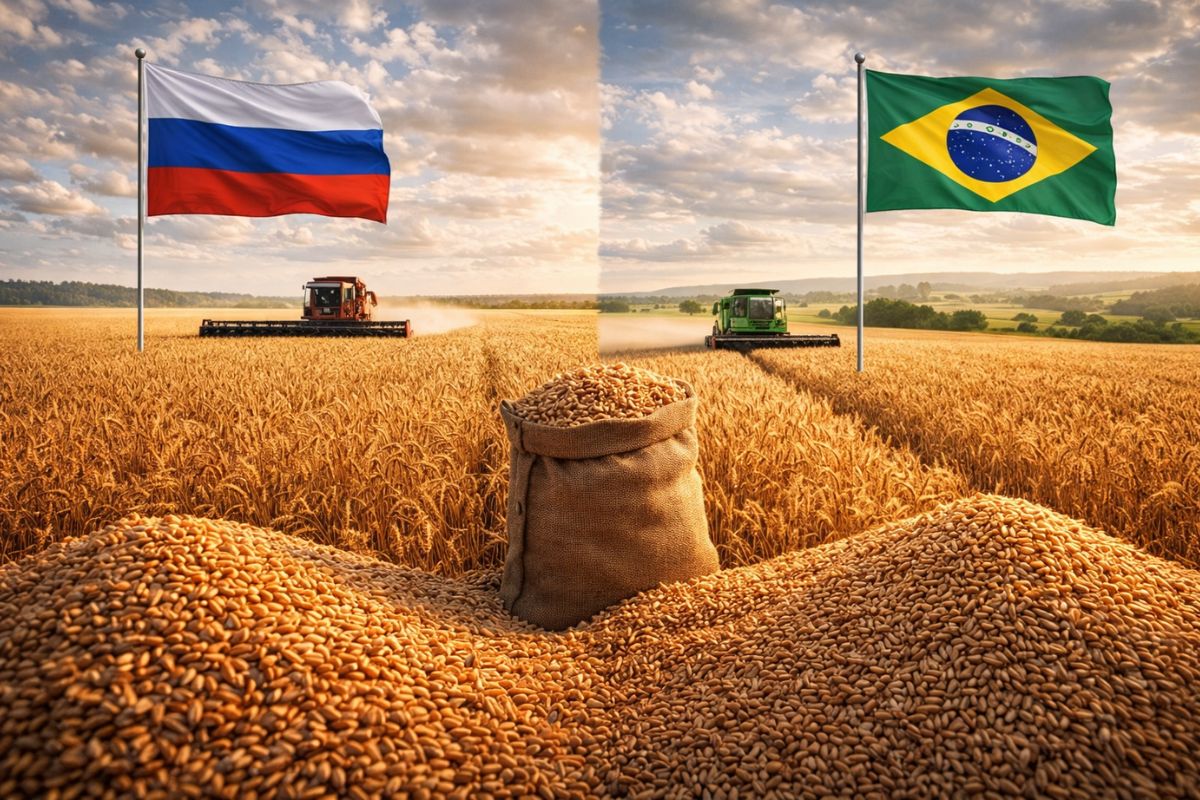
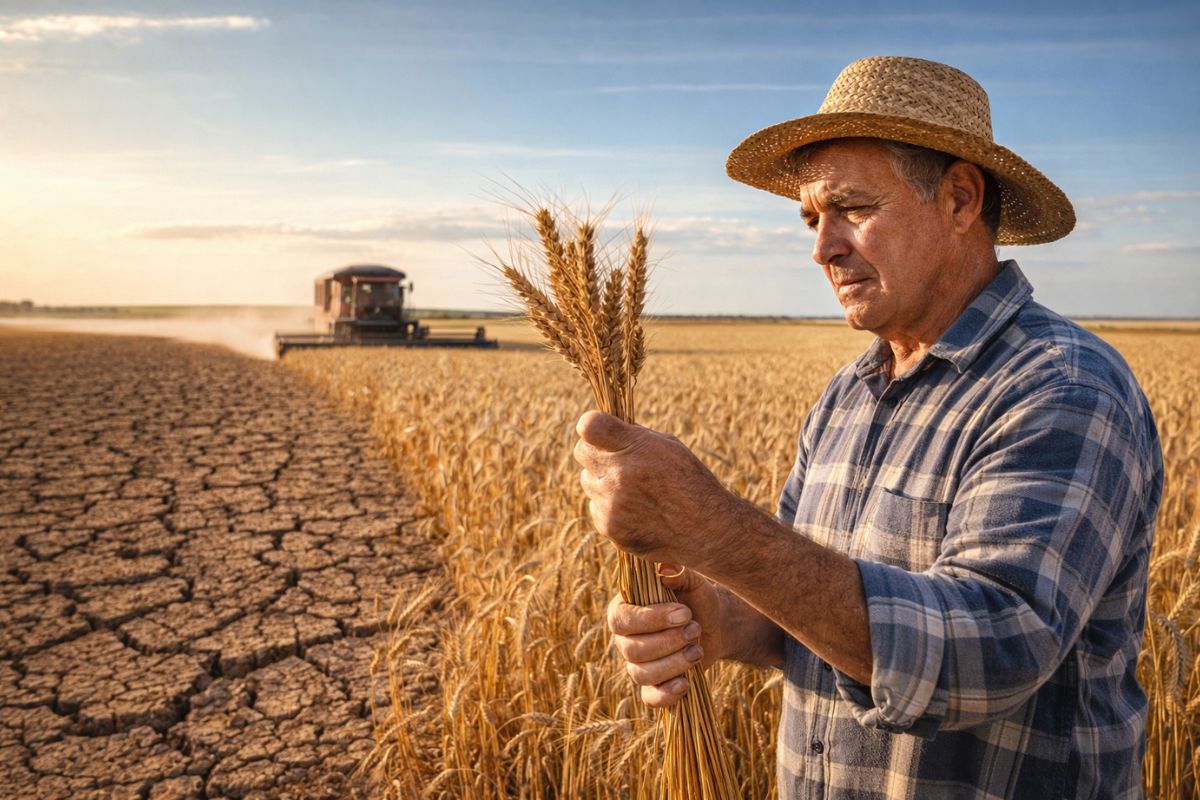
While Russia dominates the global wheat market, Brazil emerges as an unexpected competitor in the Cerrado, offering grain available in July and August when stocks in the Northern Hemisphere are at their lowest point of the year.
-
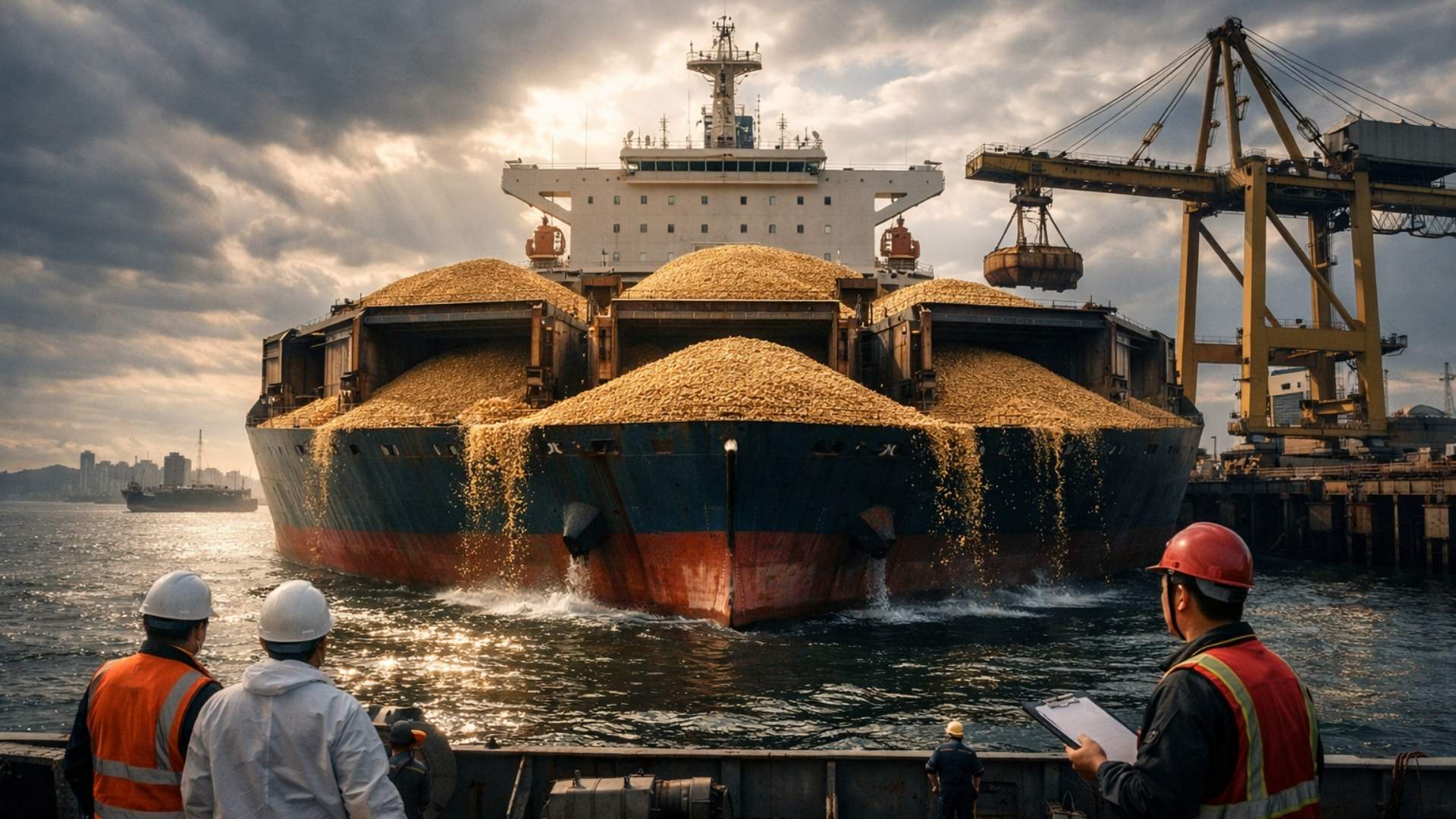
China returned almost 20 Brazilian ships with soybeans, but now everything could change: the country that buys 80% of the grain is considering relaxing regulations after impurities held up shipments of thousands of tons and caused million-dollar losses.
-
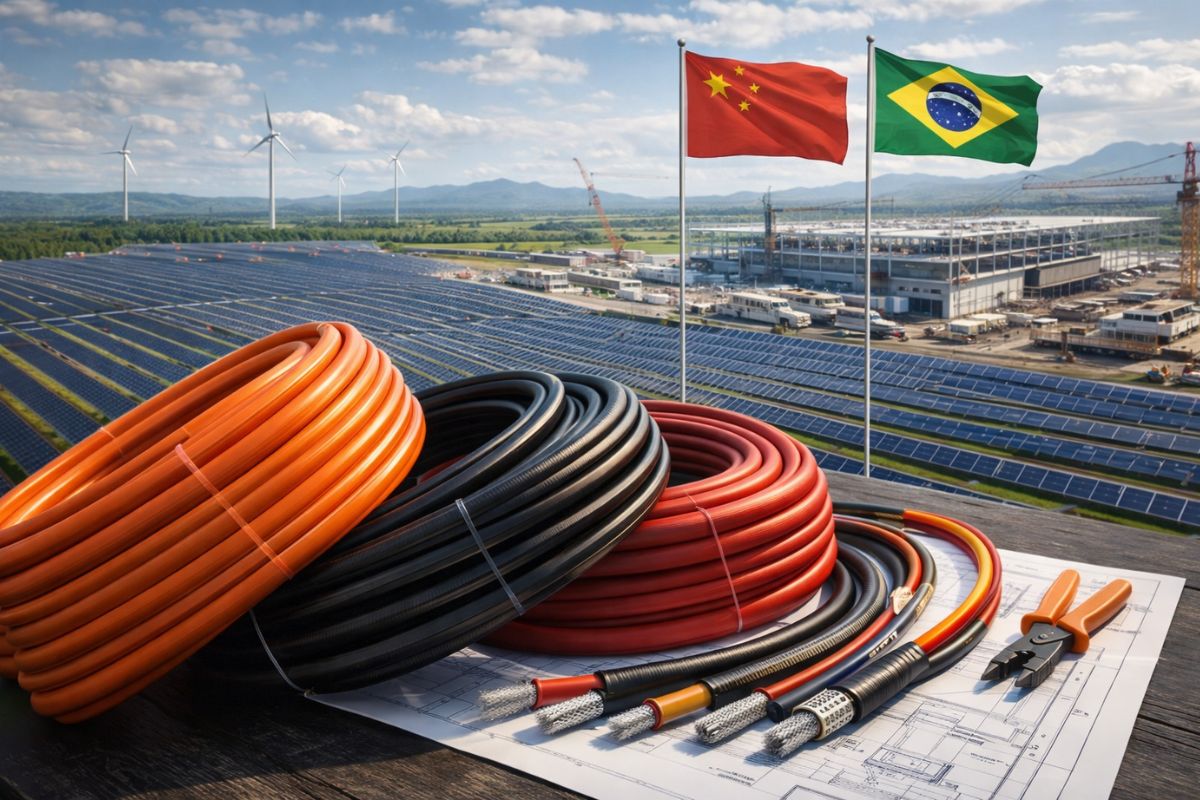
Chinese giant worth nearly R$ 4 billion that manufactures cables for electric cars, solar energy, and robotics wants to open a factory in SC.
-
Many employers do not know, but the law guarantees domestic workers a 25% increase in salary during trips, 50% for overtime, 20% for night shifts, and 17 additional benefits that can lead to labor lawsuits if not paid.


According to reports from the U.S. Department of Agriculture (USDA), Brazil has the second largest cattle herd in the world – 232 million heads – and its production is primarily grass-based. The rising demand for beef worldwide has stimulated increases in production and productivity gains. In 2018, Brazil reached its highest level of beef production, with 9.9 million tons. A September 2018 report from the USDA’s Foreign Agricultural Service (FAS) indicated that programs subsidizing and enhancing pastures and breeding are the key drivers of the overall increase in cattle production in 2019.
Between 1990 and 2018, the Brazilian cattle herd grew by 56%. Brazilian beef production peaked in 2014, reaching 9.7 million tons. During Brazil’s recession from 2014 to 2016, along with the depreciation of the national currency, Brazilian beef production continued to grow, but at a slower rate. Meanwhile, higher prices denominated in local currency offset greater production costs, reports the USDA.
The U.S. Main Concern is Foot-and-Mouth Disease
Addressing Food Safety Concerns
According to the USDA, the Food Safety and Inspection Service (FSIS) recently conducted an onsite equivalency verification audit of intact raw beef products from Brazil to verify the implementation of corrective actions in response to various audits and technical discussions. This follows the suspension of raw intact beef exports from Brazil in 2017 imposed by the agency.
The FSIS uses a “three-pronged approach” to verify whether a foreign country’s inspection system for imported meat, poultry, and processed eggs provides a level equivalent to public health protection as that of the U.S. inspection system.
The agency confirmed that Brazil has implemented the corrective actions and determined that its food safety inspection system governing the production of intact raw beef is equivalent to that of the U.S. As a result, the FSIS is lifting the suspension of intact beef exported from Brazil to the U.S., effective February 21. Products of intact raw beef from Brazil will be subject to new inspection at U.S. entry points by FSIS import inspectors, as required for meat, poultry, and processed eggs from other countries.
“The NCBA praised Secretary Perdue for advocating for science-based trade and holding Brazil accountable for its numerous violations, suspending its access and subjecting it to a comprehensive science-based inspection and audit process. It is clear that the USDA believes Brazil has addressed the concerns raised during the audit process, and steps will soon be taken to restore its access to the U.S.,” says Bacus.
Source: US Food – Translated and adapted by Click Oil and Gas






Seja o primeiro a reagir!