Portuguese
  Spanish


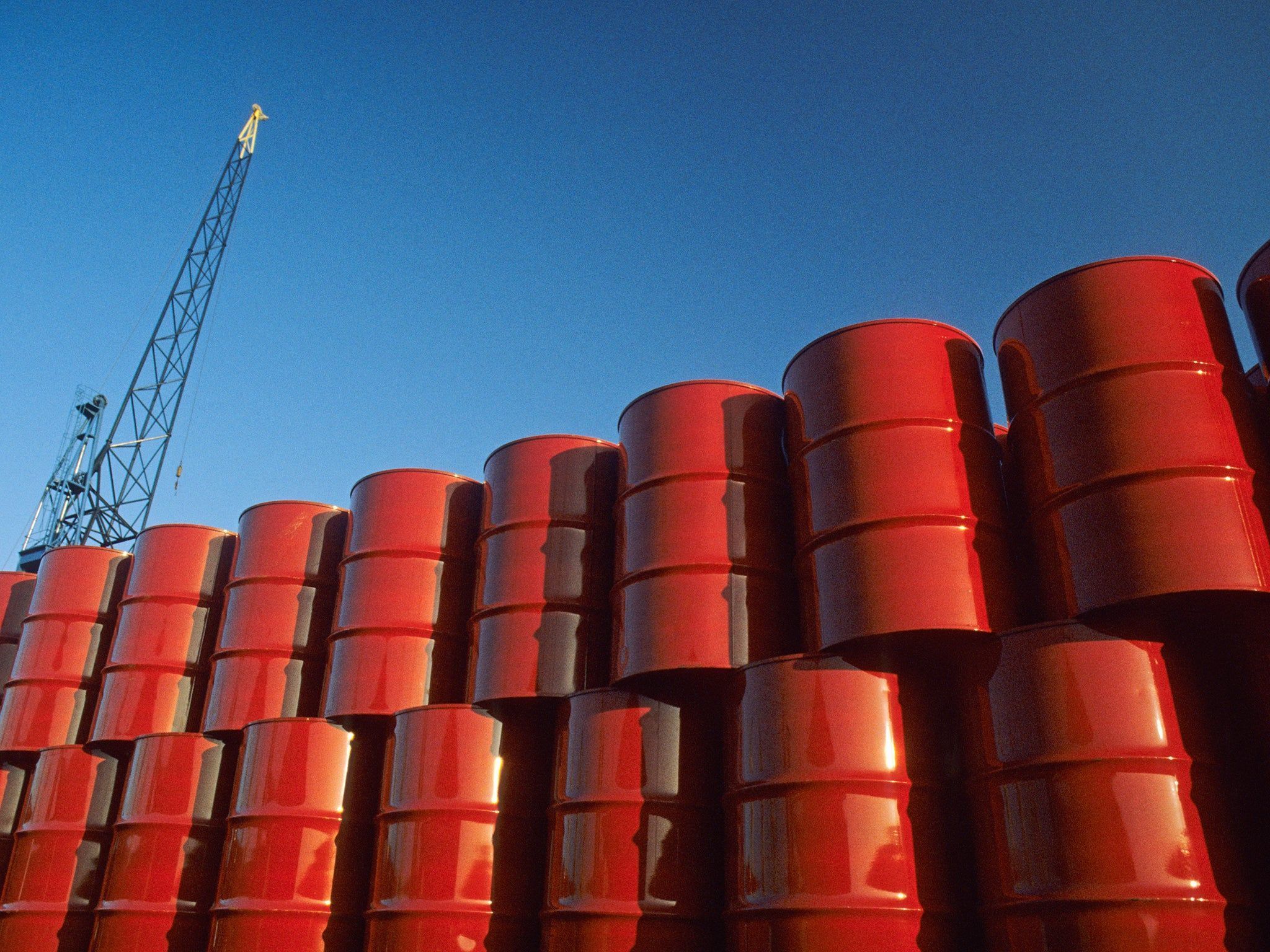

According to data released by the United States, the inventories of oil in the country grew less than expected
According to the U.S. Energy Information Administration, the oil inventories in the North American country grew less than the entire world expected. The epidemic caused by the new coronavirus is still the predominant factor in determining prices, considering that China reduced its acceptance of cargoes of commodity.
- Coronavirus congests ports in China, but Brazilian meat exports are not being compromised
- Government and Klabin sign tomorrow a contract for the exploration of an area for cellulose movement in Paraná
- Cargo ship carrying Vale’s ores that was headed to China is damaged and may sink off the coast of Maranhão
Several oil tankers, fully loaded with crude oil, are still waiting for a spot to unload. Positioned in Asian ports, the ships need to await and hope for a decongestion.
-
Brazil to Introduce B16 Diesel with Increased Soybean Oil Content for Trucks by 2026
-
Brazil’s July Bolsa Família Payments May Include Extra $150 and $50 for Families with Children, Pregnant Women, and Updated CadÚnico Registration

-
Brazilian Woman Buys €1 House in Sicily, Clears 50 Truckloads of Debris, and Transforms Ancient Ruin into Inspiring Life Project by 2026

-
Havan Competitor Expands in Brazil with 170 Stores, Offering Everything from Stationery to Asian Food and Focusing on Affordable Products to Attract Shoppers



Another factor impacting the international oil market is associated with the government of Libya. Recognized by the United Nations, the government withdrew from peace negotiations with a rebel faction led by Khalifa Haftar, causing the interruption of oil production from the largest exporter in Africa due to the worsening of a civil war that has already lasted for a decade.
The National Oil Corporation of Libya reported that the country’s production fell to 1,200 barrels per day, down from 1.1 million bpd produced pre-crisis.
In the United States, oil inventories grew by 414,000 barrels in the last week, very different from the 2.5 million barrels that were expected. Gasoline inventories also alarmed, with a decrease of about 2 million barrels, versus 435,000 barrels expected. Distillates fell by 636,000 barrels, versus the expectation of 1.46 million barrels.
Additionally, in the country, gasoline consumption was five times higher than expected, and oil exports were around 600,000 barrels per day.