





 Portuguese
  English
  Spanish
  3 min of reading


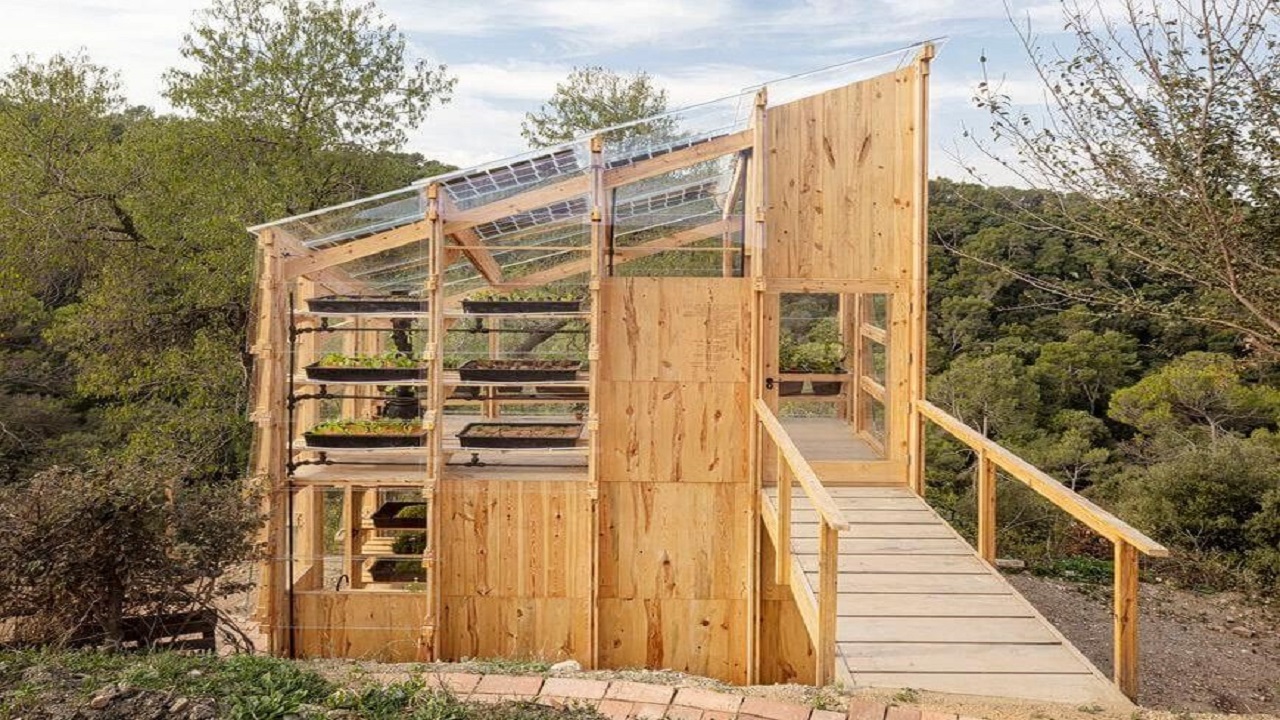
Students from Spain Developed a Greenhouse Capable of Producing Solar Energy and Generating Their Own Food. The Project Is Just a Prototype and There Are Already Projections That a Greenhouse 10 Times Larger Will Be Developed.
In the 19th Century, the popularization of greenhouses revolutionized the way food was cultivated and today, greenhouses can maintain constant temperatures year-round, making them ideal for growing food in locations with more severe and less favorable climates. Their only problem is that they consume a lot of energy. With this in mind, a group of architecture students from the Spanish city of Barcelona developed a prototype of a greenhouse capable of producing solar energy while growing its own food.
Understand How the Solar-Powered Greenhouse Works
-
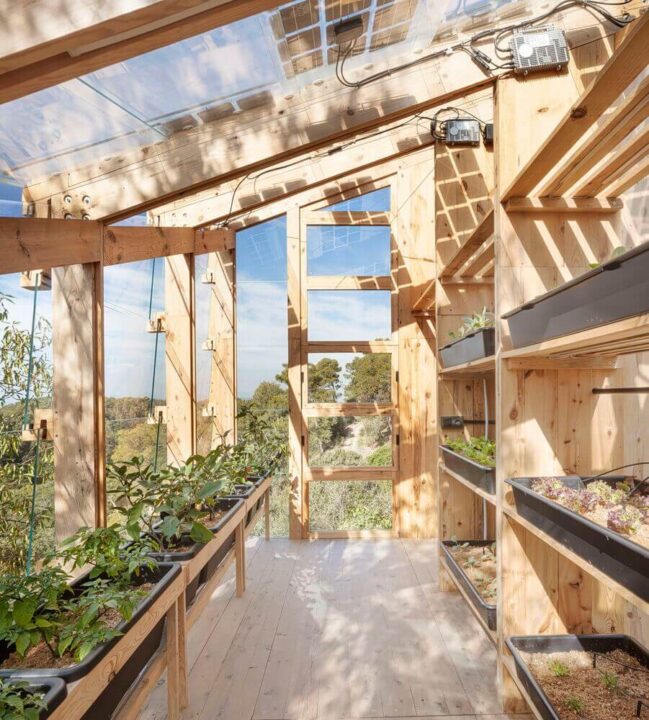
Construction of the Solar Greenhouse – Photo: Adrià Goula – Disclosure -
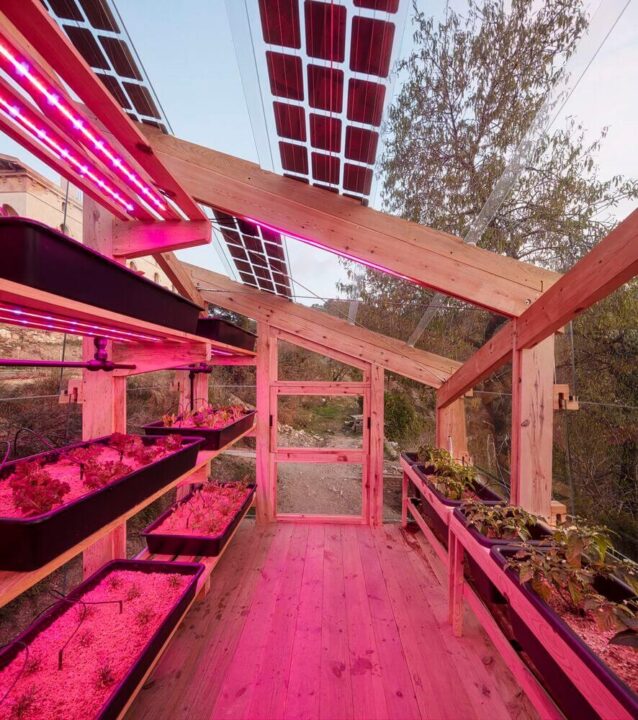
Solar Greenhouse in Operation – Disclosure -
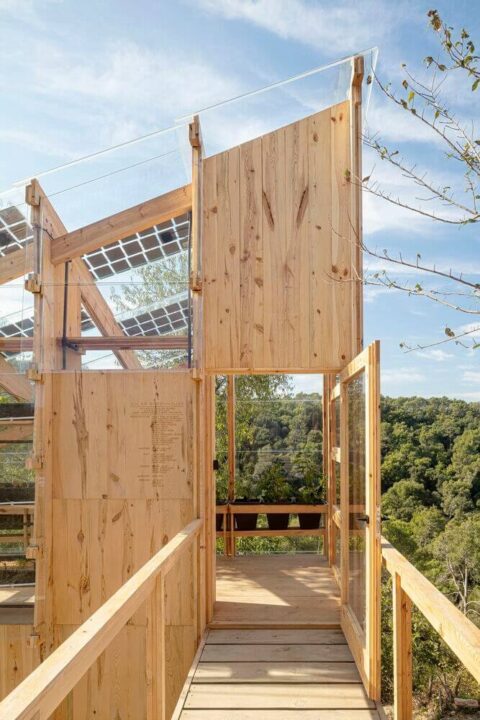
Construction of the Solar Greenhouse – Photo: Adrià Goula – Disclosure -
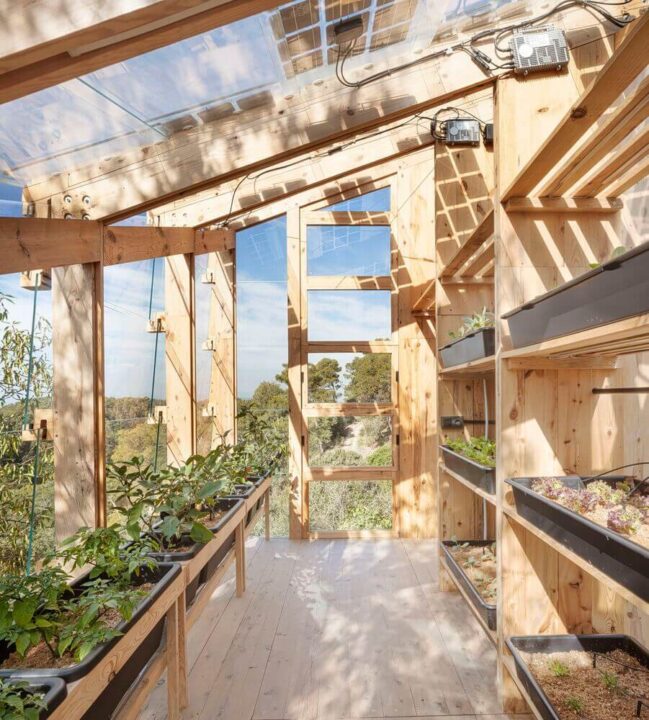
Construction of the Solar Greenhouse – Photo: Adrià Goula – Disclosure
The solar greenhouse developed by the students was installed in the Sierra de Collserola Natural Park and was built with pine wood that is quite common in the region. The space covers 12 square meters and is located on a small plot next to a research center for self-sufficient habitats, called Valldaura Labs.
Despite the greenhouse capable of producing solar energy being situated in a green area, the concept can be built on urban rooftops and terraces and in refugee camps, where there is a significant shortage of food and electricity.
-
The Brazilian Northeast is receiving the largest wave of investments in clean energy ever seen in the country, with R$ 200 billion in wind and solar, 9,000 km of transmission lines, and a promise that could change the economy of 60 million people.
-
Chinese company creates solar cell that breaks the physical limit of silicon with 34.85% efficiency and promises to revolutionize electricity bills with panels that generate 20% more energy starting in 2026.
-
How green infrastructure and renewable energy at the World Cup transform the logistics of the largest sporting event on the planet in North America.
-
The Cagece and UFC project advances in sustainable innovation with biogas by converting waste into renewable energy, reducing environmental impacts, and increasing sanitation efficiency with concrete and measurable results.
The greenhouse was created during a master’s program at the Institute for Advanced Architecture of Catalonia (IAAC). The students resided on campus for a year and developed the space capable of producing solar energy that has two floors. The students took only two months to construct the prototype. The project was led by architects Daniel Ibáñez and Vicente Guallart.
Architect Writes Book on Self-Sufficiency
In 2014, Vicente Guallart wrote a book known as “The Self-Sufficient City.” At the time, he was the chief architect of the city and advocated that buildings should be more productive and that Barcelona should produce energy and food locally in an autonomous manner.
In many ways, the greenhouse that generates solar energy is an interpretation of Vicente Guallart’s philosophy. The structure of the environment, created by the students, is divided into two floors: the plants germinate on the lower floor and continue growing to the upper floor.
To aid in capturing sunlight during the day, a glass roof was constructed, while ultraviolet light and LED contribute to the production of lettuce, eggplant, and tomatoes at night.
The roof features solar panels in a checkerboard pattern, while the back and front windows can be opened for natural ventilation. An improved irrigation system with nutrients also helps boost plant growth inside the solar greenhouse.
Students Plan to Build a Greenhouse 10 Times Larger
Both the LED panels and the irrigation system are powered by the solar panels. The greenhouse uses only about half of the energy generated, leaving the other half for other neighboring facilities of Valldaura Labs. Guallart claims it would be possible to cover the entire roof with solar panels and still have 75% of the energy left over; however, financial reasons made this difficult.
In September of last year, the prototype capable of producing energy was completed, and the team is already designing a greenhouse that could be 10 times larger, which will be installed on the roof of the tallest wooden building in Barcelona. For the students, the main goal is to develop communities that can grow their own food and produce their own energy.








Seja o primeiro a reagir!