





 Portuguese
  English
  Spanish
  3 min of reading
  0 comments



In Times Of Scams, Instant Transfers, And Financial Disputes, Experts Warn That Saving Screenshots And Digital Evidence Can Be The Difference Between Losing Money And Securing A Victory In Court
With the rise of transactions via PIX and banking apps, the cases of errors and scams involving mistaken transfers are also increasing. In many of these situations, the screenshots and digital evidence are the main proofs presented in court to demonstrate the unauthorized sending or receiving of funds.
According to the Superior Court of Justice (STJ), digital proofs, such as screenshots and electronic receipts, have legal validity as long as they demonstrate integrity and can be verified technically. This means that a simple screenshot can help consumers prove a transaction and even secure compensation in cases of refusal of return.
Elderly Woman Loses R$ 36 Thousand By Mistake, Beneficiary Refuses To Return
A case reported by the CPG portal shows that a 71-year-old woman mistakenly transferred over R$ 36 thousand via PIX to the wrong account. When trying to recover the amount, she discovered that the recipient was refusing to return the money. Faced with the denial, the woman filed a lawsuit and secured the full restitution of the amount, in addition to the possibility of compensation for moral damages.
-
He started running at 66 years old, broke records at 82, and is now a subject of study for having a metabolic age comparable to that of a 20-year-old, in a case that is intriguing scientists and inspiring the world.

-
Oldest tree on the planet reappears after 130 years of searches: Wattieza, 385 million years old, was 10 meters tall and had no leaves or seeds; Gilboa fossils in New York solved the mystery in 2007.

-
A 48-square-meter house assembled in hours with 4,000 bricks made of recycled plastic that does not absorb moisture, has natural thermal insulation, and costs less than 90,000 reais in a complete kit.

-
Luciano Hang revealed that Havan’s air fleet has already accumulated more than 20,000 landings, 10,000 flight hours, and 6 million kilometers traveled, and he says that without the planes, the company would never have grown so quickly.


This episode reinforces the importance of carefully verifying all data before confirming any transaction. A simple slip, like misdialing a phone number or confusing a PIX key, can lead to significant losses. The court has recognized the right of those who made the mistake, but the process can be slow and depends on the existence of clear evidence—such as screenshots and receipts saved at the time of the transaction.
Screenshots And Receipts: The “Digital Proof” That Can Decide A Case
Saving screenshots and receipts issued by banks is a simple yet extremely effective practice. These files form what experts call a digital chain of custody, that is, a set of evidence that confirms the authenticity of the operation.
In financial disputes, courts analyze the date, the amount, the institution involved, the transaction code, and the destination account—all elements that appear in the screenshots and the PDFs generated by banking apps. If there is a dispute or refusal of return, this evidence is often decisive for the outcome of the case.
The Central Bank of Brazil emphasizes that PIX is a secure tool, but highlights that the user’s responsibility to review information before confirming the transfer is fundamental. The agency also recommends that all communications about errors or fraud be reported to the issuing bank immediately after the incident.
What To Do In Case Of Error Or Scam Via PIX
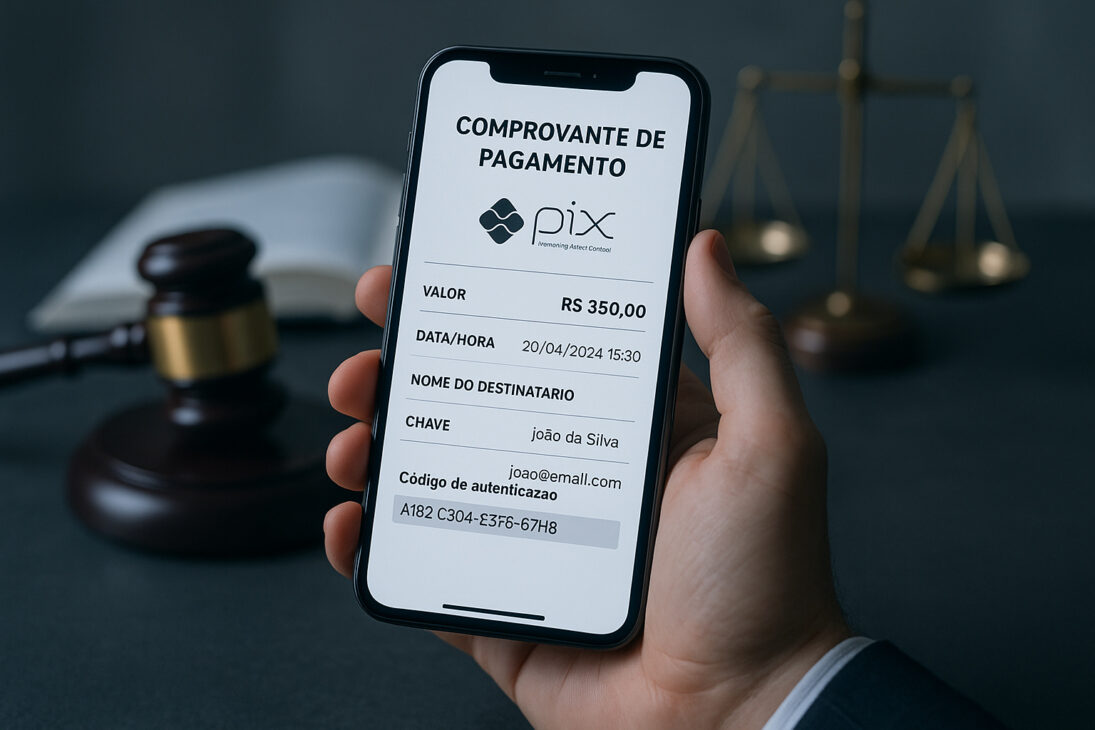
Whoever transfers an amount by mistake should act quickly. The first step is to contact the bank and request the opening of the Special Return Mechanism (MED), created by the Central Bank. This resource allows for the temporary blocking of the amount while the case is analyzed.
However, the MED is only applicable in cases of fraud or operational failure. If the transfer occurred due to the user’s own error, it will be necessary to seek a direct agreement with the recipient or turn to the Judiciary to obtain the return. In this scenario, the screenshot and the digital receipt become the main evidence of good faith and that the amount was sent incorrectly.
Increased Caution: Small Mistakes Can Be Costly
In times of financial immediacy, haste is the enemy of security. Confirming each detail, reviewing the amount entered, and checking the name of the recipient are steps that can prevent significant losses.
Saving screenshots and receipts, in addition to being a practice of personal control, is also a form of legal self-protection. In an increasingly digital environment prone to scams, this evidence can mean the difference between recovering money or facing an irreversible loss.








Seja o primeiro a reagir!