





 Portuguese
  English
  Spanish
  4 min of reading
  0 comments


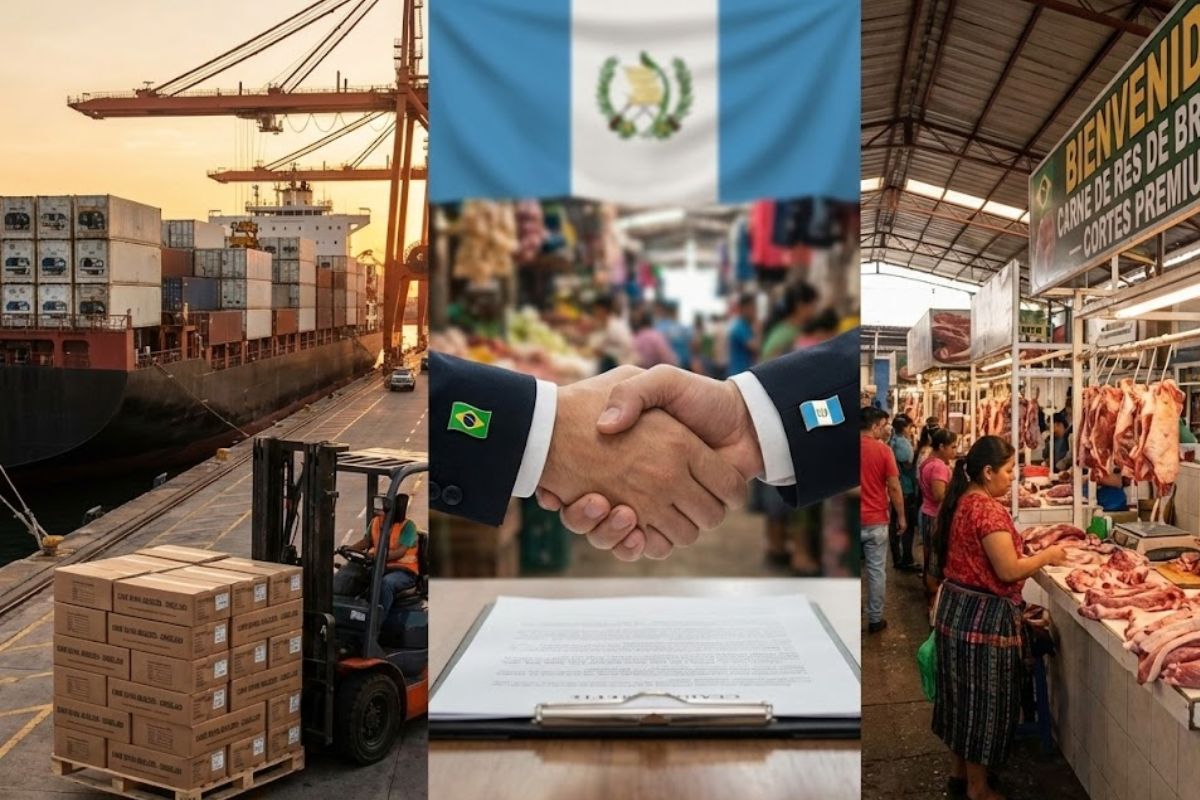
Health Authorization Allows Brazilian Beef to Enter Guatemala, A Country of 18 Million People That Has Already Purchased US$ 192 Million from Agriculture in 2025 and Imported US$ 155.6 Million in Meat, Focusing on Frozen Cuts and a 122% Growth in External Consumption Over the Years.
In 2025, the Brazilian government confirmed with the Guatemalan health authorities the authorization for the country to start importing beef and its products directly from Brazil, consolidating yet another strategic commercial opening for the agribusiness sector. This achievement is the result of a process that began in 2023 when President Lula set a goal of opening 200 new markets, and now, three years later, has reached the mark of 500 consolidated international accesses.
Between January and October 2025, Guatemala had already imported over US$ 192 million in Brazilian agricultural products, with strong expansion in external purchases. In parallel, Brazil maintained robust performance in beef exports, with over US$ 12 billion shipped in 2024 and an advance that already surpasses US$ 14 billion in 2025, reinforcing the country’s capacity to meet new partners without compromising domestic supply.
Guatemala Joins the List of 500 Markets for Brazilian Agribusiness
Commenting on the opening, the Minister of Agriculture and Livestock, Carlos Fávaro, emphasized that the market expansion strategy has been a central focus of policy for agribusiness since 2023.
-
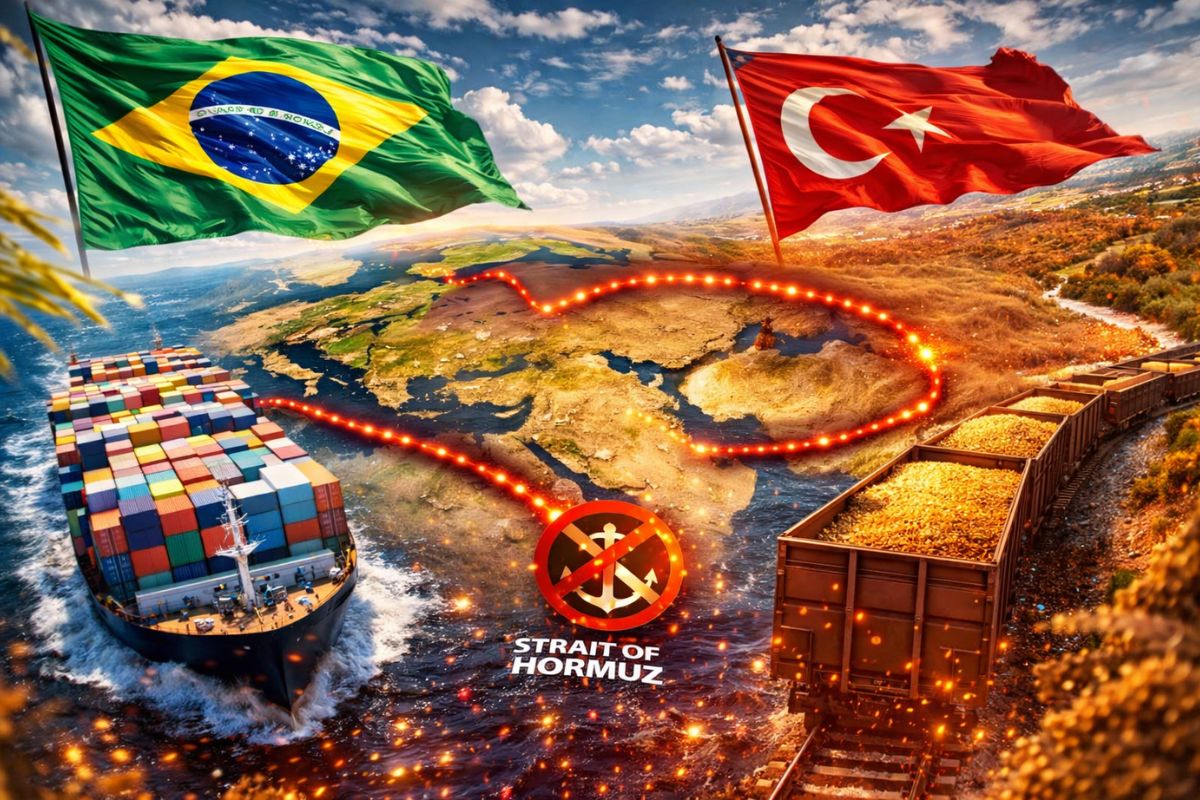
Unable to pass through Hormuz, Brazil activated a plan B that uses Turkey as a gateway to the Middle East: the route through Gibraltar and the Mediterranean is longer and more expensive but ensures that chicken, beef, and corn continue to reach Arab markets.
-
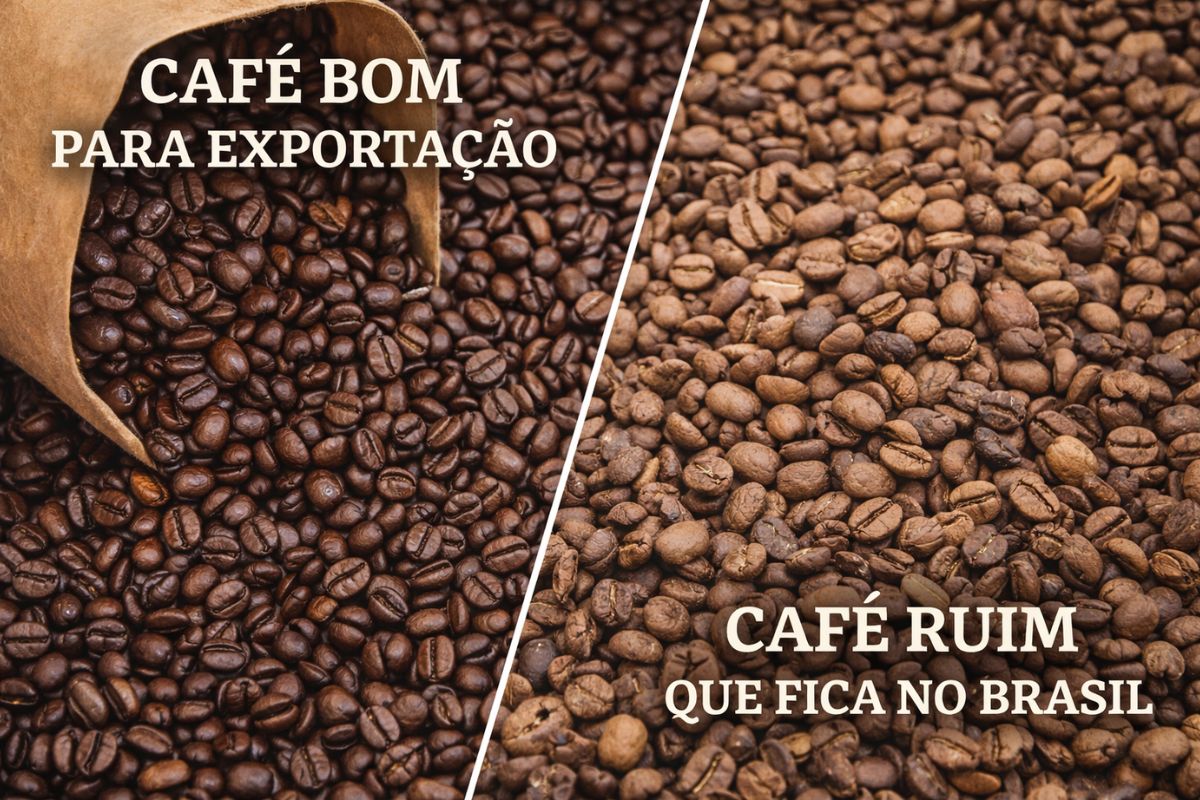
You grew up hearing that the good coffee from Brazil goes all abroad and the bad coffee stays for Brazilians, but this story has completely changed, and the numbers show that in the 1980s, thirty percent of the coffee sold here was adulterated with corn and barley.
-
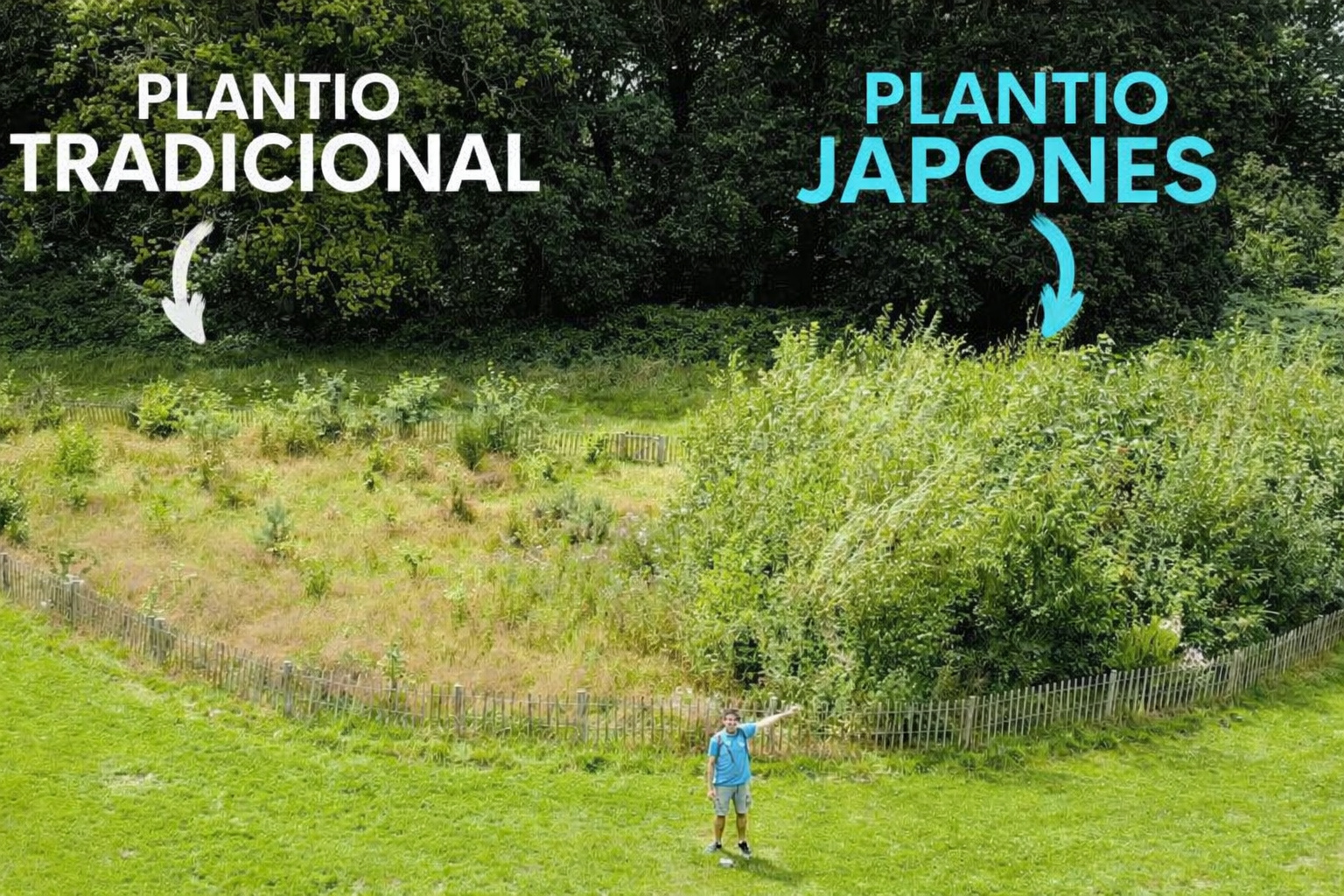
Engineer creates reforestation method that transforms small plots into dense forests in a few years using local biomass and can reduce environmental recovery costs.
-
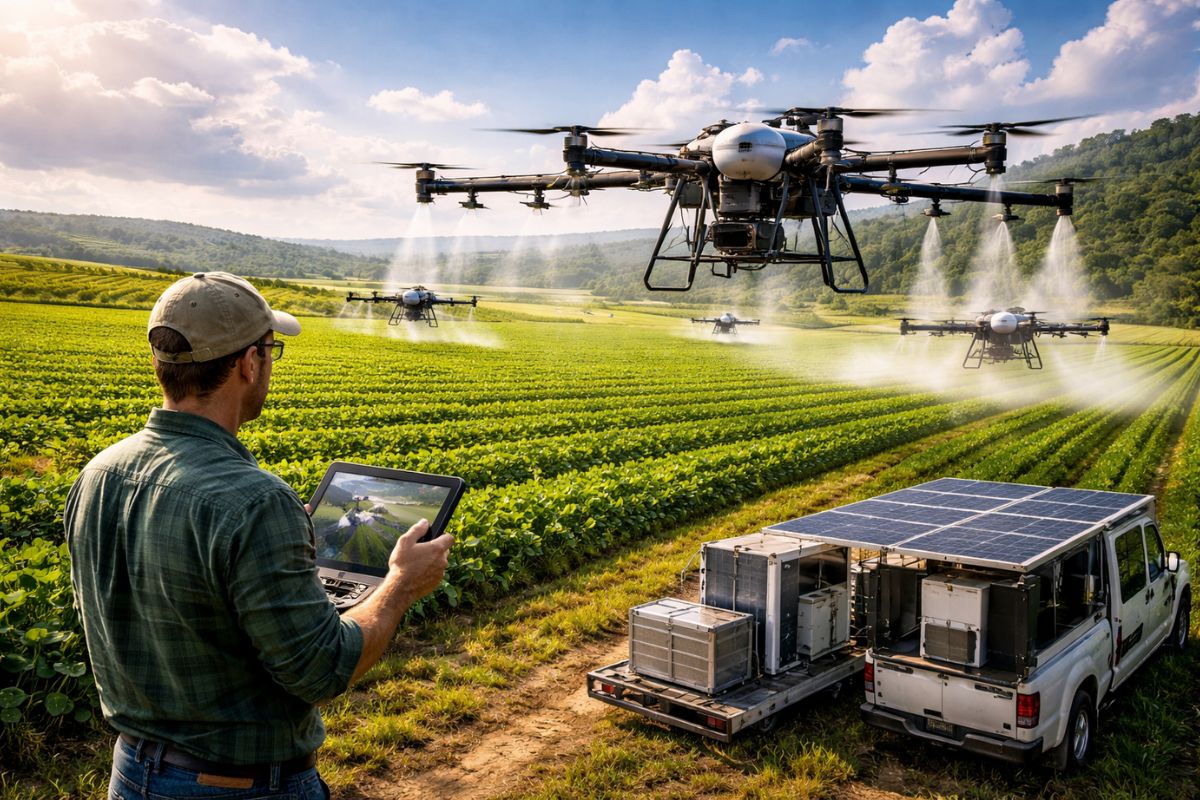
Alone, the producer applies 7,400 hectares with the T100 drone in an optimized structure, replaces the generator with a silent battery, and demonstrates how technology reduces costs, increases productivity, and even challenges the uniport in the field.

According to the minister, the goal announced by Lula to open 200 new markets has been exceeded over the three years, now reaching 500, which demonstrates international confidence in Brazilian sanitary standards.
Fávaro highlighted that each new authorization translates into more income in the field, more opportunities for producers, and more recognition of Brazilian products, without neglecting the domestic market.
Today, about 70% of the national beef production remains intended for domestic consumption, which allows Brazil to increase exports with relatively abundant supply and predictability for Brazilian consumers.
Market of 18 Million Residents with an Appetite for Beef
Guatemala, with approximately 18 million inhabitants, already has a significant commercial relationship with Brazil in agribusiness.
Between January and October 2025 alone, the Central American country imported over US$ 192 million in Brazilian agricultural products, with cereals being a highlight in its export agenda so far.
In the last year, Guatemala imported US$ 155.6 million in beef, an amount equivalent to about 8.6% of the country’s internal consumption.
Compared to previous years, this amount shows a growth of 122% in external beef purchases, a clear sign of strongly expanding demand and space for new competitive suppliers.
The entry of Brazil occurs right in this context of increased consumption and greater dependence on imported products to ensure supply.
Frozen Cuts Expected to Drive the Entry of Brazilian Beef
The opening of the Guatemalan market occurs at a time when frozen cuts dominate Guatemala’s beef imports, accounting for over 70% of external purchases of the product.
It is in this niche that Brazilian beef is likely to take a leading role, offering scale, industrial standardization, and a variety of cuts suitable for both retail and the local food industry.
For Brazil, frozen cuts serve as a strategic entry point into growing markets, allowing the adjustment of the product mix to meet the partner’s consumption profile and optimize logistics.
For Guatemala, broadening the list of beef suppliers reduces the risk of supply shortages, strengthens competition, and may contribute to better price and quality conditions for consumers and processing companies.
Brazil Reinforces Global Leadership in Beef Exports
The authorization from Guatemala to import beef from Brazil adds to a scenario of strong performance in the Brazilian production chain.
The country remains the largest global exporter of beef, with shipments exceeding US$ 12 billion in 2024, equivalent to about 2.8 million tons sent to over 150 markets.
In 2025, the pace has intensified: by October, Brazilian beef exports have already surpassed US$ 14 billion, consolidating Brazil’s image as a reliable supplier of animal protein in volume, consistency, and health standards.
The inclusion of Guatemala in the partner portfolio strengthens Brazil’s presence in Central America and dilutes the dependence on a few major buyers, making revenue flow more diversified and resilient to regional fluctuations.
Food Security for Guatemala and New Income for Brazilian Agriculture
For Guatemala, the arrival of Brazilian beef tends to increase food security and stabilize the internal supply of protein, especially in an environment of rising consumption and growing imports.
Consumers and local industry now have access to a supplier with significant production capacity, an export history, and sanitary standards already recognized by dozens of other markets.
For Brazil, this opening means one more concrete channel for generating income, jobs, and investments throughout the entire beef supply chain, from livestock to slaughterhouses, including logistics and associated services.
With Guatemala’s announcement, Brazilian agribusiness reaches the mark of 500 new trade opportunities since the beginning of 2023, a result of the joint work between the Ministry of Agriculture and Livestock and the Ministry of Foreign Affairs to expand markets with sanitary safety and regulatory predictability.
In your opinion, could the entry of Brazilian beef into Guatemala create a ripple effect for other Central American countries and further strengthen the bargaining power of Brazilian producers abroad?







-

Uma pessoa reagiu a isso.