





 Portuguese
  English
  Spanish
  5 min of reading
  0 comments


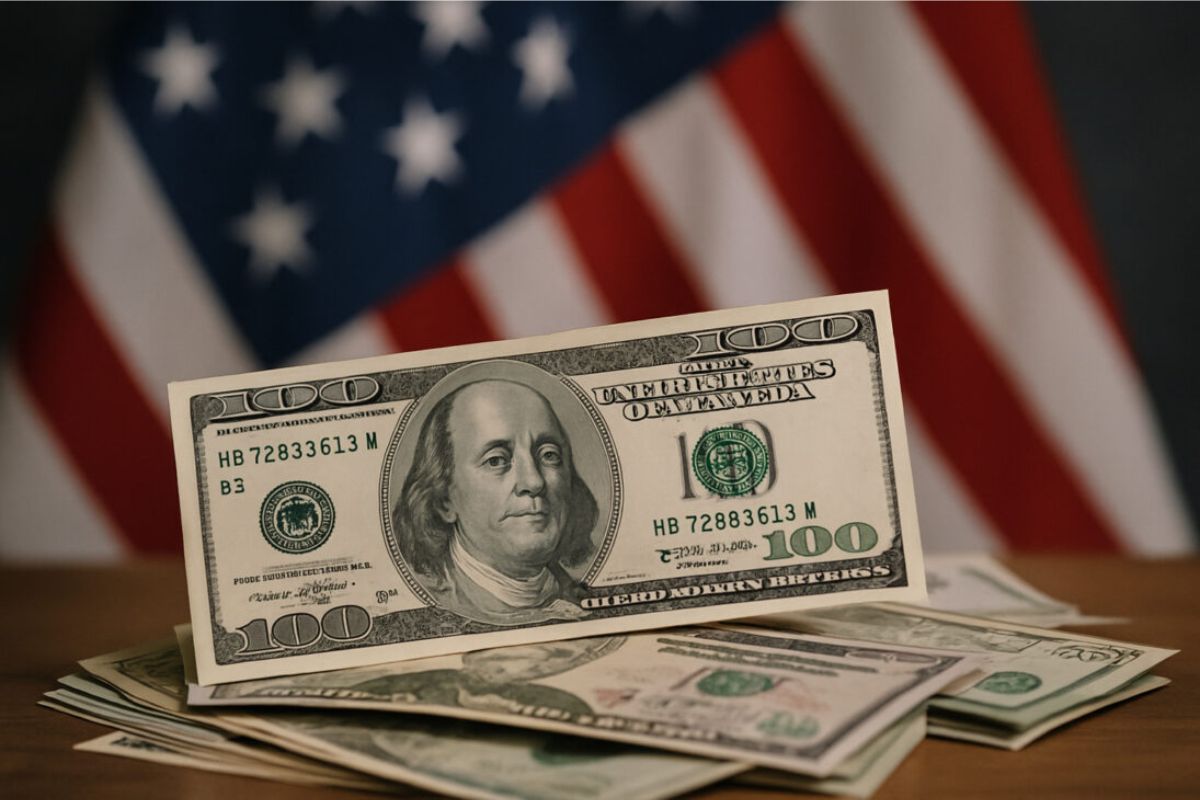
Trump Elevates Global Pressure With Tariffs That Could Reach 70%: Understand How This Drastic Move Threatens Markets, Impacts Consumer Wallets, and Opens a New Trade War in the Heart of the United States
Anyone who thought that Donald Trump would ease commercial tensions was sorely mistaken. The former president of the United States has once again stirred the global chessboard by announcing last Friday that he will send a wave of letters notifying about new tariffs he intends to impose on trade partners. The first notifications have already begun to leave the White House and are expected to reach “10 or 12 countries“, according to Trump during an impromptu chat with reporters.
Cards on the Table: Heavy Tariffs Coming
These letters mark the beginning of a new American offensive in international trade. Trump explained that starting on August 1, the affected countries will begin to pay the new tariffs, and the money “will start coming into the United States“. The Republican made it clear that he intends to impose tariffs of up to 70% in some cases, a value that, according to experts, practically makes any trade relationship unfeasible.
The announcement came after a rally in Des Moines, Iowa, where Trump celebrated recent victories and took the opportunity to comment on the preparations for the 250th anniversary of the Declaration of Independence, which he wants to celebrate over an entire year, culminating on July 4, 2026.
-
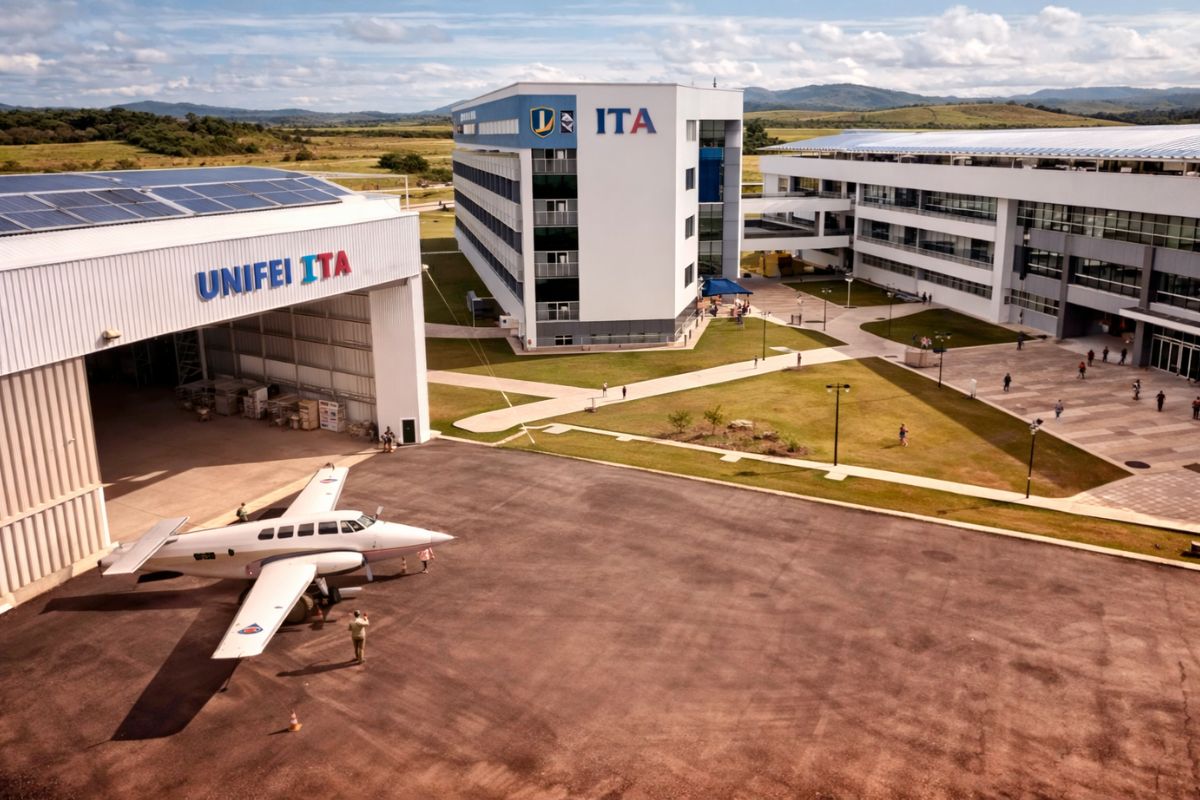
The institute that trained the greatest aerospace engineers in Brazil has just opened its first campus outside São Paulo after 75 years: ITA Ceará will have R$ 445 million, new courses in energy and systems, and classes are expected to start in 2027.
-
Luciano Hang, owner of Havan, goes to Juiz de Fora after the tragedy in February, brings R$ 1 million, hands out R$ 2,000 cards, and donates up to R$ 15,000 to victims in the region.

-
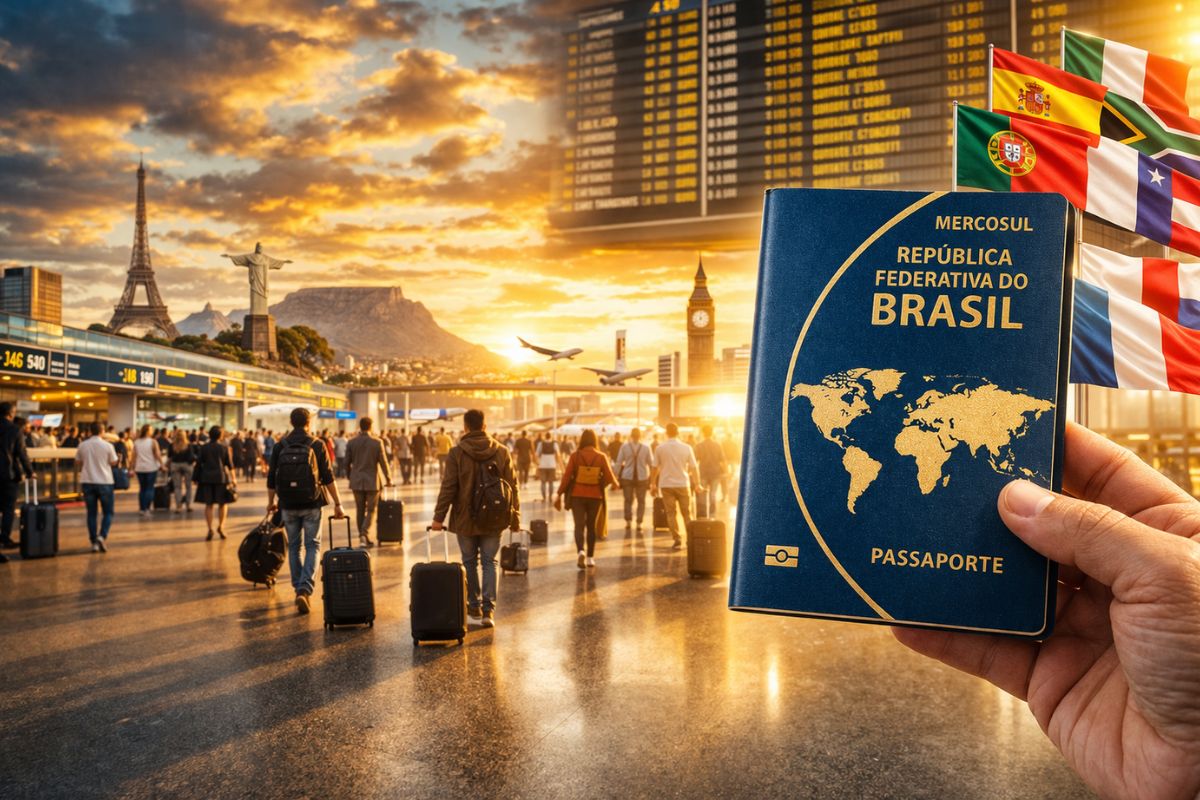
The Brazilian passport allows legal residence in dozens of countries without the need for a prior visa, and most Brazilians are unaware that they can apply for residency directly upon arriving in nations in South America, Africa, and even Europe.
-
Petrobras sends a message to Brazilian truck drivers after fuel collapse and reveals plan to have 100% domestic diesel.



U.S. President Donald Trump, accompanied by White House Chief of Staff Will Scharf, signs executive orders imposing restrictions at the White House.
Pressure Tactic and Contradictory Messages
The move once again demonstrates Trump’s aggressive stance, who often uses the strategy of raising tariffs as a pressure tool. “We have over 170 countries, and how many agreements have we been able to close? It’s much more complicated”, Trump said, suggesting that he prefers a direct approach: “I’d rather send a letter indicating the tariffs that each country will pay”.
This stance contrasts with recent statements from Treasury Secretary Scott Bessent, who indicated that the July 9 deadline would not be so rigid. In an interview with Bloomberg, Bessent said he would be satisfied if agreements were reached before Labor Day (September 1 in the U.S.).
Who Will Foot the Bill?
According to Trump, the countries “notified by mail” will start to pay next month. However, in practice, it is typically the importers and often the end consumers who bear the cost, feeling the impact on product prices.
It is still unclear which countries will receive the highest tariffs and which will have softer tariffs, ranging from 10% to 20%. Experts point out that this uncertainty causes instability in the global market.
Are Negotiations Continuing or Not?
Even after threatening giant tariffs, Trump has left the door open for agreements. He stated that he expects “one or two more agreements” beyond the recent understanding with Vietnam, which agreed to pay 20% on all exports and 40% on some specific products. The United Kingdom has also already reached a substantial agreement.
In April, Trump announced minimum “reciprocal” tariffs of 10%, creating a 90-day deadline for negotiations. However, that deadline seems to have expired without major results.
Pressure on the Economy and Fed in the Hot Seat
While Trump threatens with new tariffs, the Federal Reserve (Fed) of the U.S. opted not to lower interest rates in its recent meetings, even under pressure from the former president, who nicknamed Fed Chair Jerome Powell “slow Powell”.
According to the Fed’s mission, it is necessary to balance prices and ensure maximum employment. The latest data shows a drop in the unemployment rate to 4.1%, bolstering expectations that interest rates will be maintained between 4.25% and 4.5% in the next meeting, on July 31.
Trump, Cards, and New Fiscal Obligations
Amidst all this scenario, discussions about tougher fiscal obligations and new regulations that may affect the use of cards and international financial operations, especially in online purchases, are growing behind the scenes. According to analysts interviewed by The Wall Street Journal, the imposition of high tariffs may also discourage the entry of foreign products, directly impacting the wallets of American consumers.
How Trump’s New Tariffs May Affect Brazil
Even though it is not among the main targets of the new wave of tariffs announced by Donald Trump, Brazil may feel the collateral effects of this aggressive measure in global trade. The tariffs, which could reach up to 70% in some countries, represent a protectionist escalation that tends to provoke imbalances in international supply chains — and this directly affects exporters, importers, and the Brazilian economy itself.
So far, Brazil has been mentioned by Trump’s advisors as one of the countries expected to face a minimum tariff of 10%. Although this percentage is lower than that imposed on China or India, it may still impact sensitive industrial sectors such as paper and pulp, aluminum, and manufactured goods, which have the United States as an important market. Companies like Suzano have already warned of possible declines in exports and logistical difficulties if the situation worsens.
On the other hand, the tension between Washington and Beijing may open a window of opportunity for Brazilian agribusiness. With American products becoming less competitive in China, Brazilian soybeans are likely to gain even more space, reinforcing the country’s leadership in sector exports.
However, the most immediate impact may be felt in inflation and exchange rates. A more unstable global trade, combined with the strengthening of the dollar, tends to pressure the prices of imported products and increase the cost of living. Analysts interviewed by Reuters are already predicting a slowdown in Brazilian GDP growth and rising inflation in the coming months.
Meanwhile, the Lula government seeks to keep open channels of dialogue with the United States while accelerating negotiations with other trade blocs. The bet is to diversify markets and protect the Brazilian economy from the uncertainties surrounding American foreign policy, especially in an election year in the U.S.










Seja o primeiro a reagir!