





 Portuguese
  English
  Spanish
  3 min of reading
  0 comments


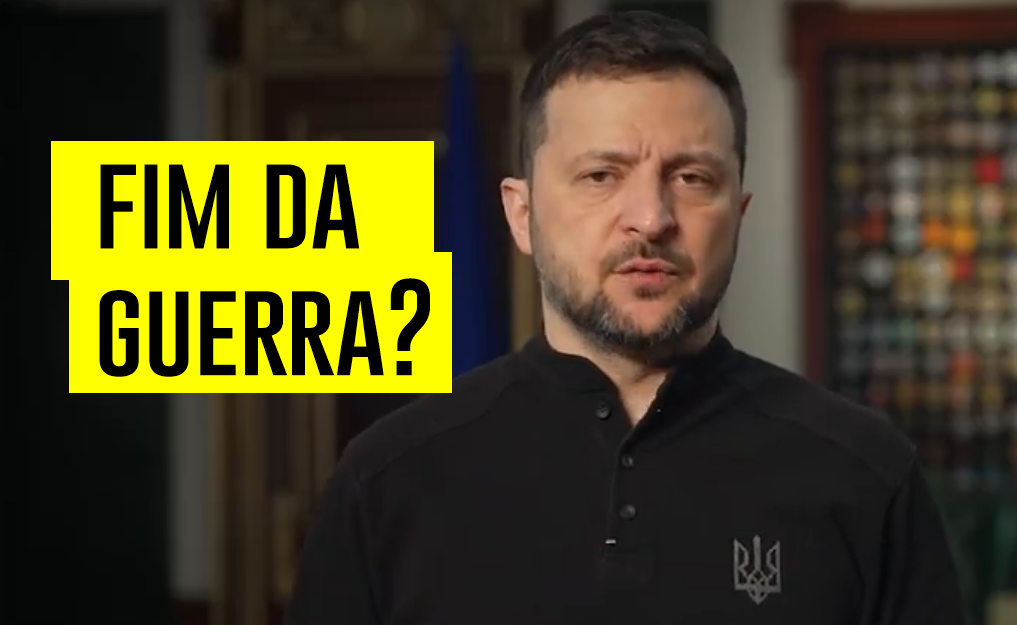
The Ukrainian President Volodymyr Zelensky Presented a New Proposal to End the War in Ukraine, Rekindling Hopes for a Peace Agreement on the Horizon.
With little time before Donald Trump returns to the presidency of the United States, Ukrainian leader Volodymyr Zelensky presented this Monday (9) yet another proposal to try to end the war in Ukraine that has devastated his country for almost three years.
The new plan calls for maintaining the current front lines and allowing foreign forces into Ukrainian territory, even without Kiev’s accession to NATO.
The idea, however, faces predictable resistance from Russia and Western powers. The proposal comes shortly after the rejection of a previous version that suggested partial entry of Ukraine into NATO, considering only the 80% of the territory currently controlled by Kiev. The military alliance responded coldly, opting to continue arming Ukrainian forces.
-
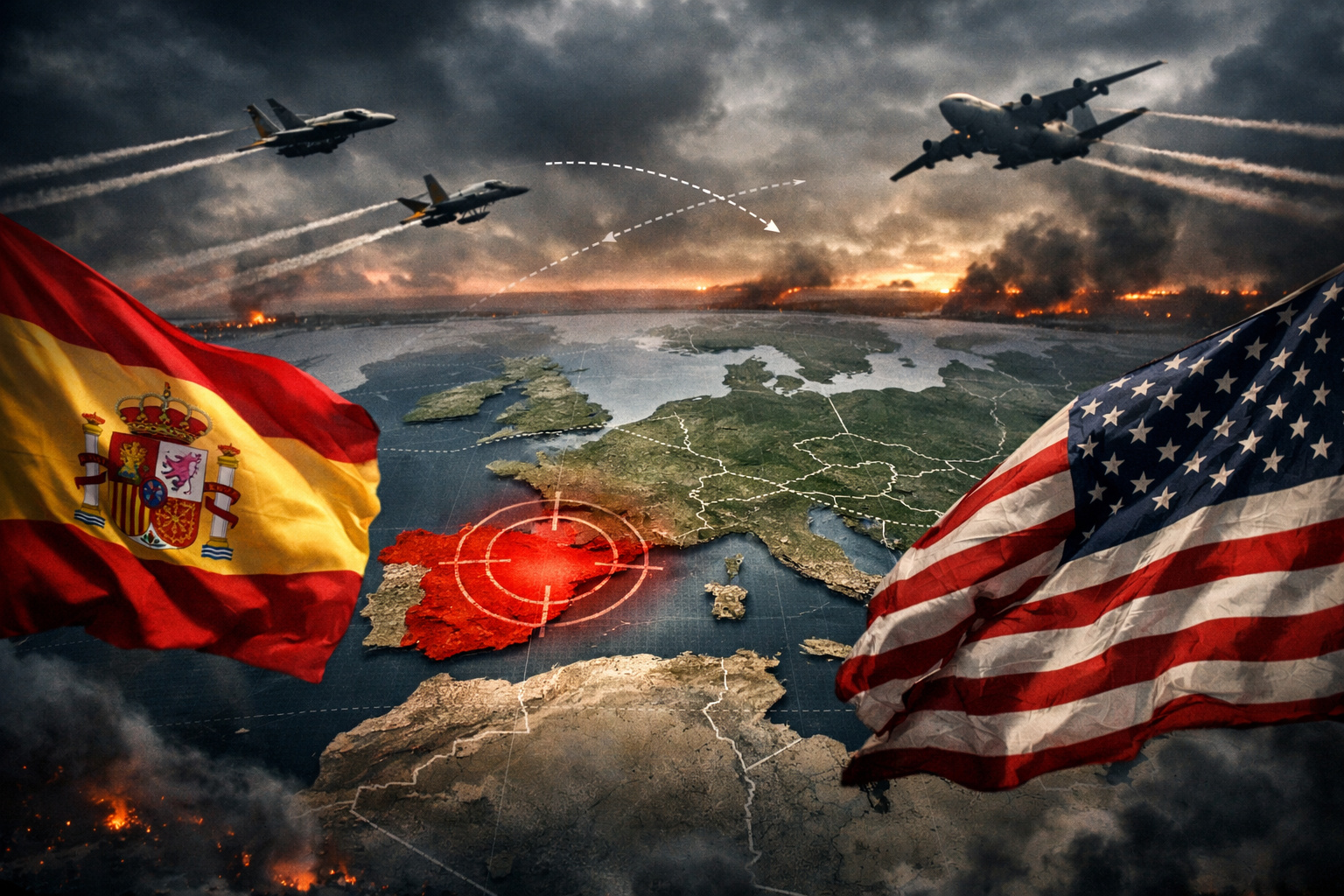
Spain challenges the USA and closes its airspace for operations against Iran, raising global tension and provoking the threat of a trade rupture.
-
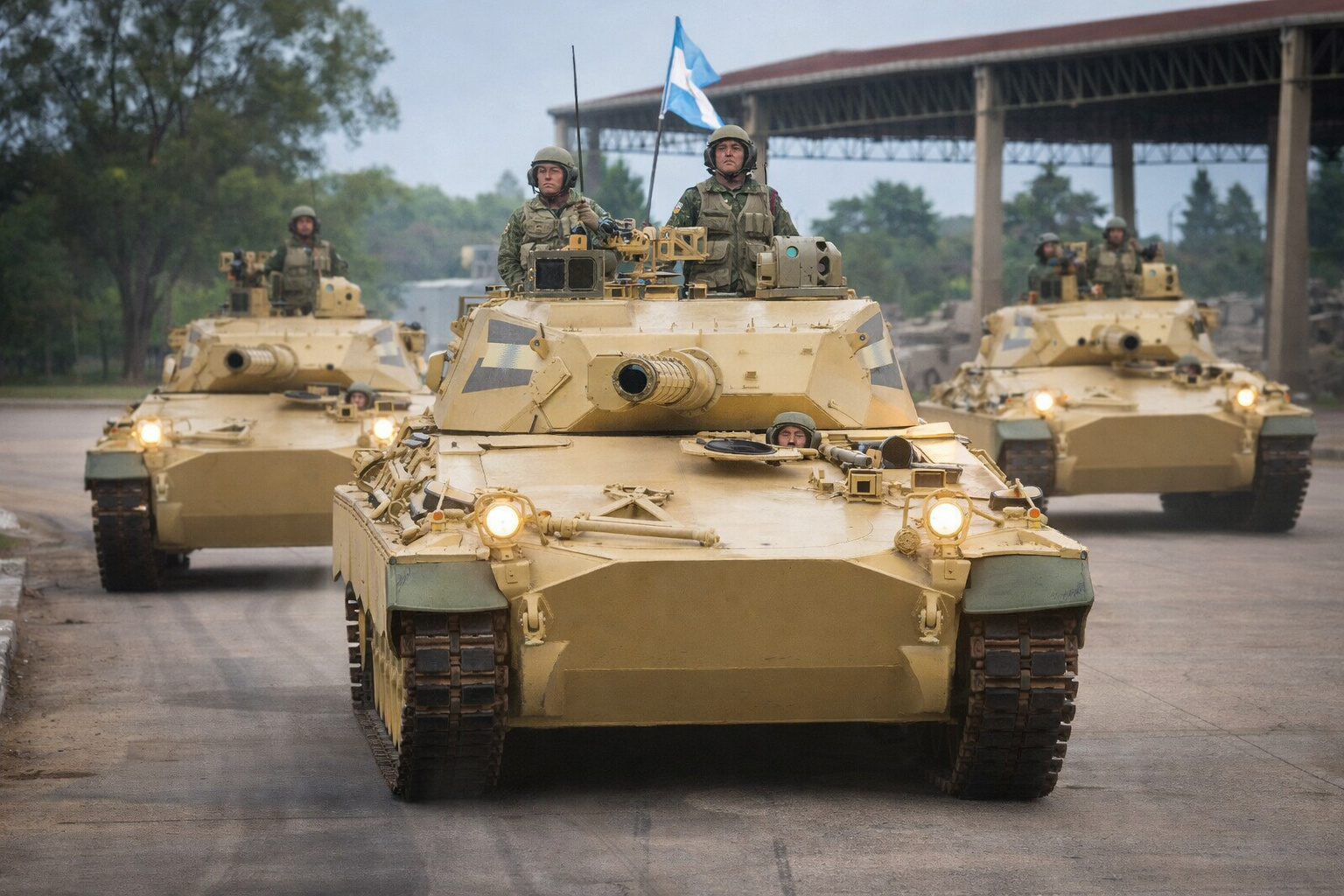
While no other country manufactures tanks in Latin America, Argentina activates the TAM 2C-A2 and raises a curiosity about the technological lag in the region.
-
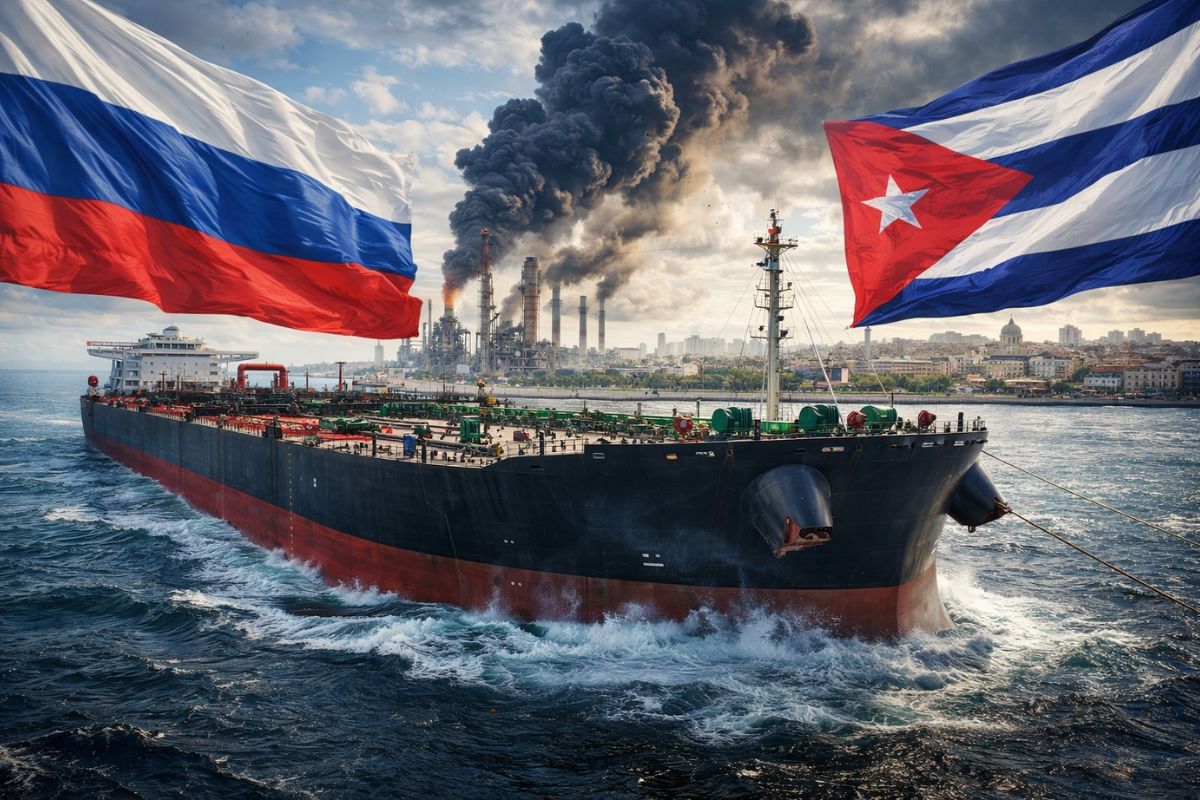
A Russian ship with 730,000 barrels of oil has just arrived in Cuba while Mexico negotiates fuel sales through private companies: the communist island is desperately seeking alternatives after losing its supply from Venezuela due to American military action.
-
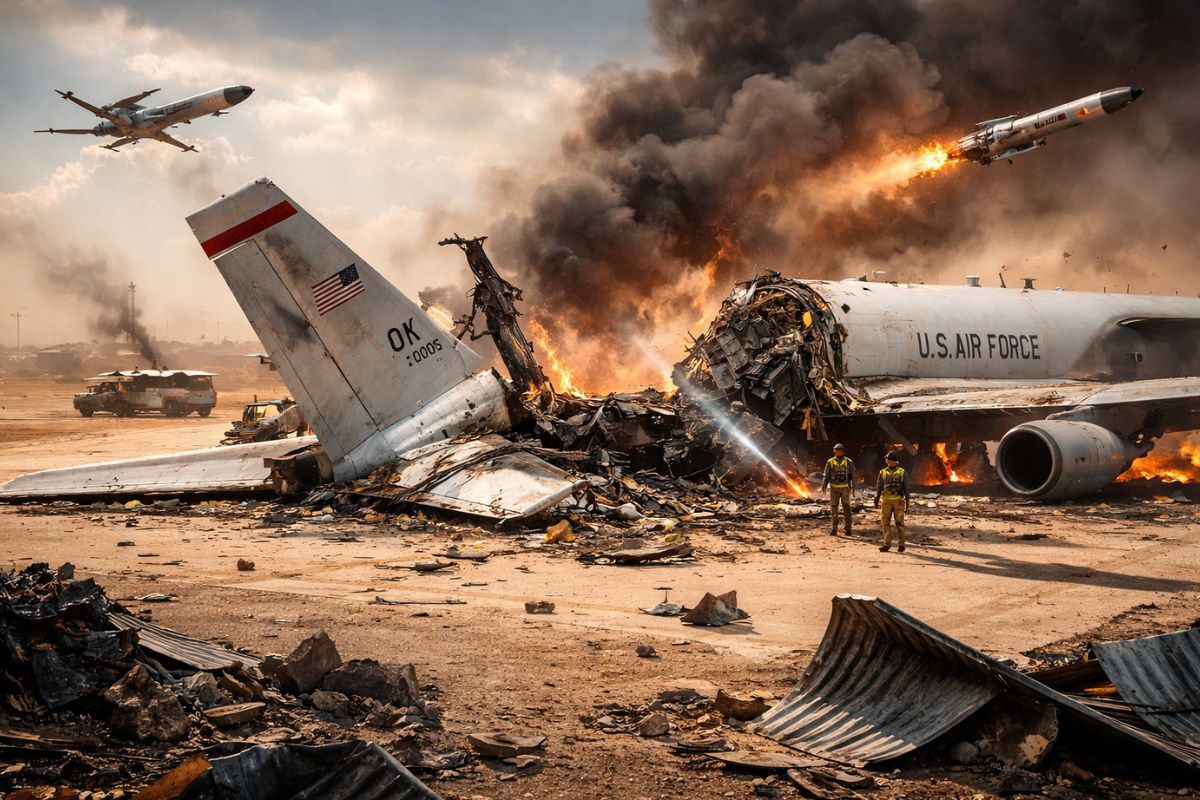
Iranian drones and missiles destroyed a 270 million dollar American spy plane in Saudi Arabia, splitting the E-3 Sentry aircraft in half and injuring 12 military personnel in an attack that exposes the vulnerability of U.S. bases in the Persian Gulf.

Moreover, Washington pressured Kiev to expand military conscription, suggesting that the minimum age for drafting soldiers be reduced from 25 to 18 years. Zelensky’s government, in turn, is trying to balance military survival with the preservation of its young population.
An International Stalemate
The main obstacle to the plan presented by Zelensky is the possibility of indirect NATO involvement in the conflict. If foreign forces, even if not officially linked to the alliance, enter Ukrainian territory, the gesture could be interpreted by Vladimir Putin as a declaration of war.
Similar ideas were previously discussed by France and Poland, but NATO’s mutual defense clause, which could drag all its members into the conflict, made those plans unfeasible. Now, France may have influenced Zelensky to revisit the approach, following meetings with leaders such as Emmanuel Macron and Friedrich Merz, leader of the German opposition.
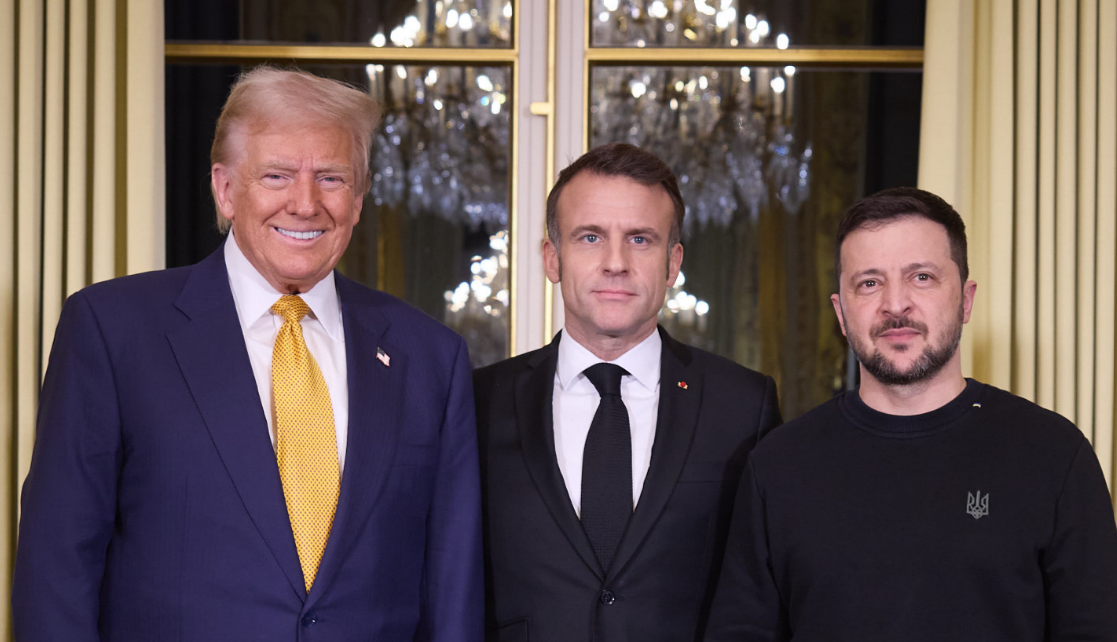
On Sunday (8), Zelensky was in Paris with Macron and former President Donald Trump during the reopening of the Notre-Dame Cathedral. Trump, who adopts a critical discourse towards the war in Ukraine, called for an immediate ceasefire and negotiations to end the conflict. Despite the American position, his statements suggest pressure on Ukraine to concede more to the Russians.
A Diplomatic Turn
Zelensky’s proposal signals a significant shift in his approach. Last week, he had already admitted the possibility of relinquishing territories in exchange for a temporary ceasefire. Previously, this idea was unacceptable to the Ukrainian leader.
“We want this war to end more than anyone. A diplomatic solution would save many lives,” Zelensky stated. He also emphasized the importance of clear timelines for Ukraine’s entry into the European Union and NATO, should the proposal be considered.
Still, Moscow’s position remains inflexible. Putin demands that Kiev fully cede the territories annexed by Russia in 2022, commit to neutrality, and disarm its armed forces. These conditions, deemed extreme, make an agreement along the lines suggested by Zelensky unlikely.
Unfavorable Military Scenario
Russia continues to make advances in eastern Ukraine, particularly in the Donetsk region. This scenario strengthens Putin’s position and weakens Zelensky’s negotiating margin. With Russian troops gaining ground, the war seems far from a favorable conclusion for Kiev.
Still, both sides maintain indirect dialogues. Meetings between emissaries have taken place in locations such as Doha, suggesting at least a minimal willingness for talks. However, without mutual concessions, the conflict remains unresolved.
What Lies Ahead in the War in Ukraine?
With Trump possibly taking the White House soon, new variables could influence the scenario. The former president has already indicated that he will seek a quick resolution to the war, which could mean increased pressure on Zelensky to accept Russian terms.
Zelensky’s stance shows signs of fatigue, but also an attempt to preserve what remains of Ukrainian sovereignty. The path to ending the war, however, seems increasingly conditioned to a tough choice: cede territories or prolong a devastating conflict.
Time is running against Kiev, but it also challenges Moscow’s ability to sustain its advances. Meanwhile, the war continues to be one of the greatest geopolitical challenges of the century, with no clear winner in sight.






-

Uma pessoa reagiu a isso.