





 Portuguese
  English
  Spanish
  5 min of reading
  0 comments


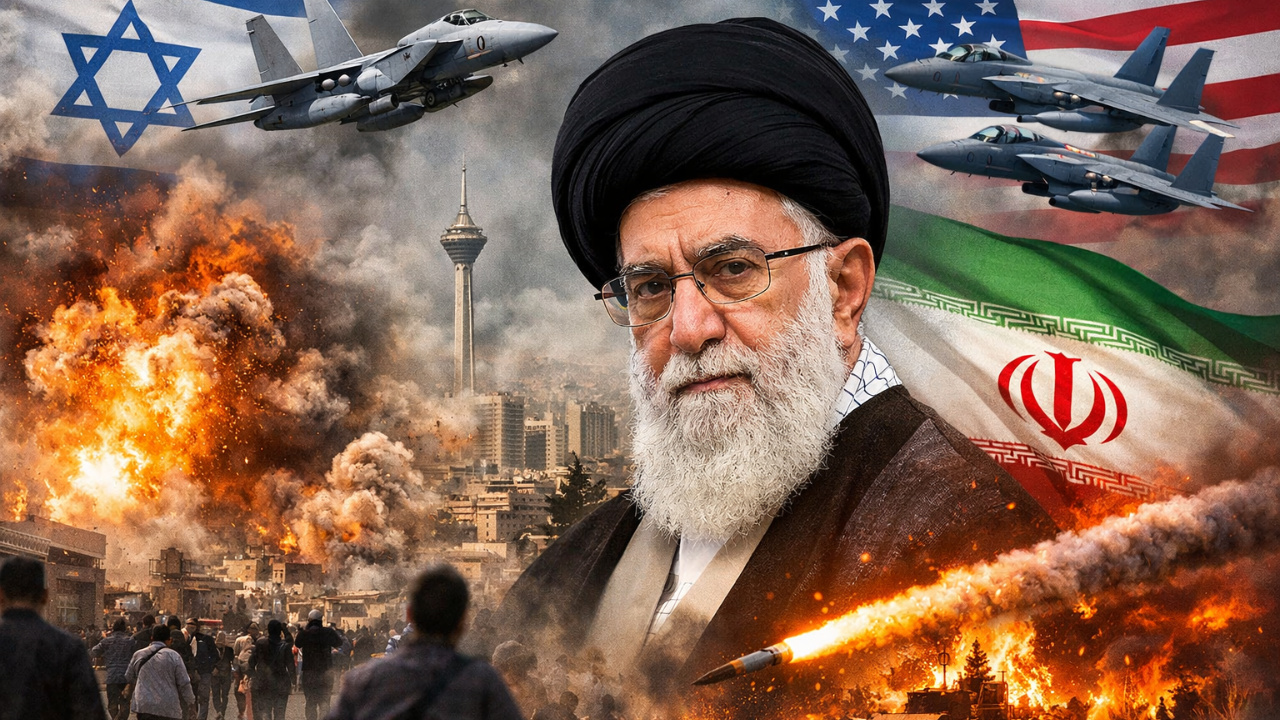
Israel Attacks Expand The Iran War And Raise Tension In The U.S. Conflict. Some Of The Population Supports Military Intervention Against The Iranian Regime.
The Iran War has entered a new and dramatic chapter on the morning of this Saturday (02/28), when explosions were reported around 9:40 AM local time (3:10 AM in Brasília) in various cities across the country.
The attacks, attributed to the United States and Israel, hit strategic areas, including points in Tehran, the Iranian capital.
The offensive comes amid an escalation of the U.S. Conflict with the Tehran government and reignites the debate about a possible military intervention to overthrow the Iranian regime.
-
USA and China compete for Brazil over resources that could be worth trillions — rare earths put the country at the center of a global dispute

-
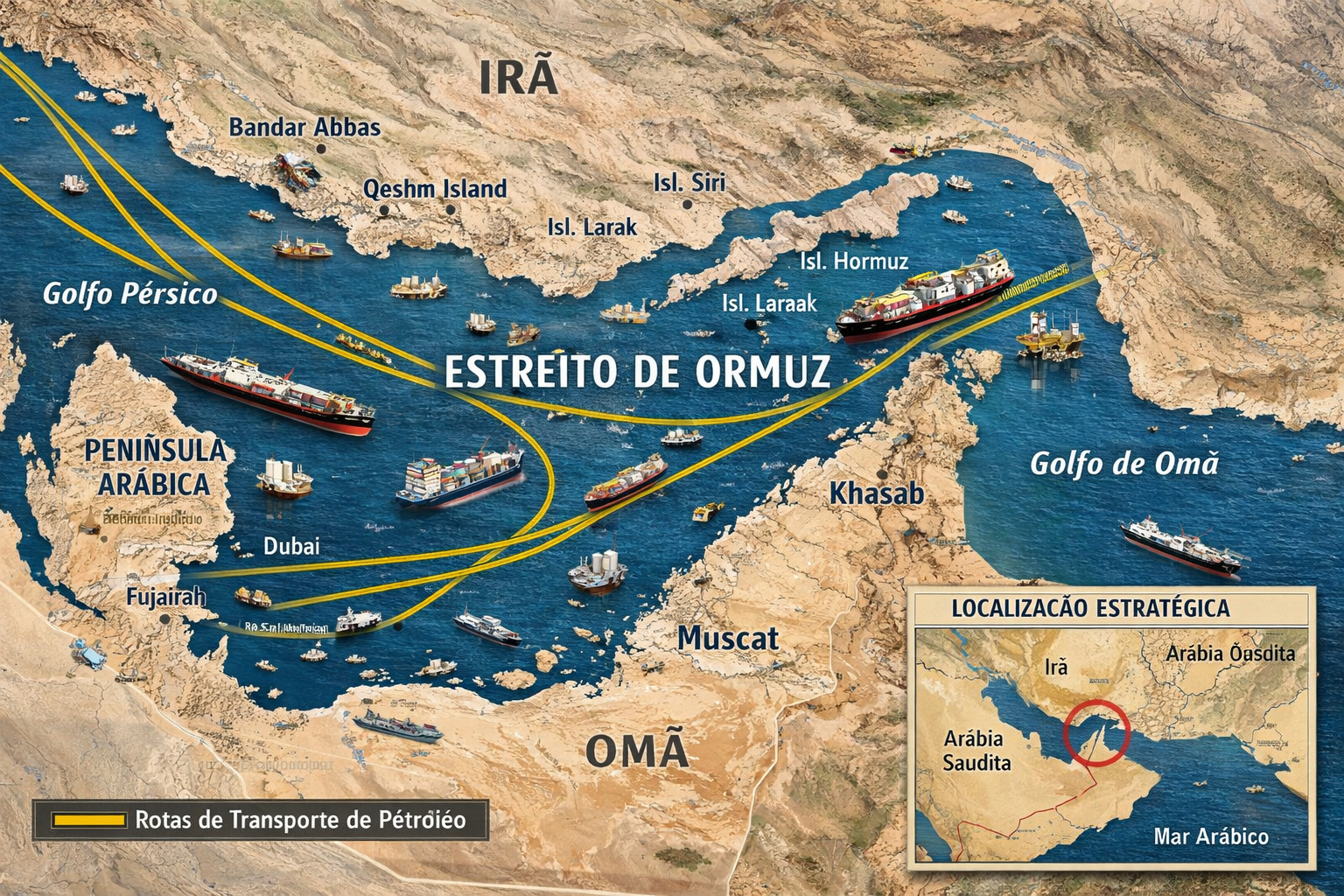
Global summit with over 40 countries pressures Iran for a blockade in the Strait of Hormuz and warns of direct impact on oil, food, and the global economy.
-
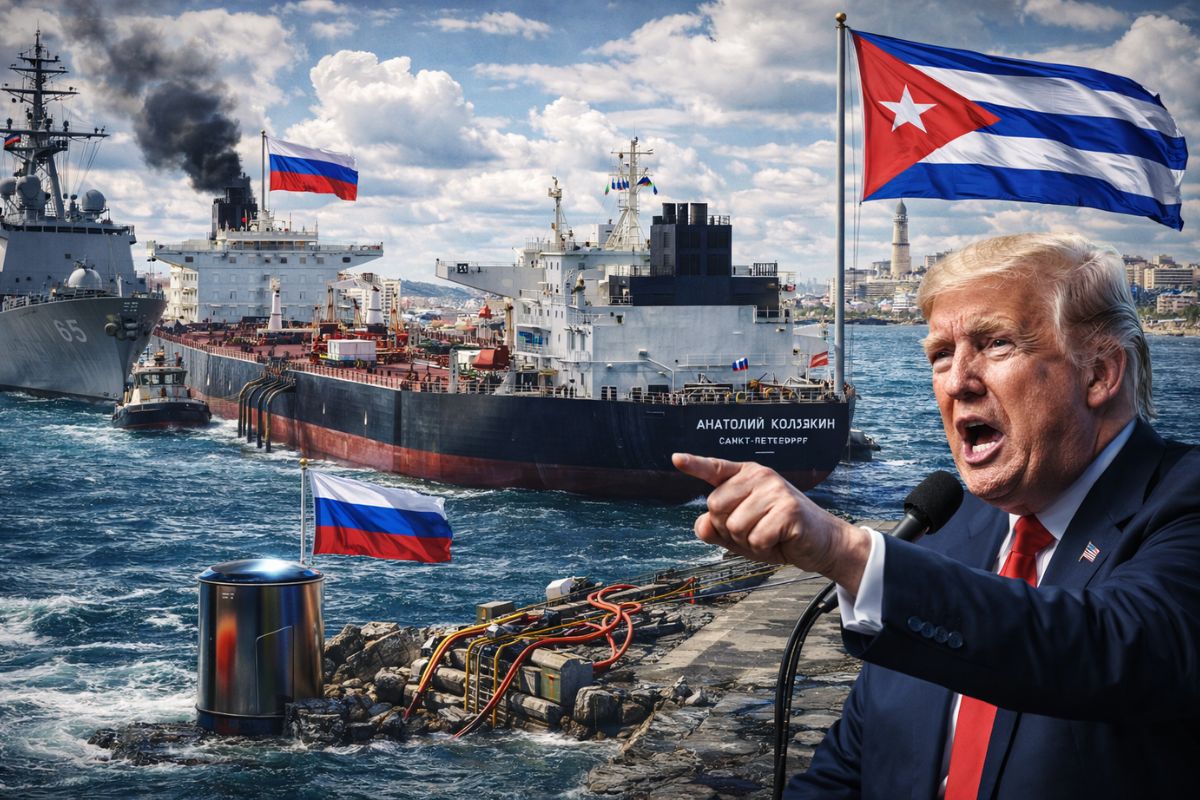
Russia has broken the U.S. maritime blockade to send oil to Cuba and is now loading a second ship while Trump says that “Cuba is next” in a possible military action against the island.
-
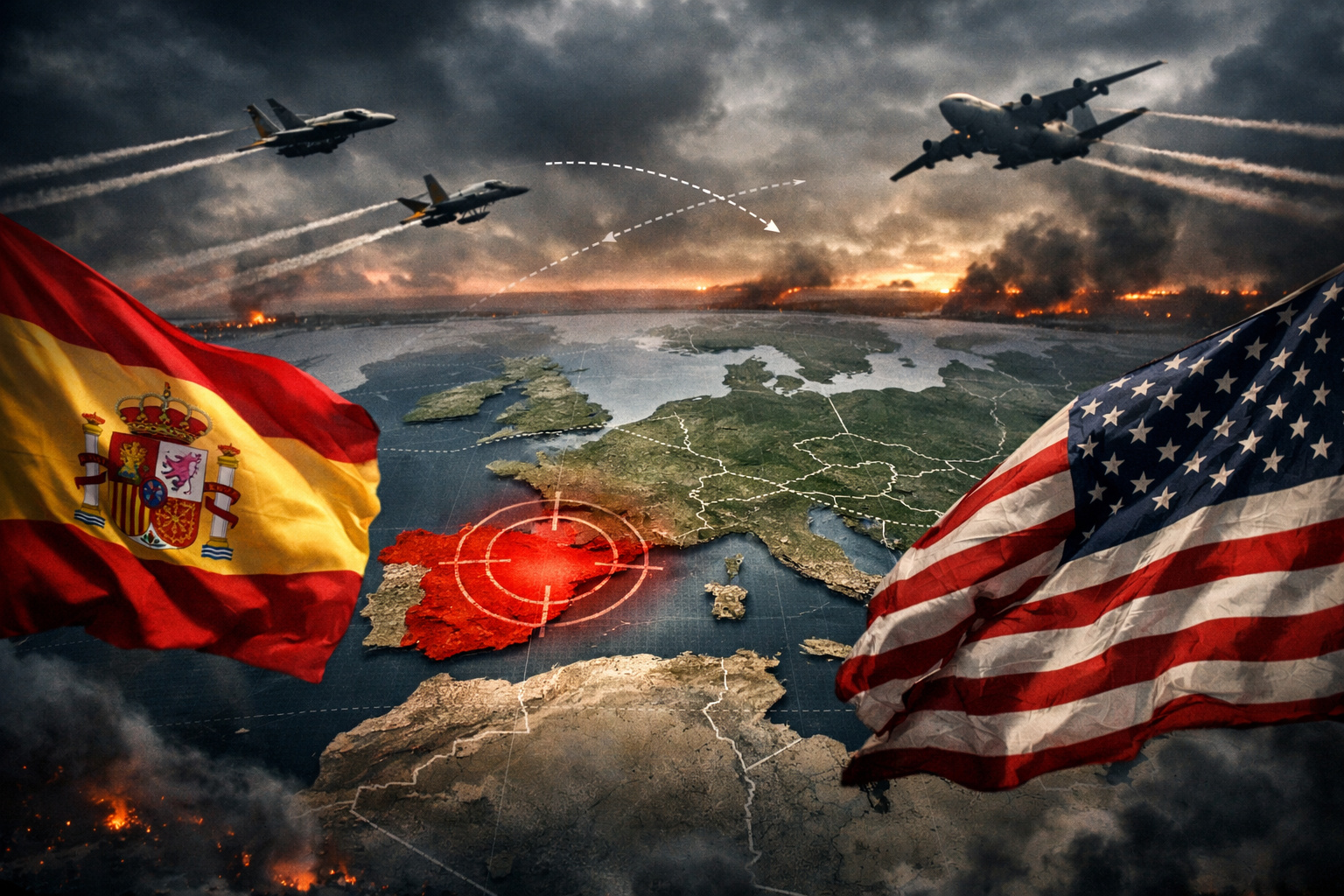
Spain challenges the USA and closes its airspace for operations against Iran, raising global tension and provoking the threat of a trade rupture.

Reports sent to the BBC Persian service indicate that the atmosphere in the streets is a mix of panic, uncertainty, and, surprisingly, celebration among government opponents.
As residents ran scared after hearing explosions, groups opposed to the regime saw the Israel Attacks as a possible historic turning point.
Iran War: Explosions And Mass Escape In Tehran
Residents from different regions reported hearing loud detonations early in the day.
Videos shared on social media show people running, with screams and cries in the background.
In one of the recordings, a woman states, with a tone of relief, that the residence of Ayatollah Ali Khamenei was hit.
Another video shows teenagers in a school dancing and singing after the attacks, saying, “I love Trump.”
Since the night before, there were signs that something might happen.
Long lines formed at gas stations and many residents of Tehran left the city heading north, towards the Caspian Sea, considered safer.
U.S. Conflict And Internet Blackout Aggravate Tension
With the advance of the Iran War, the country is facing an almost total internet blackout.
Communication with the outside world has become extremely limited, increasing the sense of isolation.
Some Iranians managed to gain temporary access through the Starlink satellite internet system from SpaceX, in addition to using VPNs (virtual private networks that allow bypassing blocks).
Still, the flow of information remains restricted.
A pro-regime source told the BBC:
“We heard many explosions. I live in the middle of Tehran.
This was a normal day until the United States and Israel started attacking the city. Our children went to school in the morning. We had to go pick them up.”
Another resident described hearing jets flying over the city before two large explosions. According to him, the atmosphere was that of war, and many began stockpiling canned food.
Military Intervention Divides Opinions About The Iranian Regime
Although fear is widespread, there are also those who see the Israel Attacks and the U.S. Conflict as an opportunity for the regime’s downfall.
According to the BBC Persian service, many Iranians who survived recent violent crackdowns now advocate for military intervention as the only way to change the political system.
On social media, before the blackout, dramatic messages began circulating. One user wrote:
“If I die, do not forget that we also exist — those of us who oppose any military attack, those of us who will become just a number in the death toll.”
Another vented:
“Cursed is the Islamic dictatorship that caused this war. We have already endured three wars.”
“Take Care Of Our Children”: Fear And Despair In The Iran War
The fear for children has become one of the most recurring themes in online posts.
Many parents reported anguish for having sent their children to school just hours before the explosions.
One user wrote:
“The internet is almost down… If the network goes completely offline, know that we are not soldiers of any leader, nor collateral damage. We are human beings and have a right to life.
Try to make our future democratic, not dependent on individuals.”
Another message moved internet users:
“Promise that if something happens to us, you will take care of our children and be very, very kind to them.
Tell them we did everything we could — we participated in silent marches, voted, worked multiple shifts, and endured great hardships.”
Israel Attacks And Accusations About School Increase Anger
The situation became even more delicate after Iranian state media stated that an Israeli strike had hit a girls’ school in Minab, resulting in the deaths of dozens of students.
There is no independent confirmation of the incident.
An Iranian living abroad criticized the offensive:
“The first victims of this war are 40 girls in Minab, hit by a missile attack.
Is this the war you applaud?”
On the other hand, part of the population questions the official versions of the Iranian regime.
Thus, distrust runs deep, especially after recent episodes of violent repression of protests.
One user wrote:
“Even if the regime did not target schools directly, the deaths of children in Minab remain the responsibility of the Islamic Republic.
Therefore, people have no shelters, the internet is down, phone lines are out of order, and there was no warning to keep children out of school. Under these conditions, the least that should be done is to stay home.”
Iran War Can Redefine The Future Of The Country
The outcome of the current Iran War is still uncertain.
Part of the population believes that the U.S. Conflict and the Israel Attacks could accelerate the end of the regime.
However, others fear that if the government survives the offensive, it may respond with even more repression.
Thus, the country remains divided between hope and fear.
Meanwhile, the world watches closely.
Therefore, the possibility of regional escalation and broader military intervention keeps tension high, with impacts that may extend beyond the borders of the Middle East.
See more at: Israel And U.S. Attacks On Iran Cause Panic, But Also Relief For Some Iranians – BBC News Brasil








-

Uma pessoa reagiu a isso.