





 Portuguese
  English
  Spanish
 5 min of reading
  0 comments


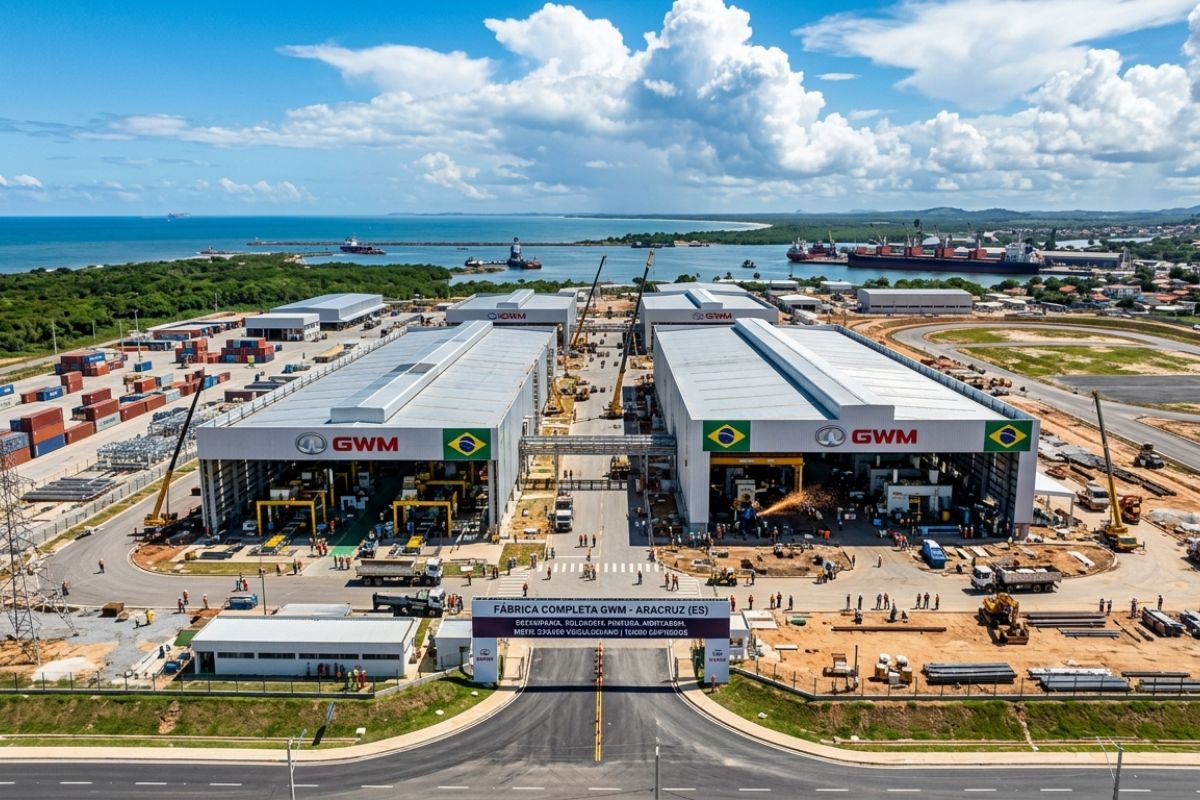
GWM will install a factory in Aracruz, Espírito Santo, with stamping, welding, painting, and assembly, aiming for 200 thousand vehicles per year and up to 10 thousand jobs
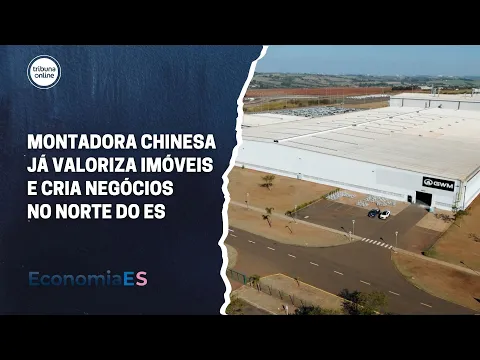
The GWM has put Espírito Santo on the radar of the automotive industry by choosing Aracruz to host its new and most advanced factory in the Americas. The project foresees a complete industrial plant, with stamping, welding, painting, and final assembly, forming an integral production cycle in the state.
The initiative is seen as an economic milestone for the capixaba territory, with an expected capacity of up to 200 thousand vehicles per year and the potential for up to 10 thousand direct and indirect jobs in the operational phase, as well as thousands of jobs during construction, according to the information presented in the report.
Why the arrival of GWM changes the level of industry in Espírito Santo

The establishment of GWM is seen as a move that helps diversify the economy of Espírito Santo, increasing the state’s participation in higher value-added production chains.
-
Labor shortages are prompting Portugal, Spain, Germany, and Canada to open up opportunities for foreigners in 2026, with salaries ranging from 920 euros in Portugal to 50,700 euros per year in Germany.

-
The government is considering a temporary subsidy for cooking gas following the spike in oil prices due to the war in Iran and warns about the impact of 20% of imports on the prices paid by families.
-
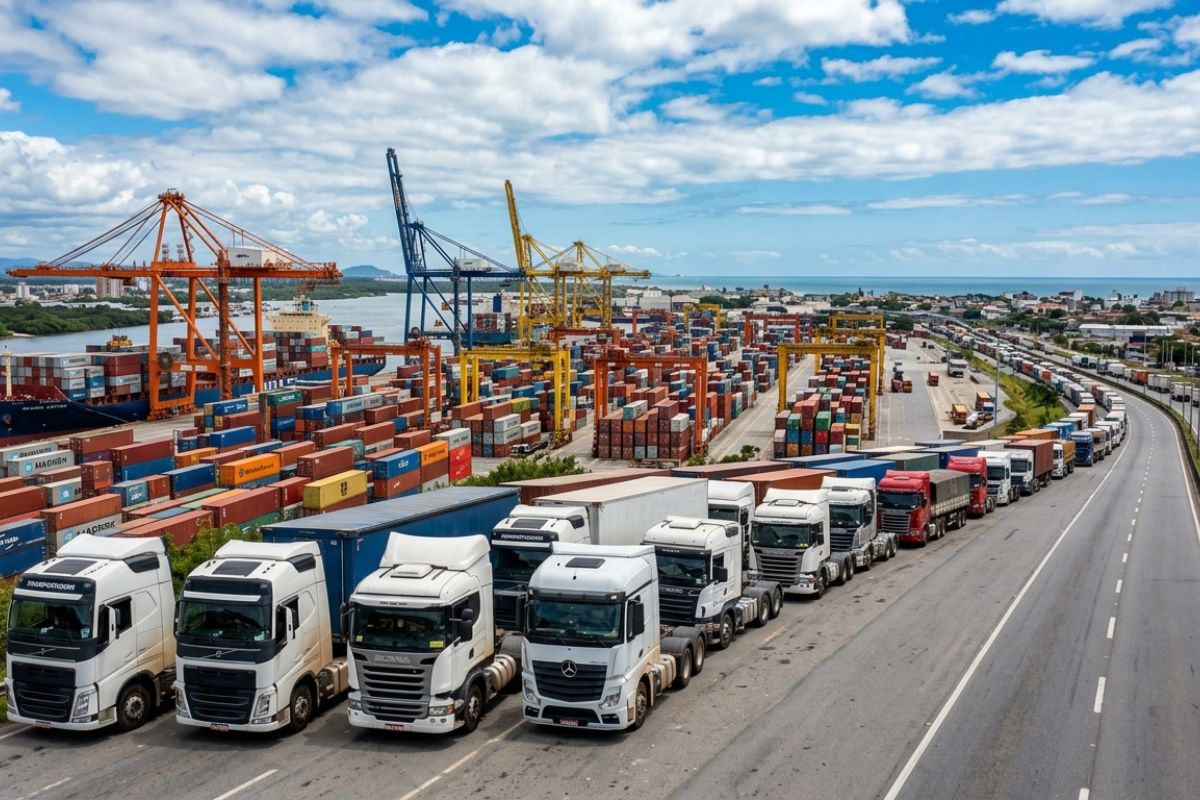
The lack of truck drivers in the country is already halting shipments and threatening deadlines: 88% of transport companies are unable to hire, with an average of eight trucks idle, and the port complex of Itajaí is now feeling the impact.
-
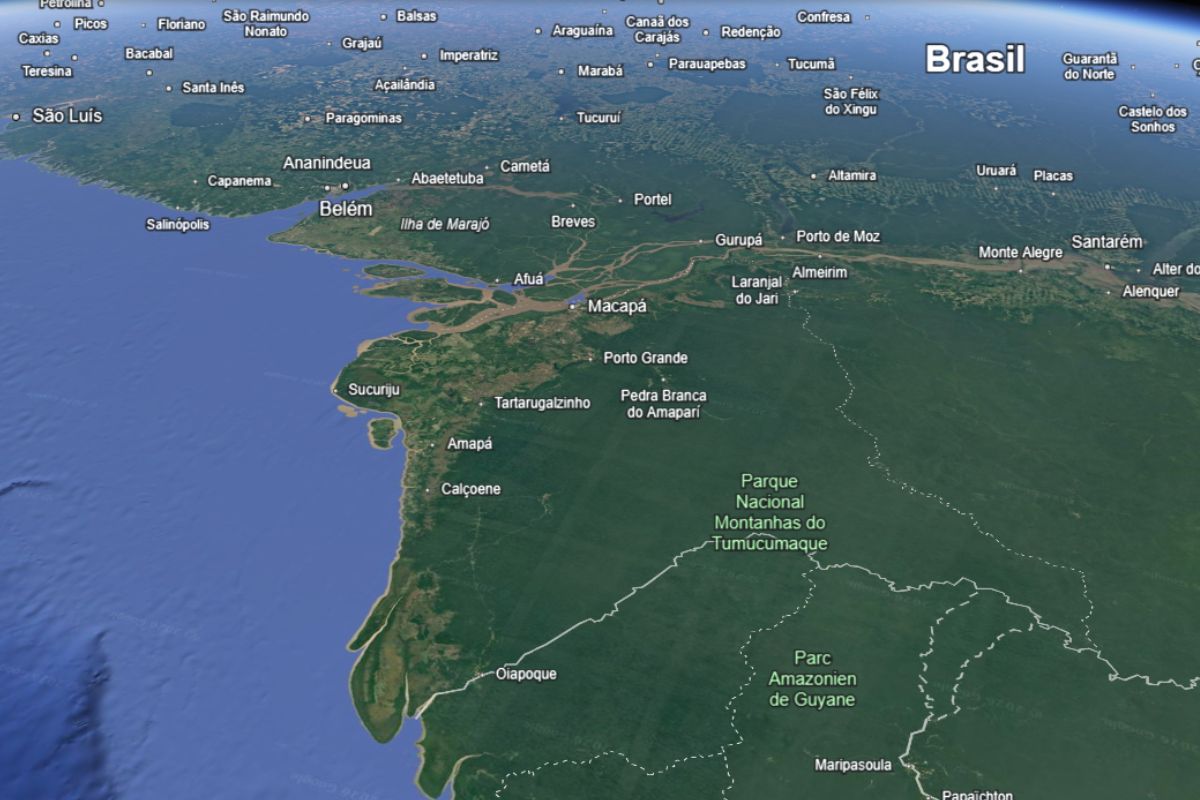
Petrobras is about to transform a forgotten city in the far north of Brazil into the capital of oil: Oiapoque is already feeling the effects even before the first drop of oil comes out from the seabed.

The project is also connected to the energy transition, as the discussion highlights the production and assembly of hybrid and electric vehicles in the state.
In the assessment presented, Espírito Santo more clearly enters the route of the automotive industry, with a larger scale enterprise than what the company already operates in another unit in the country, reinforcing the potential for income generation and attraction of new businesses.
Complete factory in Aracruz: stamping, welding, painting, and assembly
One of the central points of the announcement is that the GWM unit in Aracruz was described as a complete factory, not just a limited assembly operation.
The proposal includes stamping, welding, painting, and final assembly, which characterizes integral vehicle manufacturing in Espírito Santo.
This format is presented as a differential because it increases local industrial complexity and tends to create demand for suppliers, services, and labor at different levels, from technical to specialized.
Capacity of 200 thousand vehicles per year and impact of up to 10 thousand jobs
The numbers cited in the report place the GWM plant at a large scale: up to 200 thousand vehicles per year.
This volume is associated with a direct effect on the economy, mainly by moving supply chains and increasing the need for support services and infrastructure.
In the labor market, the impact is also described as significant. The report mentions that, during construction, thousands of jobs are expected to be created, and that in the operational phase the project could reach up to 10 thousand direct and indirect jobs, with the potential to transform the local dynamics.
What influenced the choice: business environment, fiscal solidity, and quick response
The process of attracting GWM is described as technical and data-driven. Among the highlighted factors are geographic location, proximity to the consumer market, and a perception of fiscal solidity, as well as legal security and institutional predictability.
Another point mentioned was the creation of a centralized service to consolidate information and accelerate decisions.
The report states that, in response to demands for data on energy and gas in the assessed region, there was a quick mobilization to bring the responsible companies to the same table, shortening steps that in other places could take longer.
Logistics and infrastructure as a competitiveness argument
The discussion also connects the arrival of GWM to the advancement of logistics works and solutions in the state. Investments and structures such as Park Log, ZPE, and bypass works were mentioned, along with the idea that Espírito Santo has been preparing in advance to receive investments of this scale.
The state’s logistical vocation appears as an additional advantage. The report mentions that a significant portion of the hybrid and electric vehicles imported by Brazil entered through capixaba ports in 2024 and 2025, reinforcing the view of a connection platform between cargo, the national market, and abroad.
Labor and qualification: the challenge that becomes an opportunity

The need for labor is treated as a cross-cutting challenge, not just for the industry. In the case of GWM, the discussion points out that there will be demand for technical training and specialization, as a complete factory requires new skills for the state.
The report provides examples of how this can be addressed: creation and adaptation of courses in local institutions, training and qualification aimed at industrial operation.
In addition to the participation of professionals to support the formulation of these programs. The idea presented is that local training and attraction of external experience can go hand in hand.
Urban planning to avoid past mistakes
Another important theme is planning. The discussion recalls that, decades ago, large industrial projects were implemented without modern tools for territorial management, which generated social and urban impacts that are difficult to mitigate.
Now, the arrival of GWM is placed within a scenario where there are more planning tools, allowing for more orderly and sustainable growth, combining economic development, social policies, and urban organization, according to the approach presented.
Chain effect: suppliers, services, and new investments
The conversation reinforces that the arrival of GWM not only transforms the automotive industry but tends to generate demand in services and commerce, impacting different professional profiles and companies.
There is also the expectation that the project will help attract suppliers and new enterprises, expanding the productive base of Espírito Santo.
There is still the view that the state can become more competitive for new rounds of investment, including from foreign companies, focusing on technology and specialization.
In your opinion, will the arrival of GWM in Aracruz accelerate job generation or the attraction of suppliers and new businesses in Espírito Santo more?







Seja o primeiro a reagir!