





 Portuguese
  English
  Spanish
  3 min of reading
  0 comments



Finance Minister Fernando Haddad Stated That Some Sectors May Be Distorting The Judicial Recovery Tool Used To Avoid Bankruptcy In Brazil, And Promised Detailed Analysis Of The Cases
The Minister of Finance, Fernando Haddad, declared this Saturday (27) that his team is closely evaluating the growth of judicial recovery requests and investigating possible abusive uses of this mechanism by companies in certain sectors. The statement came during an interview on the podcast “3 Irmãos” and brought a new focus to the debate on the integrity of the legislation aimed at avoiding bankruptcy in Brazil.
Haddad emphasized that judicial recovery remains an essential tool to provide relief to struggling companies, but he stressed that there are indications of “small abuses” in specific segments, which may be taking advantage of the law in a distorted manner. According to him, the cases are still under analysis and may support future oversight measures.
What Is Judicial Recovery And How Does It Work
Envisioned in Brazilian legislation, judicial recovery allows companies in financial distress to reorganize their debts and avoid bankruptcy.
-
Brazil Ignores Trump’s threats to BRICS, Buys 42 tons of gold and reduces the Dollar’s share by 6.45% in international reserves.

-
Havan buys historic football land in Blumenau for a million-dollar amount protected by a confidentiality clause and is already planning to change even the layout of streets to build a megastore in half-timbered style costing 80 million reais.

-
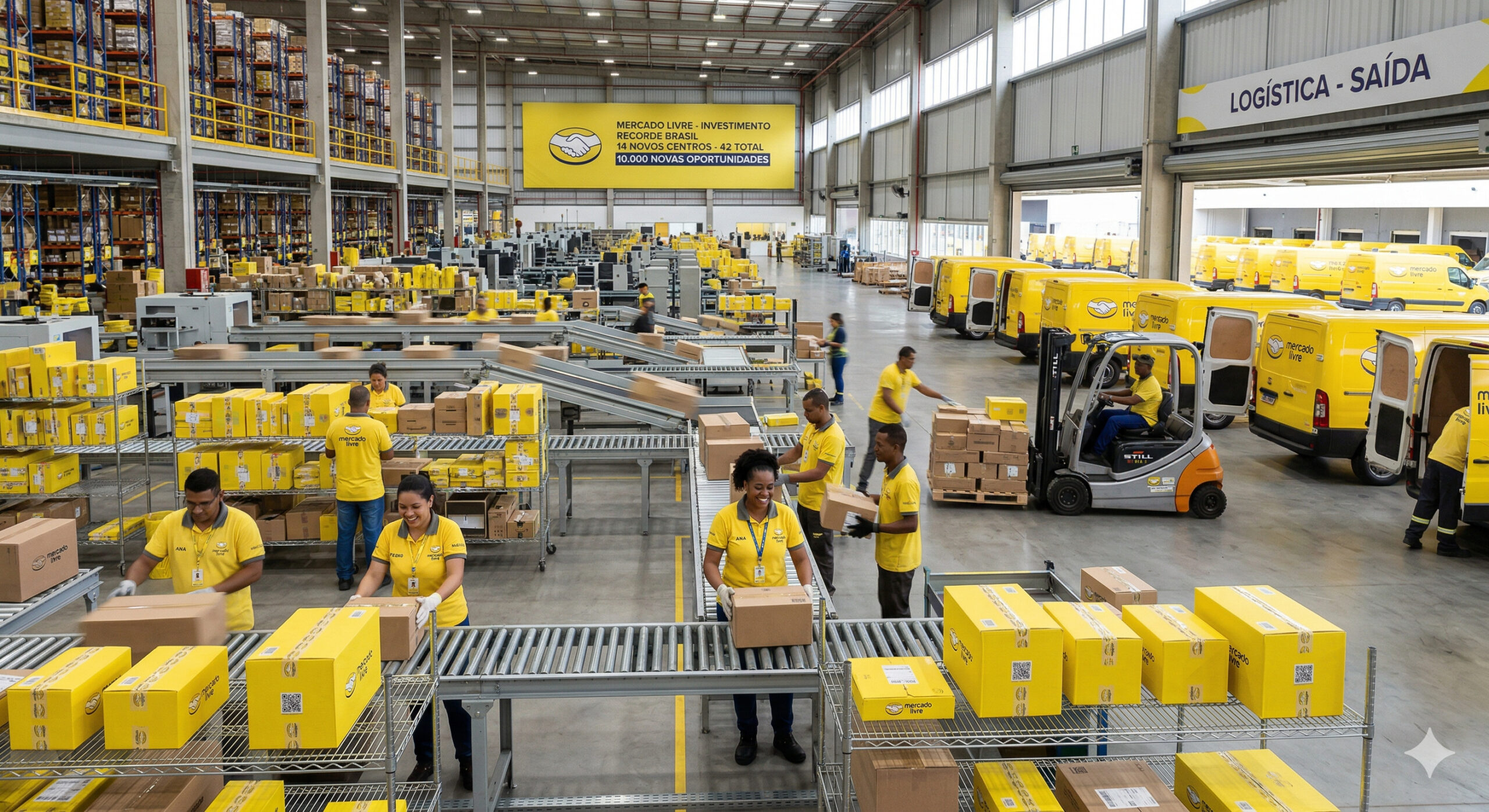
Mercado Livre “opens the vault” and announces a record investment of R$ 57 billion in Brazil in 2026, a value 50% higher than the previous year, with an expansion plan that includes 14 new logistics centers, totaling 42 units in the country and hiring an additional 10,000 employees.
-
How investment in technology can revolutionize the national economy and enhance industrial gains, according to a study that highlights the direct impact on productivity, innovation, and wealth retention within Brazil.


During the process, the company temporarily suspends collections and negotiates new deadlines and terms with creditors, while keeping its operations running.
In practice, it is a resource created to preserve jobs, continuity of production, and market balance.
However, experts warn that when used improperly, the measure can create distortions, harming creditors and compromising trust in the legal system.
High Interest Rates And Impact On Recovery Requests
Another point raised by Haddad was the effect of the Selic rate, currently at 15% per year, on the financial health of companies.
The high cost of credit has made it difficult to roll over debts with banks, pushing some companies to resort to judicial recovery.
In this scenario, the surge in requests reflects not only genuine cases of distress but also opportunistic strategies to buy time in the face of more expensive contracts and restrictive market conditions.
This explains why the Ministry of Finance decided to deepen monitoring.
Sectors Under Suspicion And Ongoing Analysis
Haddad avoided naming which sectors might be committing abuses, emphasizing that the government is still studying the evidence.
“We are studying that in some cases this is drawing attention. But we are studying,” said the minister.
The absence of a clear definition indicates political caution, but does not eliminate the impact of the statement.
The simple acknowledgment that there are distortions already raises expectations of regulatory measures, which can affect companies, investors, and creditors attentive to the developments of the issue.
Possible Consequences For The Market
The government’s investigation seeks to preserve the legitimate function of judicial recovery, preventing it from becoming a shortcut for companies in merely temporary or even artificial situations of financial difficulty.
If the abuses are confirmed, the Ministry of Finance may propose legal adjustments or increase oversight over the use of the tool.
Specialists consulted by the market assess that, if well conducted, this process can strengthen the credibility of the system and reduce risks of economic imbalance.
On the other hand, any abrupt changes in regulation could create legal insecurity and hinder the recovery of genuinely struggling companies.
Haddad’s warning about abuses in judicial recovery exposes a sensitive point in the economy: how to balance support for struggling companies while avoiding the distortion of a tool created to protect jobs and prevent bankruptcy in Brazil.
The issue is expected to gain weight in the coming months, with direct impacts on the business environment.
Do you believe that judicial recovery is being used correctly, or are there sectors taking advantage of the law to avoid responsibilities? How does this affect trust in the market? Share your thoughts in the comments — your experience can enrich this debate.








-

-

-

-

4 pessoas reagiram a isso.