





 Portuguese
  English
  Spanish
  4 min of reading
  0 comments


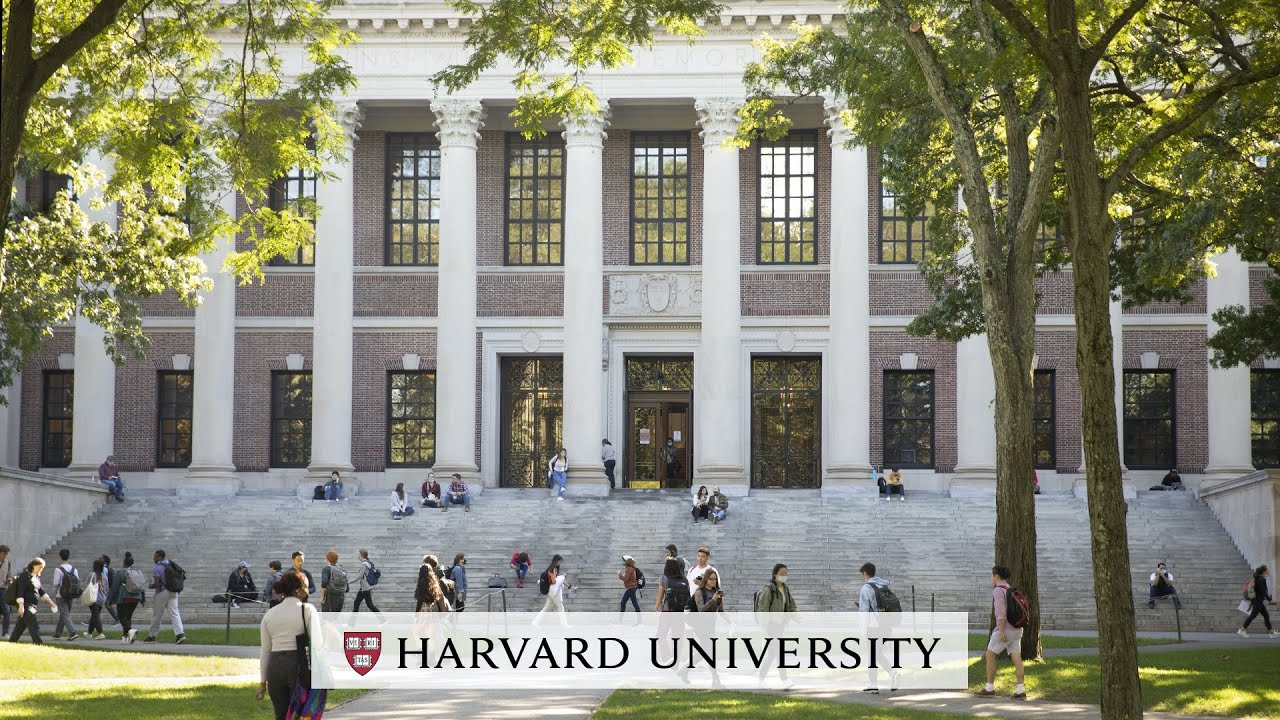
Initiative Aims to Increase Diversity at the Institution, Also Covering Costs of Food, Housing, and Offering Financial Incentives to Students
Harvard University, one of the most prestigious educational institutions in the United States, announced a new scholarship policy aimed at making higher education more accessible. Starting from the academic year 2025-2026, students with an annual family income of up to US$ 100,000 (approximately R$ 570,000) will be exempt from tuition fees, a measure that reflects a greater commitment to social and educational inclusion.
Full Coverage of Costs for Students
In addition to total tuition exemption, this group of students will also have all costs related to food and housing covered by the university.
To ease the transition and initial costs, students will receive a financial incentive of US$ 2,000 (about R$ 11,300) in their first and penultimate years of undergraduate studies.
-
Ports like Santos and Paranaguá are operating at their limits and may block containers as early as 2030, warns a study by Macroinfra; bottlenecks increase costs and delays and push cargo to Rio, Salvador, Pecém, and Suape across Brazil.

-
Lula reveals in an interview that he asked President Xi Jinping three times to invest in a major project in Brazil, the Salvador-Itaparica bridge, which is set to begin in June with the participation of a Chinese consortium and is expected to be extraordinary, according to the president.

-
Neighboring city of Belo Horizonte has properties starting at R$ 139,000 with 90 m² and a price per square meter much lower than the capital, even concentrating automotive, petrochemical, and logistics hubs.

-
Drought in northern Bahia forces family farmers to invest in expensive irrigation and seek microcredit from Banco do Nordeste; with high interest rates and a default rate of 6.5%, the debt becomes a threat to the crops.


This approach seeks to not only alleviate the financial burden but also ensure that students can focus on their studies without the constant worry of daily expenses.
Inclusion for Greater Diversity
Alan M. Garber, president of Harvard University, emphasized the importance of this initiative, stating that “making Harvard financially accessible to more people broadens the diversity of backgrounds, experiences, and perspectives that all of our students encounter, promoting the intellectual and personal growth of everyone.”
This approach aims to enrich the academic experience, ensuring that students from diverse backgrounds can share their experiences.
Diversity is one of the pillars of contemporary education, as it stimulates dialogue and the exchange of ideas among different cultures.
Other Opportunities for Tuition Waivers
In addition to benefits for students with a family income of up to US$ 100,000, the university has also implemented measures for those with an income of up to US$ 200,000 (about R$ 1.3 million).
These students will have a 100% tuition waiver, needing only to cover additional expenses, which represents a significant step toward educational inclusion.
This policy is particularly relevant at a time when the costs of higher education continue to rise, making elite institutions increasingly inaccessible to many.
The Impact of the Accessibility Policy on Higher Education
The decision by Harvard University to expand its scholarship options reflects a growing trend among higher education institutions to prioritize inclusion and accessibility.
With the implementation of these policies, it is expected that more students will benefit from the high-quality education offered by the university, without financial issues being a barrier.
This movement aligns with trends observed at other prestigious universities, such as Stanford and Yale, which have also adopted financial aid policies to attract a more diverse student population.
These initiatives have demonstrated that educational institutions can be both academic and social, creating an environment that promotes equity.
Challenges and Future Perspectives
Despite advancements in inclusion, Harvard University and other institutions still face significant challenges. The issue of student debt remains a concern nationwide, with many graduates struggling to repay their loans.

The offer of full scholarships is a step in the right direction, but there needs to be a continued commitment to ensure that all students have access to quality education.
Additionally, the university needs to ensure that its students feel supported throughout their academic journey. This includes not only financial assistance but also emotional and academic support, such as tutoring and guidance, especially for those coming from underprivileged backgrounds.
A Model to Be Followed with Harvard
The initiative from Harvard University can serve as a model for other institutions around the world.
With the growing demand for higher education and the need for diversification in classrooms, such policies can help shape the future of education.
Inclusion is not only a matter of social justice but also a way to enrich the educational environment, better preparing students for a globalized and interconnected world.
Contribution to a Fairer Society
This scholarship initiative is part of a broader movement among universities in the United States to make their educational offerings more inclusive, promoting greater equity in access to higher education. Harvard’s action may inspire other institutions to follow suit, contributing to a fairer and more diverse society.
By ensuring that students from different backgrounds have access to the same opportunities, the university not only promotes academic excellence but also social responsibility.
With these changes, Harvard is positioning itself not only as an educational institution but as an agent of social transformation, showing that education can be a powerful driver of change and inclusion.
SOURCE: ALOALOBAHIA






Seja o primeiro a reagir!