





 Portuguese
  English
  Spanish
  4 min of reading
  0 comments


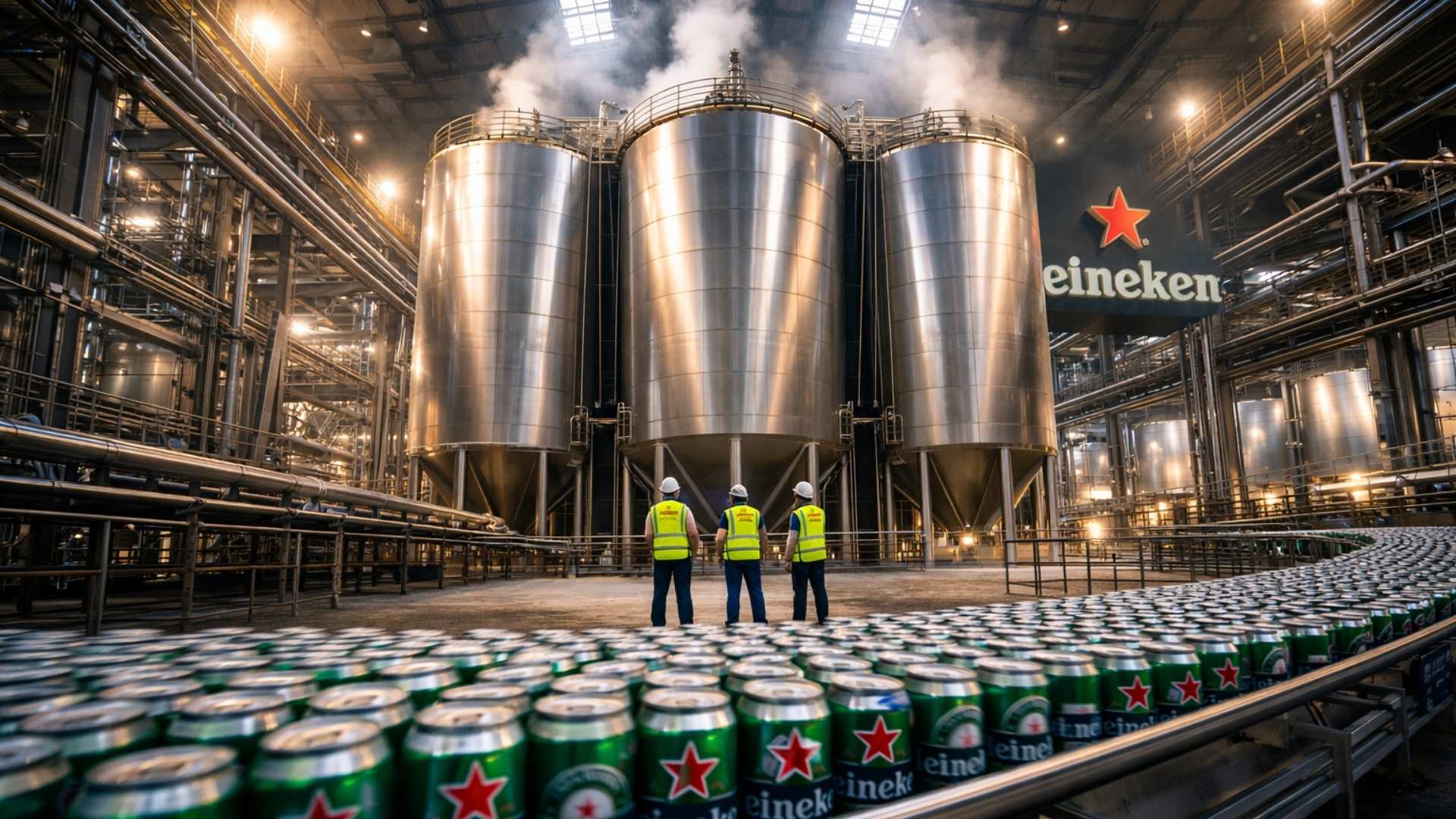
The Minas Gerais unit accelerates production, expands industrial capacity, and reinforces Heineken’s commitment to logistical efficiency, job creation, and sustainable technology in the Brazilian premium and pure malt beer market.
Heineken’s brewery in Passos, in the South of Minas Gerais, reached the milestone of 1 million hectoliters produced four months after starting operations.
The result is equivalent to about 300 million cans of beer.
The milestone was achieved at a unit inaugurated on November 6, 2025, built from scratch and designed to increase the supply of Heineken and Amstel brands in the Brazilian market.
-
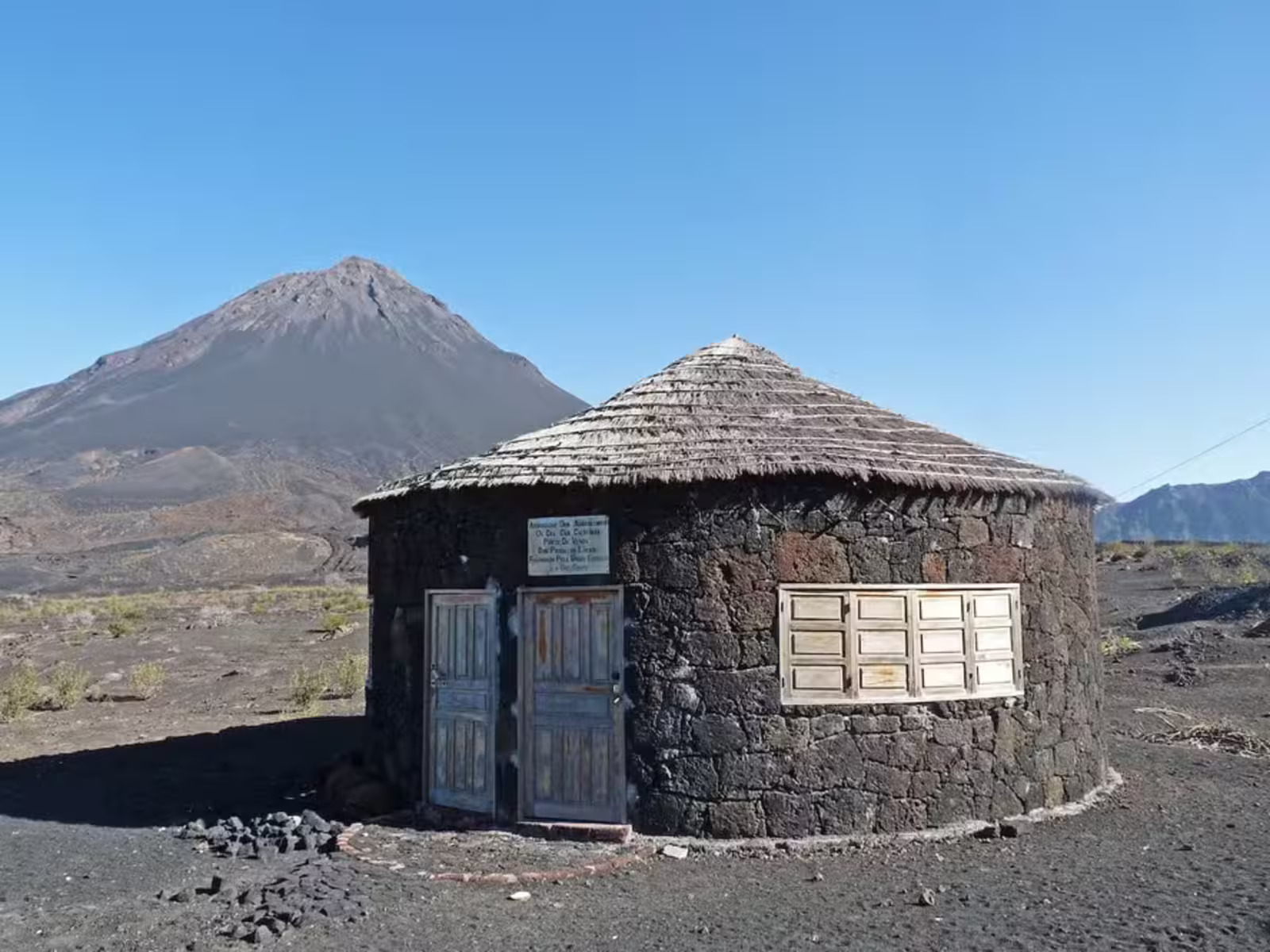
Inside an active volcano in Africa, residents use volcanic rocks to build houses in an impressive setting.
-
After 14 years of waiting, a rammed earth mansion built in 1702 in the North Zone of São Paulo will become a park with leisure facilities and green areas, with a million-dollar investment.

-
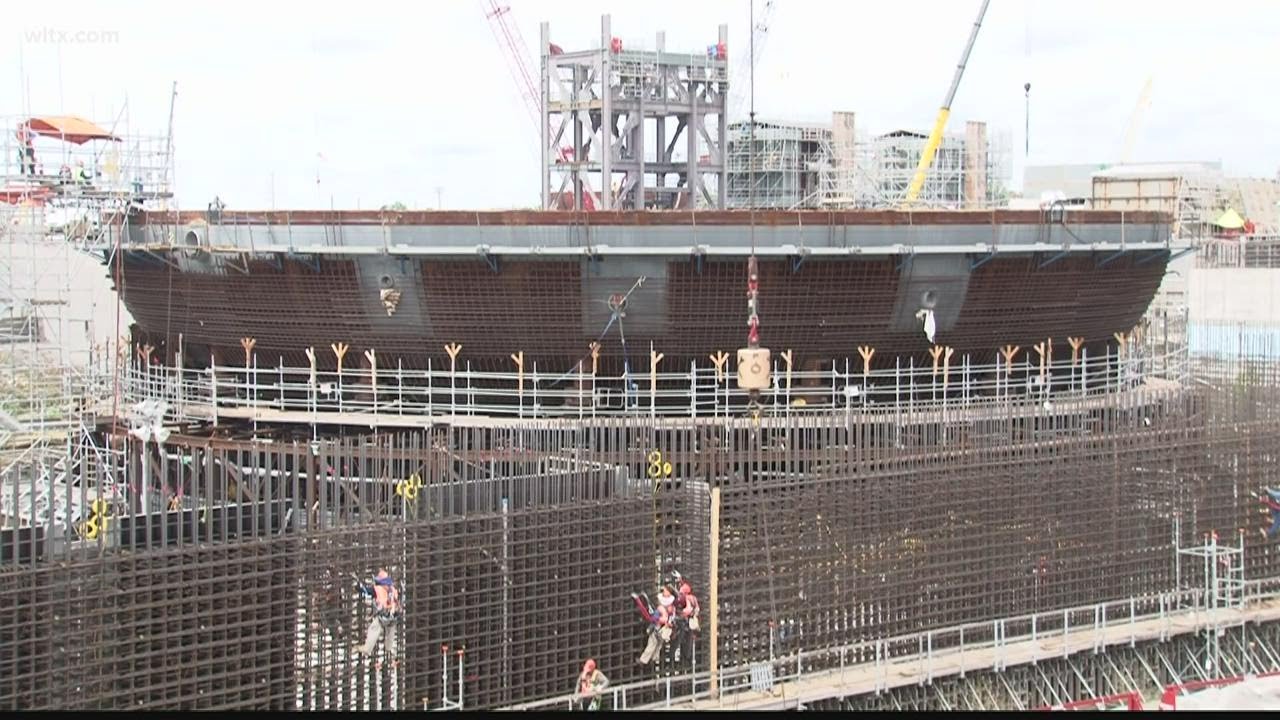
With 2 unfinished nuclear reactors, up to 25 billion in costs, and proven fraud, the Nukegate case has left 800,000 consumers still paying today for energy that will never be produced.
-
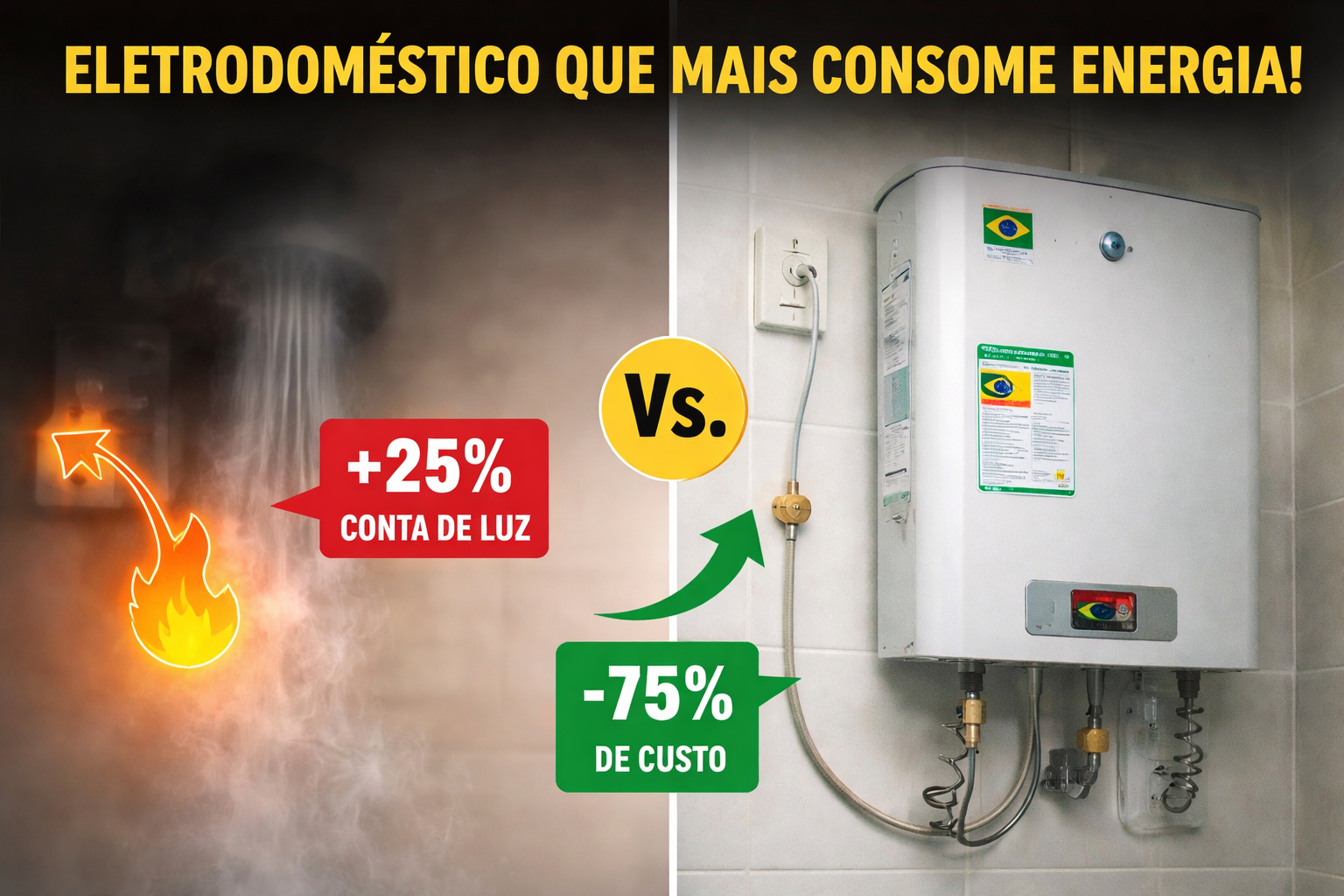
The household appliance that consumes the most energy in Brazilian homes is not the air conditioner; it is located in the smallest room of the house, is used daily, and can account for up to 25% of the electricity bill, while an alternative in the same outlet can reduce this cost by up to 75%.

With an investment of over R$ 2.5 billion, the Passos plant is presented by the company as its first greenfield project in Brazil and operates in gradual expansion until reaching the planned total capacity of 5 million hectoliters per year.
The company’s strategy is to strengthen production aimed at the pure malt and premium beer segments, in a market where the group has been increasing its presence in the country.
According to Heineken, the performance recorded in the first months confirmed the planned industrialization curve for the Minas Gerais unit.
In a statement released by the company, the brewery’s director, Reinaldo Franco, stated that the first million hectoliters proves the operational maturity of the factory and indicates that internal performance indicators have been exceeded, while maintaining the global quality standard adopted by the group.
Heineken’s production in Passos and factory expansion

The operation in Passos also has logistical significance for the company.
Situated in an area equivalent to 140 soccer fields, the brewery was established in a region considered strategic for supplying the Southeast, the country’s main consumer market.
The location was chosen to reduce distribution distances and enhance the efficiency of production flow, especially to key centers like Minas Gerais and São Paulo.
Still in the process of industrial consolidation, the unit began producing the Heineken and Amstel brands, with a gradual increase in operational pace.
The expectation reported by the company and by government agencies in Minas is that the factory will reach full operation with 350 direct jobs, a number already associated with the current structure of the operation, in addition to a broader impact on suppliers, services, and regional infrastructure.
During construction, the project had already been presented as one of the largest recent private investments in the beverage sector in Minas Gerais.
In the construction phase, the company reported the creation of 2,200 direct jobs and 11,000 indirect jobs, while the operational stage began to focus on permanent positions related to production, maintenance, logistics, and plant management.
The new brewery has become part of the group’s national industrial expansion strategy in Brazil.
Sustainable technology and water efficiency in the brewery
In addition to the volume produced, Heineken highlights the environmental performance of the factory as one of the pillars of the venture.
The unit was designed to operate with energy from renewable sources, uses biomass boilers for thermal energy generation, and has reuse systems capable of reducing water consumption by up to 30% per hectoliter produced, according to the company.
This design also includes comprehensive treatment of effluents and waste, as well as solutions for water reuse and practices aimed at circular economy.
The company states that the plant was conceived to serve as an internal reference in innovation and sustainability, aligning local operations with the group’s global environmental goals.
The Minas government also described the unit as a factory fully supplied by renewable sources.
Jobs in Passos and regional economic impact
In the municipality, the economic impact is evident both in job creation and in the connection with the regional workforce.
Data released by the company indicates that 70% of the brewery’s permanent employees are residents of Passos or neighboring cities, a proportion used by the company to reinforce the narrative of investment interiorization and strengthening the production chain around the new plant.
The social agenda linked to the project also includes professional training initiatives.
Heineken reported having partnered with the Passos City Hall and SENAI-MG for technical training of young people in the region, initially focusing on electromechanics.
According to the company, the proposal is to maintain a permanent training structure connected to the demands of the factory, expanding the supply of specialized labor in the municipality.
Alongside professional qualification, the establishment of the unit mobilized infrastructure interventions in the surrounding area.
The state government monitored access works between MG-050 and the road leading to the industrial district where the factory was installed, aiming to facilitate the transport of inputs and the circulation of production.
This effort was presented as part of the necessary measures to sustain operations at an increasing scale.
Milestone of 1 million hectoliters and strategy in Brazil
The achievement of the first million hectoliters was celebrated in a ceremony held at the brewery itself, attended by company executives and local authorities.
Among the participants was the mayor of Passos, Diego Oliveira, who is currently in charge of the municipal executive in the term that began in 2025.
The celebration publicly consolidated the factory’s transition from the inaugural phase to a stage of more robust industrial performance.
With this result, the Passos unit advances in the growth schedule defined by Heineken for its expansion in Brazil.
The combination of production scale, logistical gain, and lower environmental impact technology helps explain why the Minas plant has taken on a strategic position in the company’s industrial plan, at a time when the group seeks to enhance efficiency and presence in higher value-added segments.






Seja o primeiro a reagir!