





 Portuguese
  English
  Spanish
  6 min of reading
  1 comment


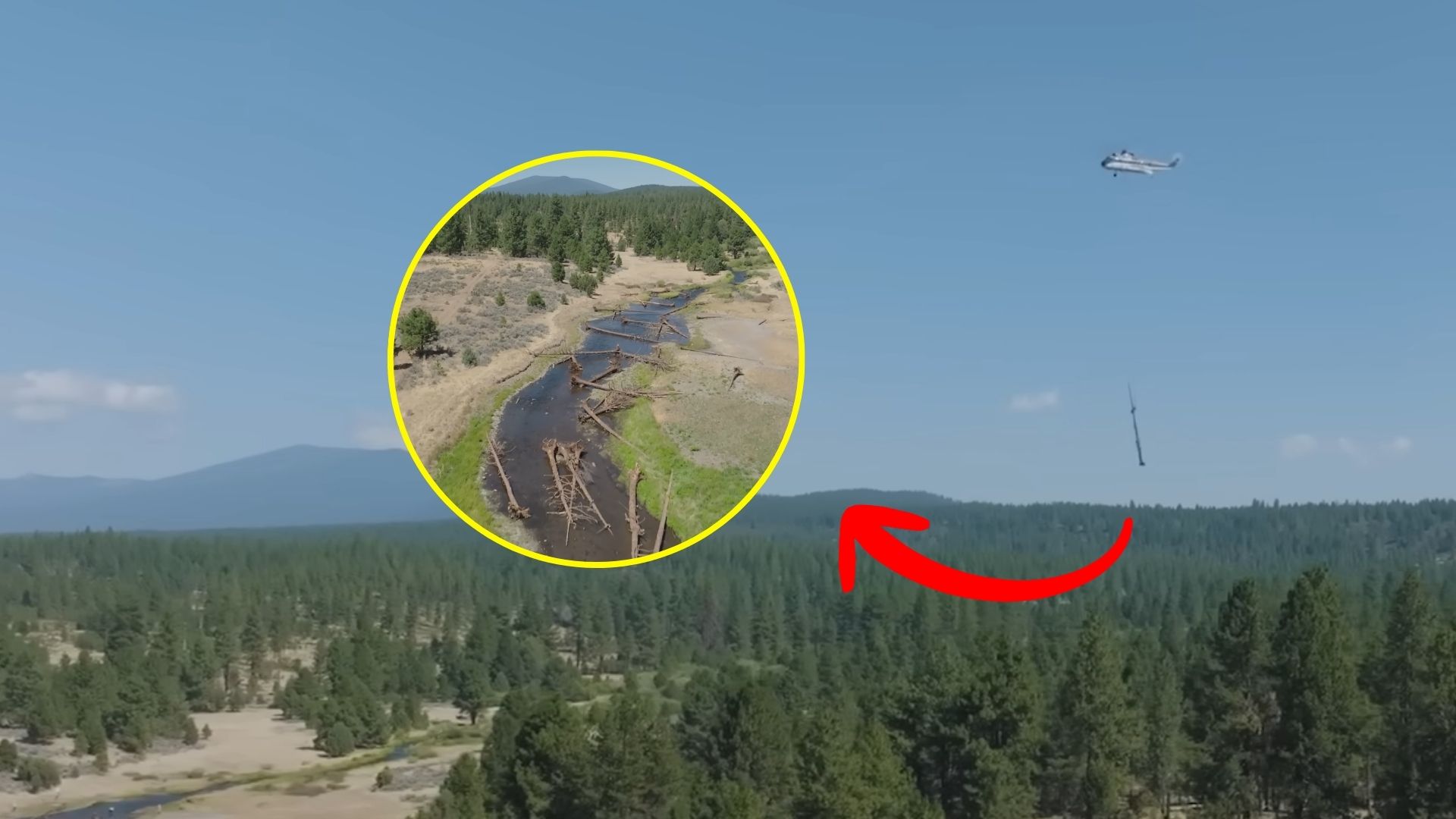


Heavy-Lift Helicopter Takes Action in Oregon Stream to Reposition Hundreds of Logs and Form Structures That Change the Flow of Water. The Plan Calls for Interventions in Nearly Four Miles, with Logjams Designed to Retain Gravel, Enhance Shelter, and Restore Natural Functions Essential for Native Fish.
A large helicopter has become part of a restoration plan for a stream in Oregon that aims to replace wood that has been removed over decades, rebuilding the complexity of the channel and expanding areas for fish shelter and spawning.
The intervention on Upper Abernethy Creek, above Beaver Lake, involves placing nearly 400 logs and bundles of woody material at strategic points along 3.93 miles of the watercourse, with the goal of forming more than 70 “jam” structures, combinations of wood that alter flow, create cover, and reorganize sediments.
The planning released by the Greater Oregon City Watershed Council describes that the work seeks to improve conditions for native species, including coho salmon, winter steelhead, and Pacific lamprey, in a stretch where the amount of large wood in the channel is considered very low due to a history of “cleaning” streams and forestry activities that reduced conifers in the riparian vegetation.
-
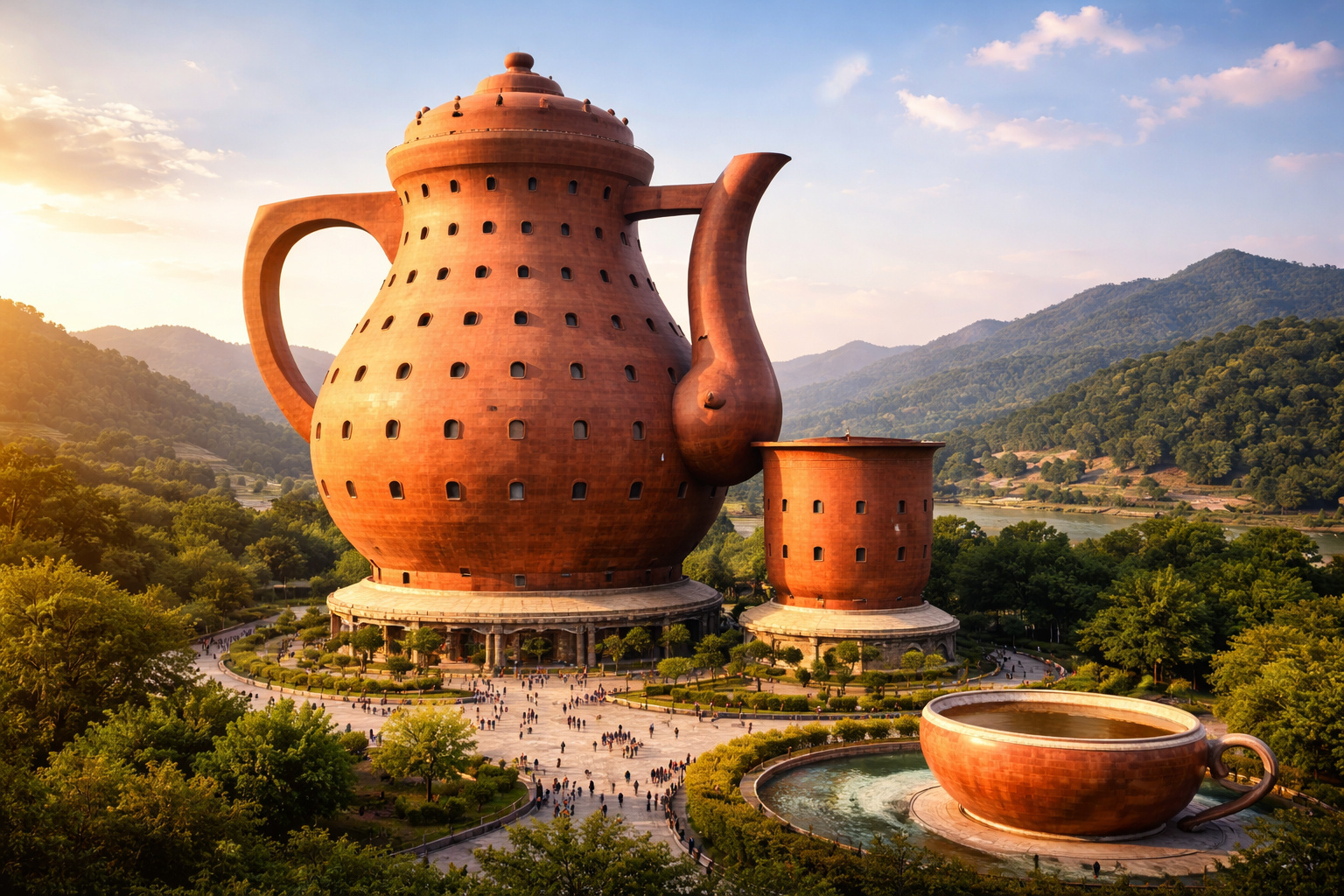
At 73.8 meters tall, the world’s tallest teapot-shaped building has 15 floors, ensures stability, and impresses with an internal space of 28,000 cubic meters.
-
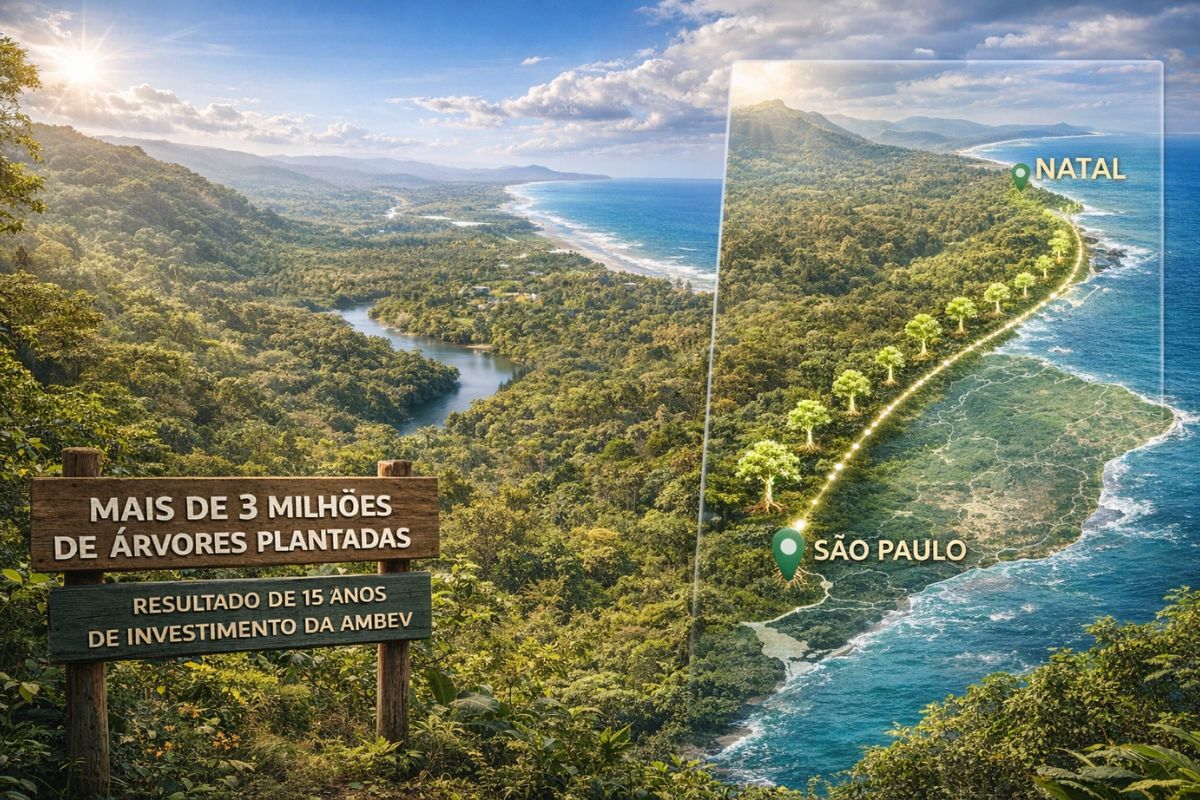
Ambev has planted over 3 million trees and restored an area equivalent to the coastline from São Paulo to Natal, and the result after 15 years of silent investment has finally appeared for all of Brazil to see.
-
A new AI collar technology for cattle eliminates physical fences, creates virtual barriers, monitors animals 24/7, and detects changes in behavior and health.

-
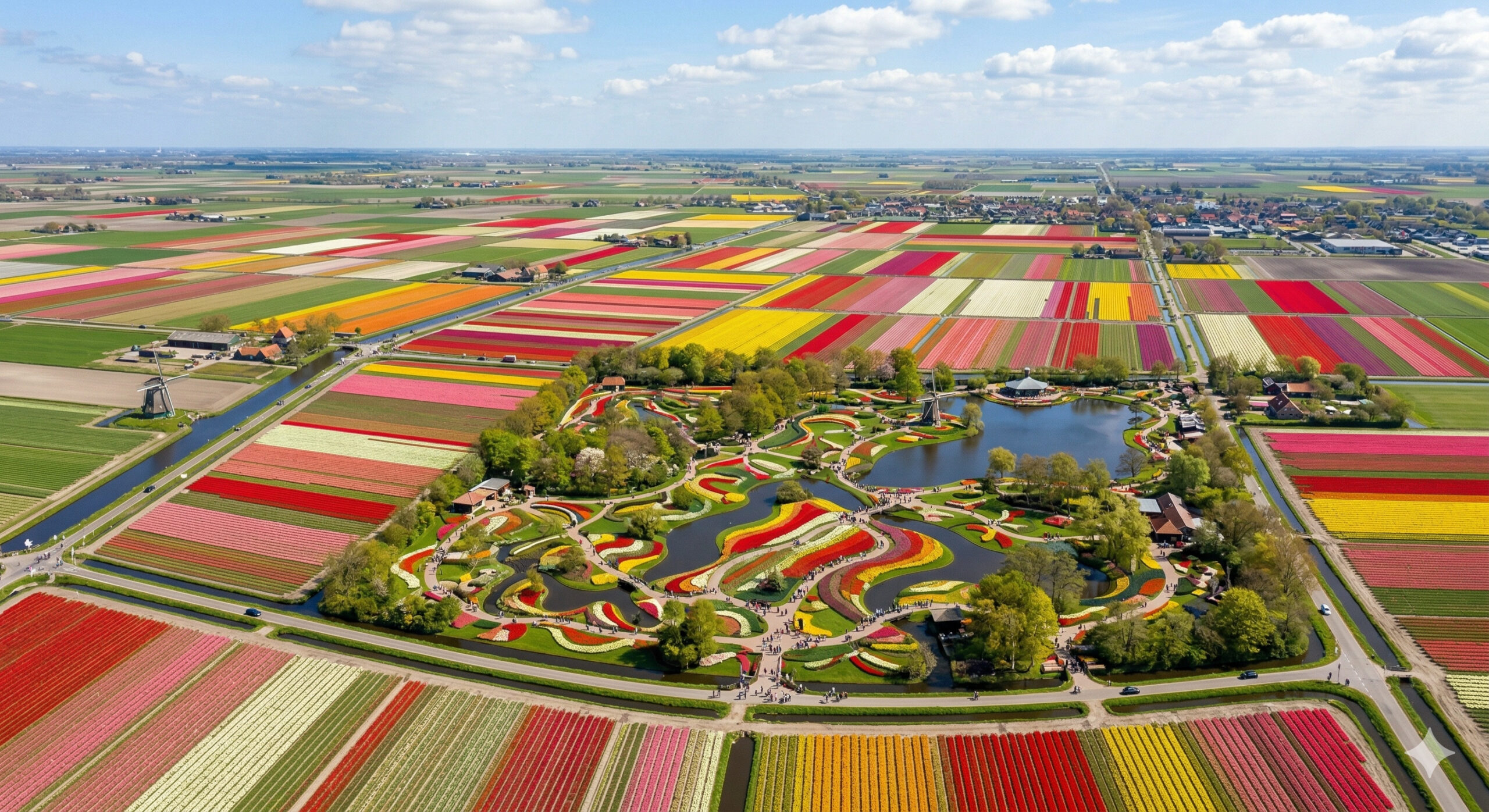
For a few weeks each year, an entire country blooms with billions of tulips, creating a mosaic of colors visible from the sky, while a single garden gathers more than 7 million flowers and attracts visitors from around the world to one of the most impressive shows in Europe.

Wood in the River and Restoration of Upper Abernethy Creek
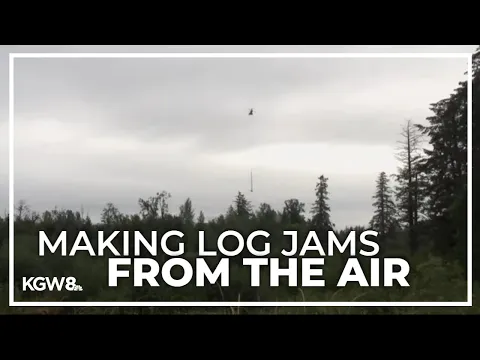

The logic of the operation relies on an element that has long been treated as an obstacle in rivers and streams: logs and roots that enter the water and start functioning as physical structures of the habitat.
In the project’s design, the wood will be transported by helicopter and positioned to create cover over the channel, maintain existing pools, aid in the separation and retention of appropriately sized gravel for spawning, and increase the creek’s connectivity with the floodplain.
The project description in the Clackamas Partnership system details that the placement of logs by heavy helicopter will occur along about 4 miles of the channel, focusing on recovering structure and complexity of the stream and improving floodplain connectivity and function.
In this context, the initiative is associated with limiting factors that guide restoration, such as degradation of channel structure and loss of floodplain connectivity, issues that impact the formation of pools, shelter, and sediment dynamics in simplified stretches.
Heavy Helicopter and Logistics in Hard-to-Access Area
The choice of the helicopter as the main means of transportation and installation is linked to the scale of the material involved and the terrain conditions, which hinder conventional ground operations without increasing interference on the banks and the riverbed during the implementation phase.
By transporting logs directly to the placement points, the aerial logistics reduce equipment movements along the channel at the most sensitive moment of installation, concentrating the work on defining locations and positioning the material accurately.

The Greater Oregon City Watershed Council describes that it worked for over two years with partners and funders to structure the intervention on Upper Abernethy Creek, including collaboration with the NOAA Fisheries Office of Habitat Conservation, Port Blakely, and Oregon Wildlife Foundation, among other supporters.
The Clackamas Partnership’s records lists funders and partners involved in the execution, such as NOAA Fisheries, Oregon Department of Fish and Wildlife, Oregon Watershed Enhancement Board, Oregon Wildlife Foundation, and Port Blakely, with the Greater Oregon City Watershed Council indicated as the main implementer.
Funding, Partners, and Estimated Project Cost
The financial scale is also documented in the project’s file, which shows a total estimated cost of $712,000, with funding secured in the same amount, detailing amounts by source and planned contributions.
In addition to descriptive goals, the project has recorded measures to characterize what will be implemented in the channel and what is expected in terms of area associated with the reconnection of environments outside the main channel.
Among the indicators listed in the Clackamas Partnership, there is a measure of placement of large wood with a density of 15 to 25 cubic yards per 1,000 feet in the channel, associated with a length of 20,750.4 linear feet at the deployment site.
In the same file, there is a measure related to an increase in wetland area outside the channel, with a total reported value of 620,000 square feet, linked to the idea of increasing flood frequency in areas connected to the creek.
Coho Salmon, Steelhead, and Pacific Lamprey in the Focus of Restoration
The description by species reinforces the role of wood in retaining gravel and creating shelter, associating the structures with improved spawning and rearing conditions for both adults and juveniles.
In the case of coho, the project file indicates that large wood can help retain appropriately sized gravel that tends to be washed away during higher flow events, as well as increase aerial cover and improve connections between the stream and the floodplain where there is potential for habitat gain for rearing.
For winter steelhead, the document describes a similar effect in gravel retention and cover provision, with additional emphasis on creating complex habitat within the channel, such as pools and excavated banks, which are areas used by juveniles.

As for the Pacific lamprey, the record indicates the species’ presence in spawning and juvenile surveys in the Abernethy Creek basin and notes that restoration actions within the channel and in the floodplain can benefit both adults and ammocoetes, the juvenile stage that utilizes substrate in lower energy environments.
Logjams and Gravel Retention Along Nearly Four Miles
The design of the “jam” structures mentioned by the Greater Oregon City Watershed Council is associated with the use of combinations of logs and woody bundles capable of creating cover over the channel and inducing flow reorganization, without relying solely on a single piece.
In the update material published by the Council, the intervention is described with “tipped” trees planned to maintain intact root wads, transported by helicopter to specific locations in the stream, where the pieces are positioned to form structures that, over time, create habitat by retaining gravel, forming excavation pools, and increasing shading.
By treating wood as infrastructure of the stream, the project aligns with a line of restoration that replaces the “clean” channel logic with a design where irregularity, shelter, and interaction with sediments become operational goals.
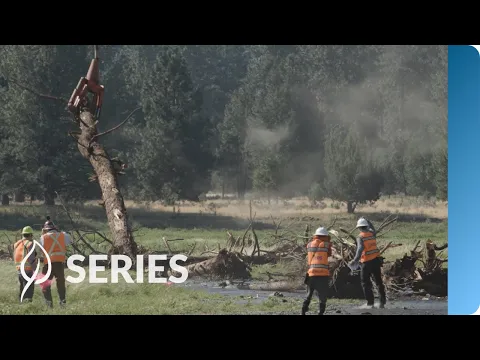
The helicopter deployment also stands out for the unusual image of logs being deposited directly into the channel, but, in practice, it is linked to a set of measurable objectives, such as maintaining and forming pools, improving spawning conditions, increasing cover, and enhancing connectivity between the channel and lateral areas that store water and sediments.
What is most intriguing about interventions of this type is the change in scale and method, with aerial logistics and structures planned to reconfigure miles of a stream, rather than small point corrections.
To what extent should helicopter operations to reposition wood in streams become more common in regions where rivers have been “cleaned” and simplified over generations?







Projeto maravilhoso
Deus os abençoe
Que seja exemplo para muitos…