





 Portuguese
  English
  Spanish
  4 min of reading
  4 comments


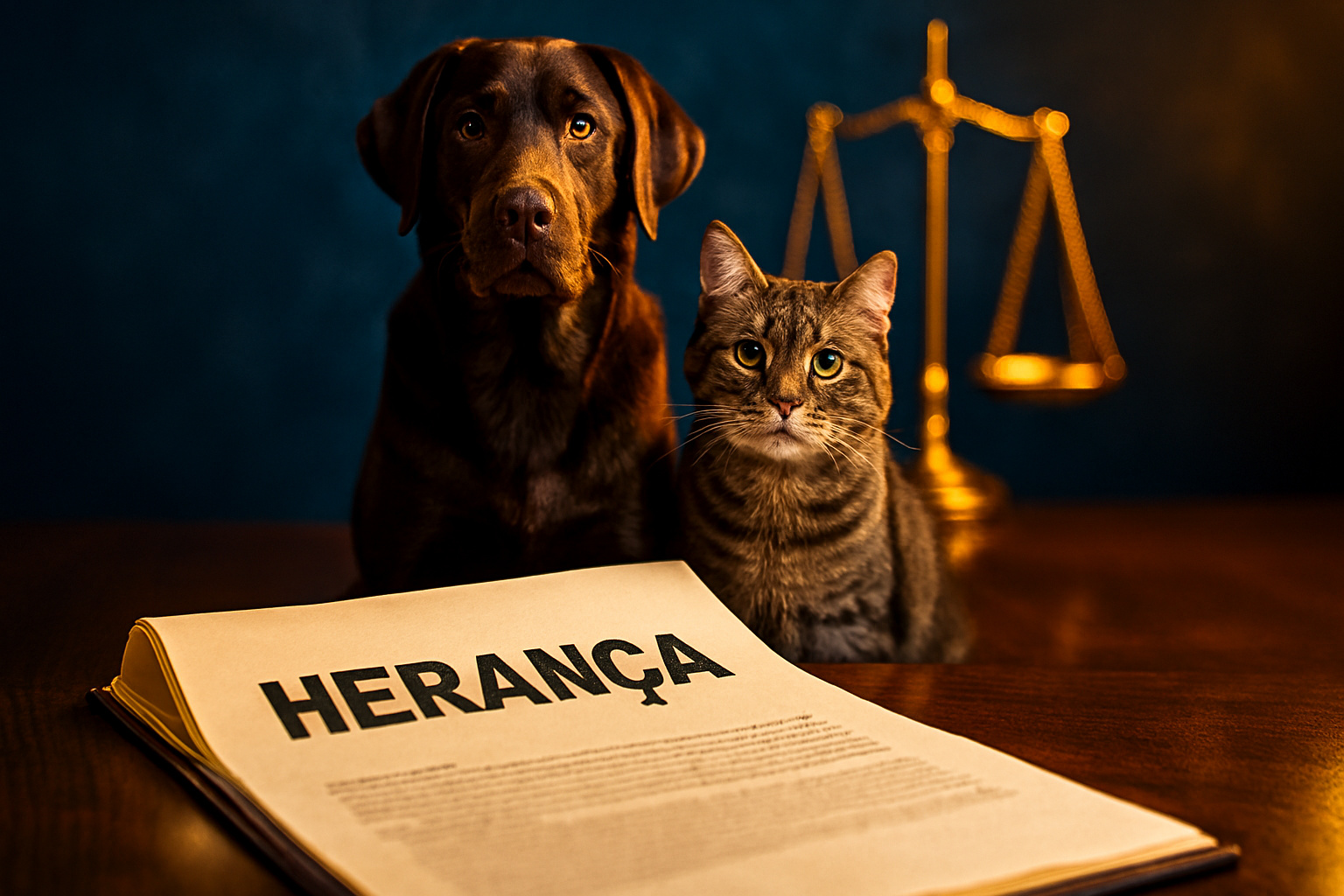


Court Confirms That Owners Can Allocate Inheritance to Care for Pets; Assets Can Be Used for Lifelong Support of Dogs and Cats.
Anyone with a dog or cat at home knows: they are not just animals, but part of the family. Therefore, a question has gained traction in Brazilian courts: is it possible to leave an inheritance for pets? The answer surprises many. Although animals cannot be direct heirs, as they do not have legal personality, the Court confirms that owners can use the wills to allocate assets or funds for the care of animals. Thus, even after the guardian’s death, dogs and cats can continue receiving food, veterinary care, and shelter—all funded by the estate left behind.
What the Law Says About Inheritance and Animals
The Brazilian Civil Code (articles 1,788 to 1,857) regulates wills and the allocation of assets. Animals cannot be considered heirs, but the owner can:
- Name a person or institution as responsible for the pet, allocating resources for its maintenance.
- Create specific clauses in the will determining that part of the inheritance be used exclusively to support the animals.
- Establish a fiduciary trust (when a person receives assets with the obligation to allocate them for someone’s care or, in this case, for an animal).
In practice, the Court recognizes that the estate can be tied to the support of pets, as long as there are human beneficiaries responsible for managing the resources.
-
The noise law will no longer be in effect at 10 PM starting in June with a new rule valid during the 2026 World Cup.

-
The Chamber opens a debate on driver’s licenses at 16 years old as part of a reform that includes around 270 proposals to change the Brazilian Traffic Code and may redesign rules for licensing, enforcement, and circulation in the country.

-
The new Civil Code could revolutionize marriages in Brazil with “express divorce” and changes that could exclude spouses from inheritance.

-
Banco do Brasil sues famous influencer for million-dollar debt and intensifies debate on delinquency, risks of seizure, and direct impact on Gkay’s credibility.


Concrete Cases in Brazil
- São Paulo: the TJSP confirmed the validity of a will in which a woman allocated part of her assets to a neighbor, with the obligation to care for three dogs until their death. The court recognized that the wishes of the deceased should prevail.
- Minas Gerais: in a similar action, a woman left an apartment and a sum of money to a niece, with the clause that the heir should use part of the income to support the deceased’s animals. The Court deemed the link legitimate.
- Rio de Janeiro: in an inventory process, the judge authorized that expenses for food and veterinary care of a deceased’s animals be covered by the estate’s resources while the inventory was not concluded.
These examples show that the courts have been recognizing the emotional value of animals and ensuring that they are not left helpless after their owners’ death.
The Impact on Assets and Families
The fate of the inheritance is always a delicate subject. When it involves animals, there is often resistance from family members who question the deceased’s decision.
However, judges have reiterated that the principle of autonomy of will must be respected: the testator has the right to decide about up to 50% of the available estate (the so-called disposable portion, since the necessary heirs—children, spouse, parents—are entitled to half of the mandatory inheritance).
In practice, this means that a person can use a significant part of their inheritance to ensure the support of pets, even against the wishes of relatives.
How Much Is It Worth to Leave an Inheritance for Pets?
The amounts vary according to the animal’s lifestyle. A simple monthly allowance of R$ 1,000 to cover food and veterinary expenses over 10 years would require about R$ 120 thousand set aside in the will.
Cases of wealthier families can foresee millions of reais to ensure lifelong care in luxury clinics or pet hotels. Although they attract attention, these examples have legal support when respecting the division between necessary heirs and available assets.
What the Guardian Should Do While Alive
To ensure pets are protected, the guardian should:
- Make a will at a notary, specifying how and by whom the animals should be cared for.
- Designate a trustworthy responsible party, whether a relative, friend, or even an animal protection NGO.
- Determine monthly or annual amounts for their support.
- Include clear clauses, avoiding disputes among heirs.
Without these measures, animals may end up being disputed in the inventory or, in the worst-case scenario, abandoned.
The Side of Heirs and Family Conflicts
The family does not always agree. There are cases where relatives attempt to annul testamentary dispositions, claiming that animals cannot be heirs. But the Court has made it clear: the money goes to the person designated in the will, but the use is tied to the care of the pets.
This creates a legal responsibility: if the heir fails to meet the obligation, they may lose the allocated assets.
The decisions show a cultural shift. In the past, animals were seen merely as “movable goods.” Today, they are recognized as sentient beings, who feel pain, affection, and need protection.
By allowing assets to be allocated for the support of animals, the Court reaffirms that the emotional bond transcends the guardian’s life and must be respected.
Animals Can Also Be Protected by Inheritance
The message is clear: inheritance is not just for people. Those who love their animals can plan for their future, ensuring food, shelter, and medical care even after death.
This possibility, supported by the Civil Code and confirmed by the courts, shows that law keeps up with social changes and recognizes the importance of pets in the lives of Brazilian families.
For thousands of owners, this means the peace of mind of knowing that their four-legged companions will not be left helpless.









Os pets são nossos melhores amigos e merecem toda proteção e amor.
Perfeita decisão judicial.
Perfeito ! Os personagens são nossos melhores amigos.
Nada a ver com fideiconisso. Isso é outra coisa. É possível, sempre foi, clausular herança ou legado com encargo (como uma doação modal). A questão só entrou na moda porque **** doméstico passou a ser tratado como ser “sencientes”, e não só uma coisa.
Eles não são “só uma coisa”! São seres vivos que sentem frio, fome, sede, dor, medo e, apesar de tudo, carinho e apego emocional por nós humanos.