





 English
  Francês
  Alemão
  Italiano
  Japonês
  Norueguês
  Portuguese
  Spanish
  3 min of reading


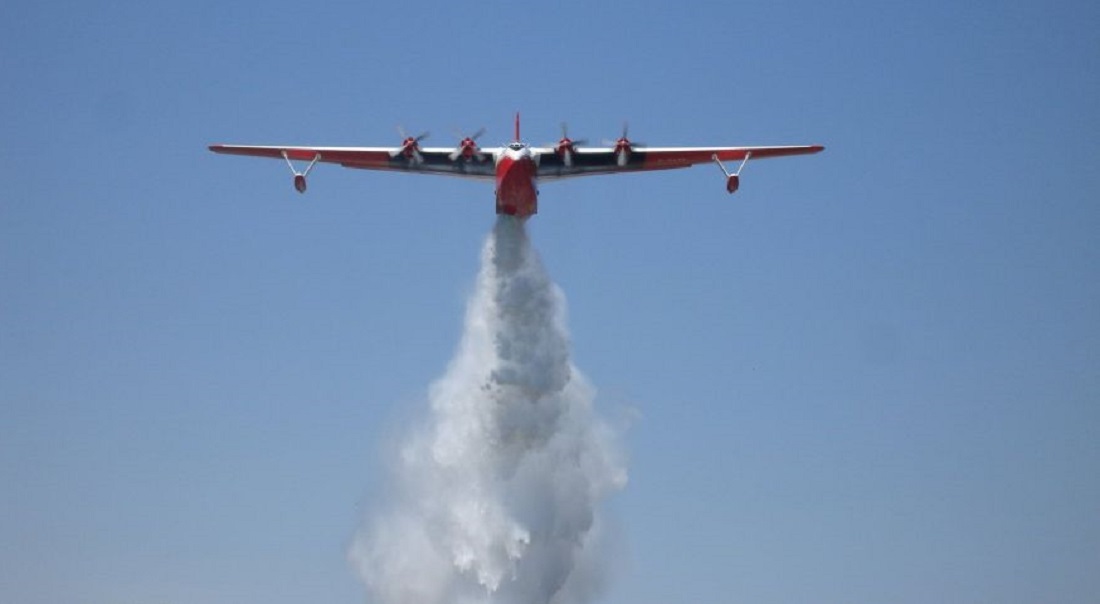
The Historic Martin JRM Mars Is Capable of Carrying 27,000 Liters of Water for Forest Fire Fighting
The Martin JRM Mars, a crucial part of aviation history as the largest seaplane in the world, measuring 35.7 meters in length and 60.9 meters in wingspan (larger than the wings of a first-generation Boeing 747) with a maximum takeoff weight of 74,800 kg, is for sale in Canada for US$ 5 million.
See Also:
- Mining Company Vale Partners with Technology Leaders Schneider Electric and Aveva to Improve Operations
- With Increasing Pressure to Decarbonize Automotive Transport, Companies are Betting More on Electric Vehicle Production, with a Projection of 6 Million Vehicles Sold in 2022
- Coruripe Plant, Producer of Ethanol, Sugar, and Electricity, Offers 21 Job Openings in the State of Minas Gerais
The entity responsible for the sale is the specialized website Platinum Fighters, where the historic firefighting aircraft is listed for US$ 5 million. According to the website’s description, the Canadian-registered aircraft C-FLYL, manufactured in 1946, underwent a technical review in 2016 and is in flying condition, despite not having flown for about eight years.
The current owner of the seaplane “Hawaii Mars II” is Coulson Aviation, a Canadian company based in Port Alberni, British Columbia. The firm has been fighting forest fires for over 30 years in North America and has a diverse fleet of aircraft and helicopters of various sizes adapted for these operations.
-
Chinese giant worth nearly R$ 4 billion that manufactures cables for electric cars, solar energy, and robotics wants to open a factory in SC.

-
Many employers do not know, but the law guarantees domestic workers a 25% increase in salary during trips, 50% for overtime, 20% for night shifts, and 17 additional benefits that can lead to labor lawsuits if not paid.

-
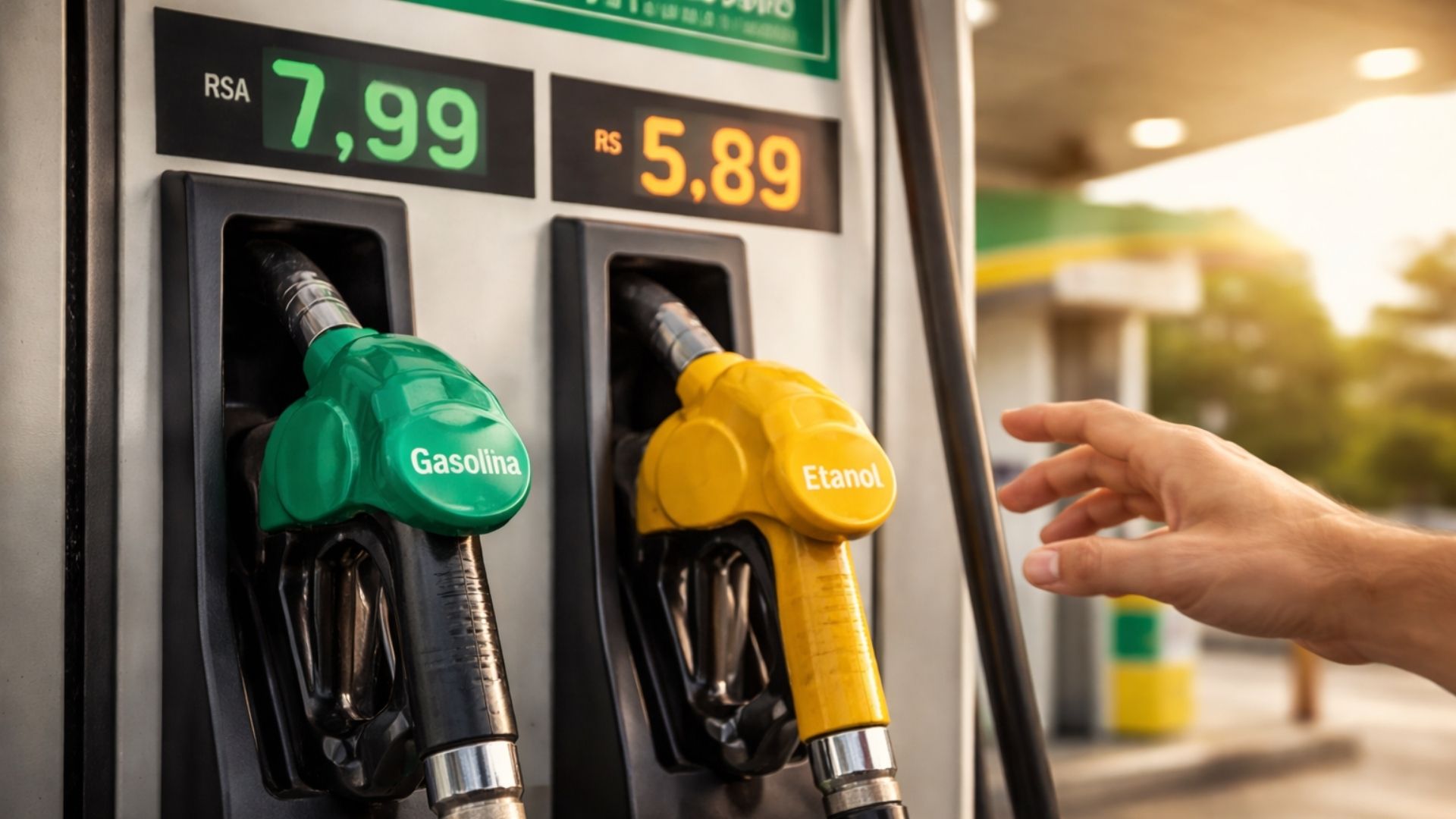
Gasoline prices soar and the question arises: is ethanol more advantageous? The 70% rule reveals the limit with gasoline.
-
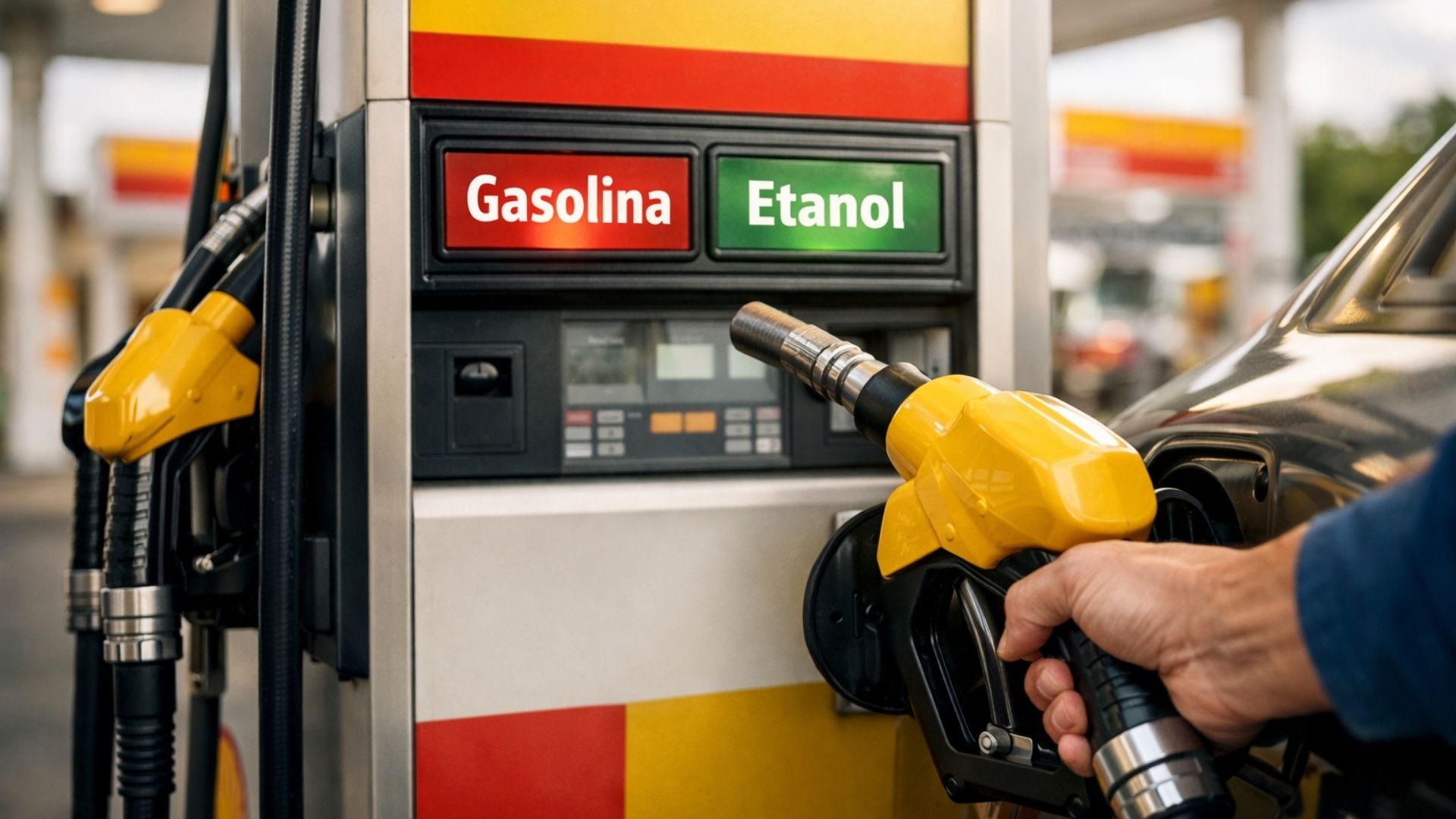
The government has made a decision and is starting a test with more ethanol in gasoline, anticipating a mixture of up to 35%, diesel with 25% biodiesel, and a study to assess the impacts on engines.

Originally built as a four-engine maritime patrol and bombing seaplane, the Martin JRM Mars was requisitioned by the United States Navy during World War II. After the first prototype achieved flight on June 23, 1942, the U.S. government ordered 20 units of the aircraft, but only five were actually completed.
Operation of the Seaplane After the War
The U.S. Navy kept the aircraft in operation after the war to transport troops and cargo until 1956. In 1959, the Canadian company Forest Industries Flying Tankers purchased four of the planes and began using them for forest fire fighting missions, with internal tanks capable of holding up to 27,000 liters of water, which could be dumped over an area of 16,000 m².
Two of the aircraft were involved in accidents and were a total loss, while in 2007, the remaining two were acquired by Coulson Aviation, which used the seaplanes on Sproat Lake in Port Alberni. An identical model to the Hawaii Mars II that is being sold, the “Philippine Mars” was taken out of service in 2012 and is currently preserved at the National Naval Aviation Museum at the Naval Air Station in Pensacola, Florida, USA.
The Hawaii Mars II has also been out of service twice. In 2013, the aircraft was retired after the province of British Columbia ended the agreement with the seaplane’s owner. However, in 2015, Canada reactivated the plane to help combat forest fires for a month, and shortly thereafter, it was retired again.
The last flight of the seaplane occurred at the Air Venture airshow in the United States in 2016. At the event, the seaplane demonstrated for attendees and dropped water over the Oshkosh aerodrome in Wisconsin, where the event takes place.







Seja o primeiro a reagir!