





 Portuguese
  English
  Spanish
  4 min of reading
  1 comment


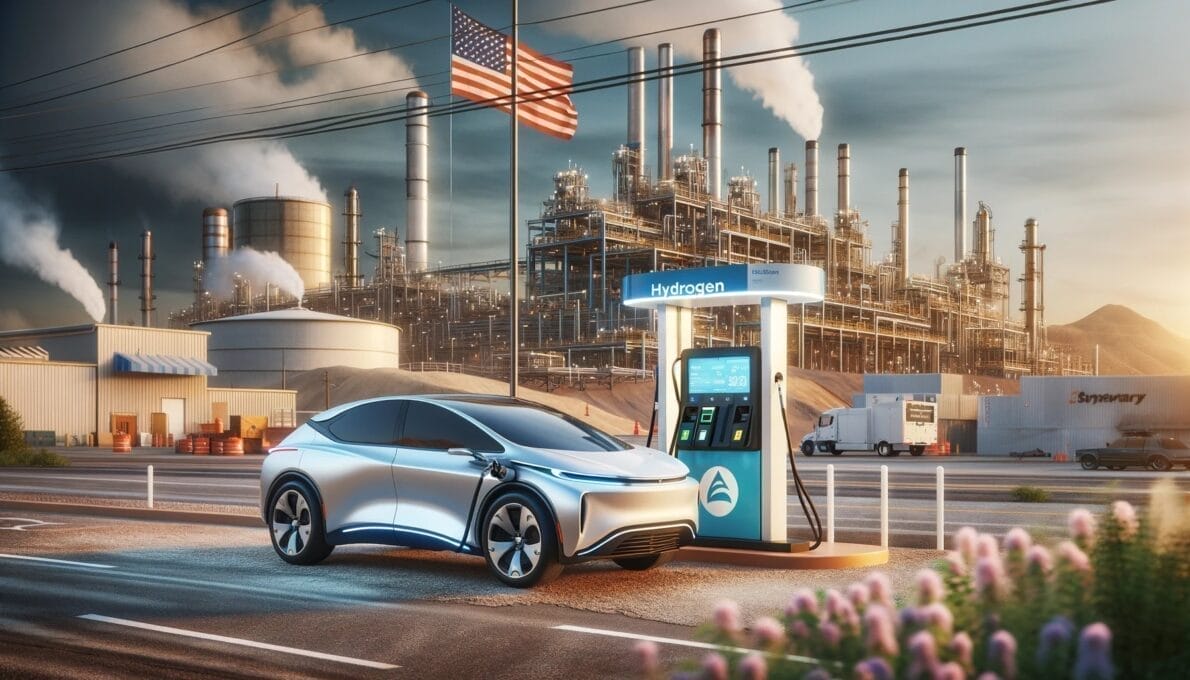

It Was Supposed to Be the Fuel of the Future, But It Caused Great Problems for Toyota. See How the Toyota Mirai Lost Market Value and Still Made the Brand Shell Out a Lot of Money to Vehicle Buyers.
Toyota made a big bet on hydrogen, claiming it was the fuel of the future. Amid what seemed like a great idea, the renowned Japanese manufacturer named its first hydrogen fuel cell electric vehicle Toyota Mirai. For those who don’t know, Mirai means “future” in Japanese, so the name seemed quite fitting for Toyota’s great ambition.
Unfortunately, things did not go as Toyota wanted! According to several reports from people who purchased the Toyota Mirai, the car was not the ideal future promised by the manufacturer. With the vehicle’s infrastructure crumbling and the rapid depreciation of the Toyota Mirai, owners even requested a buyback from the Japanese manufacturer, with some even taking the matter to court.
From Fuel of the Future to Lawsuits: Understand What Happened to the Toyota Mirai, Hydrogen-Powered Car
Currently, many of those who acquired the hydrogen-powered Toyota Mirai – or rather, fuel of the future – are still angry with the manufacturer, feeling they were deceived into purchasing a car that was supposed to have high potential, but which, in reality, didn’t even have an ideal refueling infrastructure to support it.
-
The Toyota Hilux is R$ 75.5 thousand cheaper and bets on the 2.8 turbodiesel engine with up to 204 hp and 50.9 kgfm to catch up with the VW Saveiro, which leads with 4,472 sales.
-
The new Renault Koleos has a screen exclusively for the passenger that is invisible to the driver, heated rear seats, and 29 assistance systems, but its Chinese competitors cost R$ 40,000 less and deliver more power.
-
The car stored for 38 years: when opening the barn door, what appears is breathtaking and looks like a scene from a movie!

-
Fiat works miracles in the Brazilian market, lowers the price of its 0 km hatch to R$ 69,990, reestablishes the model as the cheapest car in the country, and reignites the battle against Kwid and C3.


Shawn Hall, one of the dissatisfied customers with the Toyota Mirai, stated: “There is no more hydrogen fuel available in San Francisco, where I live. Toyota continues to sell this vehicle. How is this acceptable?”
This situation is quite similar to the initial challenges in charging electric cars, as charging stations were very scarce. Nowadays, much of the world already has this support, but in some places it is still quite complicated to charge electric vehicles.
Returning to the case of hydrogen, even though the U.S. has added over a thousand quick charging stations, the hydrogen refueling infrastructure has been decreasing more and more in California, the only state where the fuel of the future was widely available.
A Good Buy… Just Not! The Fuel of the Future Needs More Study
The fact is that hydrogen fuel cell technology is still not something 100% studied and is still in development. However, we can say that Toyota is the most suitable company – or should be – to provide a car with this technology, as the Japanese manufacturer has been working on hydrogen for decades. After all, if Toyota weren’t suitable for this, it wouldn’t have launched a car like the Toyota Mirai in 2015.
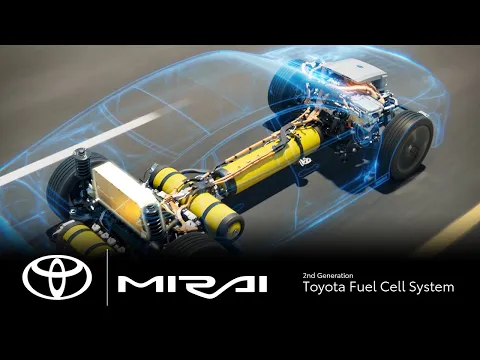
The Toyota Mirai, like any FCEV powered by hydrogen, is considered an electric vehicle, except that instead of transferring energy to a battery, it stores compressed hydrogen in tanks, which allows for recharging the onboard battery using only heat and water as byproducts, making the car ideal for drivers who want an electric vehicle but do not have the availability to recharge the vehicle at home.
Price of the Mirai
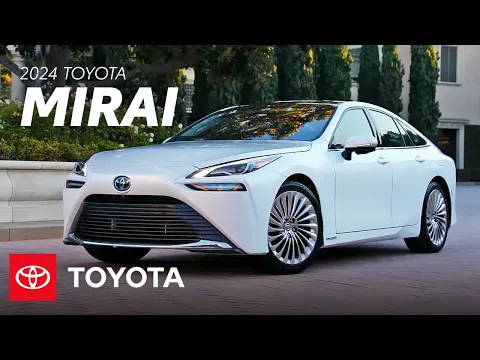
Currently, the average price of a Toyota Mirai (2023 model) is US$ 50,595, which is around R$ 262,097, including delivery costs, but it can cost about US$ 67,095 (R$ 347,572) for the Limited version. With many complaints about the difficulty of charging the vehicle, Toyota decided to offer generous incentives to somewhat lower the cost of the Toyota Mirai.
Those who financed the Mirai XLE received US$ 22,000, around R$ 113,966, reducing the cost of the Mirai to US$ 28,595 (R$ 148,130). The Japanese manufacturer also provided an additional incentive of US$ 40,000 (R$ 207,212) to configure the Limited version, reducing the total cost of the Mirai to US$ 27,095 (R$ 140,360). Thanks to the new incentive given by Toyota, the Limited version became cheaper than the XLE, even though it is the brand’s top-of-the-line version.
The manufacturer also agreed to pay for the fuel of the future, hydrogen, for the Mirai owner at the time of purchase. So, upon purchasing the brand new Toyota Mirai at the dealership, Toyota will offer the buyer a fuel card worth $ 15,000 (R$ 77,704).
It is worth noting that the future fuel card is valid for 6 years or until the vehicle reaches about 30,000 miles, or 48,280 km of range. With these incentives, it is likely that new customers will come forward to acquire a Toyota Mirai with the fuel of the future.










Ham! Sei! Toyota sofre o mesmo processo de outras marcas e modelos que ameaçam o mercado ianque.