





 Portuguese
  English
  Spanish
  4 min of reading
  2 comments


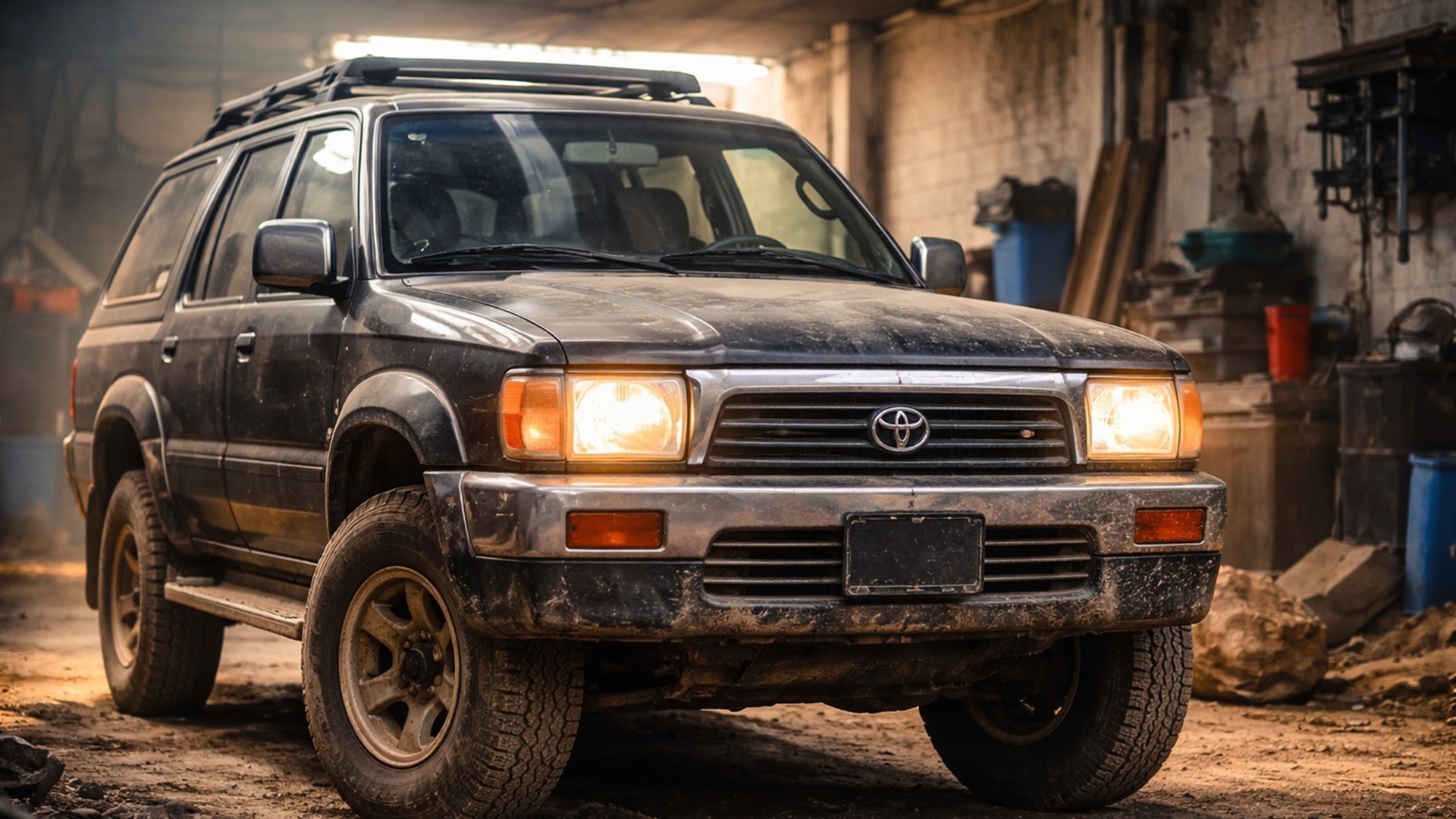


After Being Parked For About Five Years, A 1993 Toyota Hilux SW4 2.8 Diesel Started Working Again During Video Recorded Tests, Revealing Serious Problems In The Transmission, Severe Wear Inside, And Great Accumulation Of Dirt, While The Engine Demonstrated Considered Normal Operation For The Long Period Of Idleness
A 1993 Toyota Hilux SW4 2.8 diesel started working again after approximately five years parked, once again demonstrating the robustness of the Japanese manufacturer’s vehicles.
The process was documented on video by Raphael Borges and revealed a combination of mechanical wear, aesthetic neglect, and at the same time, surprising resistance of the powertrain.
The vehicle showed clear signs of prolonged inactivity. The initial inspection indicated problems both externally and internally, as well as mechanical failures that would only be identified with the car in operation.
-
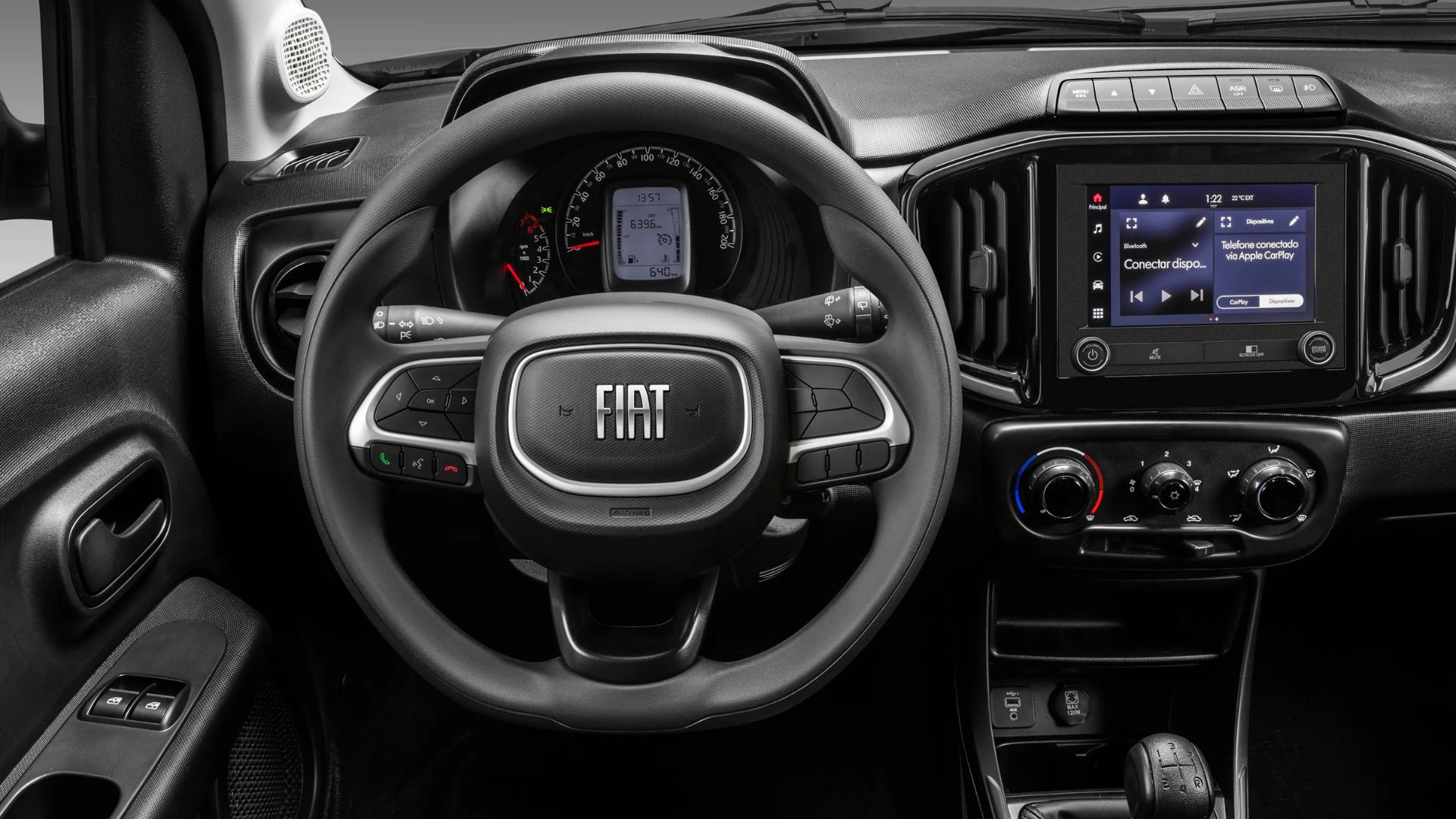
With a 1.0 engine producing 75 hp and costing less than R$ 70,000, Fiat’s car returns to the podium as the cheapest in the country; a temporary promotion for the 2026 Like version reduces the price of the Fiat Mobi.
-
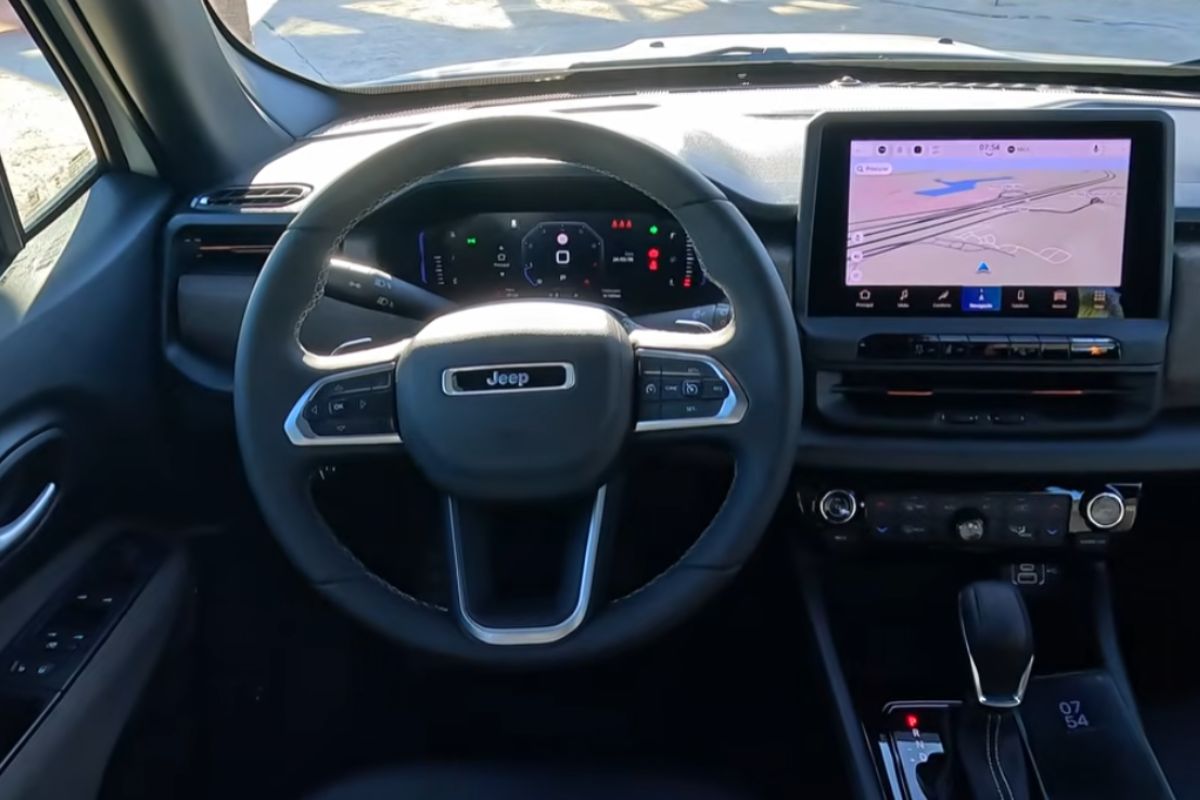
With a mild hybrid system of 48 V, 176 hp and a price of R$ 175,990 in the Sahara version, the new Jeep Renegade changes mostly on the inside, improves slightly in fuel consumption, and remains almost the same car.
-
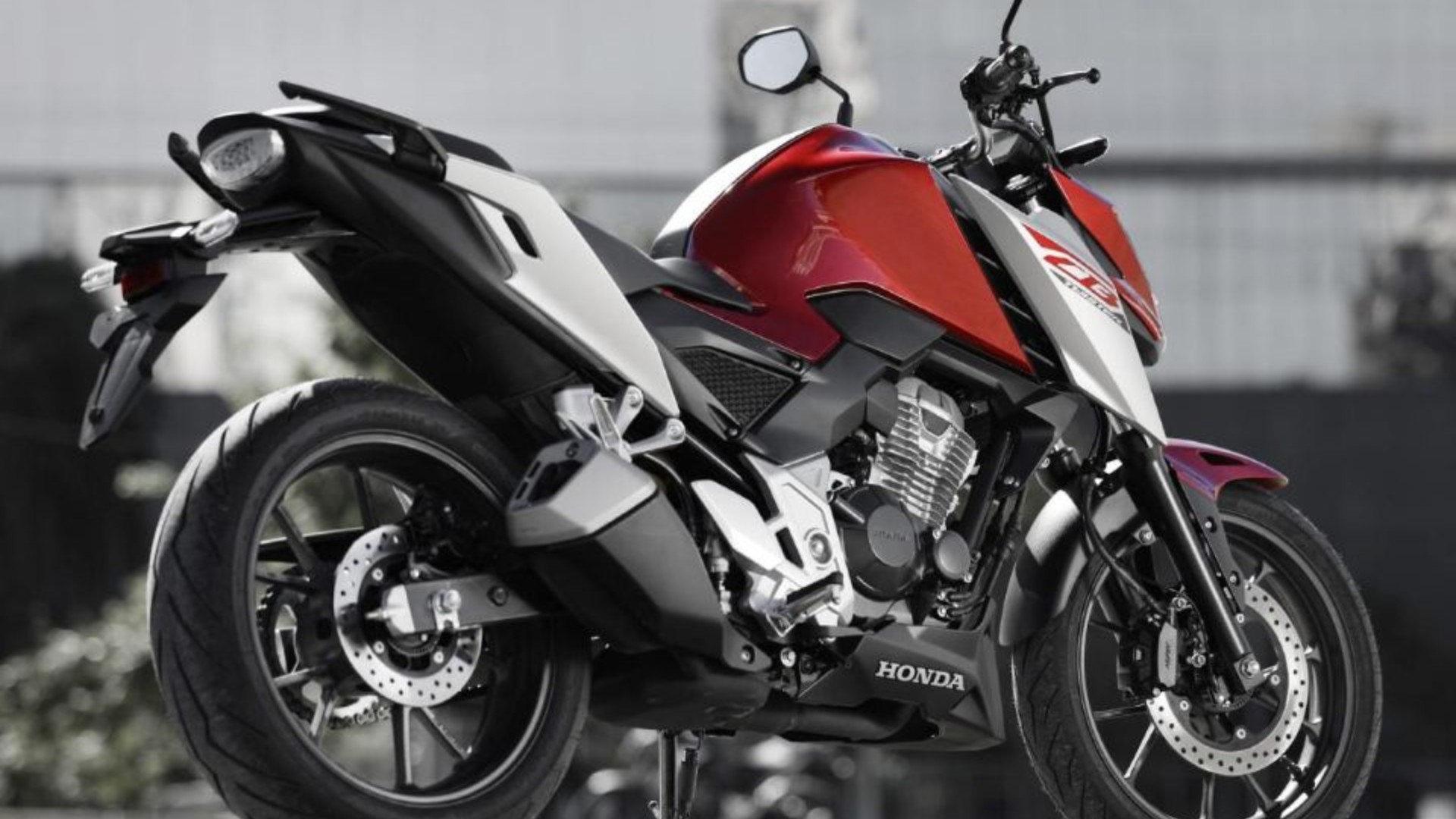
With a 293.5 cm³ engine and a range of up to 400 km with a 14.1-liter tank, the Honda CB 300F Twister 2026 has up to 24.7 hp, an initial price of R$ 25,150, and already exceeds R$ 29,000 in the Fipe Table.
-
With a 1.3 engine, nearly 700 km of range, and Turbo 200, the Fiat model surpasses Polo, Tera HB20, and Onix, becoming the best-selling car in March; see the numbers for the Fiat Strada and others.

The initial goal was simply to assess the general condition, but the test ended up evolving into starting the engine.
General Condition After Years Of Neglect
Externally, the Hilux accumulated heavy dirt, old crusts, and typical residues of a vehicle that remained parked for years.
Despite this, the front grille was intact, with no visible breaks. The bumper, however, showed fragility, at risk of damage upon the slightest impact.
The paint and windows were covered in thick dirt, indicating a complete lack of maintenance. The visual aspect reinforced the perception of prolonged abandonment, requiring a heavy cleaning as the first step in the recovery process.
Dismantled And Altered Interior
The interior of the SW4 presented even more critical conditions. The seats were not original, there were missing parts, and the steering wheel was partially covered with electrical tape. Door panels were absent, and the cabin was partially dismantled.
Despite the overall bad condition, some seats still had reasonable preservation, which led to the decision to try to preserve them during the cleaning process. The internal condition indicated that the restoration would require complete disassembly and meticulous work.
Electric Tests And Vehicle’s First Reaction
The installation of the battery initially aimed only to raise the electric windows, preventing washing water from further reaching the interior. However, when turning the key, the dashboard lit up normally, showing that the electrical system still responded.
The starter motor demonstrated operation, and the dashboard indicators lit up, surprising the team. Even with missing buttons and incomplete finishes, the vehicle reacted better than expected for a car that had been idle for so many years.
Starting Attempts And Initial Difficulties
To enable the start, new, original Toyota glow plugs were used. A failure in a trail of the system was also identified, which had broken and needed to be replaced before further attempts.
The engine cranked, but did not start. The attempts indicated a possible lack of diesel in the system, in addition to the natural weight of an old diesel engine after a long period of inactivity. The battery effort proved insufficient to complete the start.
Bump Starting And Engine Running
With the battery already weakened, the alternative adopted was bump starting. After a few attempts, the engine finally started. The moment surprised the team, considering the time the vehicle had been parked.
Once running, the engine showed stable rotation and a considered normal sound. No abnormal knocks or severe immediate failures were identified, and the temperature remained within acceptable parameters during the initial test.
Transmission Evaluation And First Movements
As the car moved, the main mechanical problems emerged. The transmission showed evident noises in first and third gears.
However, the fourth gear operated more smoothly, without significant noise.
The fifth gear also displayed acceptable behavior, reinforcing the suspicion of localized wear on the gears.
The initial assessment indicated possible damage to the transmission teeth or internal jamming, as well as the need for a review of the transfer case.
Dynamic Behavior And Basic Systems
Despite the limitations, the vehicle was able to move, brake, and respond to basic commands. The suspension did not present excessive noises, which was noteworthy, considering the long period of inactivity.
The brakes worked, albeit in a limited manner. Lights and headlights did not operate correctly, reflecting previous electrical interventions and accumulated wear over the years.
Heavy Cleaning And Initial Visual Recovery
After the mechanical tests, the stage of external and engine cleaning began. Specific products were used to remove heavy dirt, old residues, and crusts accumulated over the years.
The cleaning revealed wheels in better condition than they initially appeared and significantly improved the transparency of the windows and headlight lenses. The engine also underwent intense washing, removing oil, grease, and old residues.
Next Steps Of The Project
With the car running, the next step will be a complete recovery of the interior, considered the most labor-intensive stage. The review of the transmission and transfer case will also be essential to ensure mechanical reliability.
Even with evident failures, the Hilux SW4 demonstrated recovery potential. The engine running after years of being parked reinforces the robustness of the model and paves the way for the continuity of the project, whether for future use or eventual sale.








5 años parada, o sea desde 2021 sin poner en marcha, se describe un deterioro grave en asientos, volante y demás, lo importante es saber ¿****ántos kms tiene?
Mas de 500 mil km