





 Portuguese
  English
  Spanish
  7 min of reading
  0 comments


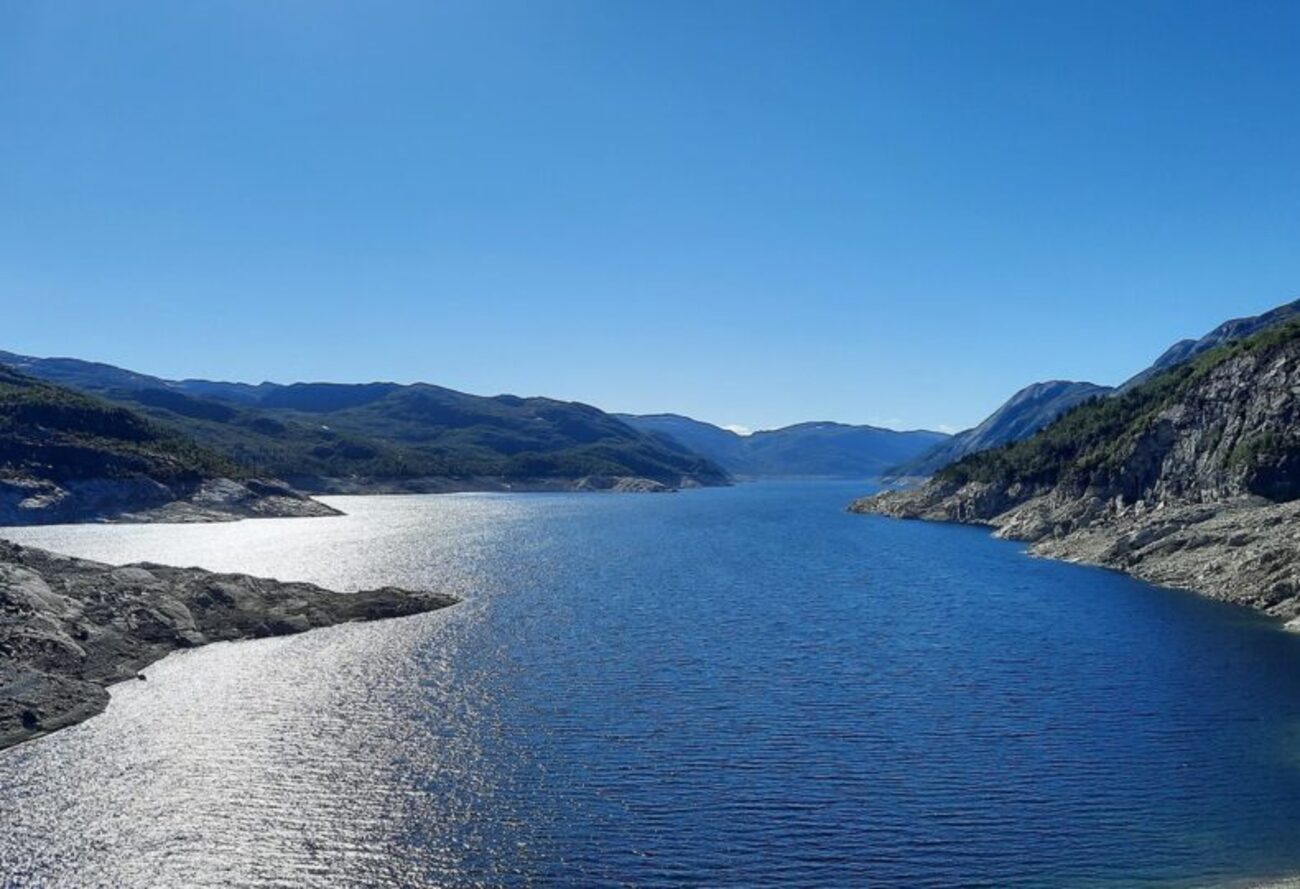
The scenario of atypical temperatures and the unprecedented winter in Norway harm the supply of hydroelectric reservoirs, putting at risk the largest reserve of clean energy on the European continent.
Norway is facing one of the warmest and driest winters in its recent history, a phenomenon that directly threatens the largest clean energy reserve in Europe and generates instability in the international energy market.
The Norwegian mountains, known for their snow-covered peaks that feed the country’s gigantic hydroelectric plants, are experiencing critical levels of solid precipitation this 2026 season.
As Norway functions as a “green battery” for neighboring countries like Germany, the United Kingdom, and the Netherlands, the water scarcity in the reservoirs impacts the entire European distribution network. The spring thaw, which traditionally fills the dams and ensures electricity generation for the rest of the year, may not occur with the necessary intensity.
-
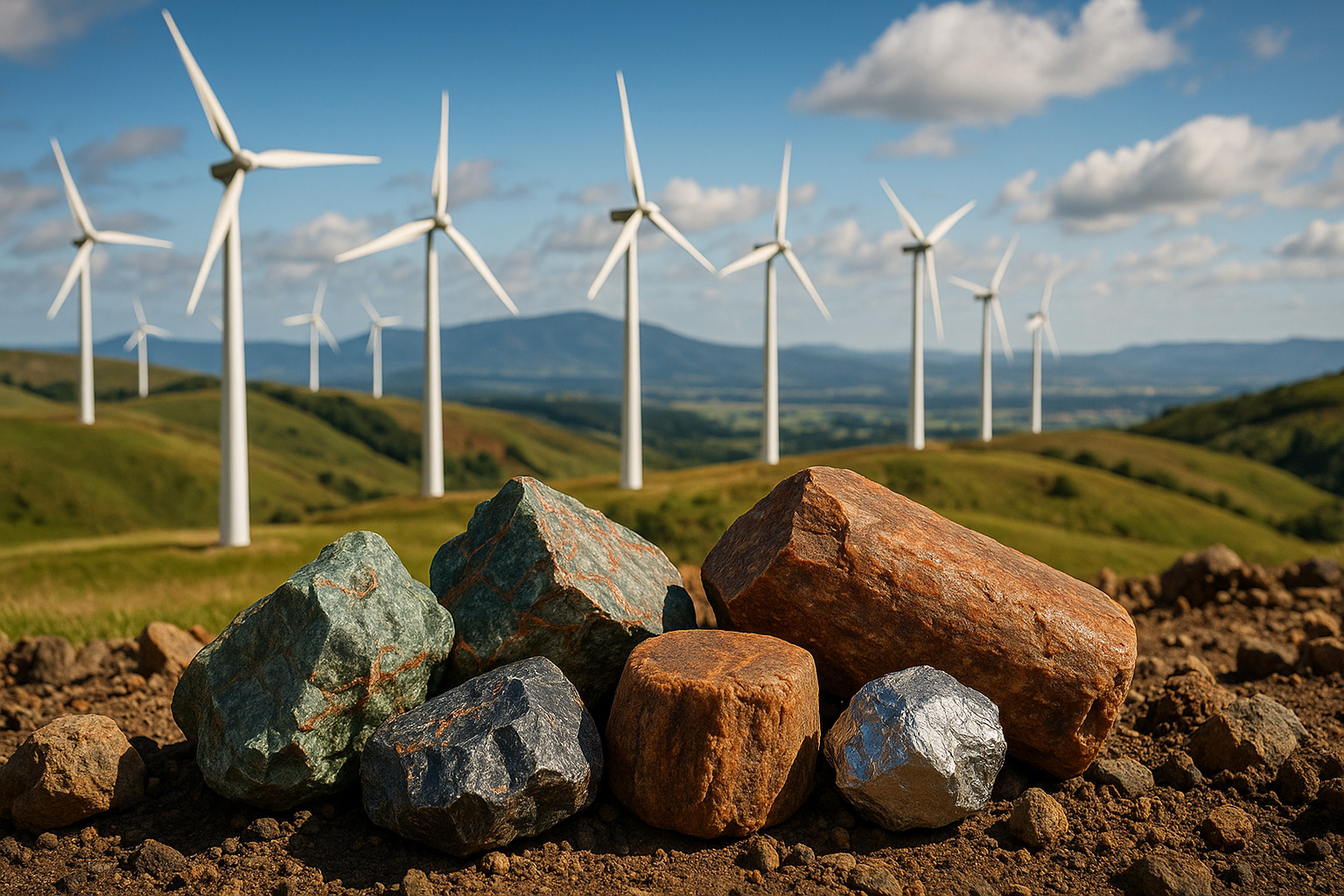
The Brazilian state accelerates industrial competitiveness with a focus on the extraction of strategic minerals to boost the energy transition in Goiás.
-
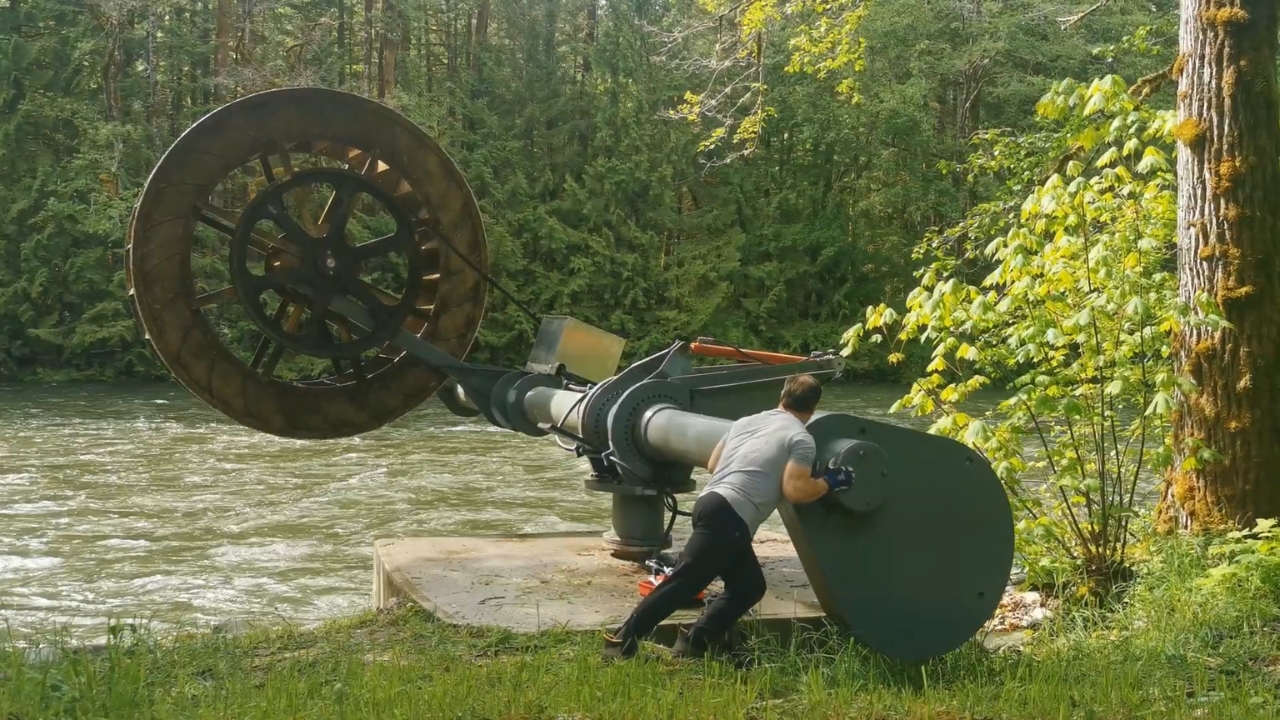
A Canadian retiree creates a hydroelectric system on a real river, generating energy continuously throughout the day and demonstrating how the power of water can supply a house with stability even in a simple structure.
-
Petrobras reaffirms its commitment to the market and ensures that it will carry out the energy transition safely to maintain national sovereignty.

-
Researchers discover a possible hydrogen deposit of up to 46 million tons beneath an ancient coal basin, and the volume could exceed half of the entire global production.

This environmental imbalance forces grid operators to seek alternative sources, often more expensive and polluting, to meet industrial and residential demand.
The market watches anxiously the water storage indicators, as the lack of snow compromises energy security and pressures inflation rates in the region.
The functioning of Norway as the battery of Europe
Norway holds almost half of the hydroelectric storage capacity of all Europe. The country uses its rugged geography to accumulate water at high altitudes, creating a clean energy reserve that meets not only internal demand but also export needs.
When the United Kingdom or Germany suffer from a lack of wind for their wind turbines, they import Norwegian electricity through high-voltage submarine cables.
This cooperation model relies entirely on the snow cycle. During winter, snow accumulates in the mountains. With the arrival of heat, this snow melts and flows into the reservoirs. Without snow, hydroelectric plants operate at low levels, reducing the capacity for firm energy dispatch.
In 2026, the operators Statnett and Equinor monitor the lake levels daily, trying to balance water preservation with the contractual obligation to supply energy to the rest of the continent.
The practical impact on the European electricity bill with the drought in the largest clean energy reserve
The scarcity of water resources in Norway immediately reflects on the energy exchanges in London and Frankfurt. The Norwegian clean energy reserve acts as a price regulator; when it is full, the cost of megawatt-hour (MWh) drops.
In the current drought scenario, electricity prices reach high levels, forcing energy-intensive industries to reduce production to avoid losses.

For the domestic consumer, the impact appears in monthly tariffs. European governments are discussing emergency subsidies to mitigate the increase, but the structural solution depends on weather conditions. The excessive dependence on a single storage source reveals the vulnerability of the European energy system in the face of global climate change.
The natural gas market, which the continent is trying to abandon, is regaining relevance as an emergency backup, delaying the decarbonization goals set for this decade.
Why is snow more important than rain?
Many people believe that heavy rain could solve the reservoir problem. However, Norway’s clean energy reserve specifically depends on snow.
Snow acts as a natural and gradual storage. It releases water slowly over months, ensuring a constant flow to the turbines of the hydroelectric plants.
Rain, on the other hand, tends to fall in concentrated bursts and run off quickly, often exceeding the soil’s absorption capacity and the management capabilities of the dams. Additionally, low temperatures ensure that water remains “stored” in the mountains in the form of ice until the time of highest energy demand.
Without this solid stock, water management becomes unpredictable and dangerous, increasing the risk of sudden overflows followed by long periods of total drought.
Climate change and the new normal in the Arctic
Global warming is hitting the Arctic region at a rate up to four times higher than the global average. The snowless winter in Norway in 2026 does not represent an isolated event, but rather the “new normal” predicted by climatologists.
The degradation of the largest clean energy reserve in Europe raises an alarm about the need for diversification of the regional energy matrix.
Norway is heavily investing in offshore wind farms and hydrogen technologies to compensate for the possible loss of prominence of hydroelectric plants. However, the transition to these new sources takes time and requires billion-dollar investments in infrastructure.


While the new plants are not fully operational, the country needs to manage its water resources with surgical precision to avoid blackouts or supply crises that could paralyze vital sectors of the Nordic economy.
The strategic role of submarine interconnection cables
Interconnectivity is the backbone of the European energy system. Cables like the North Sea Link, which connects Norway to the United Kingdom, allow the clean energy reserve to circulate freely between nations.
In times of abundance, Norway exports; in times of scarcity, like the current one, it may need to import energy from other sources to preserve its reservoirs.
This two-way route ensures that no country is left in the dark. However, if the drought persists and also affects other regions, the system collapses due to lack of surpluses.
Norway has already signaled that it may limit exports if dam levels fall below a national safety threshold. This measure, although necessary for Norwegians, generates diplomatic tensions with neighbors who depend on Oslo’s stable supply to keep their industries running.
Innovation and technology in reservoir management
To maximize the efficiency of the clean energy reserve, Norwegian companies use artificial intelligence and state-of-the-art satellites. These systems map soil moisture and the thickness of the little remaining snow with millimeter precision.
Predictive algorithms calculate exactly how much energy each drop of water can generate, optimizing turbine activation according to price fluctuations in the spot market.
Additionally, Norway is testing reverse pumping technologies. In this system, the plants use excess wind energy at night to pump water back into the upper reservoirs.
This creates a closed cycle that minimizes waste and attempts to compensate for the lack of natural precipitation. The success of these technologies in 2026 will determine the continent’s resilience in the face of future dry winters.
The impact on the Norwegian oil and gas sector
Interestingly, the crisis in the clean energy reserve also impacts Norway’s oil and gas sector. Exploration in the North Sea consumes massive amounts of electricity, and the Norwegian Petrobras (Equinor) seeks to electrify its platforms to reduce carbon emissions.
With energy being expensive and scarce, the cost of oil extraction rises, affecting the state-owned company’s profit margins.
The government uses record oil revenues to finance the energy transition, but the lack of snow creates a paradox. The country needs to produce more fossil fuels to generate revenue, while the lack of clean energy makes it difficult to decarbonize that very production.

This delicate balance requires political coordination between the Ministries of Energy and Climate to ensure that the country does not abandon its environmental goals amid the water crisis.
Biodiversity and ecosystems under pressure with the drought in the largest clean energy reserve in Europe
The drought in the Norwegian Alps affects not only the economy but also the local fauna and flora. The rivers that depend on melting snow are flowing at much lower rates than expected, harming the reproduction of fish like salmon, vital for the country’s fishing economy.
The maintenance of the clean energy reserve needs to take into account the minimum sanitary flows to avoid irreversible ecological disasters.
Environmental authorities monitor the water temperature in the reservoirs, which tends to rise with low levels and excessive heat. Warmer waters alter the aquatic ecosystem and may favor the proliferation of harmful algae.
The energy crisis of 2026 reveals that human infrastructure and nature are intrinsically linked; any failure in the natural water cycle generates a chain reaction that affects everyone from stock market investors to the wild species in the mountains.
The future of European energy at risk
The snowless winter in Norway serves as a severe reminder that even renewable sources have vulnerabilities. The largest clean energy reserve in Europe is not inexhaustible and depends on a climatic balance that humanity is altering.
To ensure energy security in 2026 and in the following decades, the continent needs to accelerate diversification, invest in battery storage, and strengthen energy efficiency at all levels.
Brazil and other water-rich nations should observe the Norwegian example closely. Reservoir management in times of climate crisis requires more than engineering; it demands technological foresight and international cooperation.
Norway remains the leader in the green transition, but the current scenario proves that the path to a sustainable future requires constant adaptation. The world is now waiting for spring, hoping that late rains or efficiency technologies will save what remains of Europe’s battery before the next winter arrives.







Seja o primeiro a reagir!