





 Portuguese
  English
  Spanish
  3 min of reading
  0 comments


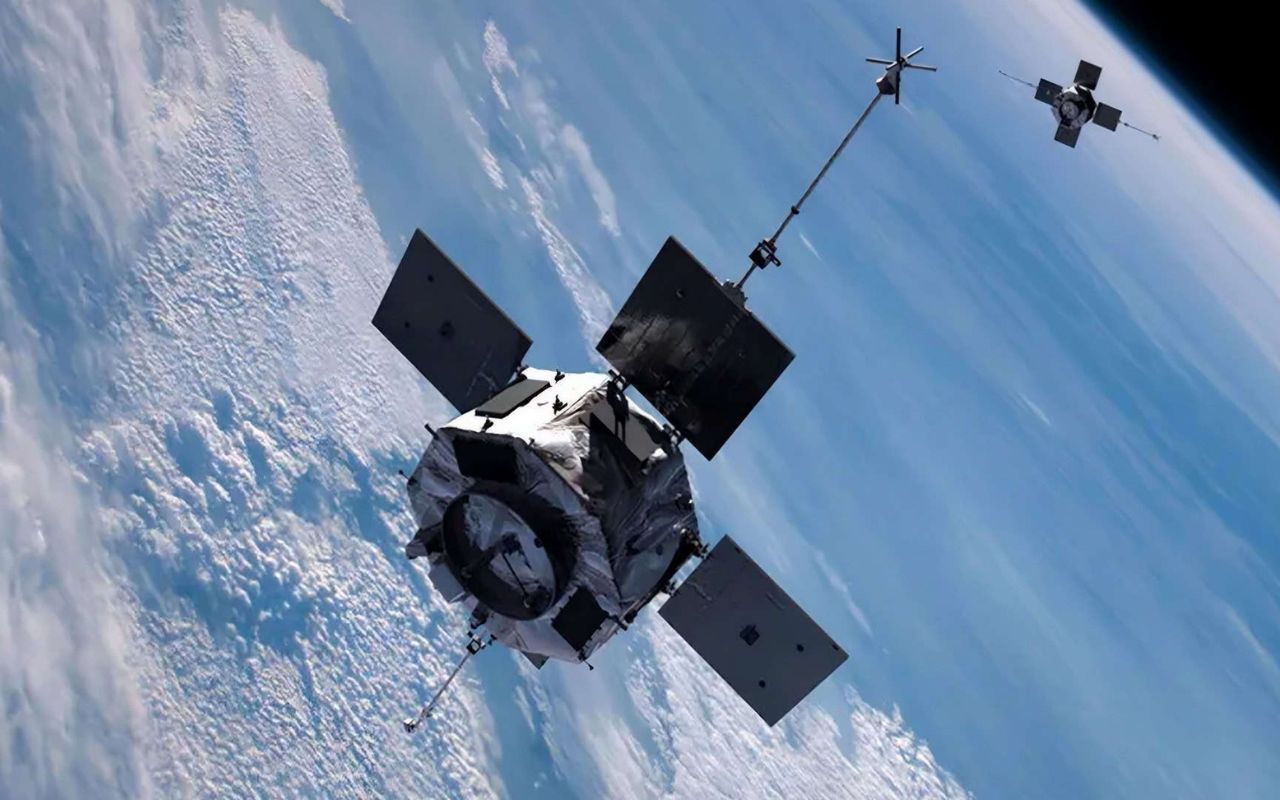
The NASA Van Allen Probe A Satellite Is Expected To Fall To Earth After Almost 14 Years In Orbit. The Mission Studied Radiation Belts Surrounding The Planet.
The Van Allen Probe A satellite, from NASA, is expected to fall to Earth this Tuesday (10), after almost 14 years in orbit.
The spacecraft, which weighs about 600 kilograms, will re-enter the Earth’s atmosphere after spending years studying the radiation belts of the planet.
According to predictions from the United States Space Force, the event is expected to occur around 8:45 PM (Brasilia time).
-
Mercado Livre has started selling medications in Brazil with delivery in up to 3 hours, and the project that launches in São Paulo may expand to the entire country, transforming the way millions of Brazilians buy medicines.

-
While the South begins April with sun and heat, a change in the weather already has a defined scenario in Brazil, and forecasts indicate heavy rain in the North and a sharp drop in temperature in the coming days.
-
Elon Musk wants to place humanoid robots in roles currently occupied by people, leading alongside giants like Amazon, Nvidia, and Figure in a race to replace human labor with machines, and advocates for a future where working would cease to be an obligation and become a choice.

-
A US company creates a facade that looks like stone or wood but generates energy: “invisible” solar panels for walls, easy installation, up to 130 W, and an off-grid YouTuber showcases it and raises funds for a battery.

Launched in August 2012, the Van Allen Probe A satellite was part of a scientific mission dedicated to better understanding the space environment around Earth.
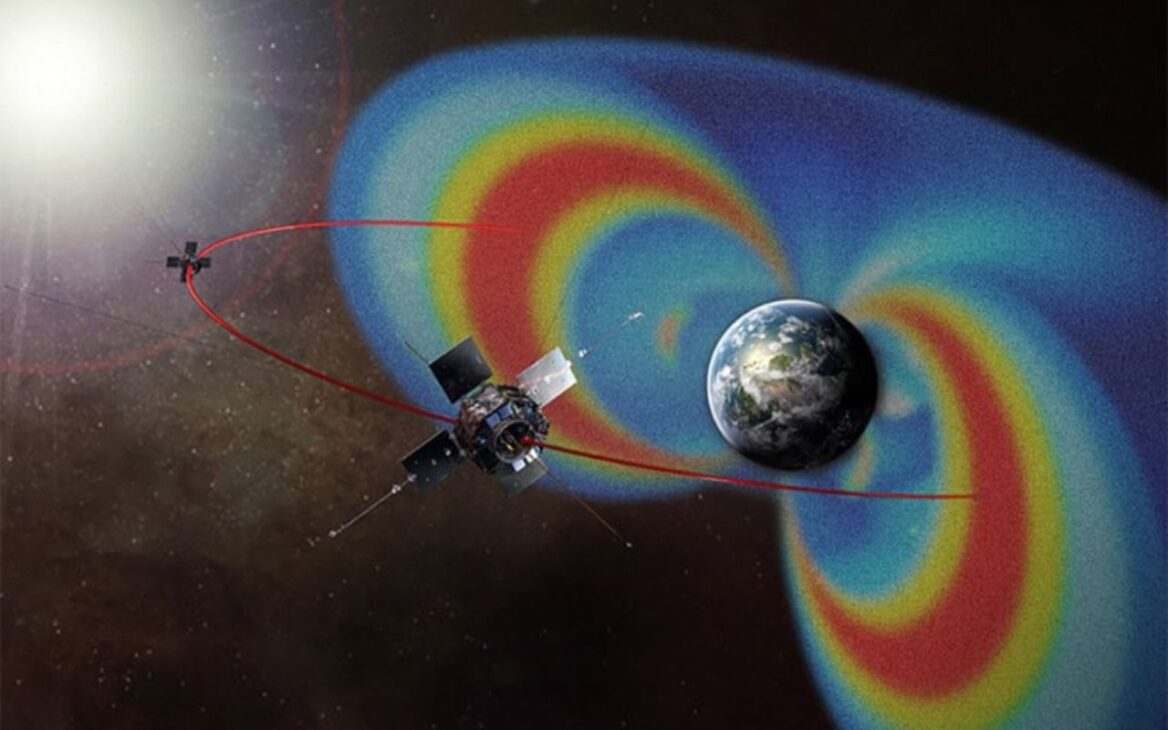
It operated alongside a twin probe, the Van Allen Probe B. Together, they investigated regions known as the Van Allen belts, areas filled with energetic particles trapped by the Earth’s magnetic field.
Scientific Mission of the Van Allen Probe A Satellite
The objective of NASA’s mission was to study how these high-energy particles behave in the space near the planet.
These belts are strongly influenced by solar activity. Thus, understanding their functioning helps scientists to predict phenomena that may affect modern technologies.
Additionally, solar storms can interfere with communication systems, satellite navigation, and even electrical grids on Earth.
For this reason, the data collected by the probes has become extremely valuable for research on space weather.
Initially, the mission was supposed to last only two years. However, the performance of the instruments exceeded expectations.
Probe B remained active until July 2019, while the Van Allen Probe A satellite continued operating until October of the same year.
How The Van Allen Probe A Satellite Will Fall To Earth?
Even after being decommissioned, both probes continued orbiting the planet. Over time, however, the orbit of the satellite has been naturally deteriorating, which will now result in its atmospheric re-entry.
During this process, the spacecraft will face extremely high temperatures due to friction with the air.
This intense heat will cause a large part of the structure of the Van Allen Probe A satellite to disintegrate before reaching the surface of Earth.
Debris Risk Considered Extremely Low
Although some fragments may survive re-entry, experts state that the risk to the population is minimal.
Nasa itself estimates that the chance of someone being hit by debris is approximately 1 in 4,200.
This happens because about 70% of the surface of Earth is covered by oceans. Therefore, the greatest probability is that any pieces of the satellite will fall into the sea or in remote and sparsely populated areas.
Scientific Legacy of NASA’s Mission
Even with the end of the probes’ operation, the scientific impact of the mission continues. The data collected by the Van Allen Probe A satellite is still being analyzed by researchers.
This information helps scientists better understand the behavior of the space environment around Earth.
Consequently, this knowledge contributes to protecting satellites, astronauts, and various technologies used daily on the planet.
With information from Olhar Digital








-

-

3 pessoas reagiram a isso.