






 Portuguese
  Spanish
  3 min of reading
  0 comments


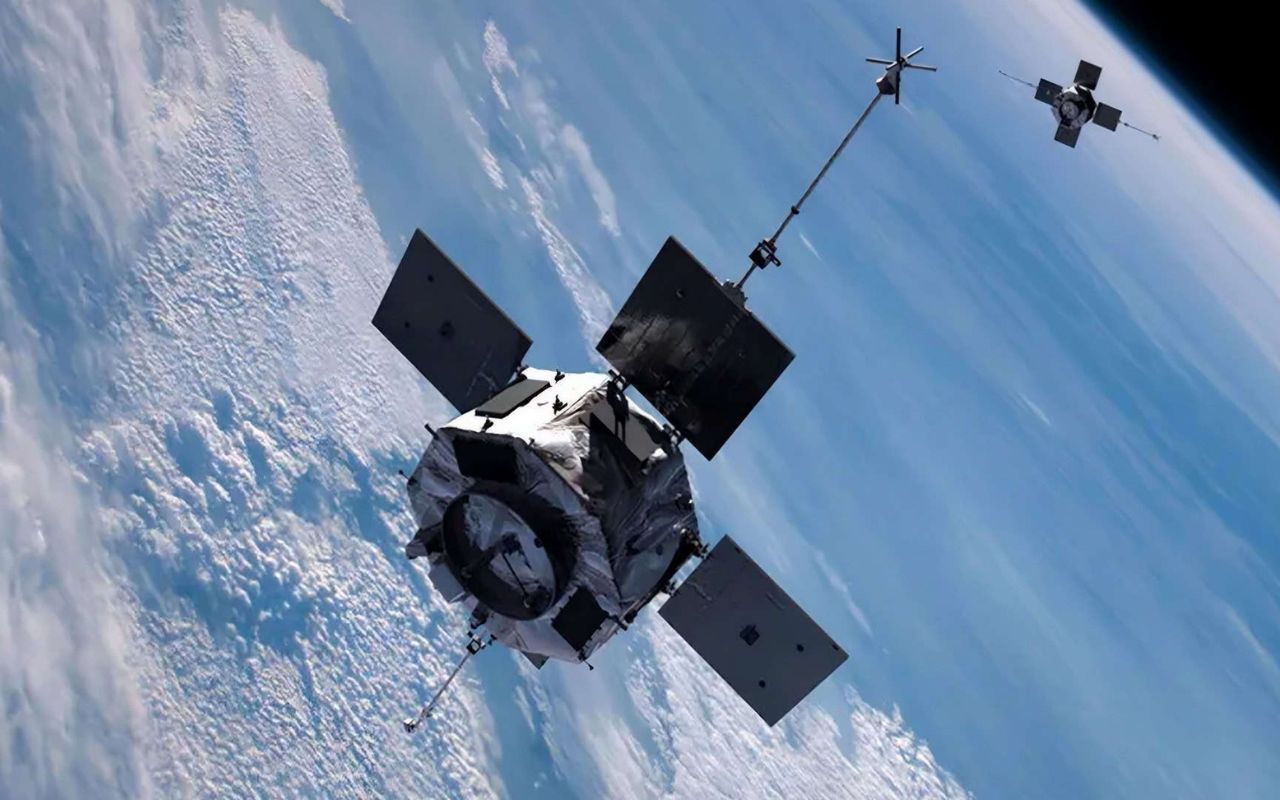
The NASA Van Allen Probe A Satellite Is Expected To Fall To Earth After Almost 14 Years In Orbit. The Mission Studied Radiation Belts Surrounding The Planet.
The Van Allen Probe A satellite, from NASA, is expected to fall to Earth this Tuesday (10), after almost 14 years in orbit.
The spacecraft, which weighs about 600 kilograms, will re-enter the Earth’s atmosphere after spending years studying the radiation belts of the planet.
According to predictions from the United States Space Force, the event is expected to occur around 8:45 PM (Brasilia time).
-
Helicopter Drops 180 Tons of Sand and Gravel on Swedish River to Revive Ecosystem Damaged by Decades of Exploitation

-
Brazilian Company Launches Retro Smartphone with 48 MP Camera, T9 Keyboard, and Privacy Features for Social Media-Free Use

-
Self-Taught Chinese Farmer Builds 5-Ton Submarine from Scrap, Launches It in Anhui River
-
Invisible Induction Technology Enables Wireless Power for Blenders, Coffee Makers, and Air Fryers, Reducing Countertop Cables





Launched in August 2012, the Van Allen Probe A satellite was part of a scientific mission dedicated to better understanding the space environment around Earth.
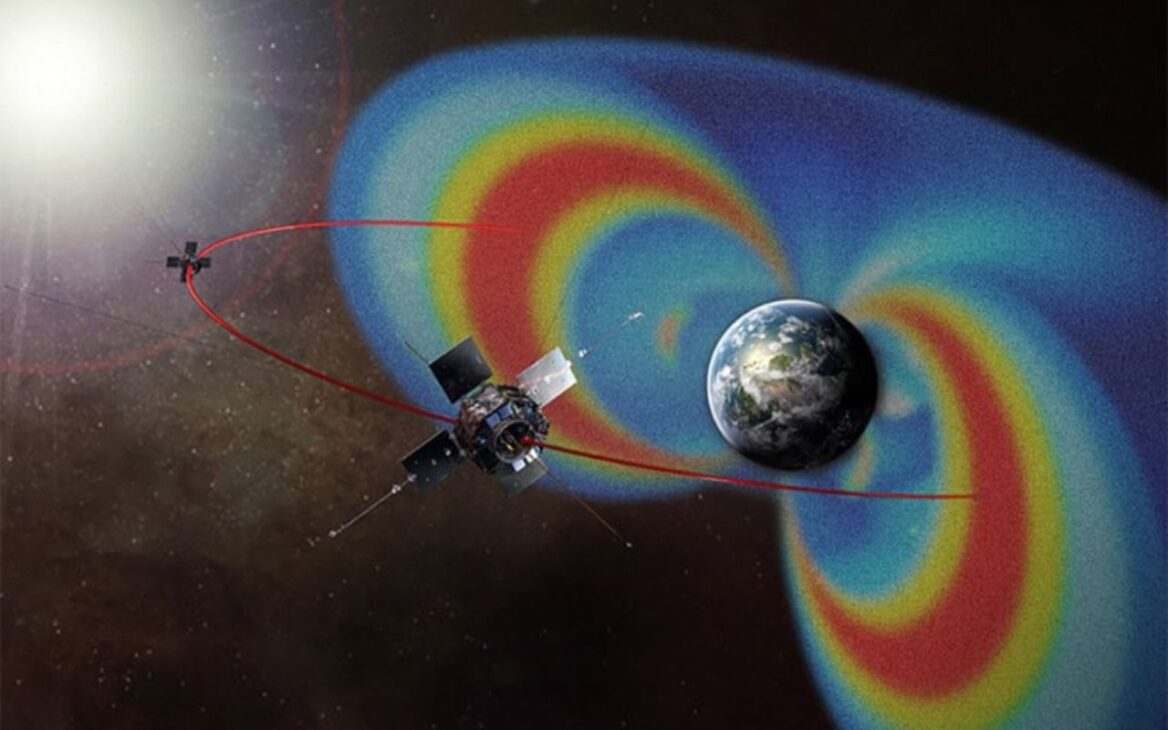
It operated alongside a twin probe, the Van Allen Probe B. Together, they investigated regions known as the Van Allen belts, areas filled with energetic particles trapped by the Earth’s magnetic field.
Scientific Mission of the Van Allen Probe A Satellite
The objective of NASA’s mission was to study how these high-energy particles behave in the space near the planet.
These belts are strongly influenced by solar activity. Thus, understanding their functioning helps scientists to predict phenomena that may affect modern technologies.
Additionally, solar storms can interfere with communication systems, satellite navigation, and even electrical grids on Earth.
For this reason, the data collected by the probes has become extremely valuable for research on space weather.
Initially, the mission was supposed to last only two years. However, the performance of the instruments exceeded expectations.
Probe B remained active until July 2019, while the Van Allen Probe A satellite continued operating until October of the same year.
How The Van Allen Probe A Satellite Will Fall To Earth?
Even after being decommissioned, both probes continued orbiting the planet. Over time, however, the orbit of the satellite has been naturally deteriorating, which will now result in its atmospheric re-entry.
During this process, the spacecraft will face extremely high temperatures due to friction with the air.
This intense heat will cause a large part of the structure of the Van Allen Probe A satellite to disintegrate before reaching the surface of Earth.
Debris Risk Considered Extremely Low
Although some fragments may survive re-entry, experts state that the risk to the population is minimal.
Nasa itself estimates that the chance of someone being hit by debris is approximately 1 in 4,200.
This happens because about 70% of the surface of Earth is covered by oceans. Therefore, the greatest probability is that any pieces of the satellite will fall into the sea or in remote and sparsely populated areas.
Scientific Legacy of NASA’s Mission
Even with the end of the probes’ operation, the scientific impact of the mission continues. The data collected by the Van Allen Probe A satellite is still being analyzed by researchers.
This information helps scientists better understand the behavior of the space environment around Earth.
Consequently, this knowledge contributes to protecting satellites, astronauts, and various technologies used daily on the planet.
With information from Olhar Digital




-

-

3 people reacted to this.