





 Portuguese
  English
  Spanish
  4 min of reading
  0 comments


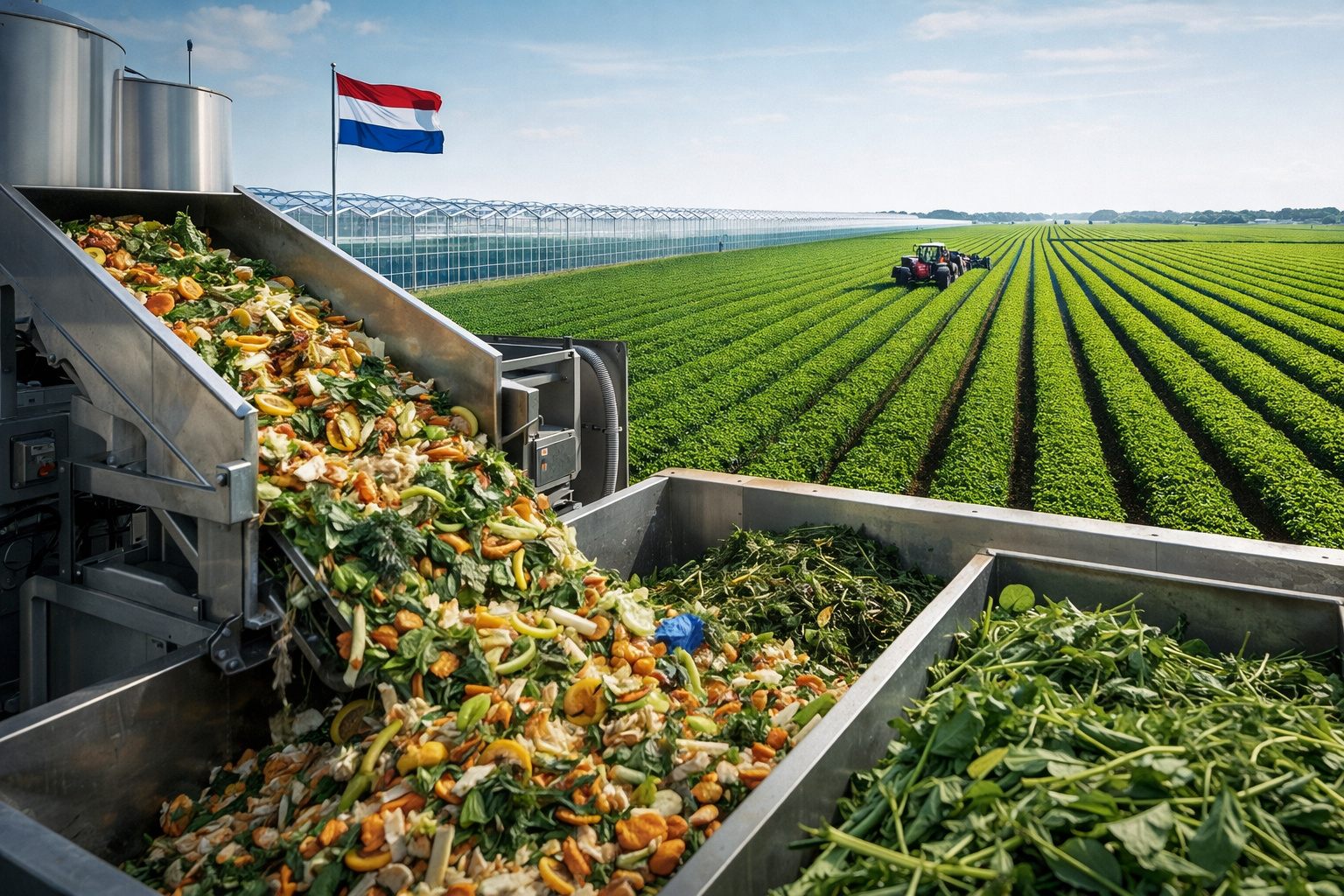
The Netherlands Reuses Organic Waste on a Large Scale, Produces Biofertilizers, Reduces Chemicals, and Sustains One of the Most Productive Agricultural Systems in the World on Limited Land.
The Netherlands is one of the most extreme examples of how technology, environmental management, and agriculture can walk hand in hand. Even occupying an area slightly larger than the state of Sergipe, the country has become one of the largest food exporters on the planet by turning an urban problem — organic waste — into one of the pillars of its agricultural productivity. Food waste, crop residues, animal manure, and industrial by-products have ceased to be environmental liabilities and have become strategic inputs capable of fertilizing millions of hectares both inside and outside the country.
The Dutch model did not emerge by chance. It was built over decades of strict public policies, investments in agricultural science, and environmental pressure, especially after the 1990s, when livestock waste began to threaten soils, rivers, and groundwater. The response was to transform waste into resources.
How Organic Waste Became the Foundation of Dutch Agriculture
In the Netherlands, practically all organic waste has a productive destination. Urban food scraps, supermarket waste, food industry leftovers, bovine and swine manure, and even treated sludge from sewage treatment plants undergo controlled processes of composting, anaerobic digestion, and nutrient separation.
-
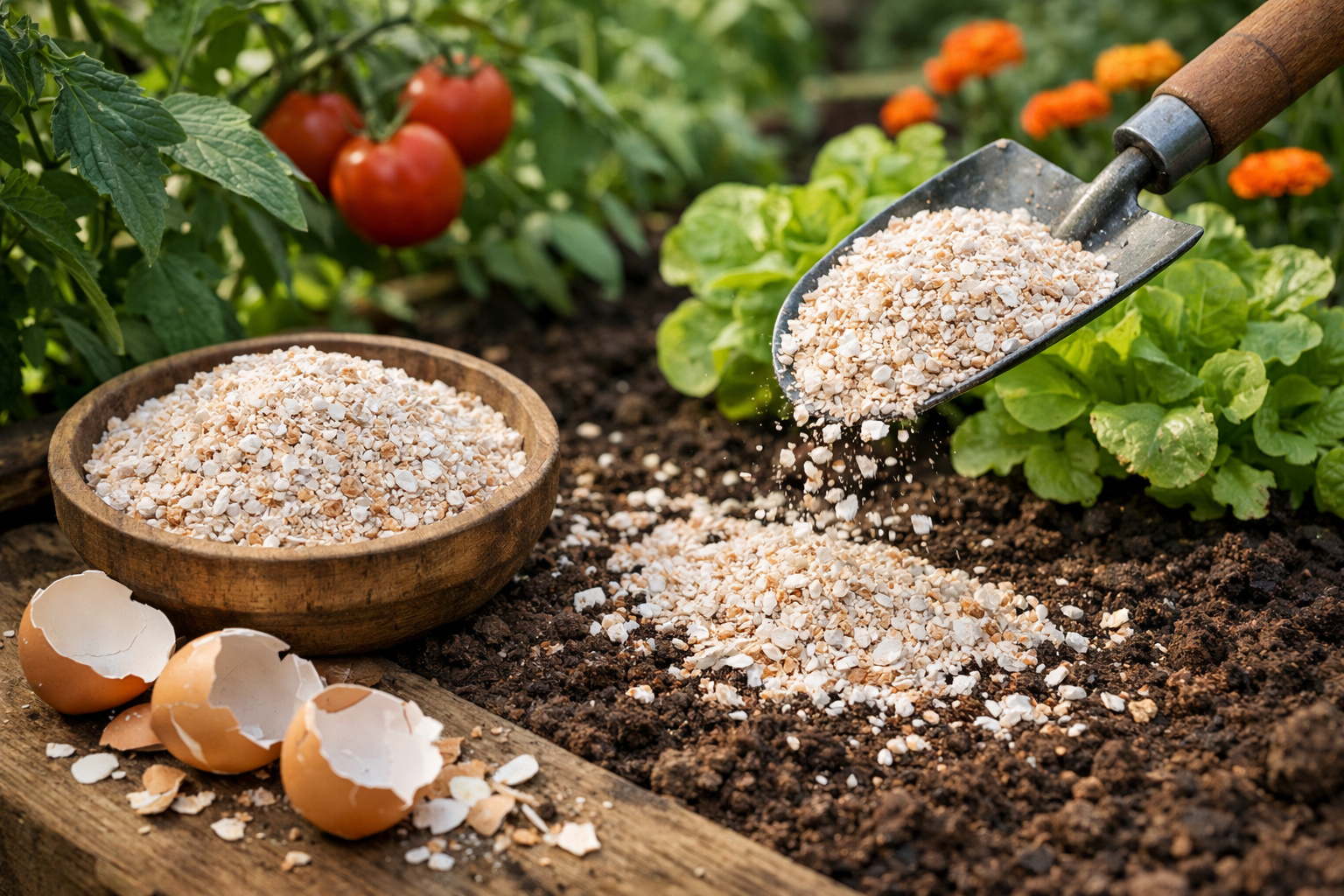
The eggshell that almost everyone throws away is made up of about 95% calcium carbonate and can help enrich the soil when crushed, slowly releasing nutrients and being reused in home gardens and vegetable patches.
-
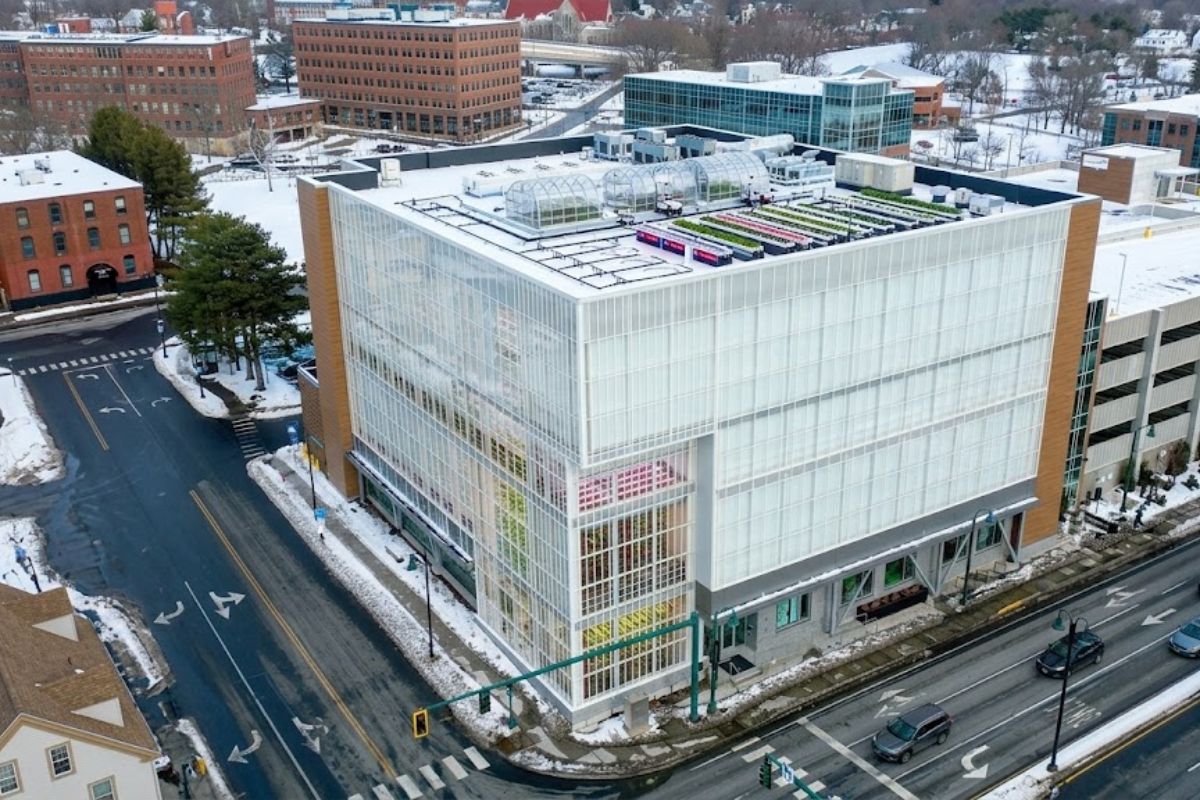
This farm in the United States does not use sunlight, does not use soil, and produces 500 times more food per square meter than traditional agriculture: the secret lies in 42,000 LEDs, hydroponics, and a system that recycles even the heat from the lamps.
-
The water that almost everyone throws away after cooking potatoes carries nutrients released during the preparation and can be reused to help in the development of plants when used correctly at the base of gardens and pots, at no additional cost and without changing the routine.

-
The sea water temperature rose from 28 to 34 degrees in Santa Catarina and killed up to 90% of the oysters: producers who planted over 1 million seeds lost practically everything and say that if it happens again, production is doomed to end.



These processes generate biofertilizers rich in nitrogen, phosphorus, and potassium, as well as stable organic matter, capable of partially replacing — and in some cases almost completely — traditional chemical fertilizers. The result is a closed loop, in which the city feeds the countryside and the countryside sustains the city.
Today, the Netherlands reuses more than 90% of its organic waste, one of the highest rates in the world, and a large portion of this volume goes directly back to agriculture.
Anaerobic Digestion and Biofertilizers on an Industrial Scale
One of the pillars of the Dutch system is anaerobic digestion, a technology that uses bacteria to decompose organic waste in the absence of oxygen. The process generates two strategic products: biogas and digestate.
Biogas is used for generating electricity, heating greenhouses, and supplying local grids. Meanwhile, digestate, after treatment, is transformed into liquid or solid fertilizer, applied to crops, pastures, and intensive cultivation.
This system allows large volumes of urban and agro-industrial waste to be processed continuously, creating enough fertilizers for millions of hectares of agricultural land, including in systems that export inputs to other European countries.
High Productivity in Limited Territory
The impact of this strategy is reflected in the numbers. The Netherlands is among the largest agricultural exporters in the world, surpassed only by territorial giants like the United States and Brazil. The country leads global exports of flowers, seeds, potatoes, tomatoes, and various high-value vegetables.
All of this occurs in an extremely limited territory, where every square meter needs to be productive. The intensive use of biofertilizers helps maintain soil fertility, reduce losses from leaching, and ensure high yields without the same level of dependence on imported mineral fertilizers.
In high-tech greenhouses, common in the country, nutrients derived from organic waste are applied with millimeter precision, adjusted in real-time according to soil and climate sensors.
Less Chemicals, More Environmental Control
Another key point of the Dutch model is the strict control of synthetic fertilizer use. The country operates under severe environmental limits, especially for nitrates and phosphates, due to the risk of groundwater contamination and river eutrophication.
The solution found was to integrate treated organic waste with precision agriculture. Instead of applying large volumes of chemical fertilizers, producers use accurately dosed biofertilizers, reducing emissions, waste, and environmental impacts.

This system also contributes to climate targets, as anaerobic digestion reduces the direct release of methane into the atmosphere and substitutes part of fossil energy with renewable biogas.
Science, Universities, and Agricultural Innovation
None of this would be possible without a solid scientific foundation. Institutions like Wageningen University, a global reference in agricultural sciences, play a central role in developing technologies for waste reuse, nutrient management, and circular agriculture.
Continuous research allows for the optimization of biofertilizer formulas, evaluation of long-term impacts on the soil, and the creation of systems that integrate urban waste, energy production, and intensive agriculture into a single productive ecosystem.
The result is a model that goes beyond recycling: it is a complex agricultural engineering endeavor, planned and monitored on a national scale.
A Model Observed by the World
The Dutch experience has been observed by countries facing two simultaneous challenges: excess urban waste and the need to produce more food on less land. In practice, the Netherlands has shown that organic waste is not a problem — it is strategic raw material.
By transforming waste into fertilizer, the country not only sustains its own agriculture but also exports knowledge, technology, and inputs to other regions of the planet.
More than just an environmental solution, the Dutch case is an example of how innovation, science, and management can redefine the future of agriculture in a world pressured by climate, a growing population, and increasingly evident territorial limits.




Seja o primeiro a reagir!