





 Portuguese
  English
  Spanish
  2 min of reading


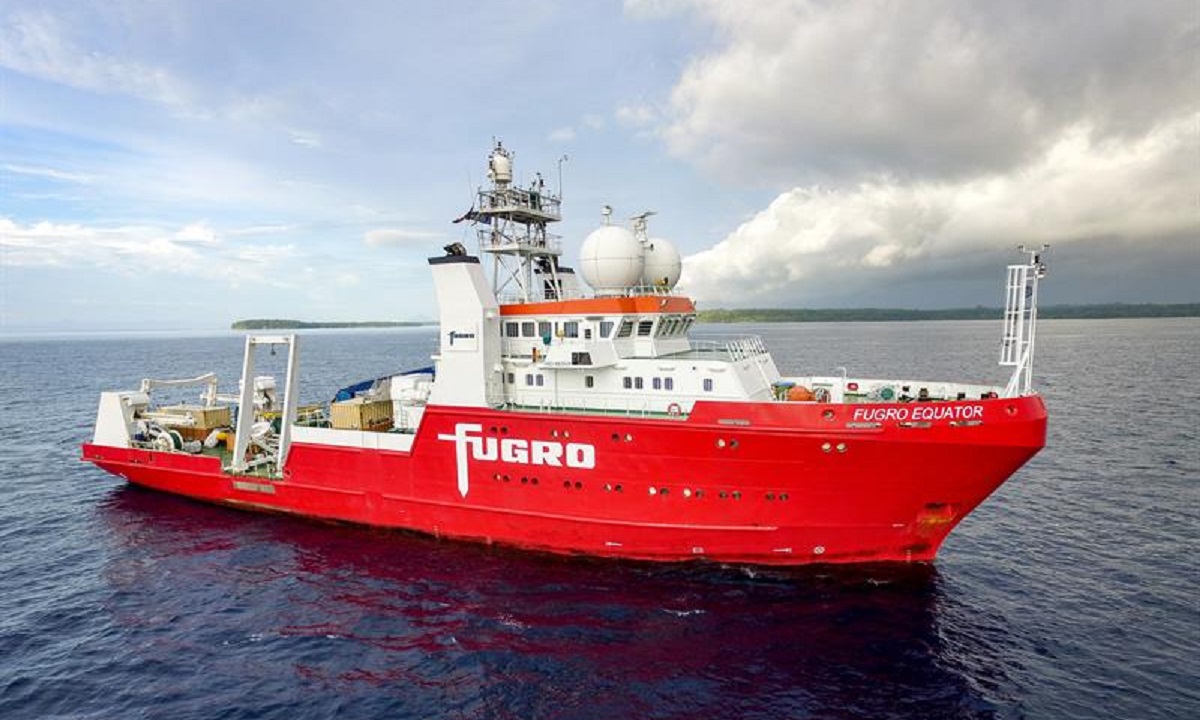
The Purchase of the PSVs Topaz Endurance and Topaz Energy Is Part of Fugro’s Net Zero 2035 Roadmap
Fugro is a Dutch publicly traded multinational company specializing in the collection and analysis of geological data, both on land and at sea. This week, the company announced the purchase of two platform supply vessels (PSVs) that will be repurposed as geotechnical vessels.
The vessels purchased are the PSVs Topaz Endurance and Topaz Energy, which were built in 2015 and will be part of its net zero 2035 roadmap. According to Fugro, these vessels are much more efficient when it comes to energy than its current fleet and offer alternatives for hybrid conversions and/or marine fuels in the future.
With the New Vessels, Fugro Will Maintain a Balanced Portfolio of Vessels
The new vessels join the Fugro Quest in the geotechnical fleet that the Dutch company acquired in December 2022. According to the company, this vessel offers greater operational and personnel safety, while its energy efficiency design results in a much lower fuel consumption than other geotechnical vessels.
-
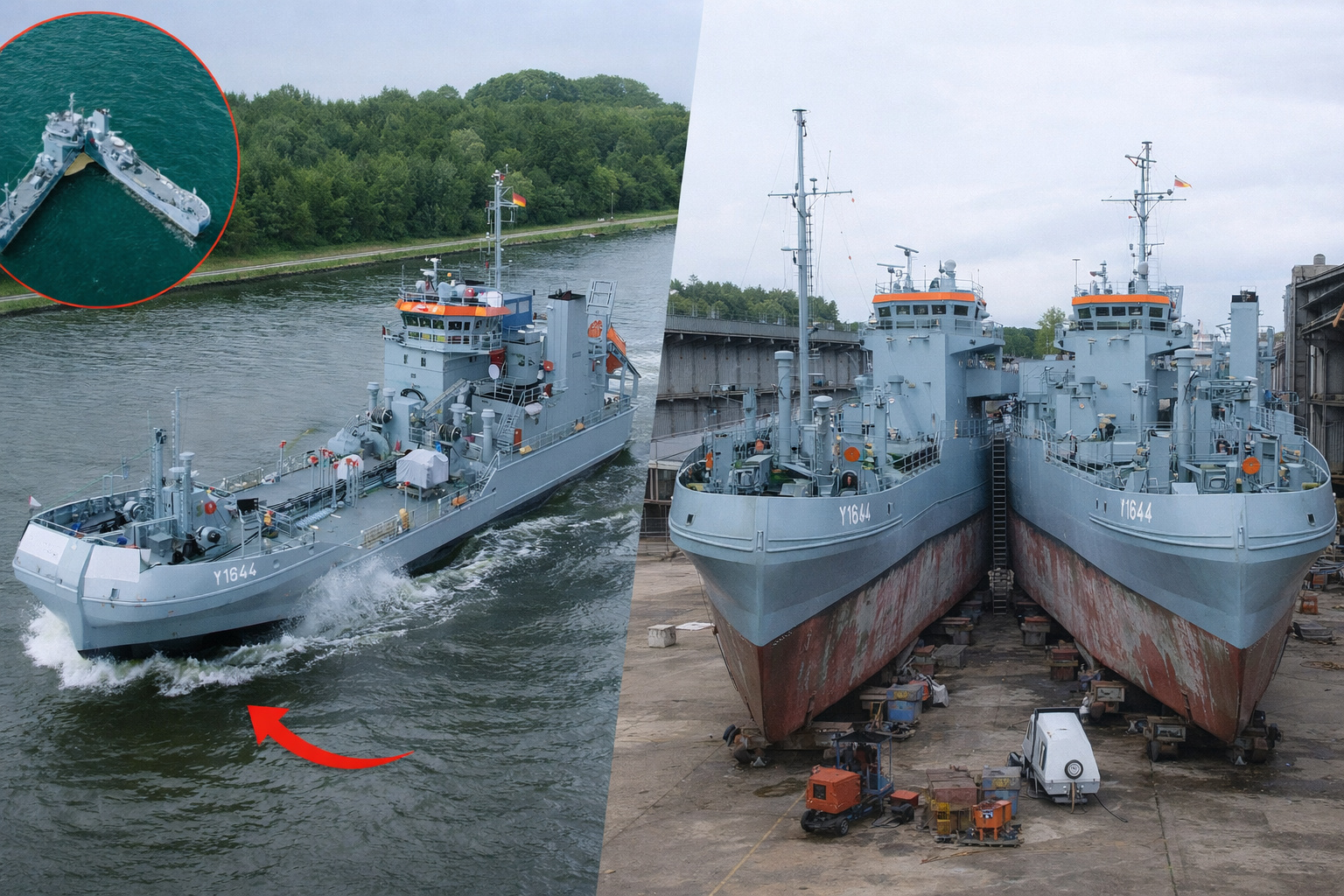
The German ship Bottsand splits its hull in two halves in the middle of the ocean to swallow spilled oil on the surface, separating the oil from the water inside a 790 cubic meter tank and then closing again. It is the only ship in the world factory-designed to split in half as part of normal operations, and the crew of six people who operate everything is civilian.
-
With almost 70 meters in width at the stern and a shape resembling a “giant slice of cheese,” the Ramform Titan tows up to 24 seismic cables to sweep the ocean floor in 3D and reveal oil reserves hidden beneath kilometers of sediment.

-
How a 131-ton, 11-meter propeller supports 90% of global trade and transforms the largest container ships on the planet.

-
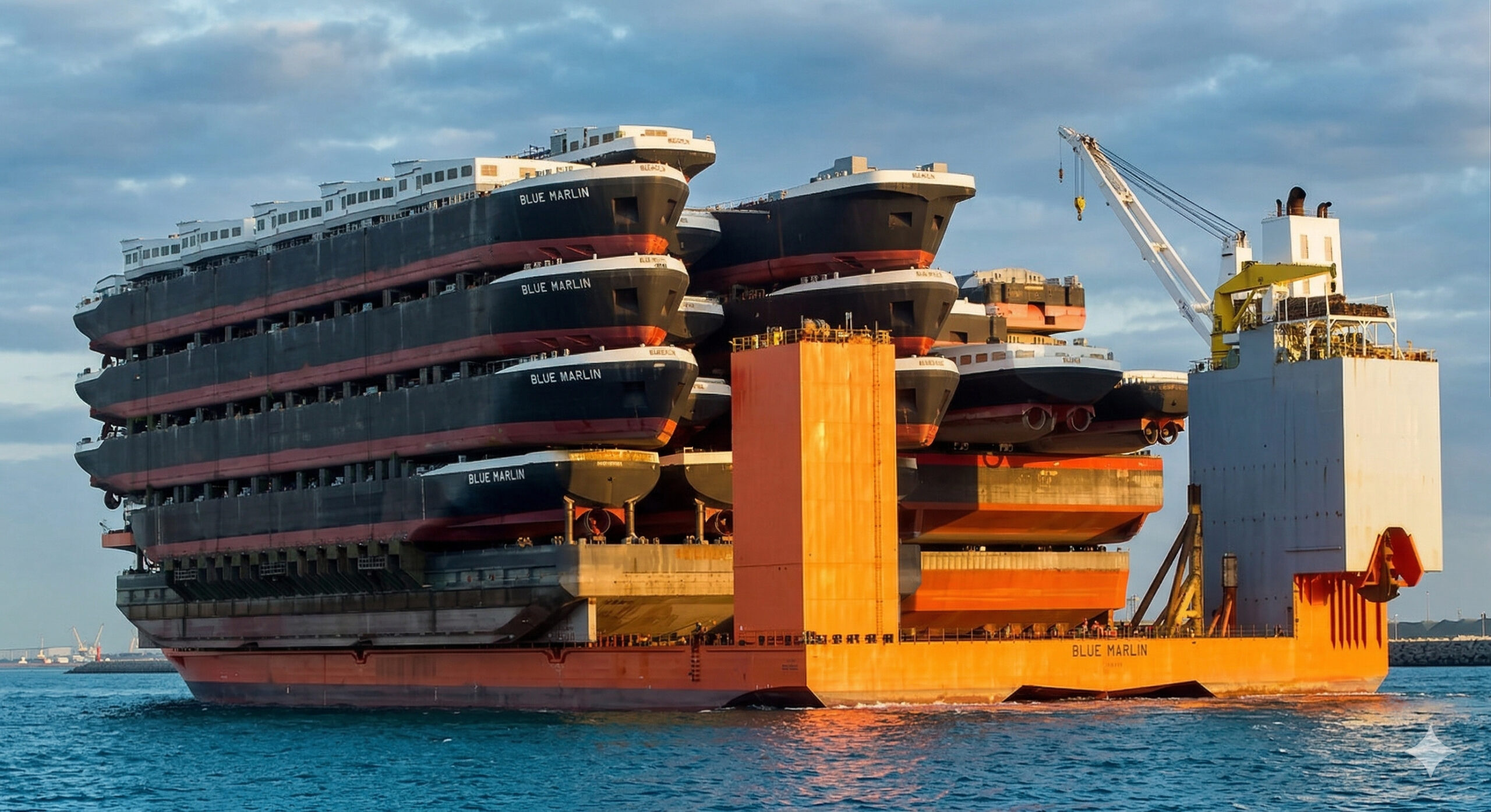
With a length of 225 meters and a capacity of 76 thousand tons, this ship “sinks” its own deck down to 28 meters deep to accommodate war destroyers, oil platforms, and giant radars floating above, and then emerges with everything intact on top like a colossal tray crossing oceans.

“Ensuring long-term capacity is crucial for capturing growth, particularly in the global offshore wind market. Charter rates have been rising and the vessel market is expected to remain tight. With the purchase of these strategic assets, Fugro will maintain a balanced portfolio of vessels, keeping flexibility for the future,” says Fugro.
One Day Before Announcing the Purchase of the Vessels, Fugro Had Already Announced Its New Remote Operations Center
The news of the purchase of the platform supply vessels came just one day after Fugro announced the opening of its new Remote Operations Center (ROC). It is located in St. John’s, Canada, and will be used to control offshore research operations.
According to Offshore Energy, the ROC will serve offshore energy and other maritime clients whose work in Canada often involves adverse operational conditions and/or long-distance mobilizations.
Furthermore, it was built with the help of the Newfoundland and Labrador Offshore Oil and Gas Industry Recovery Assistance Fund, funded by the federal government. This fund was created to maximize employability among the residents of Newfoundland and Labrador and support industrial recovery in the region in offshore oil and gas.







Seja o primeiro a reagir!