





 Portuguese
  English
  Spanish
  5 min of reading
  0 comments


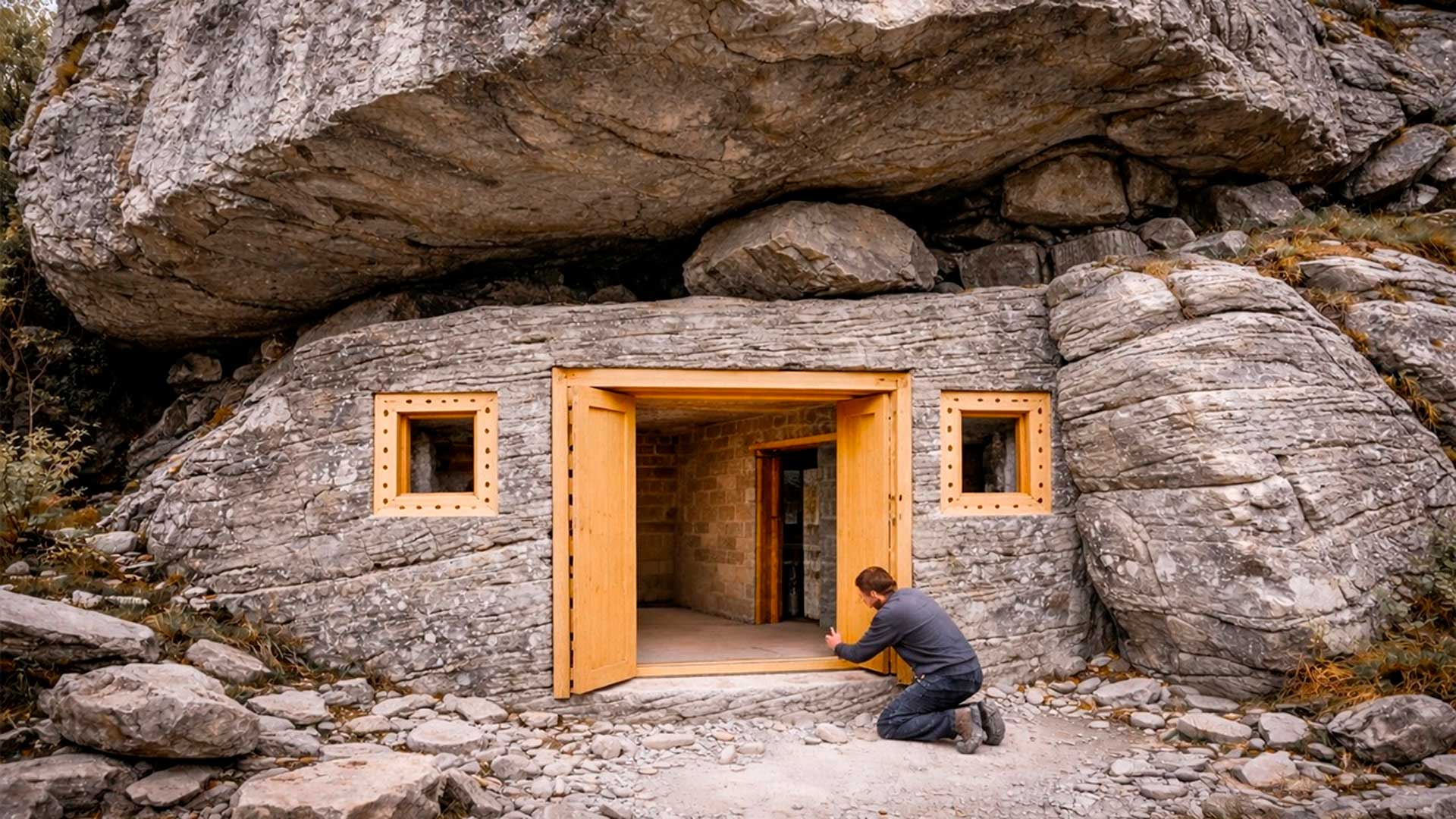
A Video Shows a Man Transforming Natural Cavities Into a House Under a Rock With Bamboo, Wood, and Clay. The Feat Is Impressive, but Experts Remind Us That Digging and Building Without a Plan Can End in Collapse.
A man worked for about 365 days to create a kind of underground house under a huge rock, using natural cavities as a starting point and building a façade with wood, bamboo, stones, and clay.
In the scenes of the video recorded by the channel Machine stage, he starts by clearing the entrance, removing loose soil and stones, and then sets up a support structure with bamboo, as if it were scaffolding and a porch to access the excavated area. The project evolves into doors, windows, niches, and even a hidden chamber behind the first environment.
The sequence drew attention for combining the aesthetics of a camouflaged shelter, artisanal techniques, and a result that, from the outside, looks like just a pile of stones. Inside, the video suggests a space divided into rooms, with stone walls and closures for wind and rain.
-
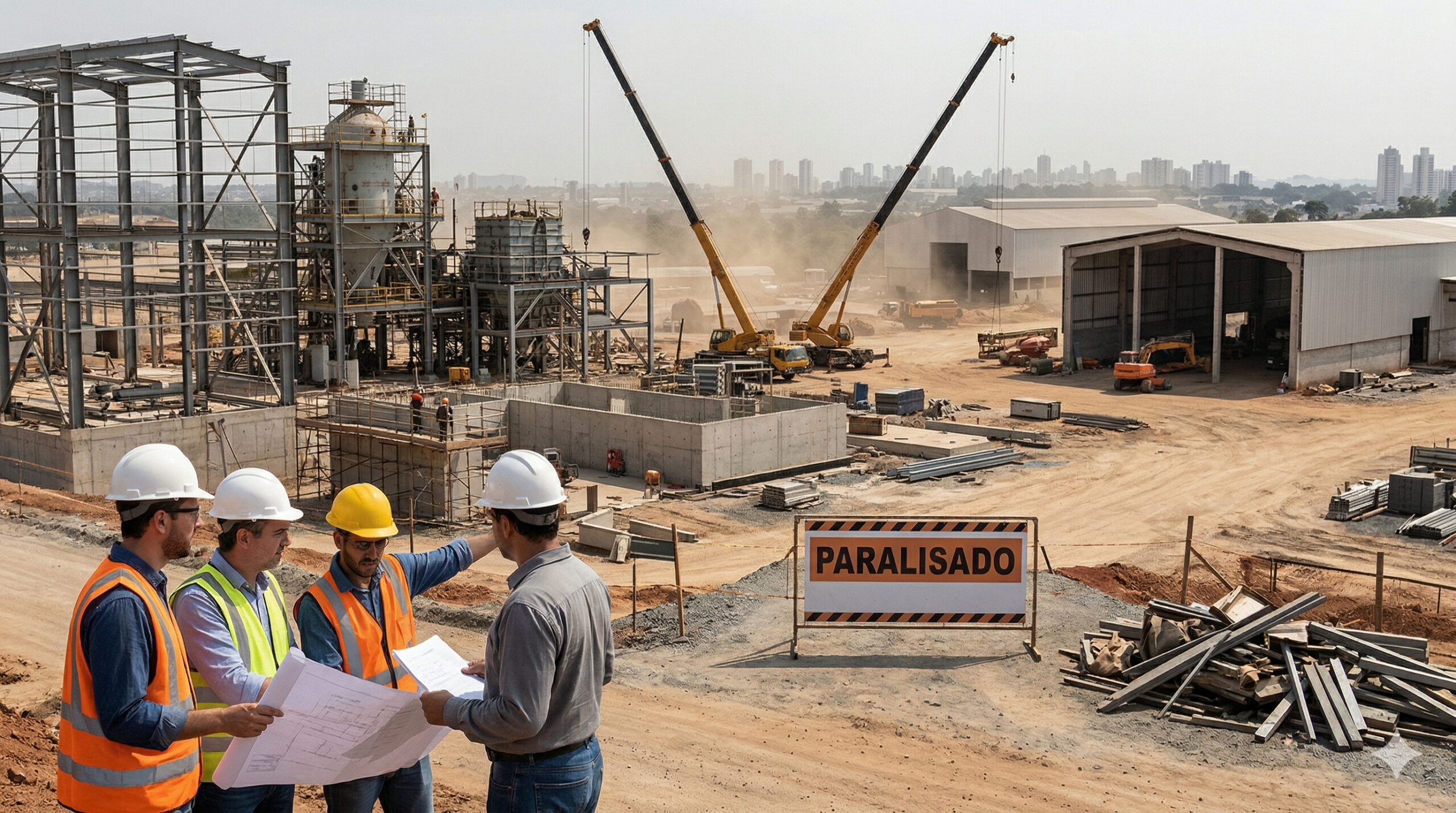
The lack of welders, electricians, and operators becomes a structural threat in 2025, with the construction industry and manufacturing already suffering from delays, cost pressures, and labor shortages in Brazil.
-
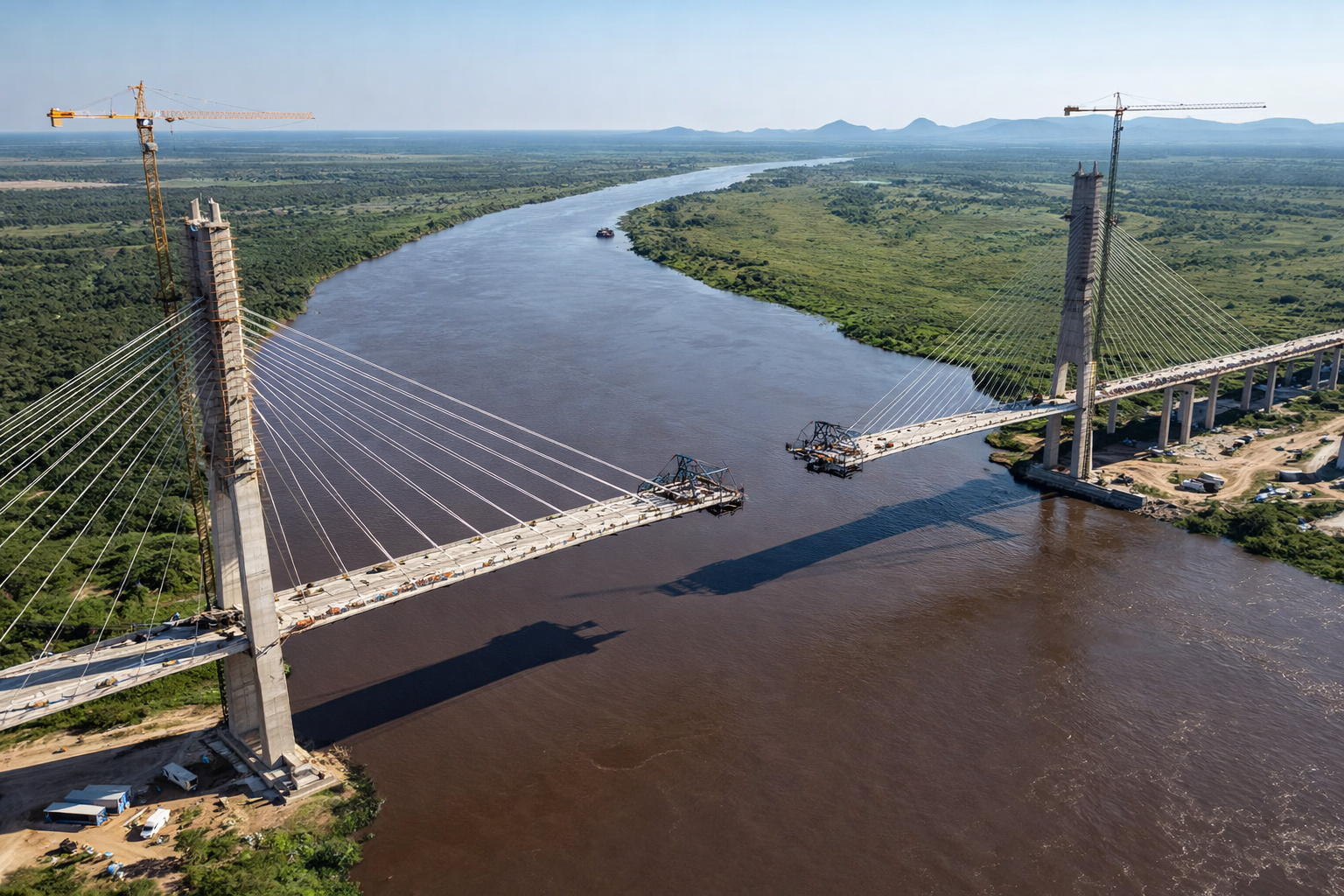
Brazil and Paraguay are just 46 meters away from a historic union on the bioceanic bridge that promises to revolutionize trade between the Atlantic and the Pacific.
-
With 55 km over the sea, a cost of US$ 20 billion, and enough steel to build 60 Eiffel Towers, China’s largest project has connected Hong Kong, Zhuhai, and Macau in a colossal bridge that defies the logic of engineering.

-
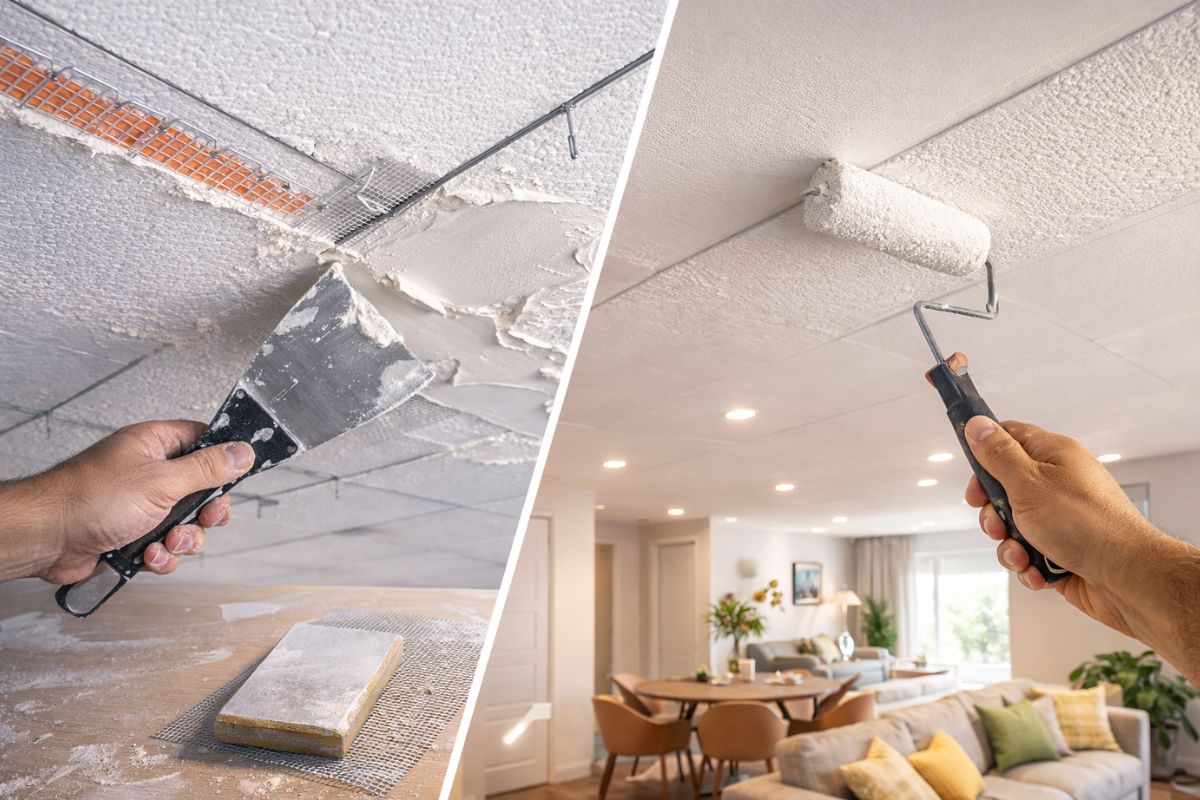
A trick with joint compound transforms a Styrofoam ceiling into a plaster-like ceiling: leveled panels, wires and mesh at the joints, sand, paint, and change the environment while spending little today.

At the same time, the type of work raises questions that go beyond entertainment, such as structural safety, ventilation, environmental impacts, and even the legality of interventions on slopes and rocks, topics that often require technical assessment.
Video of an Underground House Under a Giant Rock Shows Construction Stages
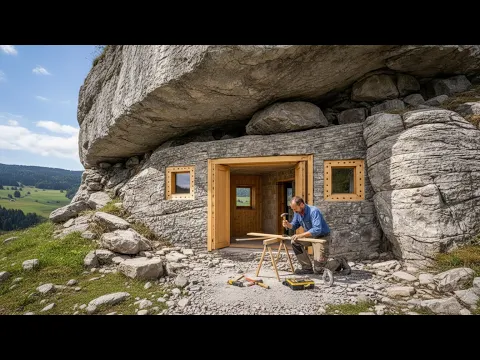

According to the described script, construction begins with recognizing cavities and removing branches, soil, and loose rocks to enlarge the entrance. Next, the man marks an opening that becomes a door and deepens the floor, creating a larger internal space, with soil removed and piled in front.
Then, he closes the external part with boards and a wall of stones set with clay, creating a “hull” that helps block wind and rain while reinforcing camouflage. In the end, the dwelling appears almost invisible in the landscape, with a small window and a discreet door embedded in the rock.
Construction With Bamboo, Wood, and Clay Is Impressive, but It Is Not Synonymous With Safe Construction
The video highlights the use of bamboo as a temporary and support structure, something that exists in real-world traditional works due to being lightweight, flexible, and relatively quick to assemble when there is experienced labor. In places like Hong Kong, bamboo is still used in scaffolding precisely for these characteristics.

In practice, however, the safety of any scaffolding depends on project design, proper ties, inspection, and material conditions. The fact that it appears firm on camera does not replace calculations and tests, especially when the structure is suspended or supported near elevations.
Another point is the use of clay as mortar and coating. It can work as a traditional solution in certain techniques, but performance varies with humidity, drainage, temperature, and maintenance, in addition to the type of available soil.
The video itself suggests stone walls with clay filling and internal niches, which can increase weight and pressure in sensitive areas. In real construction, additional loads and vibrations can accelerate cracks and detachments in rocks and slopes, especially without containment.
There is also the issue of ventilation and humidity. Excavated environments tend to retain water and condensation, requiring solutions for air circulation and mold control, a topic discussed in analyses of troglodyte architecture and dwellings in natural cavities.
Dwellings Dug Into the Earth Have Existed for Centuries and Inspire Modern Projects

Although the video seems extreme, the idea of living in excavated structures is not new. In regions of China, for example, there are projects and traditions of partially buried and excavated houses, known as yaodong, which take advantage of the thermal insulation of the ground to reduce the need for heating and cooling.
This type of vernacular architecture is usually planned for the terrain and climate, with openings positioned for light and ventilation, in addition to drainage techniques. When well executed, they can be efficient and comfortable, but they are not improvisations.
In recent years, architects have also begun to look back at cave and hillside dwellings as a reference for sustainable design, precisely because they use thermal mass, reduce wind exposure, and integrate the construction into the surroundings.
The central difference is that these solutions, when legal and safe, undergo soil studies, stability assessments, and environmental condition evaluations. This is the opposite of the “try and see if it works” logic that internet videos sometimes portray as normal.
Risks of Excavation and Rock Falls Make Experts Treat This Type of Work as a High-Risk Scenario
Authorities and safety guides remind us that excavations can be deadly due to collapse, burial, and falling material from the sides, even in relatively small trenches. The risk increases when there is fractured rock, inclination, and loose material above the work area.
In safety guidelines for mining and excavation, controlling ground instability is treated as a critical step, with measures to maintain a safe distance from faces that may collapse and to reduce the chance of engulfment by falling materials.
There is also an ongoing debate about the authenticity of videos of the “primitive construction” genre. Investigations and analyses point out that some of this content is staged or uses modern resources off-screen, especially in channels that go viral with large projects in a short time.
Even when the work is real, that does not make the practice a recommendation. Building under a rock may require geotechnical assessment, containment, drainage, and permits, and trying to replicate it at home based on video inspiration is the kind of decision that often ends badly.
Whether this type of project is admirable creativity or irresponsibility disguised as adventure depends on what doesn’t appear on camera, such as land study, safety, and environmental impact. Do you think videos like this should come with explicit warnings and limitations, or would that ruin the entertainment and freedom for the creator? Leave your opinion in the comments and tell us where you draw the line between inspiration and real danger.










-

2 pessoas reagiram a isso.