





 Portuguese
  English
  Spanish
  4 min of reading
  11 comments





A Million-Dollar Banking Error and an Unexpected Reaction
Imagine opening your bank’s app and discovering a balance of R$ 78 million. This is exactly what happened to a client in São Paulo, who experienced what many would call “big luck” for a few days. But what seemed like a miracle soon turned into a curious legal case, widely reported on portals such as BR104 and G1: he invested the money, made a profit of nearly R$ 1 million — and then returned everything.
According to information released by the man’s defense, the deposit occurred by mistake in August, following a processing error of internal transfers at the financial institution. The client noticed the high amount but believed it was a temporary transaction and decided to invest the amount in a short-term fixed-income operation.
Profit of R$ 977 Thousand and Full Refund
For a few days, the investment yielded R$ 977 thousand in interest and monetary correction. As soon as the bank identified the error, they notified the client and demanded the full return of the amount. The man, according to his lawyer, did not hesitate to return the total of R$ 78 million, including the profit earned.
The case surprised social media: while many internet users highlighted the honesty, others questioned the behavior of the institution, which had made a serious financial control error.
-
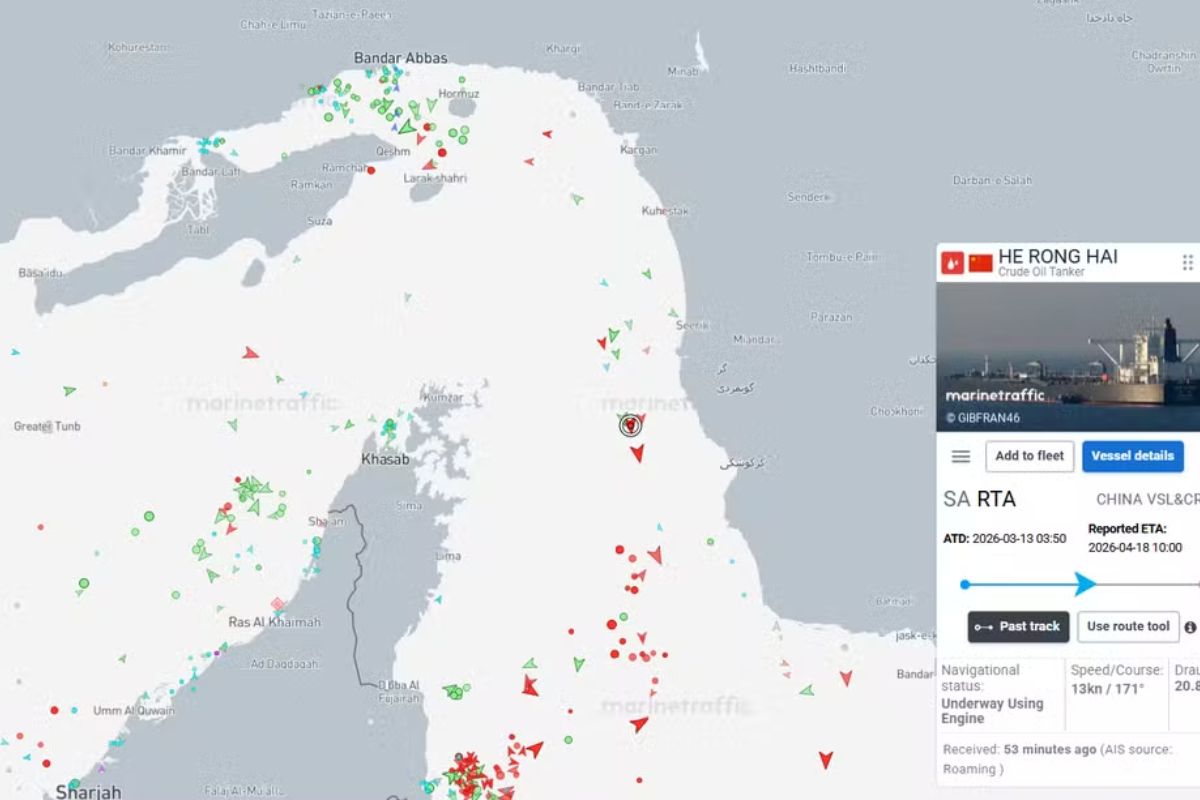
Two Chinese supertankers chartered by Asia’s largest refiner have just crossed the Strait of Hormuz and may be the first to leave the Persian Gulf since the ceasefire between the United States and Iran on a route that still has mines and uncertainties.
-
While Havan earns R$ 50 million per day throughout the year, Cacau Show managed six times more in just 24 hours, totaling half a billion reais in two days of Easter.

-
Weak dollar or strong real? The American currency plummets for the third day, approaching R$ 5 and surprising the market with global inflation and tensions in the Middle East that continue to create global uncertainty.

-
China’s investments in Brazil in factories, energy, oil, electric cars, and new industrial projects double to $4.2 billion, making the country the 3rd largest global destination for Chinese capital.

Civil law experts explain that, even if it was a bank’s mistake, the law is clear: amounts received improperly must be returned, regardless of profits generated. However, returning the earnings shows good faith and avoids legal complications, such as accusations of unjust enrichment or undue appropriation.
What Brazilian Law Says About Cases Like This
According to Article 876 of the Civil Code, “anyone who receives what is not due must return it.”
That is, even if the deposit was made by mistake, the recipient cannot spend, invest, or hide the money. If they do, they can face a lawsuit.
In cases like this, the Public Prosecutor’s Office usually monitors the process to ensure there is no bad faith. The jurisprudence is also clear: those who act in good faith, return the amounts, and cooperate with the investigation generally avoid penalties.
“What stands out in this case is the ethical behavior of the client. He could have gotten into legal trouble, but chose to act correctly,” said lawyer Rogério Almeida, a banking law specialist, in an interview with the portal BR104.
Million-Dollar Banking Errors Are More Common Than They Seem
Although it may seem unlikely, errors of this type happen with surprising frequency.
In 2019, a businessman in Goiás received R$ 63.9 million by mistake and immediately returned the amount, becoming a model of honesty. In 2021, an American bank accidentally transferred US$ 900 million to various funds — and needed to go to court to recover part of the amount.
These episodes expose the vulnerability of financial systems, which depend on constant integration between digital platforms, automation, and human analysis. Small coding errors or incorrect data intersections can generate billion-dollar losses.
Honesty in Digital Times
Amid the crisis of trust affecting banks and financial institutions, stories like this rekindle the debate about ethics, responsibility, and the limits of technology.
The São Paulo client could have hidden the money, invested it in tax havens, or claimed ignorance. But he chose to return every penny — and still forwent the profit earned.
For many Brazilians, this attitude symbolizes something rare: honesty above temptation.
On social media, messages of support for the man multiplied. “He had what many people wouldn’t: character,” wrote one internet user. Another commented: “If it were me, I wouldn’t even sleep right out of nervousness.”
Final Reflection: An Error That Turned Into a Lesson
The case of the deposit of R$ 78 million serves as an example for citizens and banks.
For clients, it reinforces the importance of transparency and prudence when dealing with unusual situations.
For financial institutions, it’s a reminder that technical errors can be costly — and public trust is their most valuable asset.
In the end, the episode had a happy ending: the money was returned, the bank corrected the mistake, and the client walked away with something that no investment can buy — reputation.










Ele teria direito a uma parte afinal o erro foi do banco fiz um pix errado de duzentos reais entrei em contato com o banco e com a **** que recebeu o dinheiro fiquei no prejuízo cadê a honestidade do banco nessea hora para apurar o caso agora eles não podem ficar no prejuízo que nada transformava em cripto moeda e saia do país. Vai ver a dor de cabeça quando chegar o dia dele pagar o imposto de renda por exemplo quando constar essa movimentação será que o banco vai arcar com os custos do contabilista para explicar .kkkk
Quem errou nao foi o banco. Foi vc. O banco nao pode devolver o valor. Quem tem que devolver ou autorizar a devolução é quem recebeu. Nao o fazendo vc pode buscar na justiça a devolução e reparação de quem RECEBEU.
Se, por algum motivo, a aplicação desse resultado negativo? O que aconteceria? Por favor, responda pra gente, Dr. Advogado.
Se for cdb com liquidez diaria não existe isso de negativo, so ira receber menos por causa da inflação ou so se o banco falir(o que não é o caso)
Eu devolveria o valor, o lucro nao, ja que o lucro nao iria gerar nenhum prejuizo para o banco e sim o valor depositado incorretamente.
Voce está em frente a um fusca, alguém passa e fala olha te pago 100mil nesse carro. Você aceita, fica esperando o dono voltar, daí tu fala olha vendi teu Fusca, toma 20mil que é mais do que ele valia.
Tu acha mesmo que o dono do Fusca não está tomando prejuízo, tendo você ficando com 80mil ? O dinheiro era do banco e consequentemente qualquer lucro vindo dele tb o pertence
Muito diferente nesse caso 😄
Muito ruim essa comparação. O banco não perdeu o dinheiro.
Na vdd, nesse caso, seria como se o comprador pegasse o Fusca sem pagar, vende-se por 2x o preço, e pagasse o vendedor o valor q ele tava vendendo, dessa forma lucrando o valor do Fusca e pagando o vendedor normalmente.