





 Portuguese
  English
  Spanish
  5 min of reading
  8 comments


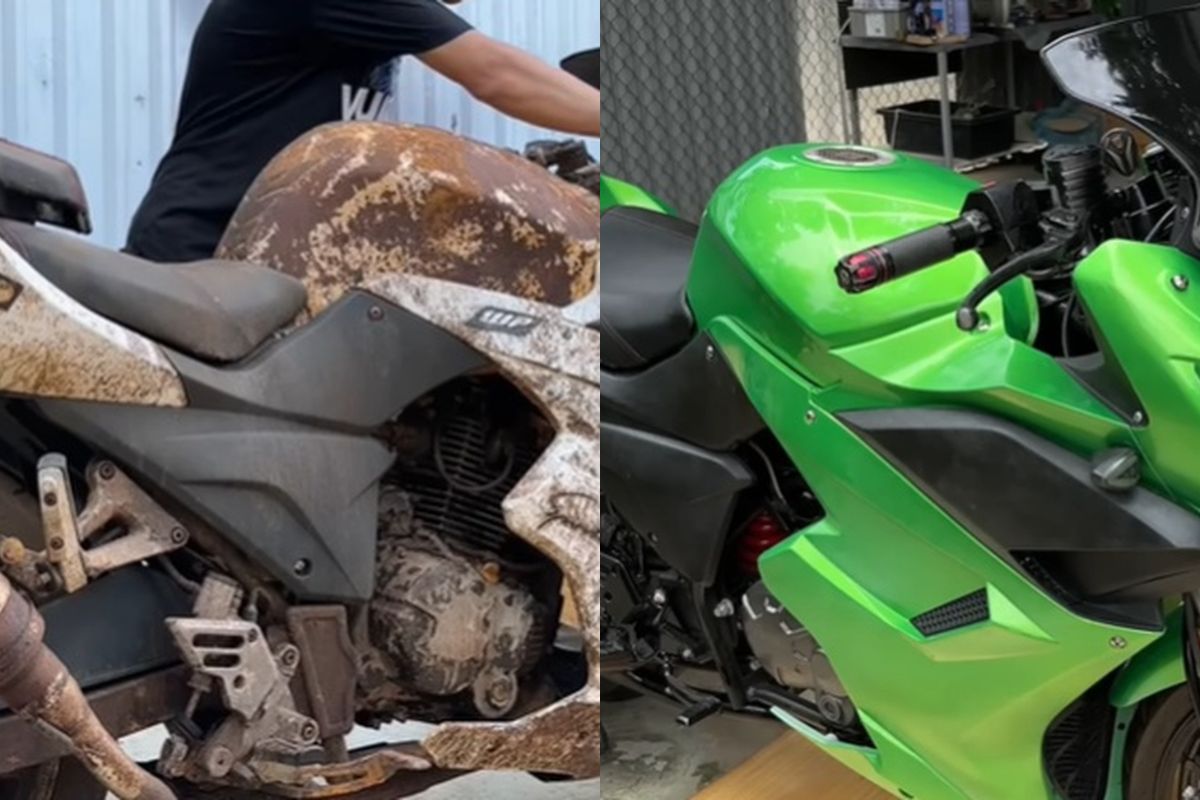


A Rusty Motorcycle Treated as Scrap Is Disassembled Piece by Piece, Receives a Reclaimed Frame, Overhauled Engine, and New Wiring Until It Becomes a Reliable Kawasaki with Showroom Appearance as a Family Gift.
A rusty motorcycle bought for just $10 does not seem, at first glance, like a good bet. Rust, missing parts, a seized engine, and worn-out tires suggest more headaches than opportunities. But a restorer decided to see potential in the scrap and transform what seemed lost into a respectable gift for his younger brother.
Over several weeks, he treated the rusty motorcycle as a complete project. Nothing was left out: the frame, engine, suspension, brakes, wheels, wiring, and appearance were all reviewed or redone. In the end, the old Kawasaki comes back to life with a showroom look, ready to run reliably and deliver a story worth much more than the symbolic price paid for the purchase.
How Does the Project to Restore a $10 Rusty Motorcycle Begin?
Everything starts with the arrival of the motorcycle in critical condition. The rusty motorcycle brings rust on practically all exposed parts, a seized engine, bald tires, and several missing or compromised components.
-
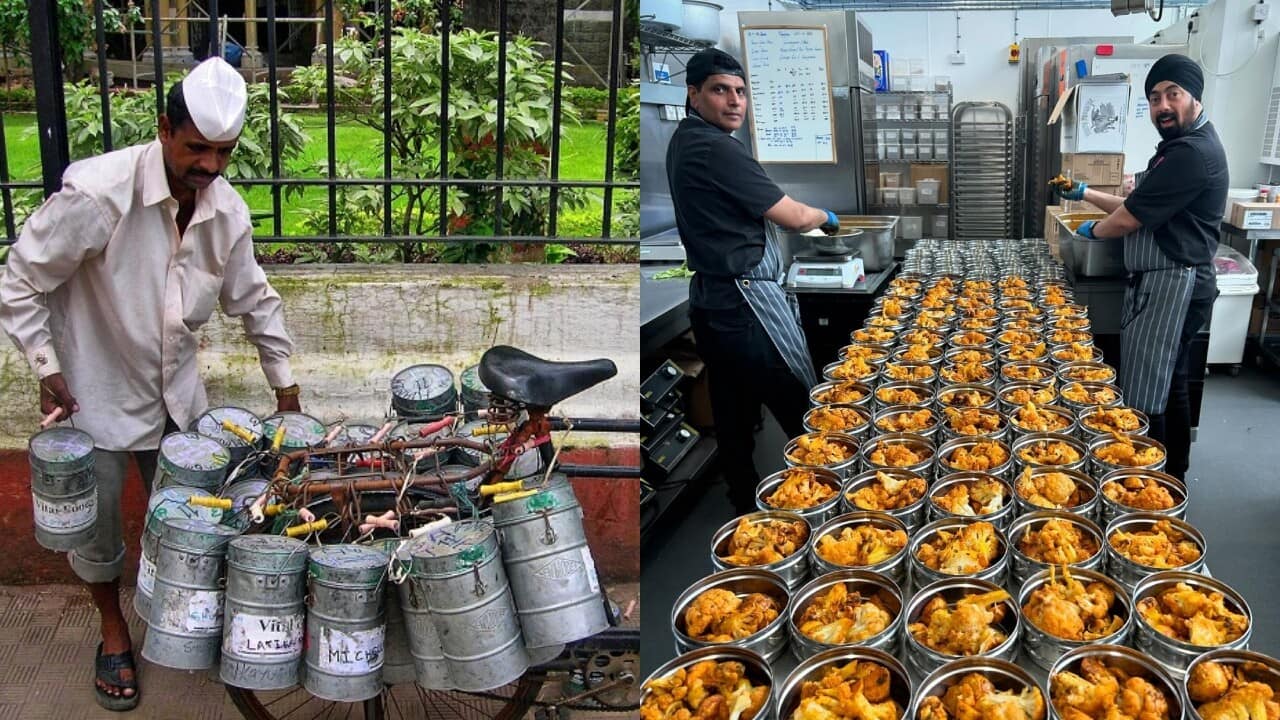
How 5,000 Indian dabbawalas manage to deliver around 200,000 lunchboxes a day in Mumbai for over 130 years using bicycles, crowded trains, and a manual system that continues to operate with impressive accuracy.
-
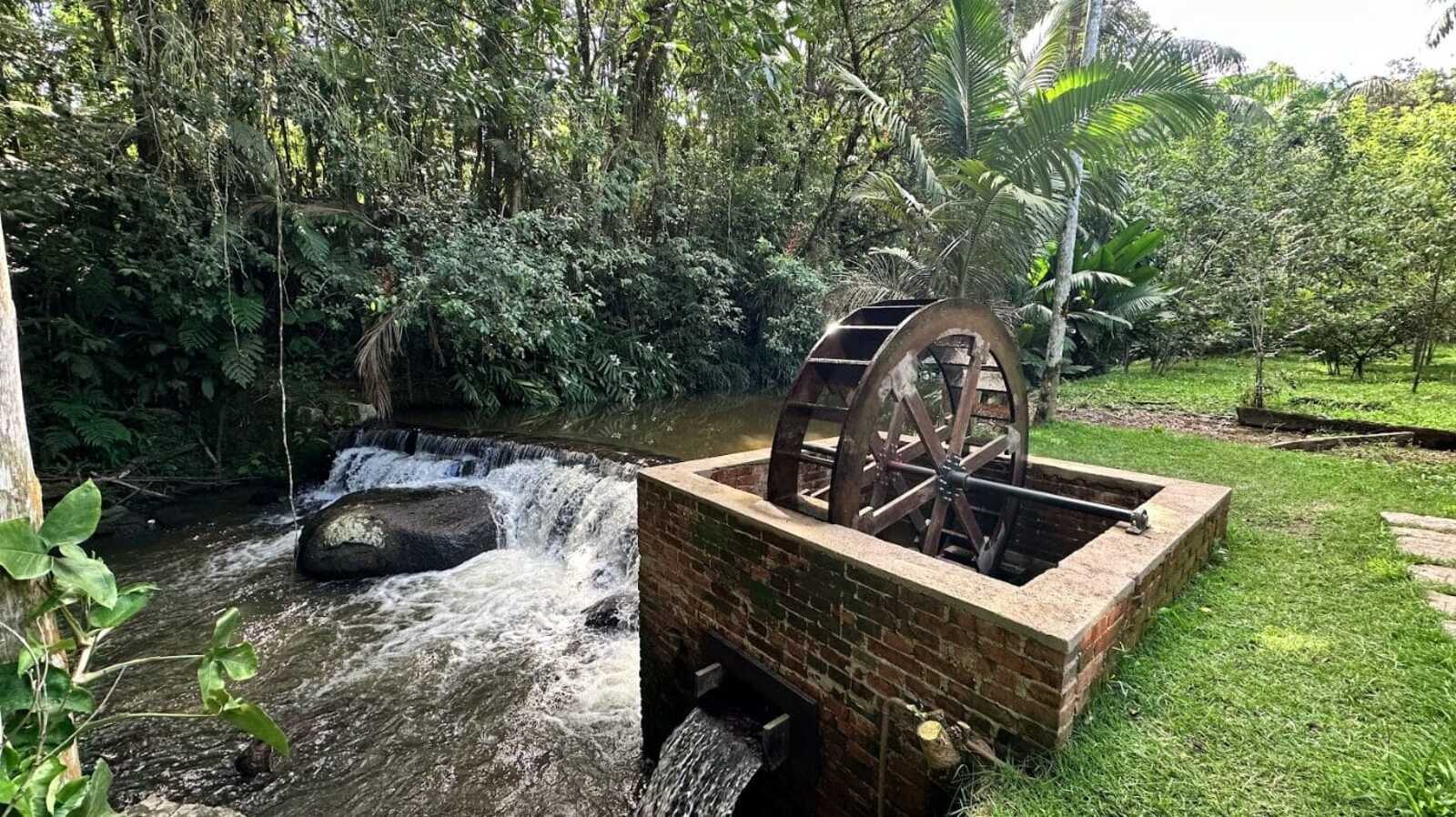
While restoring a historic mansion from 1910, a brick structure with an old turbine that generated energy from the Rio do Testo emerged, along with a hidden door and a rare floor concealed under layers of wax.
-
Italian researchers have detected what appears to be a second Sphinx buried under the sands of Egypt, and satellite scans reveal a gigantic underground megastructure hidden beneath the Giza Plateau for over 3,000 years.

-
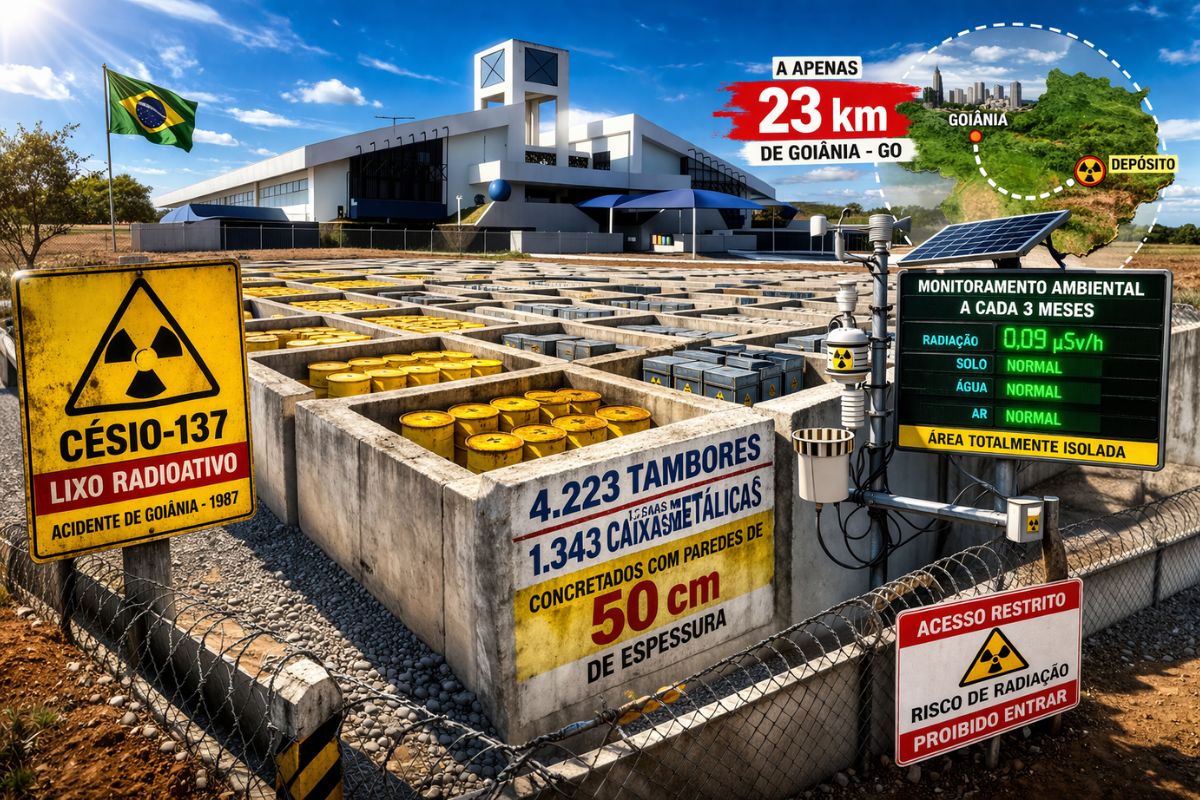
There are 4,223 drums and 1,343 metal boxes concreted with 50-centimeter walls that store the radioactive waste from Cesium-137 in the worst radiological accident in Brazil, just 23 kilometers from Goiânia, with environmental monitoring every three months.

Instead of seeking a quick fix just to make it run, the restorer assumes he will face about two months of continuous work.
The decision is clear: treat that rusty motorcycle as a complete rebirth, not as a patch. The first step is disassembly. The tank, seat, wheels, exhaust, engine, and all wiring come off the frame.
As the parts are removed, layers of old dirt, hardened oil, and points of deep corrosion appear. It is at this moment that the true scale of the project reveals itself and it becomes evident that only meticulous work can deliver something reliable.
How Is the Frame of an Old Motorcycle Saved from Rust?
With everything disassembled, the frame shows the weight of the years: advanced rust in several areas, rough surfaces, exposed old welds, and some points close to metal failure.
It is the structural part of the motorcycle, so any failure here can compromise safety, alignment, and drivability.
To recover the structure, a sander, sandblasting, and specific chemicals that remove oxidation without destroying what is still intact come into play. The goal is to reach solid metal, eliminating as much rust as possible.
Next, the frame receives antirust treatment and a layer of primer to create a solid base for painting, increase its lifespan, and prepare everything to withstand weight, vibration, and riding stress. Only after this preparation is the frame ready to receive the engine, suspension, wheels, and all the electrical components again.
What Updates Make the Kawasaki Safer and More Modern?
After ensuring that the frame of the rusty motorcycle is saved, the focus shifts to the dynamic part. Suspension, brakes, wheels, and electrical components are treated as a new chapter of the restoration, not as secondary details.
The shocks are replaced or overhauled, the springs are evaluated and adjusted to ensure better impact absorption and stability. The brakes receive reconditioned or replaced discs, new pads, hoses in good condition, and renewed fluid, greatly enhancing safety during braking.
The wheels receive refurbished chrome rims, cleaned and lubricated hubs, and new tires suitable for the actual use the motorcycle will have.
In the electrical system, almost everything is redone: wiring revised with new cables and insulation, a more robust battery, checked charging system, and updated ignition. This reduces the risk of failures, lighting issues, and starting problems that are common in old motorcycles.
In the video from the Restoration T2 channel, you can follow this reconstruction in detail, from the scrap to the Kawasaki with a showroom posture, showing how the combination of method and patience completely changes the outcome.
How Does the Seized Engine of the Kawasaki Start Working Again?
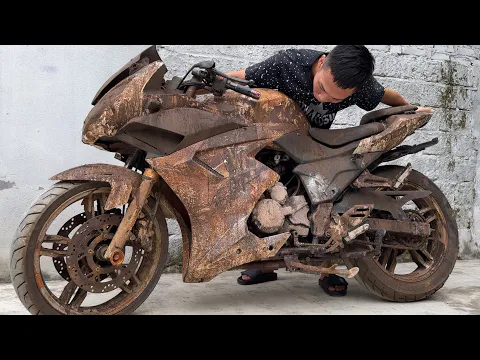

The engine, which arrived seized, is treated as the center of the restoration. It is completely disassembled, with the cylinder head opened, valves lapped, new gaskets, and pistons replaced when necessary.
The lubrication system undergoes careful cleaning to remove sludge and residues that could cause a new seizure in a short time.
Before any assembly, the restorer conducts an internal diagnosis to identify invisible wear on the outside, measuring clearances and checking cylinders, crankshaft, and control components.
This stage defines the level of intervention needed. If the wear is significant, machining, sealing adjustments, and compression recovery through new pistons, rings, and gaskets come into play. This is where the engine ceases to be an unknown and regains reliable operating parameters.
The carburetor also undergoes transformation. It is disassembled, cleaned using appropriate equipment, such as an ultrasonic machine, and then calibrated to ensure the correct mixture of fuel and air. This care translates into easier starting, stable idle, and more precise throttle response.
Finally, the assembled engine undergoes functional tests. You check for unusual noises, potential leaks, operating temperature, and behavior at different RPMs. Only after this final validation is the assembly considered ready to hit the road and move on to the cosmetic stage of the restoration.
How Does the Rusty Motorcycle Gain a Showroom Look and Become a Special Gift?
With a strengthened frame, revised suspension, reliable brakes, renewed electrical system, and functional engine, the moment arrives to take care of the appearance. The old rusty motorcycle begins to lose its scrap look and takes on the appearance of a showroom Kawasaki.
The tank is polished and repainted, respecting the brand’s classic green color. The seat receives a new covering in leather or similar material, well finished, with aligned stitching.
The exhaust, previously dull and covered in rust, undergoes treatment and can be chrome-plated or customized to match the overall look. Details like original logos, paint stripes, and rim finishes make all the difference in the feeling of a showroom-ready motorcycle.
When the final tests are done, the motorcycle shows quick starting, firm acceleration, and precise handling. When delivered to the younger brother, what arrives in the garage is no longer the $10 rusty motorcycle but a restored, reliable Kawasaki with a showroom look, carrying hours of work, technique, and care. More than a vehicle, it is a gift with history, memory, and emotional value that is hard to quantify.
And you, would you have the courage to buy a rusty motorcycle for $10 to face a complete restoration and turn scrap into a family gift?






De onde é esse rapaz? Eu tenho uma Kawasaki 650r com o motor travado. Estou tendo dificuldade de encontrar um mecânico que me ajude a concertar. Eu ganhei essa moto, e não quero desfazer dela
Eu tenho tenho 2 Mota Kawasaki Yamaha to vender
Tá mais pra Shineray com esse motor vareta 150cc chinês kkkkk nunca que é Kawasaki