





 Portuguese
  English
  Spanish
  5 min of reading
  8 comments


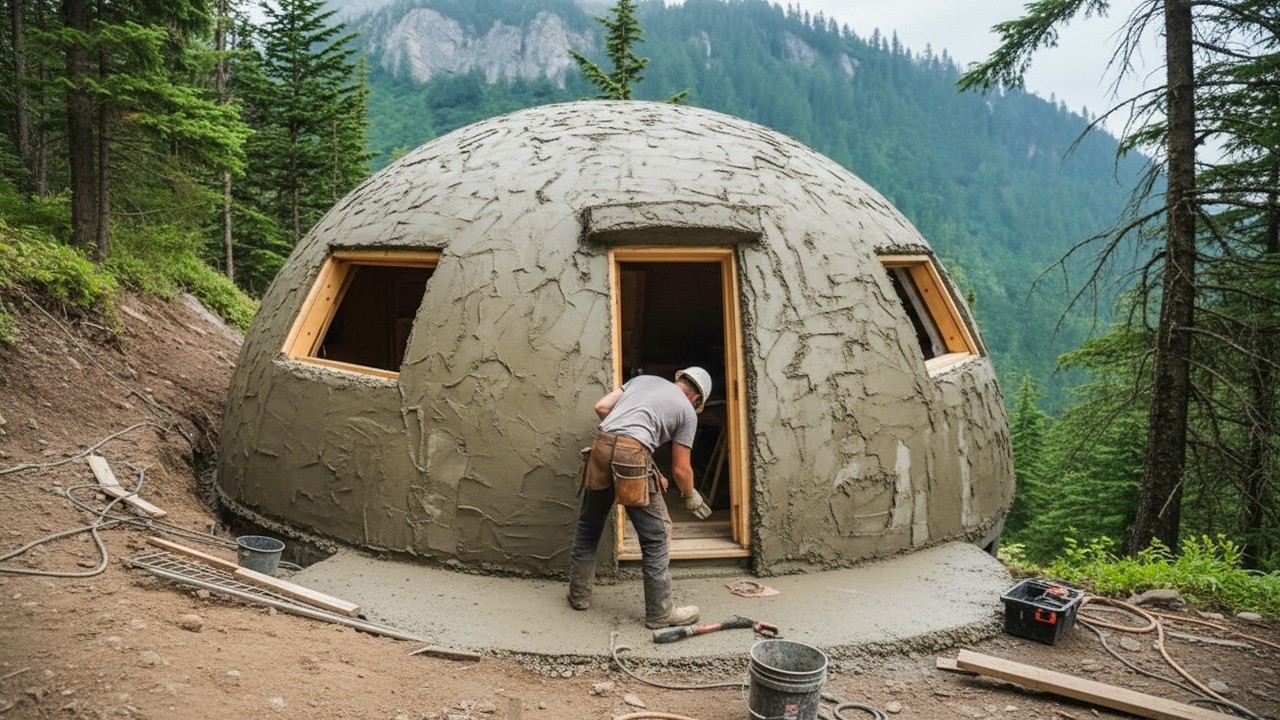


Modular Dome Construction Advances Quickly, Concrete Foundation, Cementitious Shell, and Complete Finish, Uniting Engineering, Performance, and Aesthetics.
The advancement of alternative and modular construction systems has revealed solutions that challenge the traditional cycle of civil construction. One of the most interesting is the application of dome structures — a curved architectural shape, without edges, and highly efficient from a structural, thermal, and energy perspective. In a real and well-documented case, a man completed the construction of a dome house, with high-standard finishes and complete installation of electrical and hydraulic systems, in an extremely short period. In the sector, what stands out is not only the unusual shape but the engineering logic, the speed of execution, and the use of high-performance materials in a habitable work.
Next, we analyze the steps, the method, and the reasons why this model has sparked interest in areas such as eco-friendly hospitality, ecotourism, off-grid developments, and sustainable architecture.
Site Preparation and Concrete Foundation: Base for Modular Construction
The process begins with leveling the land, geometrically marking the construction area, and excavating for superficial stakes and plumbing. After cleaning and leveling, the foundation execution begins.
-
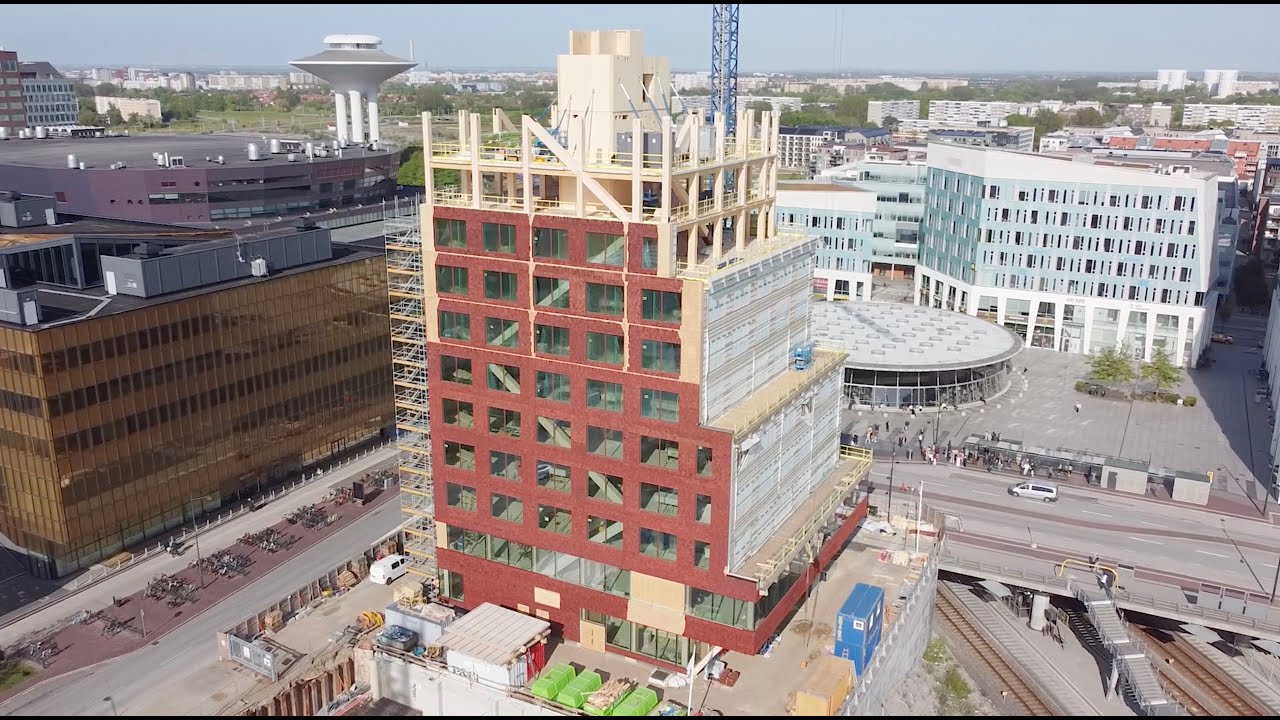
In Sweden, a 51-meter tower was built almost entirely of wood, without a concrete structural core and with solar panels integrated into the facade, using CLT and laminated beams to challenge the dominance of steel and concrete in modern buildings.
-
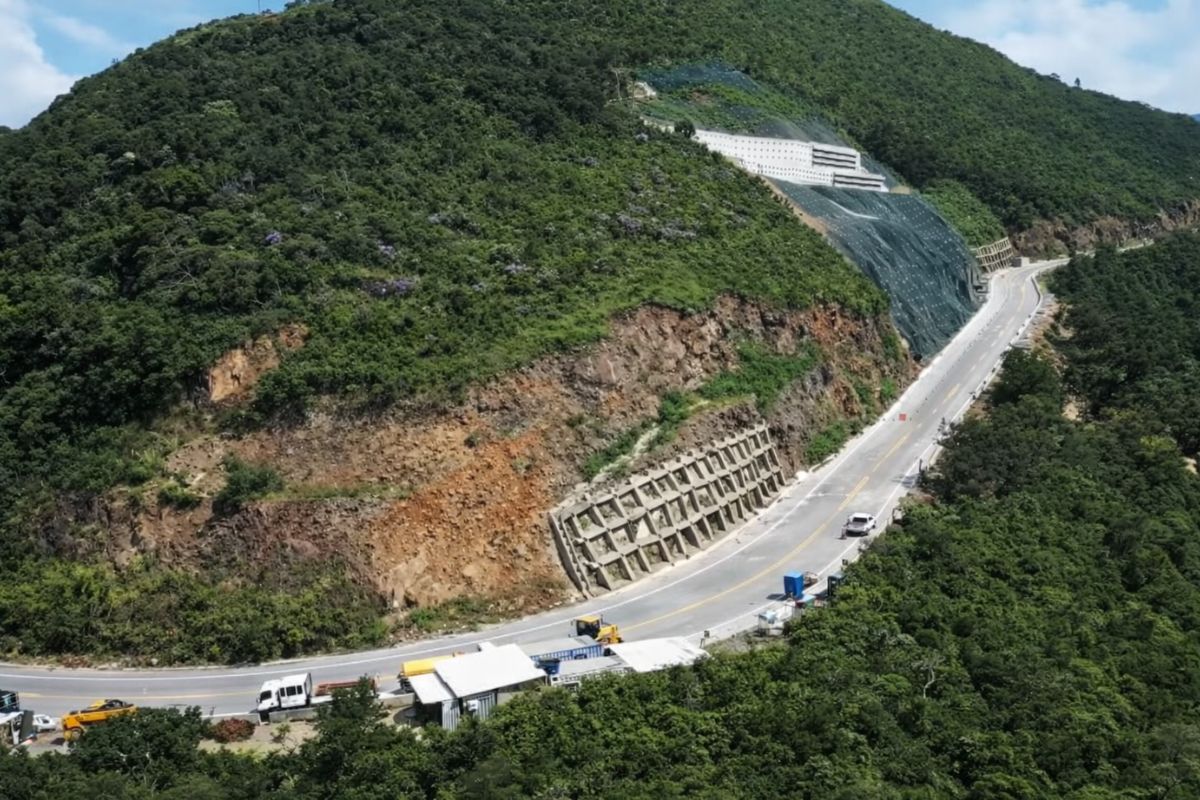
The section of Serra da Rocinha on BR-285 is now open in Timbé do Sul: 50 m tensioned curtains and top-down technique stabilize the slope, with a stairway duct controlling the water.
-
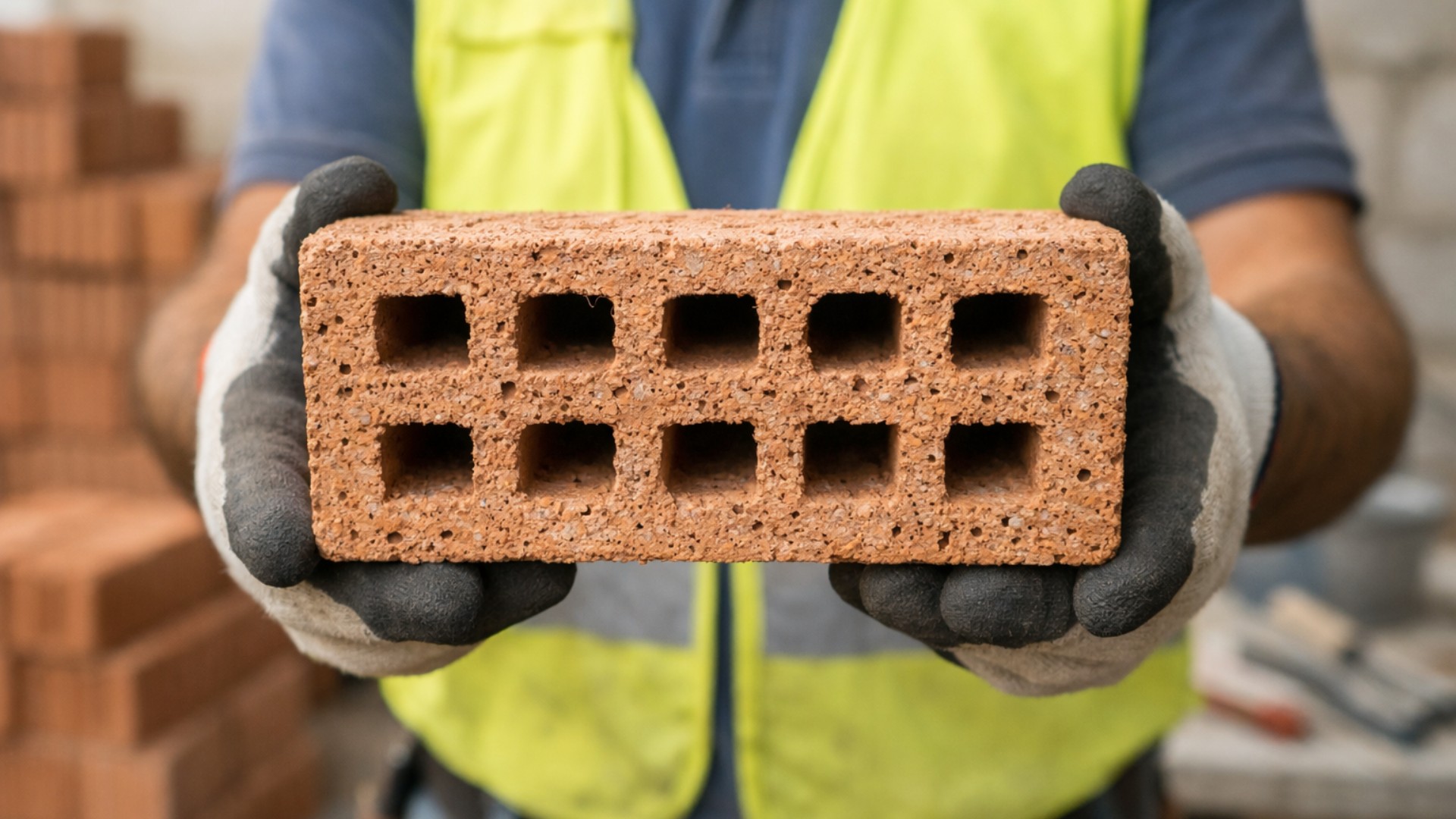
Scientists use sawdust mixed with clay to create a lighter brick, promising efficient thermal insulation and impressing by transforming waste into a solution for construction.
-
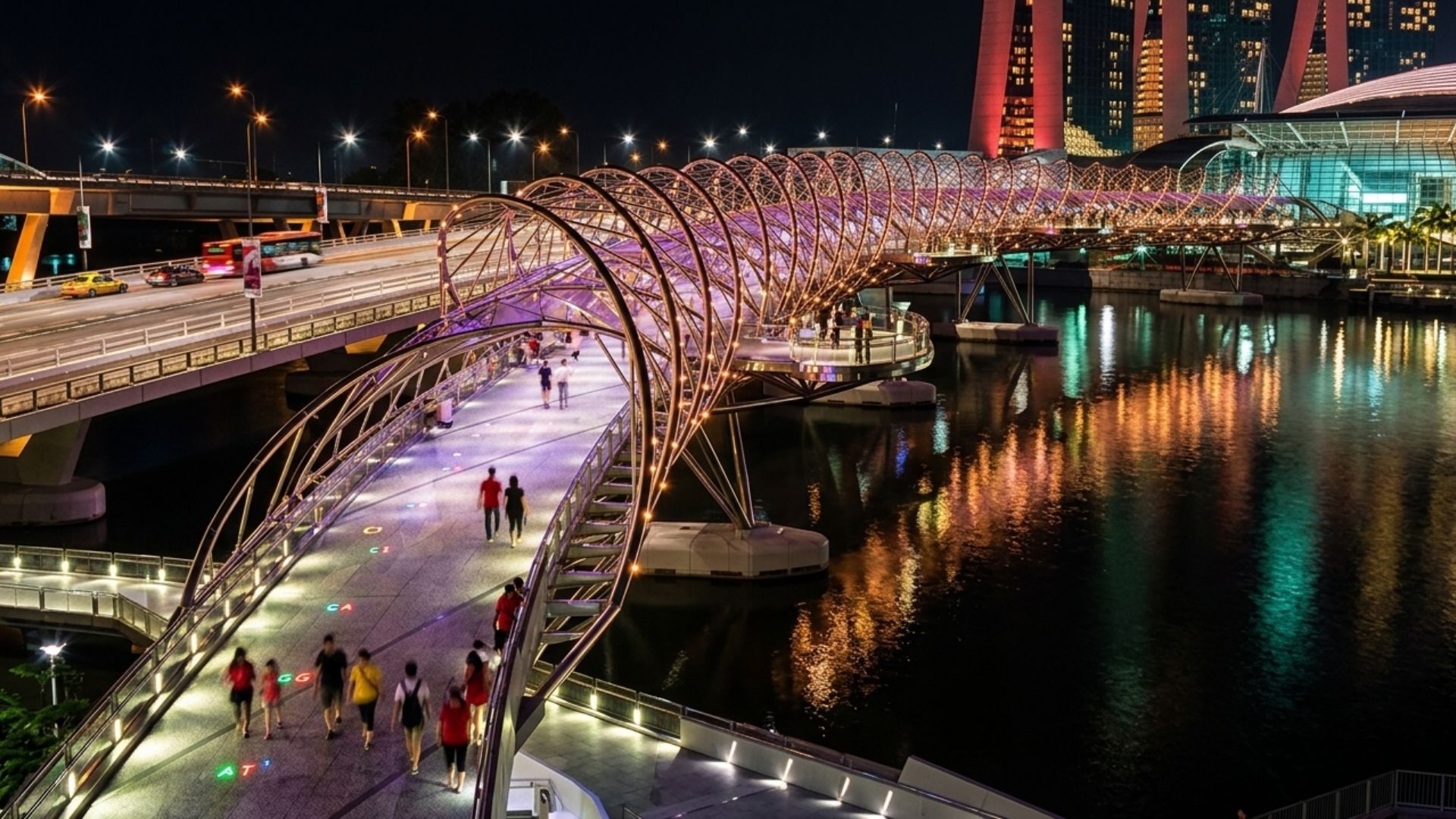
With a DNA shape, this bridge in Singapore draws attention in modern architecture and surprises tourists by transforming a simple crossing into an unforgettable visual experience in the urban heart.

Unlike experimental or precarious solutions, the project uses a concrete slab cast on site, with all infrastructures embedded (water, sewage, electrical, and drainage systems). This detail optimizes the schedule, as it eliminates reworks and subsequent interventions that would require cutting into the slab.

The slab functions as the structural and thermal base of the dome. As the final shape has no conventional pillars, the foundation must ensure uniform load distribution. From this point on, the construction site ceases to be just a clean area and begins to present infrastructure elements compatible with an urban-standard residence.
Curved Structures and Engineering Modules: How the Dome Is Born
With the base ready, the phase that defines the technical differential of the work begins: the assembly of curved structural modules. Laminated wood or plywood panels are assembled in an arc and temporarily braced, forming the dome’s geometry. These molds are essential, as they determine the radius, symmetry, and height of the structural shell.

The modular construction applied here eliminates improvisation and allows for an orderly sequence: first, the volume is defined; then, the structural cladding is worked on; finally, the finishes are executed. In a traditional method, this logic would be inverted or fragmented, consuming much more time and stages.
Application of Blocks, Mortar, and Cementitious Shell: Continuous Envelope and High Durability
With the arches assembled, the residence moves on to the structural closure. The work utilizes pre-shaped blocks laid over the curvature of the form, following the principle of the structural shell.
This type of solution is known for reducing stress concentrations and improving structural performance, as forces are distributed across the curved surface.

After the masonry, the dome receives layers of high-performance mortar. This cementitious layer creates a continuous envelope, eliminates edges, improves thermal behavior, and protects against weather conditions. The result is a monolithic residence, similar to historical micro-vaults or aerodynamic structures.
From a technical point of view, such a shell offers three clear advantages:
- Thermal Efficiency: curved surfaces reduce thermal loss points.
- Structural Resistance: the geometry distributes loads and avoids weak points.
- Low Maintenance: the absence of edges reduces infiltrations and pathologies.
For regions of intense sun or humid climates, this solution presents competitive performance compared to conventional masonry.
Installations, Seals, and Finishes: When the Dome Becomes a Dwelling
With the shell stabilized, the phases of habitation come into focus: doors, windows, electrical installations, water, sewage, and interior finishes. The arched openings are precisely molded, ensuring sealing without breaking the dome’s continuous aesthetic.

Inside, the finish uses joint compound and matte paint, creating a minimalist environment, with smooth and soft walls, enhancing the sense of spaciousness.
Natural light enters through the curved windows and glass doors, reducing energy use during the day. In the documented case, the internal layout is integrated, with living room, kitchen, and bedroom occupying a single functional volume.
Visually, the contrast between the organic geometry and contemporary furniture creates an unusual aesthetic that is valued in sectors such as eco-friendly hospitality, glamping, and luxury tourism.
Why Does This Technique Interest the Market?
The construction sector faces three clear pressures:
• reduction of time,
• reduction of waste,
• improvement of energy performance.
The dome modular model offers simultaneous responses: it shortens the timeline, standardizes stages, reduces cuts and adaptations, and delivers an energetically efficient shell. Additionally, the method allows for controlled total costs and execution in remote locations with a reduced team — a strategic advantage for isolated or off-grid projects.
Another relevant point is durability: a continuous cementitious shell has fewer joints, fewer pathologies, and lower maintenance costs over its lifespan.
Curved Architecture and the Future of Alternative Construction
Although still a minority in the traditional market, dome architecture is gaining ground in technical and commercial niches. International studies show an increase in the adoption of this type of solution in alternative lodging, country houses, off-grid units, acoustic studios, and even micro-tourist condominiums.
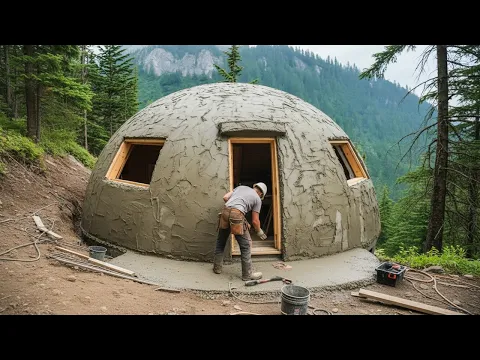

The analyzed construction demonstrates that the combination of modular engineering, high-performance materials, and geometric design can result in complete, habitable, and quick-to-build residences — something the sector has been seeking for decades.
It remains to be seen how the real estate market and engineering will incorporate solutions that deviate from the rectangular and repetitive model that dominates cities. The question remains: given the challenges of cost, time, and sustainability, will curved and modular construction cease to be an exception and become a competitive alternative in Brazil and around the world?







No estufa en la cocina????
Olá. Gostaria de receber mais informações sobre a construção dos Domos
Tão “inventando” coisas mais antigas que a própria civilização que no princípio Usavam Tabas, Ocas e Cavernas.
É só visitar a comunidade Zigurates em Corguinho -MS. Lá tem diversas construções desse tipo e funciona um Centro de Pesquisa, voltados também a Ufologia.