





 Portuguese
  English
  Spanish
  3 min of reading
  8 comments


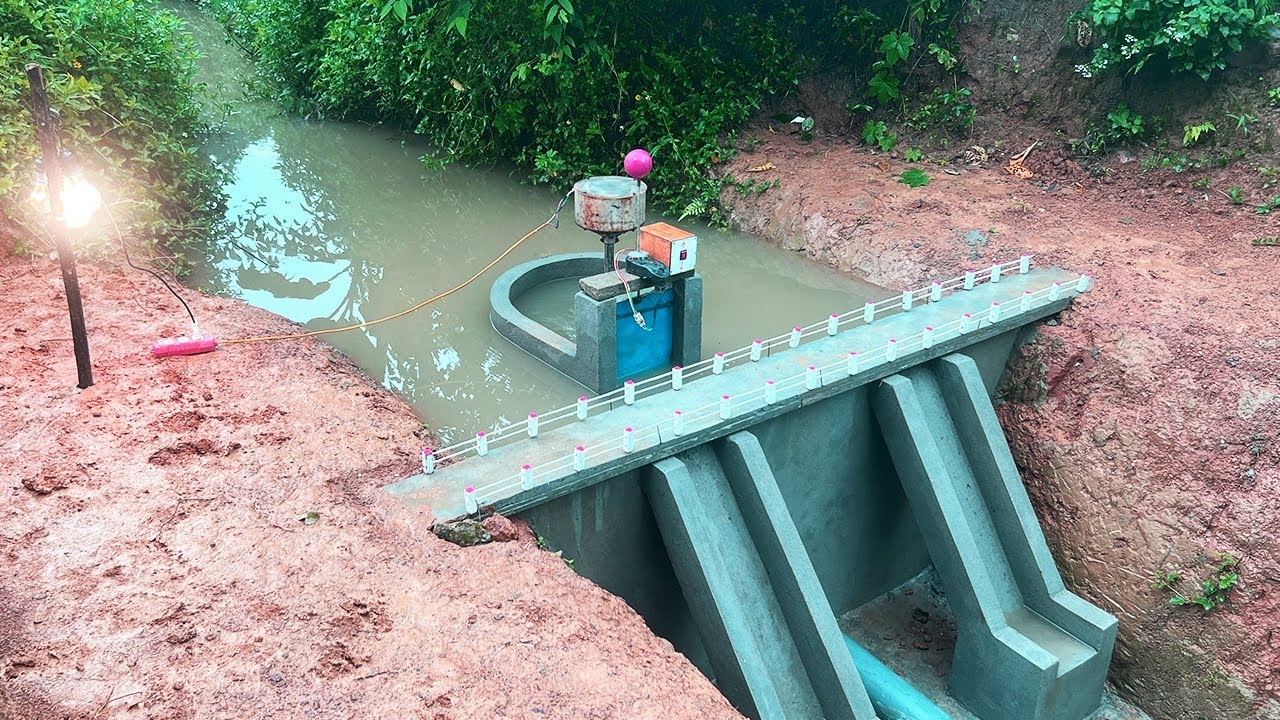


A Man Built a 230 Volt Micro Hydroelectric Plant with Bricks and Water Channel, Generating Continuous Energy for Household Equipment Without Relying on the Electricity Grid
Constant Energy with Flowing Water. A man managed to produce continuous electricity by building a small hydroelectric plant with simple and readily available materials.
The system uses a classic principle of energy generation: the force of water moves a turbine that drives an electric generator. Thus, the installation can produce 230 volts, a standard used in many households.
The structure was assembled without industrial machines or large investments. The goal was to create a stable energy source that works day and night as long as there is a flow of water.
-
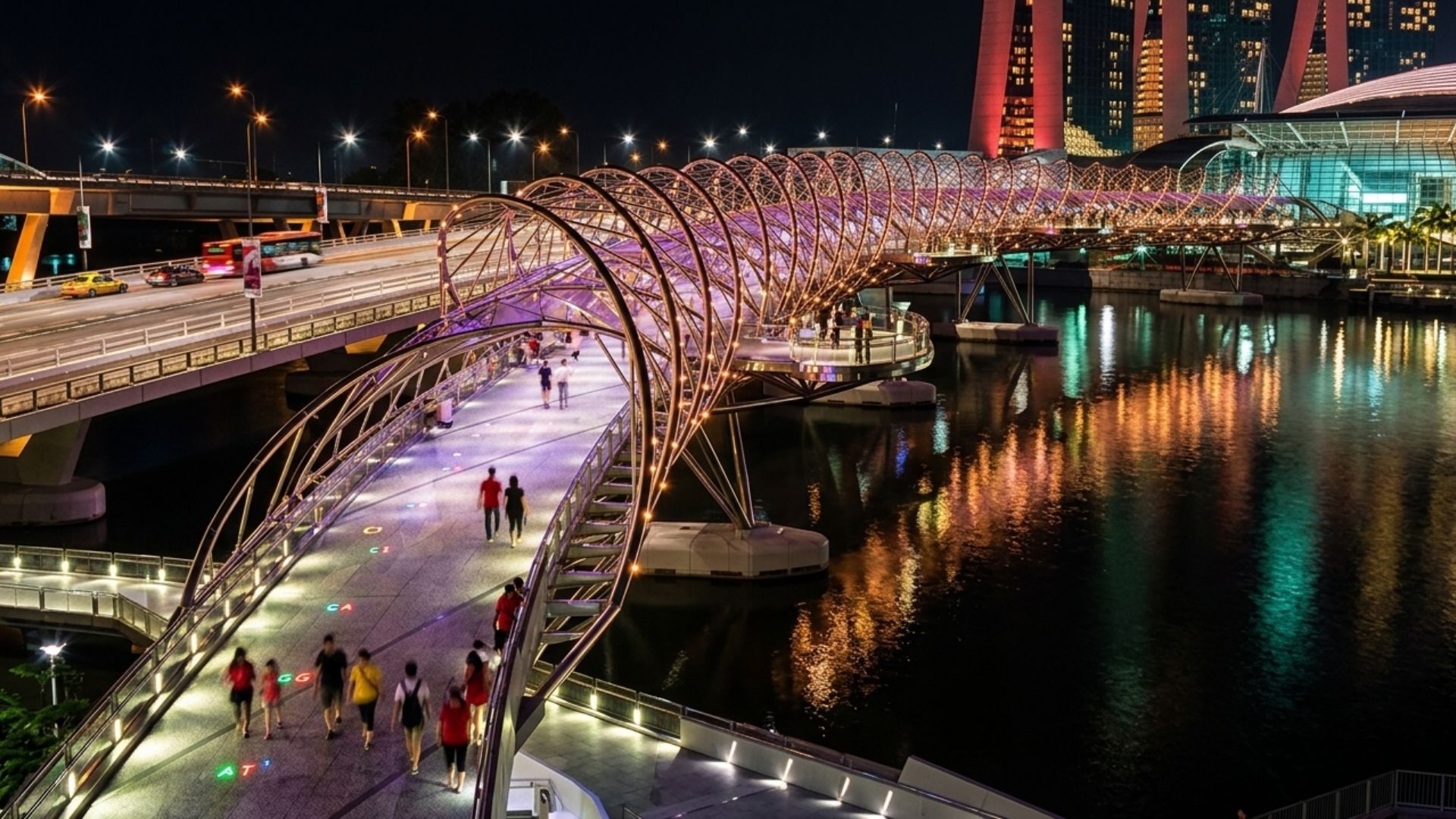
With a DNA shape, this bridge in Singapore draws attention in modern architecture and surprises tourists by transforming a simple crossing into an unforgettable visual experience in the urban heart.
-
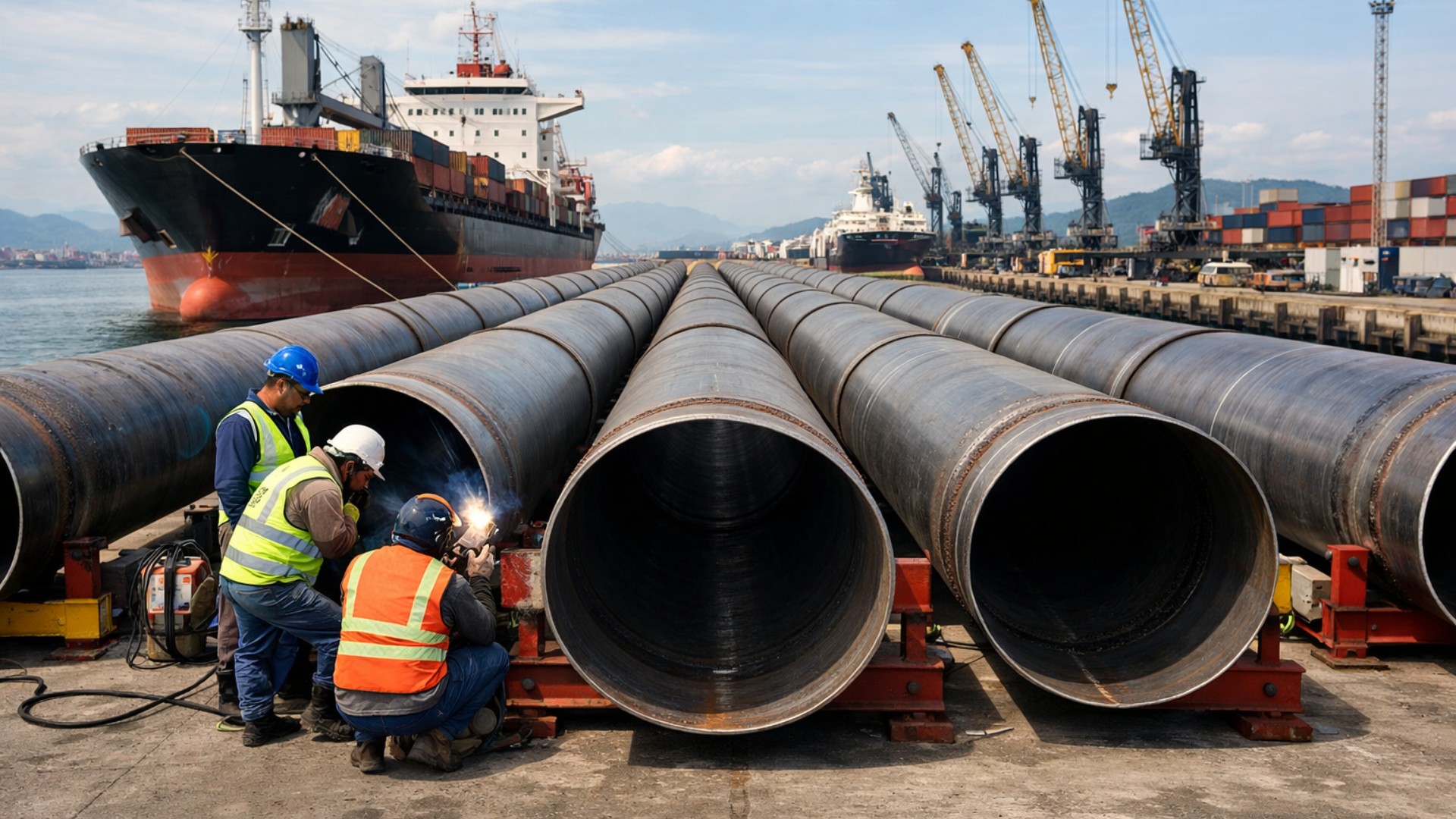
Giant underwater pipeline begins to take shape with a R$ 134.7 million project at the Port of Santos: the 1.7 km structure uses 12-meter and 700 mm pipes to supply water to 450,000 people in Guarujá.
-
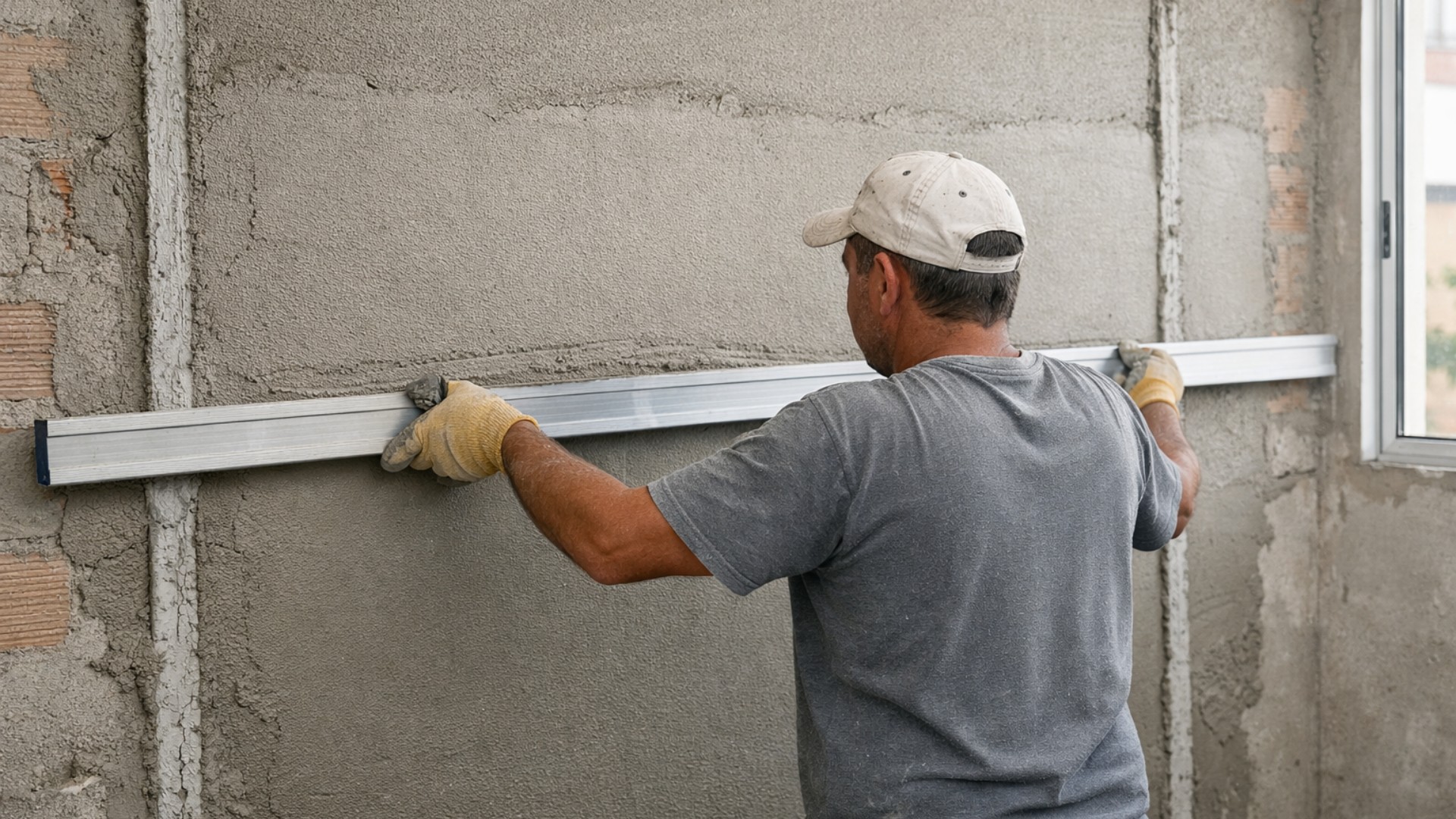
A mason reveals a professional plastering technique that uses aligned guides and a 3-meter ruler to plaster an entire wall in up to 3 hours, without visible seams, with uniform thickness, perfect plumb, and a finish ready for painting without rework.
-
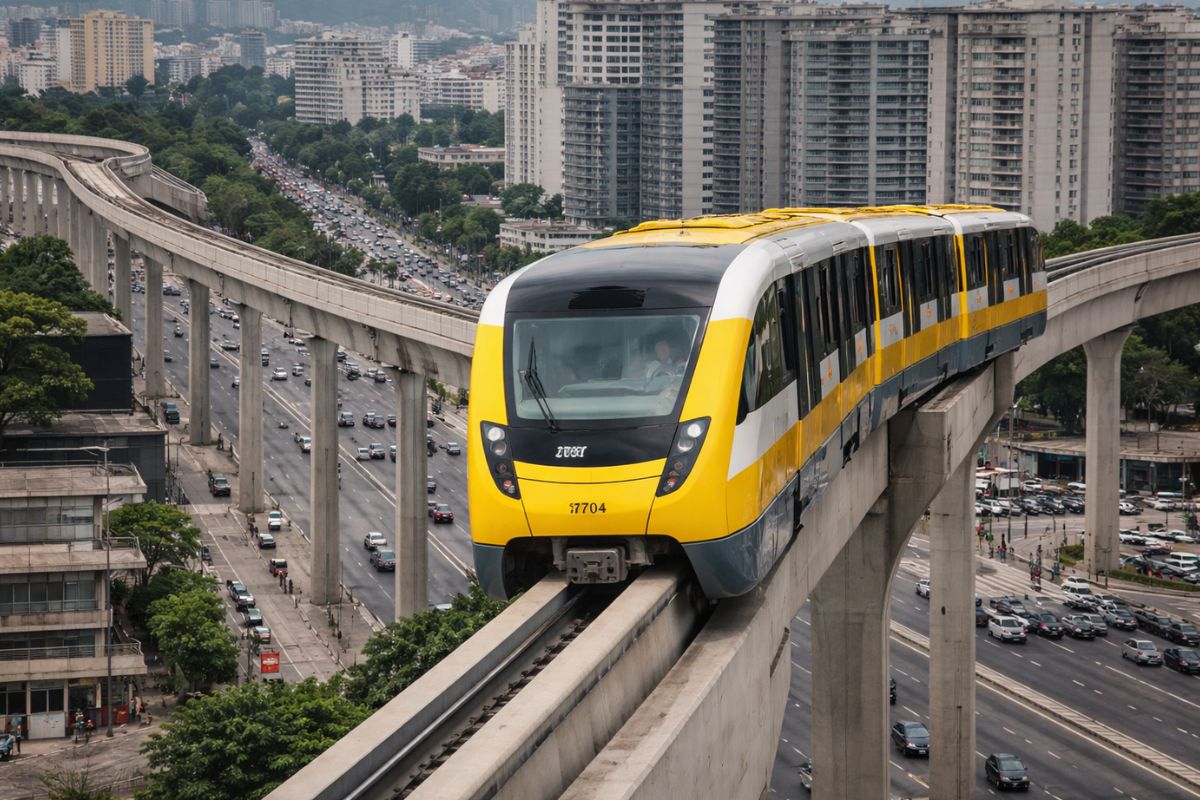
The project that was supposed to be ready for the 2014 World Cup in Brazil debuted with a 12-year delay and nearly R$ 6 billion invested: the Line 17-Gold of the São Paulo monorail opened with reduced hours and is only expected to operate fully in October.

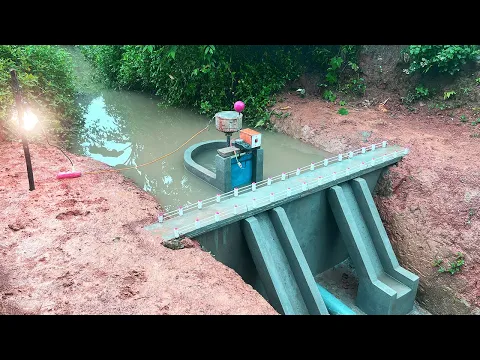
Water Channel and Masonry Structure Concentrate the Necessary Force
The first step was to control the flow of water. To this end, a small diversion channel was created to direct the current to a containment structure made of bricks and concrete.
This set concentrates the flow and increases the water pressure. With more directed force, the water reaches the turbine with enough speed to keep the system running continuously.
The structure also helps reduce erosion at the site and keeps the generator shaft aligned, preventing vibrations that could diminish the system’s performance.

Adapted Turbine Transforms Water Motion into Electricity
At the center of the installation is a hydroelectric turbine designed to work with low pressure and constant flow. When the water hits the metal rotor, it starts to spin.
This motion is transmitted directly to an electric generator. The equipment converts mechanical energy into 230-volt alternating current, capable of powering common electrical devices.
To maintain a stable voltage, the system includes electrical regulation components that control the energy output.
How Small-Scale Electricity Generation with Water Works
The logic of hydroelectric generation follows a simple principle of physics. The kinetic energy of water is converted into mechanical motion and then transformed into electricity.
In the case of the handmade installation, the system takes advantage of a natural slope in the terrain. The water descends through the channel and gains speed before reaching the turbine.
According to Clarín, an Argentine news and international coverage newspaper, the structure built with bricks and concrete also ensures stability for the installation and helps keep the generator operating efficiently.
Continuous Production Depends on Water Flow and Slope
One of the main advantages of micro hydroelectric generation is the constant production of energy. As long as there is flowing water, the system can operate 24 hours a day.
The initial cost also tends to be lower because many materials can be simple or repurposed. Common bricks and manually prepared concrete already allow for the assembly of a good part of the structure.
Even so, the performance depends directly on the environment. Without a constant flow of water or sufficient slope, the generated power may become limited.
Electric Safety is Essential When Operating a 230 Volt System
Producing energy off the electricity grid requires important technical precautions. A system with 230 volts can pose a risk if there is no proper protection.
Therefore, installations of this type need to include safety devices such as thermal protections, differential circuit breakers, and proper grounding.
These measures prevent overloads and reduce electrical risks during the operation of the plant.
Micro hydroelectric generation demonstrates how simple solutions can produce continuous energy when water is available and there is a natural slope in the terrain.
When well installed and protected, a structure of this kind can power household equipment without relying on the traditional electricity grid, expanding alternatives for local energy generation.







Lo que es la ignorancia, voltaje no es igual a potencia, muy mal el encabezado
Quem esta a jusante que se lasque. Além disso, a matéria cita o jornal Clarim, logo deve ser na Argentina. Que é o pior lugar do mundo no quesito gestão de recursos hídricos e tende a piorar com o alucinado que preside este país de m&rd@.
Falou pouco, mas falou a verdade.
Em resposta ao internauta, realmente ele falou pouco demais. Poderia dizer que atual Presidente argentino é comunista, **** e também não é ****.
La mierda sos vos Titán
Pode até ser o pior lugar na gestão hídrica, o que duvido muito, por haverem muitos países com piores condições do que a Argentina.
Na tentativa de politizar uma simples matéria, te deixo um desafio: Construa sua própria hidrelétrica pra ver se o “painho” não bate na tua porta pra te socar imposto por gerar energia. Vai lá…
Aqui você investe em energia limpa ( ex: solar) quase 30 mil reais , vem o governo e quer taxar a energia que você produz para o seu próprio consumo. Como intender a politica de transição de energia desse governo que temos agora. Dificulta de todas as maneiras a instalação de novos investimentos no setor. Tem uma ministra que não quer de maneira nenhuma que esse país prospere, no setor de energias (de todos os tipos)
So falou besteira! Aliás: e*s*q*u*e*r*d*i*s*t*a falando asneiras e do que nada (ou pouquíssimo conhece) não e novidade alguma! Chega a ser pleonasmo!