





 Portuguese
  English
  Spanish
 5 min of reading
  0 comments


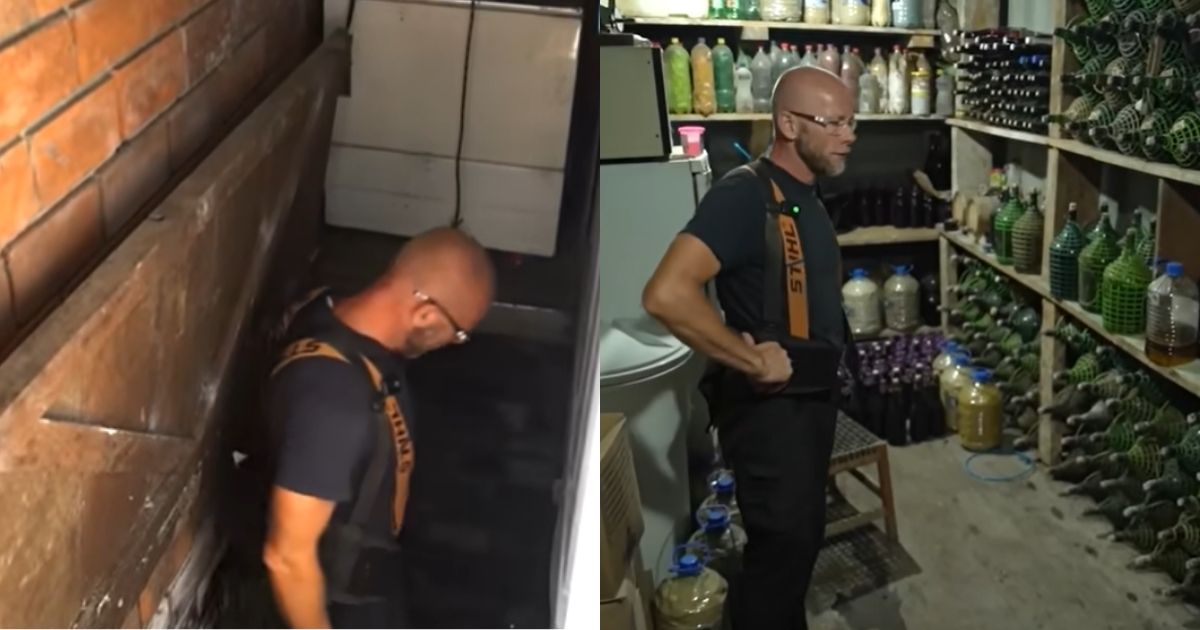
In A Rural Area Of São Bento Do Sul, A Resident Showed A Bunker And A Routine Focused On Self-Sufficiency, With Storage, Own Energy And Domestic Production, Raising Discussions About Emergency Preparedness And Life Outside The City.
A resident of São Bento do Sul, in Northern Santa Catarina, has gained visibility on social media by showing a bunker built on his own property, with a structure aimed at self-sufficiency.
Sandro Gilberto Jankoski claims that, with the resources he has gathered on site, he can remain isolated for more than a year without needing to go into town, with his own energy, stored food, and seeds for replanting.
According to the resident, the initiative started as a preparation for emergency situations, such as floods, economic crises, and supply difficulties.
-
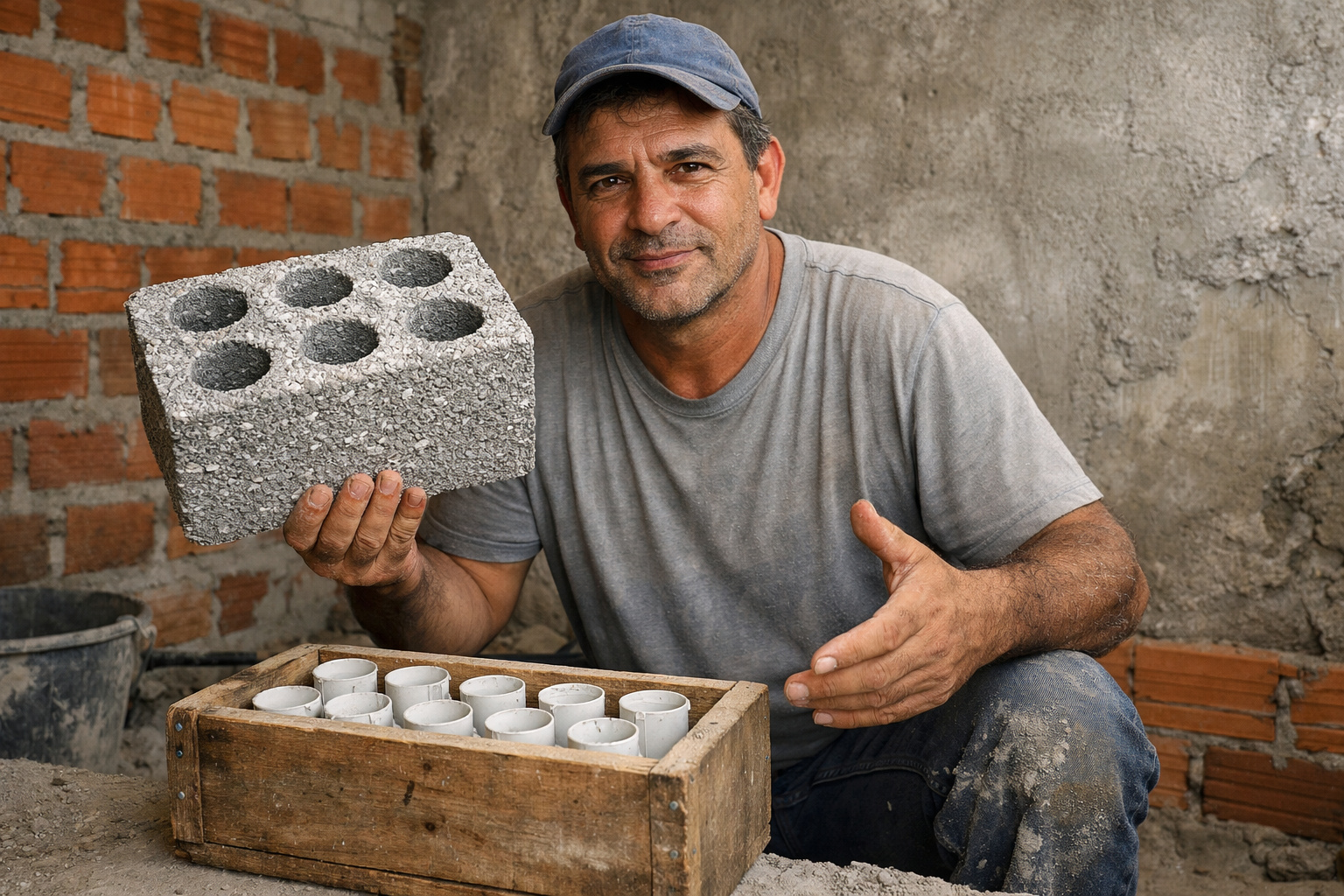
A thermal block costing only R$ 0.40 catches attention by reducing heat by up to 80% using recycled styrofoam, a common kitchen ingredient, and a manual technique capable of producing 50 blocks from a single bag of cement.
-
The item in the house that consumes the most water is not in the kitchen; it is in the smallest room of the house and can account for up to 30% of the expenditure on its own.
-
While Argentina relies on the USA to provide communications, data transmission, and electronic warfare for the F-16, Brazil is accelerating with the Gripen and integrating the Link-BR2, a national technology that strengthens air defense.

-
The daily shower that seems harmless now worries specialists: a shower uses 6 to 15 liters per minute and is at the center of the water crisis.

The structure was built with containers and received drainage systems; according to the report, the bunker maintains a stable temperature throughout the year.
The organization of the space includes storage of basic food items, such as rice, beans, wheat, pasta, and salt.
Additionally, he stores seeds, which he describes as part of the plan to maintain food supply while new crops develop in case of a crisis.
According to Sandro, the preparation began more than a decade ago when he started adopting the lifestyle known as “survivalist”.
In his description, the proposal is to reduce external dependencies and maintain reserves and systems to get through periods of instability.
Bunker In São Bento Do Sul And The Isolation Plan
Inside the bunker, the stock is designed to last.
The resident states that the amount of food stored allows him to go through a long period without shopping in town, while cultivation and replanting would help maintain supply over time.
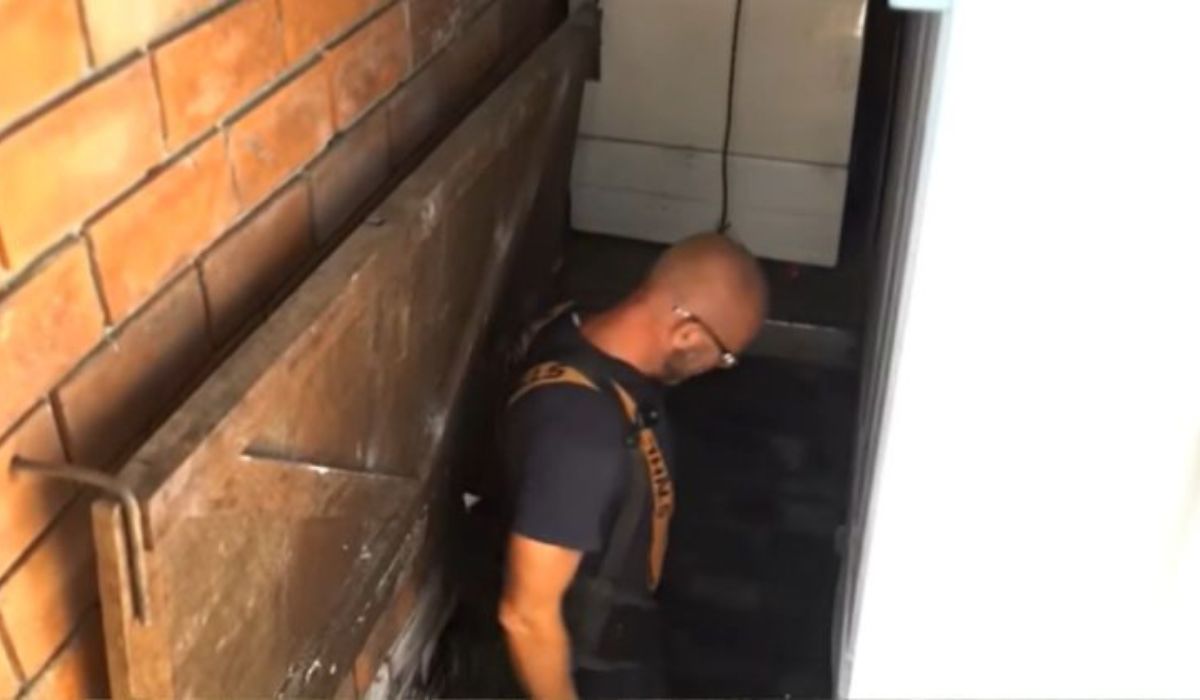
The maintenance of the seeds appears, in the report, as a central point.
Sandro says the intention is to guarantee inputs to restart planting if a crisis scenario interrupts access to products and services outside the property.
He also relates the practice of storing food to a domestic security strategy.
In the explanation presented, the reserve would act as protection for times of unemployment, floods, or supply disruptions.
Solar Energy, Batteries And Satellite Internet On The Property
Besides the bunker, the property gathers solutions to sustain everyday tasks without fully relying on urban infrastructure.
Among the resources mentioned is the generation of solar energy, with storage in batteries, which he says he uses to maintain equipment and household needs.
According to the resident, the location has satellite internet.
The resource, according to the description, allows maintaining communication even in a more remote area, although the declared goal is to minimize dependence on outside resources.
In specific situations, he claims to have a generator as an alternative.
The priority, according to how he describes his routine, is to keep essential operations running with energy produced and stored on the property.
Bioconstruction With Wood, Clay And Superadobe
The property also includes buildings made with bioconstruction techniques.
In the presented material, structures with wood and clay and the use of recycled materials appear, following the logic of using available resources and focusing on practical solutions.
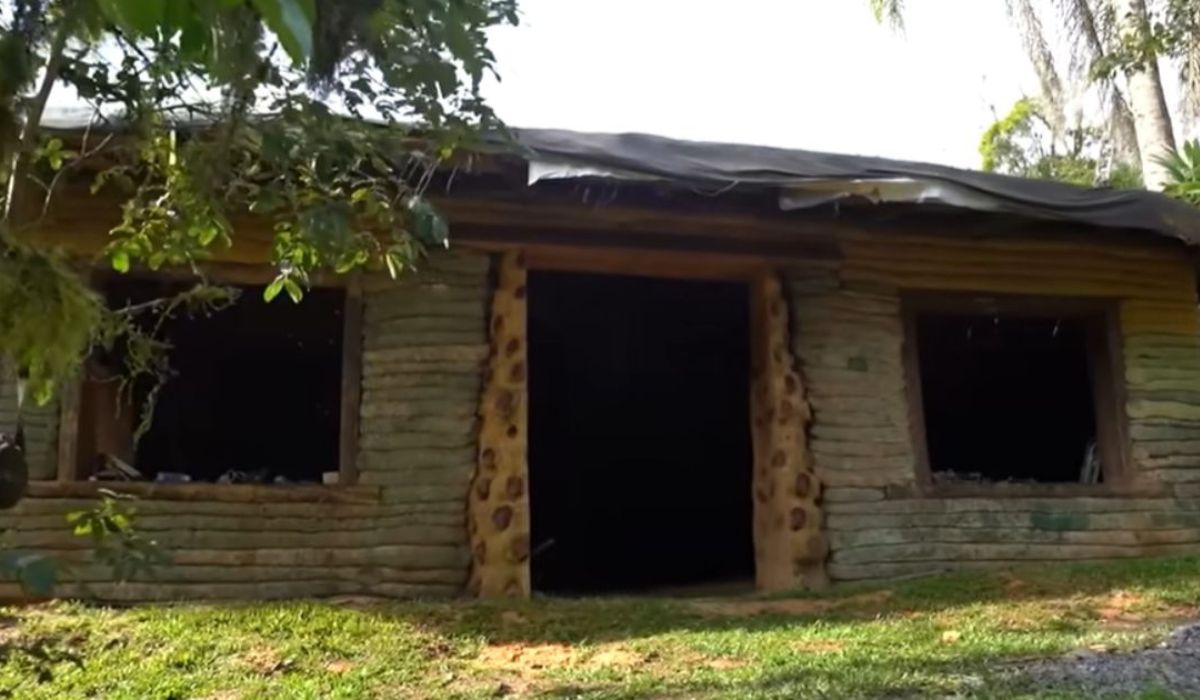
One of the buildings was planned to function as an underground house but ended up becoming a large hall.
As described, the structure was made with superadobe, a technique that uses filled and compacted bags to form walls.
The set of choices, according to the resident himself, relates to a routine focused on autonomy.
In describing the house and its structures, he emphasizes the goal of maintaining everyday operations with minimal dependence on external services.
Life In An Isolated Area And Choosing Less Urban Contact
The location is presented as part of the strategy.
The property is at the end of a dead-end street and, according to the account attributed to Sandro, was chosen to reduce contact with urban traffic.
In his view, the less exposure to what happens outside the property, the greater the ability to maintain a stable routine.
He claims that the location serves as a base for a self-sufficient life built with planning and daily practices.
When talking about himself, Sandro says he “thinks differently from the crowd”.
In the professional history mentioned in the supporting material, he reports having worked in various activities, including physical education teacher, adventure tourism instructor, and jobs involving the pruning and legal cutting of trees in at-risk locations.
Planting, Coffee And Storage For Self-Sufficiency
The autonomy described by Sandro includes areas for planting and his own production.
Among the examples cited is coffee, cultivated within a preserved forest area, with planting tests in the shade and in the sun, as mentioned in the supporting material.
He describes the harvest and ways to store the dried grain for longer periods.
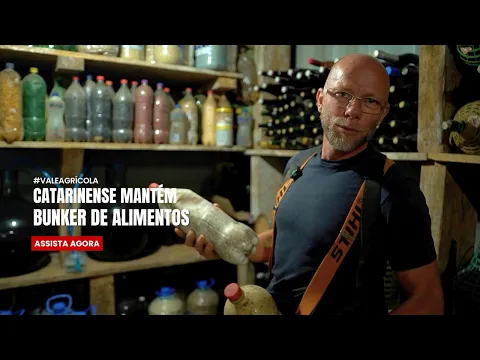

In the report, the cultivation and storage are part of the goal to reduce dependence on ready-made products bought.
The presence of stored seeds in the bunker is also associated, by him, with a possible restart in case of crisis.
The logic presented is to maintain inputs so that self-production gains weight if urban supply fails.
Distiller, Production Of Drinks And Self-Care Items
Other areas of production and storage appear in the supporting material, including a 200-liter distiller kept in a shed.
Sandro describes the stages of the process and claims to produce drinks, such as grape and corn cachaça, in addition to using the bunker as a preservation space due to thermal stability.
In the same context, he mentions items aimed at what he calls self-care, such as herb tinctures and propolis.
He also reports preparing colloidal silver with distilled water and silver electrodes, describing this preparation as a resource with antibiotic function.
The reports and the provided material do not present technical evaluations, efficacy data, or health authority recommendations regarding the use of this type of substance.
Therefore, the information is limited to what the resident claims to maintain and produce within the property.
Repercussions On Social Media And Emergency Preparedness
The disclosure of the bunker in publications and videos expanded the case’s reach on social media.
The structure began to be presented as part of a preparation routine for unexpected events, focusing on energy, food, and the ability to remain isolated.
According to Sandro, the initiative aims to meet basic needs in moments of instability, reducing dependence on urban services and supply chains.
He states that the food reserve and the ability for self-production function as a form of protection for different emergency scenarios.
By exposing his daily life and structure, the resident has also made public a form of household organization based on stockpiling, energy generation, and long-term planning.






-

-

-

-

-

14 pessoas reagiram a isso.