





 Portuguese
  English
  Spanish
  5 min of reading
  4 comments


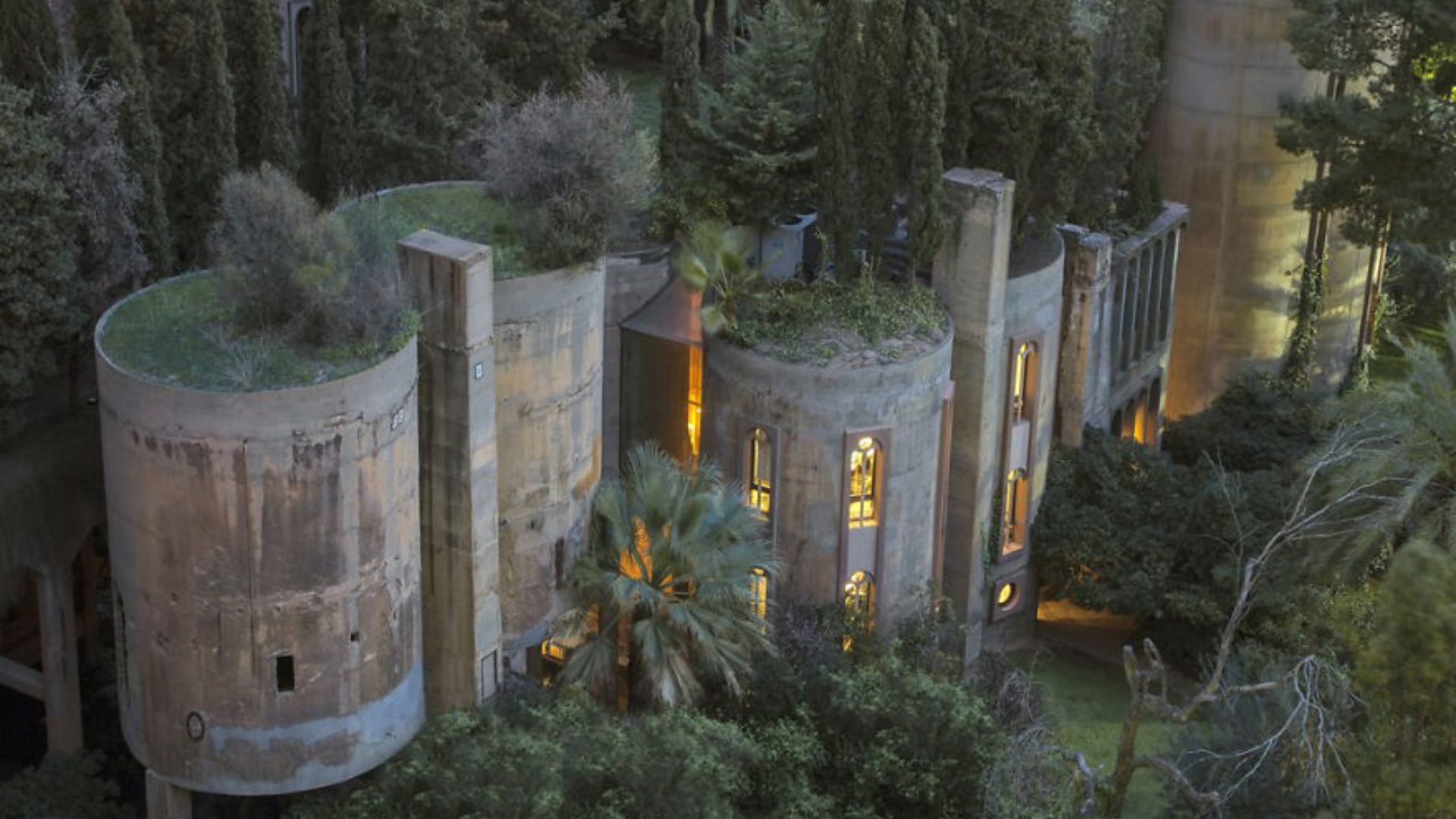


Transformation of an Old Factory in Barcelona Reveals How Architecture, Memory, and Creativity Can Redefine Forgotten Spaces and Convert Them into Global References.
In the outskirts of Barcelona, an old cement factory from the early 20th century has been converted into a residence, architecture studio, and continuous creation space by the Catalan architect Ricardo Bofill.
Originally built as an industrial complex of about 31,000 square meters in Sant Just Desvern, it now houses the Bofill Taller de Arquitectura office and part of the architect’s family, becoming one of the most emblematic examples of industrial heritage reuse in the world.
The Industrial Origin of the Factory in Barcelona
The old Sanson cement factory, erected in the 1920s, operated for decades as an important piece of the industrialization of the Barcelona region.
-
With over 14 million baskets of earth moved, an ancient North American metropolis built a monumental pyramid of 30 meters and established a city with 20,000 inhabitants nearly a thousand years ago.

-
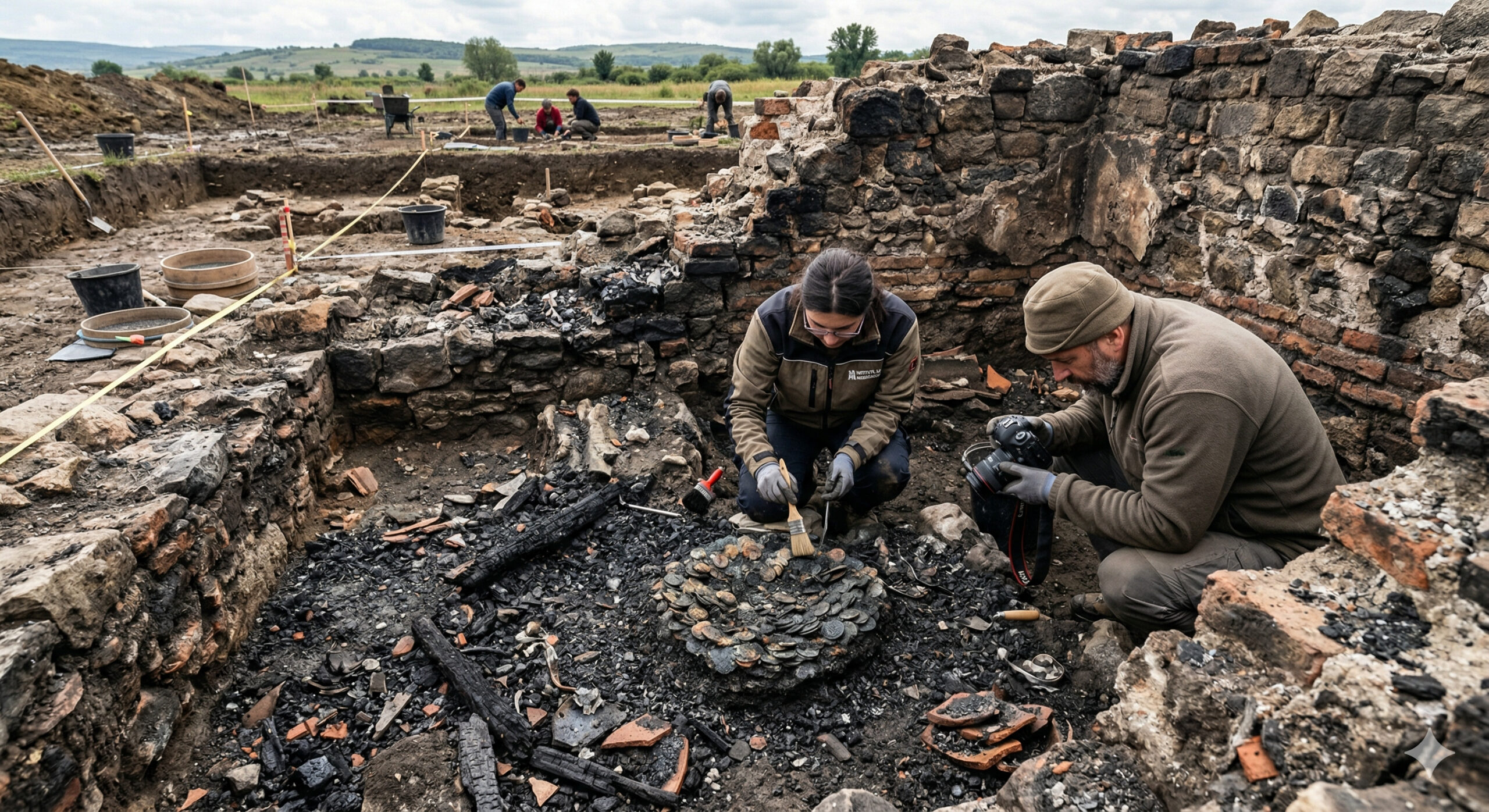
A 1,900-year-old treasure emerges from a Roman house destroyed by fire and sealed since antiquity in Romania, with coins and metals fused among the ashes.
-
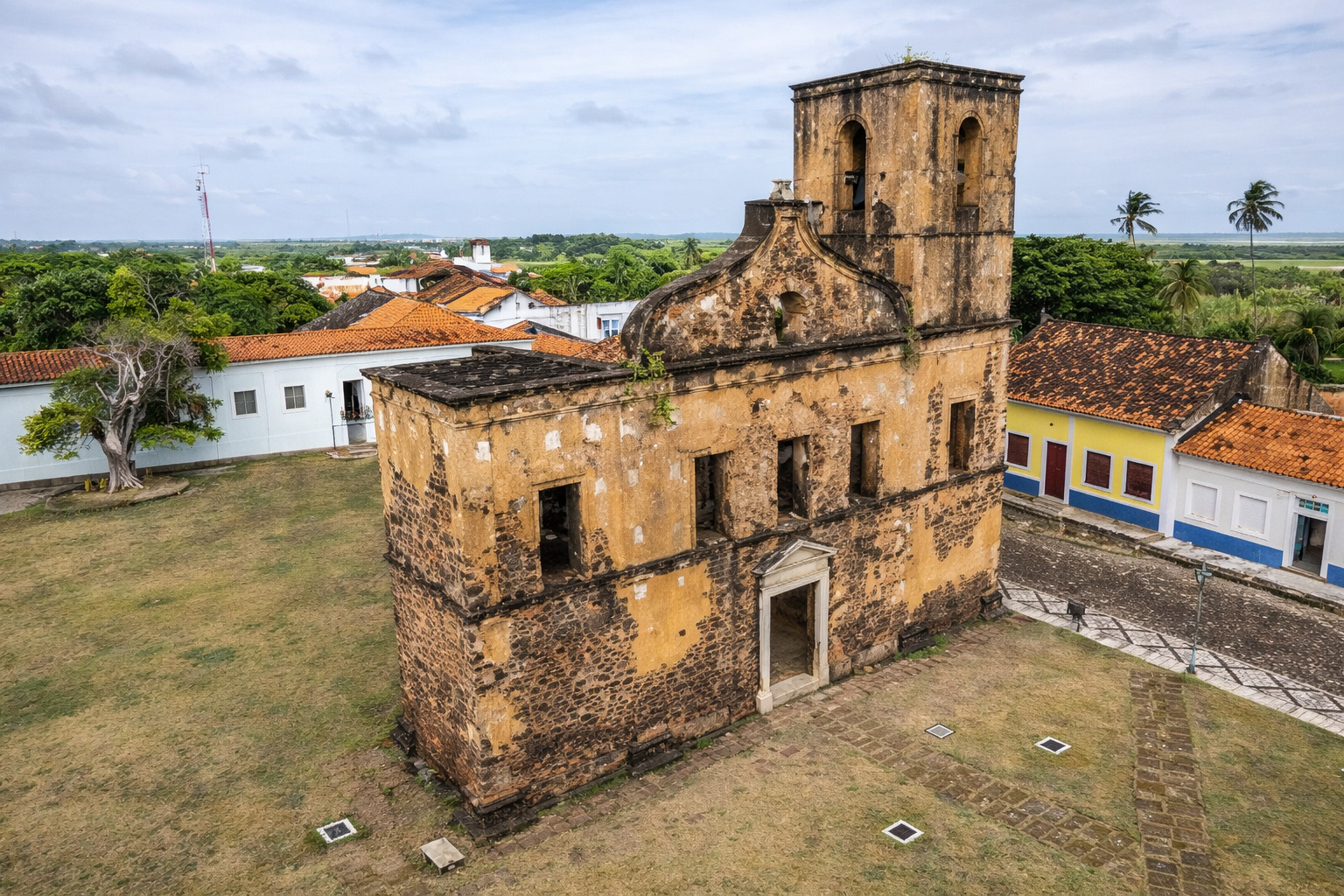
The Brazilian colonial city that stopped in time and shares territory with a rocket launch base.
-
79-year-old woman challenges limits, visits 193 countries in the world after 56 years of planning and reveals the behind-the-scenes of a global journey that few have managed to accomplish.


Monumental silos, underground tunnels, and a chimney over 100 meters high composed the scene of heavy work and cement production that marked the landscape of Sant Just Desvern throughout the 20th century.

When industrial activity was transferred to another unit in the late 1960s, the complex fell into decline and was partially demolished, with plans for total demolition shortly afterward.
It was in this context that, in 1972-1973, Bofill discovered the ruined site, acquired the area, and began a transformation process that combined selective demolition and preservation of structures considered essential.
Instead of starting with a blank site, the architect chose to work with what already existed.
Walls marked by soot, rooms filled with decommissioned machinery, tunnels, and concrete volumes that had previously served exclusively industry began to be reinterpreted for a new use, articulating memory and contemporary function.
Opening of the Silos, Natural Light, and Gardens Integrated into Concrete
The reconversion process began with an intervention of selective demolition that opened courtyards, terraces, and external pathways.

Part of the silos was removed to allow ventilation and living areas, while others were preserved and transformed into offices, meeting spaces, and living environments.
What were once closed containers for cement powder became well-lit spaces with large openings that allowed natural light to enter.
Next came the cleaning and landscaping phase, keeping the exposed concrete and incorporating lush vegetation.
Climbing plants began to cover facades, trees were integrated into the courtyards, and gardens emerged both on the ground and on terraces and roofs.
The result united massive volumes with vegetation that softens the visual impact, creating a contrast that became the trademark of the complex.

Inside the complex, one of the most well-known spaces is the so-called “Cathedral”, a hall with a high ceiling that was once dedicated to industrial functions and now hosts meetings, events, and various cultural activities.
Above it are residential areas, living rooms, bedrooms, and terraces connected by stairs and walkways that take advantage of the topography created by the old factory structures.
Brutalism, Memory, and the Reconstruction of Architectural Identity
The intervention at La Fábrica is often associated with brutalism, due to the intense use of exposed concrete and the monumental scale of the original volumes.
At the same time, the project incorporates references from Catalan neo-Gothic and touches of surrealism.
The office itself defined the complex as a hybrid between memory and future.

In the process, several scars from industrial use were kept visible.
Marks of old stairs, remnants of machine fittings, and cuts in the walls remain perceptible, reinforcing the idea that the building is not new but rather a conscious reuse of a previous structure.
By reorganizing the internal program, Bofill and his team completely inverted the functional logic of the space.
What once served industrial needs has been redesigned to accommodate creative activities, such as project design, modeling, meetings, reading, and domestic life.
Thus, the factory transformed into a permanent laboratory for architectural experimentation.
La Fábrica Today and Its Global Relevance
Almost half a century after the intervention began, La Fábrica remains in use as the headquarters of Bofill Taller de Arquitectura and as a residence linked to the office.

Even after the death of Ricardo Bofill in January 2022, the complex continues to function as a center of work and creation, maintaining the proposal for integration between life and professional practice.
Although rarely open to the public, the space has gained significant international visibility in publications, series, and films, reinforcing its image as a unique architectural space on the outskirts of Barcelona.
In addition to the residence and offices, the surrounding area includes other landmarks of contemporary architecture, such as the Walden 7 residential building and the old chimney transformed into an observation point and restaurant, consolidating Sant Just Desvern as a reference in industrial requalification.
While many 20th-century factories have been demolished or replaced by new ventures, La Fábrica has become an example of how robust structures marked by time can be converted for complex uses, combining work, housing, culture, and landscape.
Without erasing the memory of its industrial past, the complex shows that concrete, silos, and chimneys can acquire contemporary functions geared towards coexistence, creation, and contemplation.







Ideia brilhante! Parabéns!
Xique demais!!!!👏👏👏👏👏
Impressionante, pena que não tenha mais fotos
Tem video no YouTube.