





 Portuguese
  English
  Spanish
  5 min of reading
  0 comments


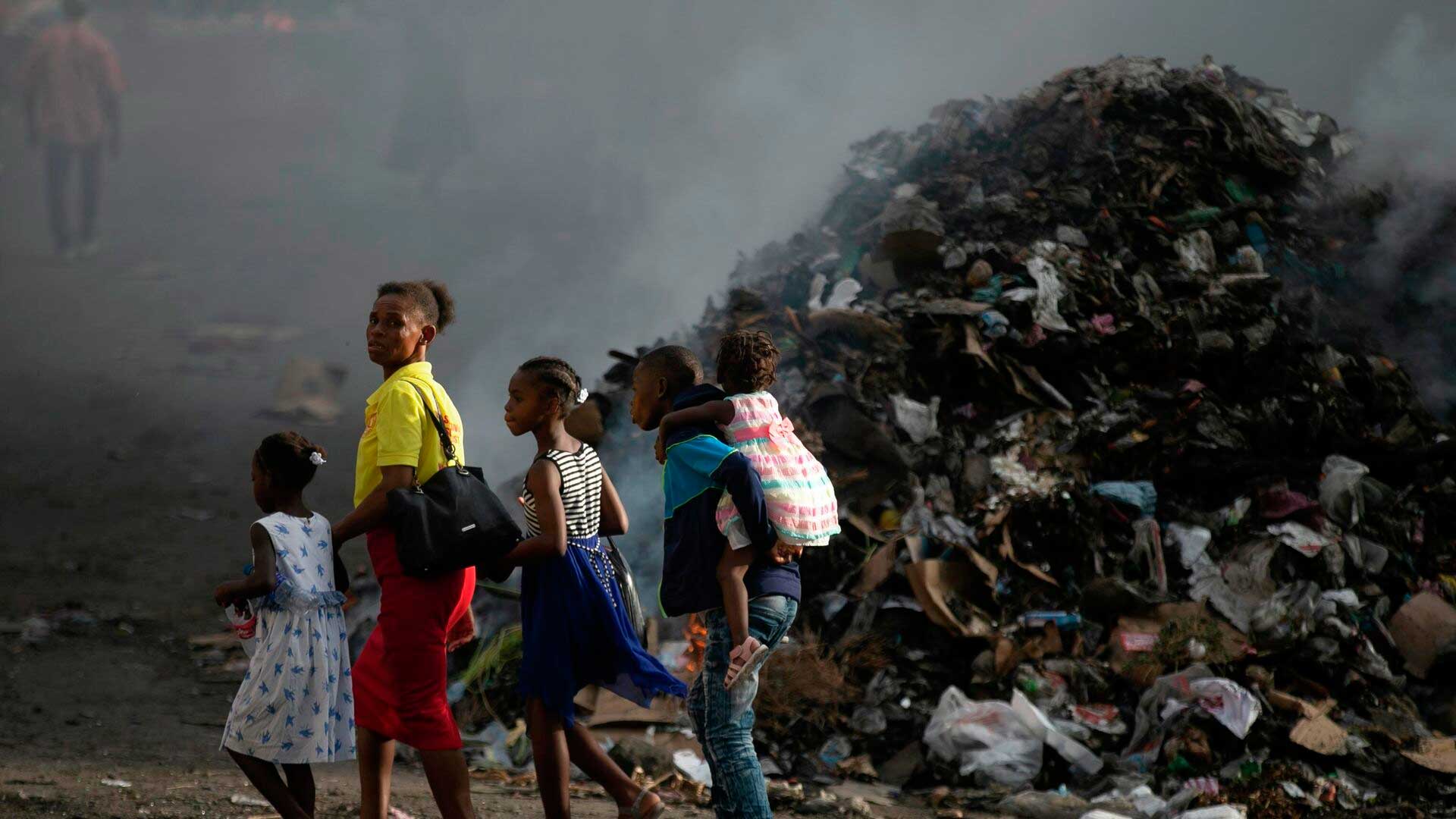
Influencer Says Haitian Capital Is The Dirtiest Place He Has Ever Seen And The Theme Exposes Crisis Of Collection, Urban Inequality And Waste Management
Drew Binsky, a content creator who claims to have visited every country in the world, published a video in which he points out Port-au-Prince, the capital of Haiti, as the dirtiest city he has ever known.
The statement gained traction on social media and sparked a discussion that goes beyond the shock of the images, touching on infrastructure, public services, and stigma surrounding poor areas.
In the content, he mainly highlights peripheral neighborhoods where garbage accumulates in the streets and collection appears to be irregular or nonexistent. The perception, however, is presented as a personal experience, not as a technical ranking.
-
House without a door and without a window: a resident lives high in the mountains, says he enjoys the “free life,” mentions that the cat comes and goes hunting bats and rats, and that when it rains he wakes up with wet feet.

-
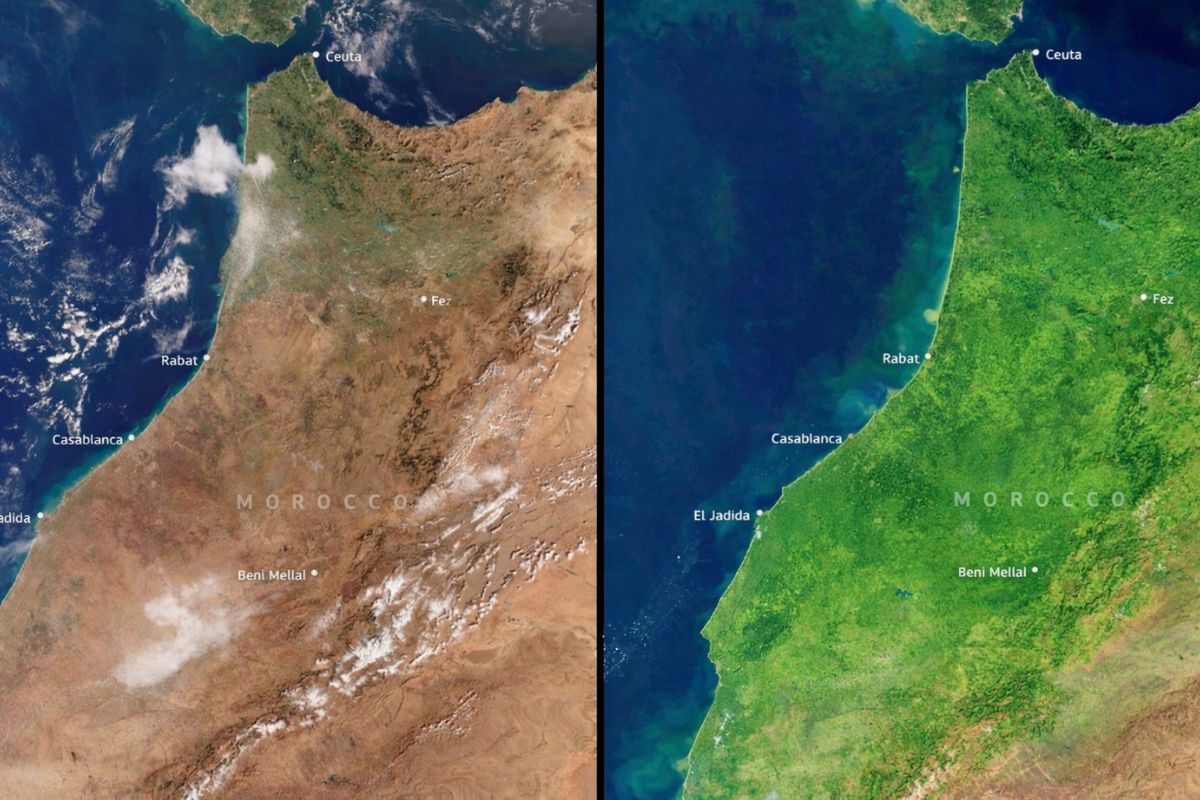
Satellite images show that Morocco became so green in 2026 that the country looks different from space: two months of heavy rains transformed arid land into dense vegetation for the first time in a decade.
-
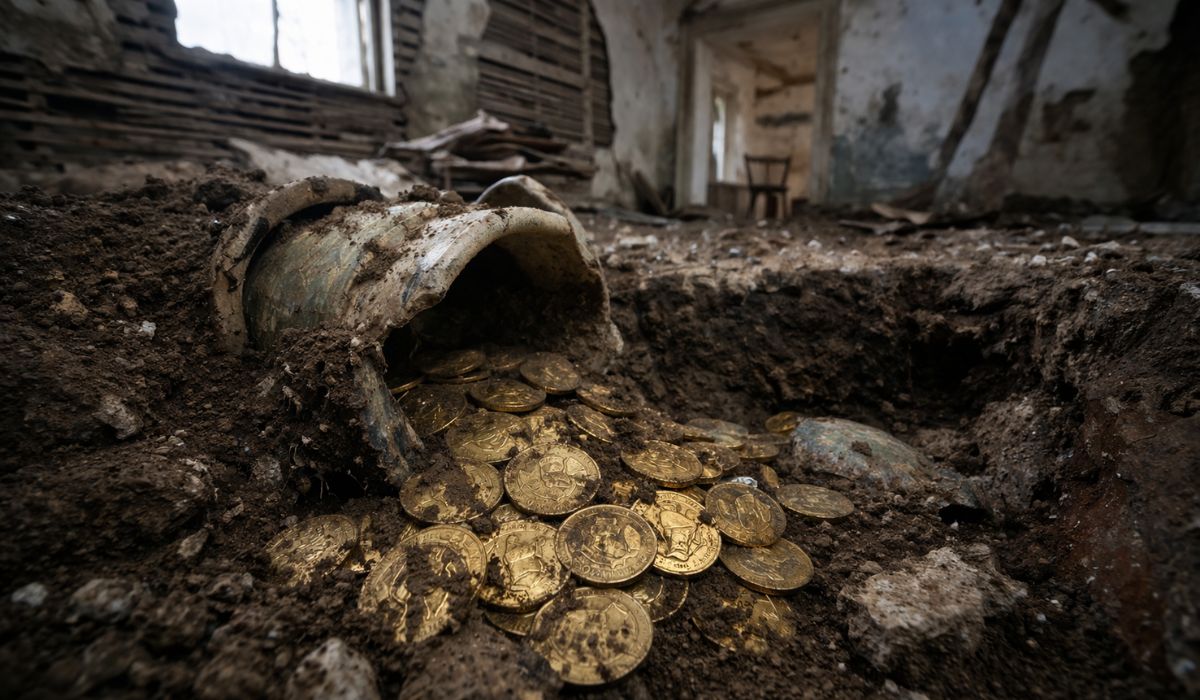
Archaeologists were excavating the foundation of a historic house in Russia when they discovered a buried treasure with gold coins, left behind in the final days of the Russian Empire and now valued at over R$ 2.8 million.
-
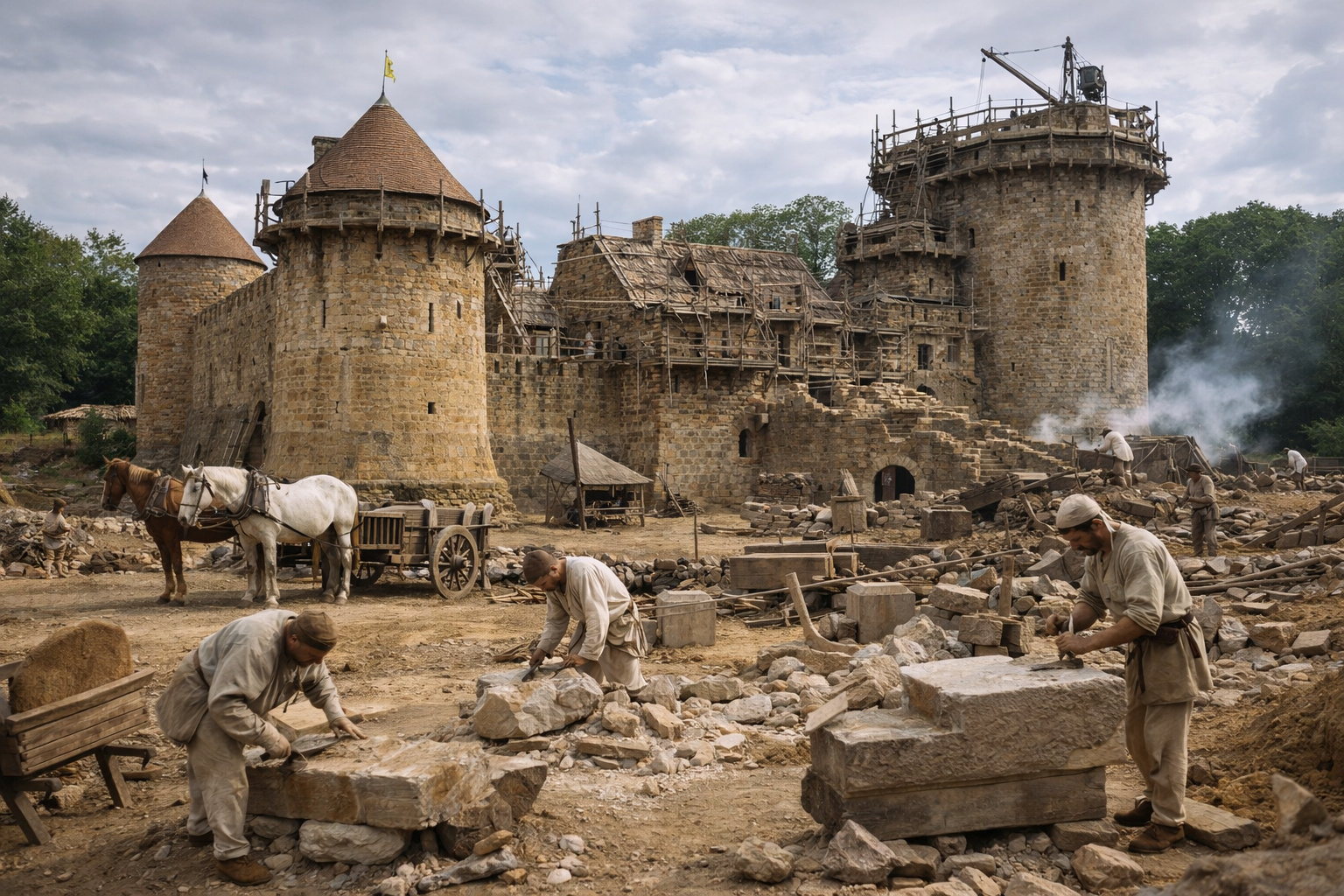
The Mediterranean has become the target of the largest underwater archaeological mission ever coordinated by UNESCO: eight countries have joined forces to map shipwrecks and protect a historic corridor.

Behind the label of the dirtiest city, there is a backdrop of urban crisis and low waste collection coverage in the country. Organizations and studies cite low collection rates in Haitian urban centers, which helps explain why trash remains exposed for long periods.
Why Port-au-Prince Became The Focus Of The Video About The Dirtiest City In The World


According to the reported account, Binsky claims to have crossed areas like Cité Soleil and shown streets with debris, plastics, and construction waste piled up. The video relies on the visual power of the setting and local testimonies about the precariousness of the service.
The dynamics of Port-au-Prince also weigh on how the problem appears to visitors. Haiti faces historical challenges in sanitation and urban management, and the capital bears a significant portion of the pressure for services, with neighborhoods very unequal in structure and service.
This type of record often goes viral because it translates a complex problem into a simple, shareable image. The risk is that the narrative ends up reduced to a label, lacking context about why garbage accumulates and who is most affected.
Waste Collection Crisis In Haiti Explains Part Of The Scenario Seen In The Streets
Data released by the UNDP in Haiti describes a poorly organized waste collection and management system in large urban centers, with piles of trash on sidewalks, corners, and markets. The same document indicates a collection rate of around 12 percent, citing figures associated with the World Bank. UNDP

A technical study by NREL on waste energy options in Truitier, near Port-au-Prince, also records low estimates of collection and delivery to disposal sites. The report mentions estimates of only 20 to 22 percent of the waste generated in the area reaching the Truitier site, along with daily generation values per person ranging from 0.6 to 0.7 kg.
The situation becomes even more sensitive because Truitier is identified as the main disposal site for the metropolitan area, although with limitations and structural problems. A UN Environment Program Grid sheet describes Truitier as a large open area, near the sea and surrounded by settlements, without structured incineration or recycling on site.
In addition to the environmental challenge, there is a recent security component that complicates logistics. In December 2025, the Haitian site AyiboPost reported that armed groups were blocking access to Truitier and charging fees from trucks, which, according to local authorities, worsens an already severe collection and waste management crisis.
When collection fails, the impact appears in a chain, with litter in public streets, disposal in ravines, and open burning in some locations, increasing discomfort and health risks. It is this scenario, often concentrated in peripheral areas, that tends to be captured by cameras and cut into short videos.
Other Places Cited By The Traveler Show That Dirt Is Also Related To Inequality
In the reported material, Binsky also cites Tondo in the Philippines, Manshiyat Naser in Egypt, and Stolipinovo in Bulgaria as examples of visually polluted places. The list reinforces a common pattern, where the problem typically concentrates where public services fail and vulnerable communities are more exposed.
At the same time, not every place marked by trash is just collapse. In Manshiyat Naser, known as the city of garbage, there is a sorting and recycling economy associated with the Zabaleen community, with reports of recycling rates reaching around 80 percent of the material collected, despite the precarious infrastructure conditions.
When Travel Reports Shape Reputations And Can Reinforce Stigmas
Travel videos function as informal guides, capable of influencing tourism decisions, donations, investments, and even how a country is discussed abroad. When the theme is urban dirtiness, the repercussions often come accompanied by comments that associate certain areas with risk and disease, which can deepen stigmas.
There is also a recurring ethical point, as those filming usually spend little time in the location, while residents deal with the problem daily and often without the option to choose alternatives. In marginalized neighborhoods, the lack of regular collection can compound other absences, such as water, sewage, and basic infrastructure, forming a difficult situation to break.
On the other hand, visibility can pressure governments and international partners to prioritize the issue, as well as help direct attention to policies on waste management, selective collection, and environmental education. The UNDP, for example, discusses solutions that combine organization of collection, economic valuation of waste, and job generation.
In the case of Haiti, experts and organizations point out that improving urban cleanliness involves increasing coverage and regularity of collection, strengthening responsible institutions, and addressing the final destination of waste. Without this, the cycle of accumulation, irregular disposal, and pollution tends to repeat, regardless of what an influencer records in a video.
If a traveler calls a city the dirtiest in the world, does that help accelerate solutions or merely humiliate those who live there and need real public policies? Leave your comment with your opinion, especially if you think influencers should show this type of reality or if it merely reinforces stereotypes.




-

-

-

-

10 pessoas reagiram a isso.