





 Portuguese
  English
  Spanish
  5 min of reading
  1 comment


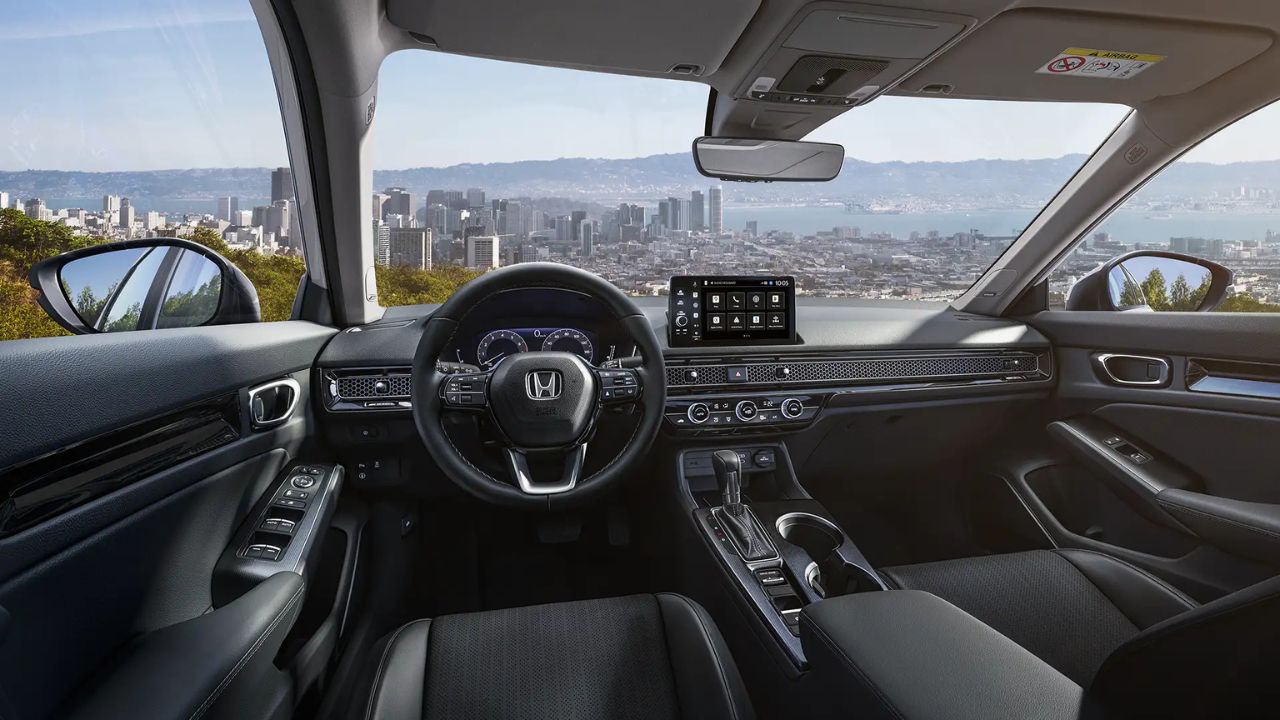


With Enhanced Technology And Exemplary Consumption, The New 2026 Honda Civic Hybrid Arrives As A Reference In Driving Performance And Efficiency, But Its Price Of R$ 265,900 Places It In A Niche Position In The National Market.
The 2026 Honda Civic Hybrid lands in Brazil with updates that, according to in-depth analysis from the specialized portal Carro Chefe, consolidate it as the best sedan in its category in technical terms. Equipped with the new generation e:HEV system, the model offers a combination of agile performance, extremely low fuel consumption, and a refined driving experience, surpassing its direct competitors in innovation.
Despite its undeniable qualities, the main obstacle to the model’s success is its price positioning. Priced at R$ 265,900, Honda’s sedan distances itself from its historical rival, the Toyota Corolla Hybrid, and begins to compete in a market range where consumers consider SUVs and even entry-level models from premium brands. This pricing strategy raises a crucial debate about cost-benefit and the real impact of the model on the Brazilian automotive landscape.
The e:HEV Technology That Makes A Difference
The standout feature of the 2026 Honda Civic Hybrid is its powertrain, the e:HEV system. Unlike most full hybrids, here the star is the 184-horsepower electric motor with an impressive 32.1 kgf.m of instant torque. It is responsible for driving the car most of the time, ensuring robust acceleration and absolute silence while cruising. The combustion engine, a 2.0 naturally aspirated engine producing 143 horsepower, primarily acts as a generator for the battery, engaging the wheels only in high-speed situations.
-
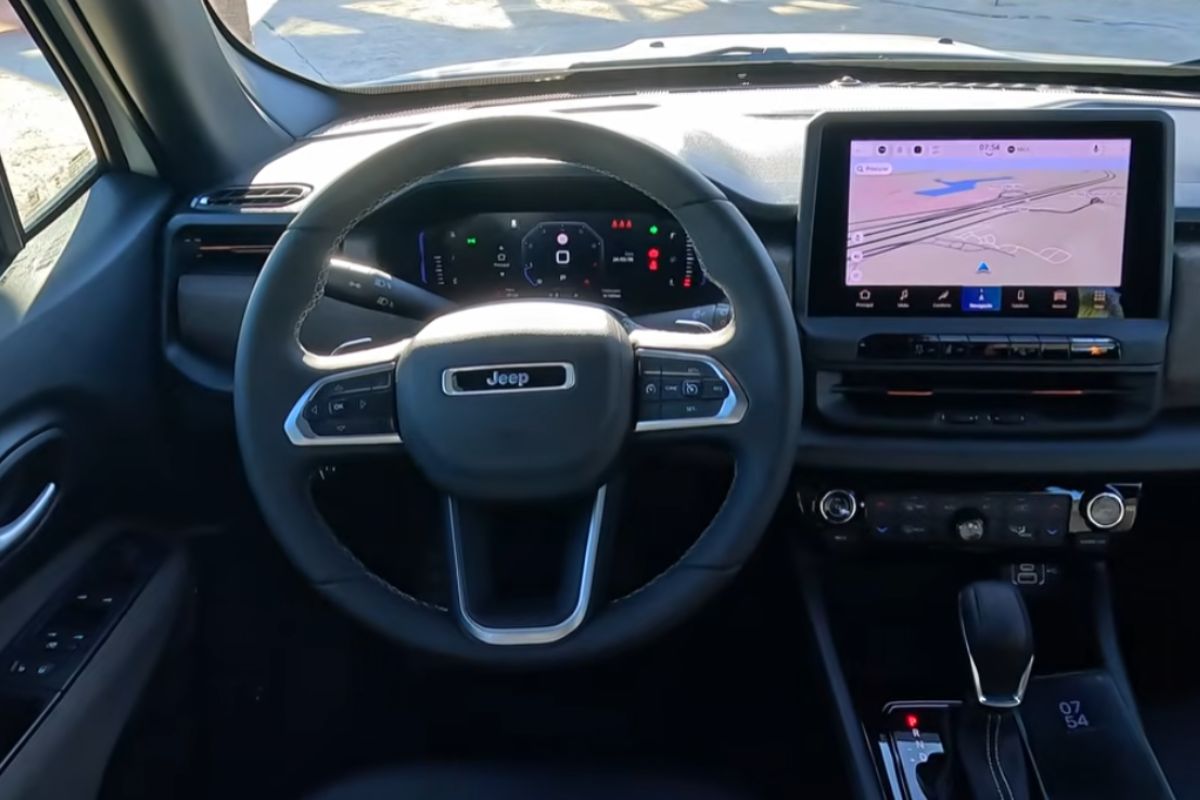
With a mild hybrid system of 48 V, 176 hp and a price of R$ 175,990 in the Sahara version, the new Jeep Renegade changes mostly on the inside, improves slightly in fuel consumption, and remains almost the same car.
-
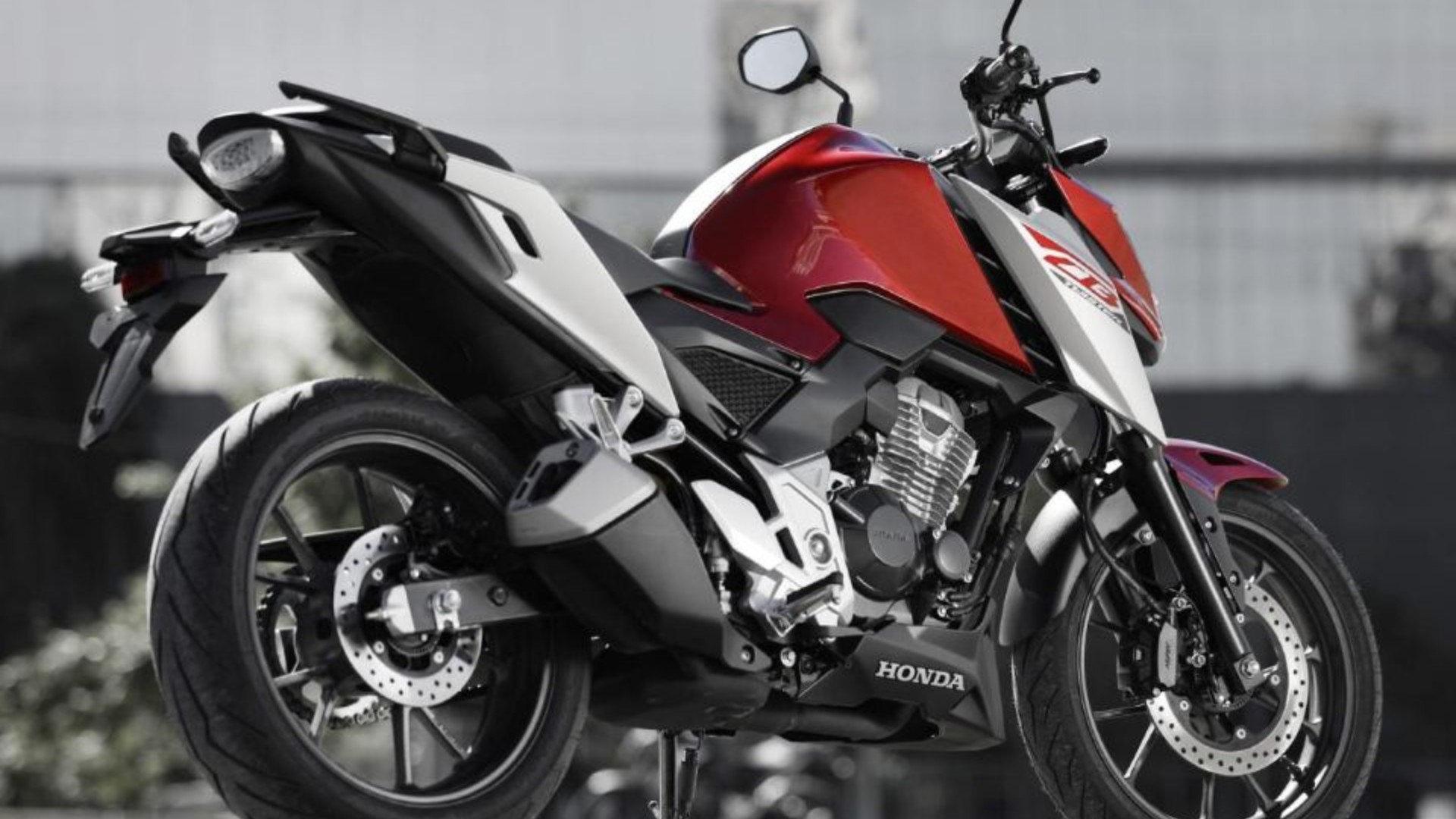
With a 293.5 cm³ engine and a range of up to 400 km with a 14.1-liter tank, the Honda CB 300F Twister 2026 has up to 24.7 hp, an initial price of R$ 25,150, and already exceeds R$ 29,000 in the Fipe Table.
-
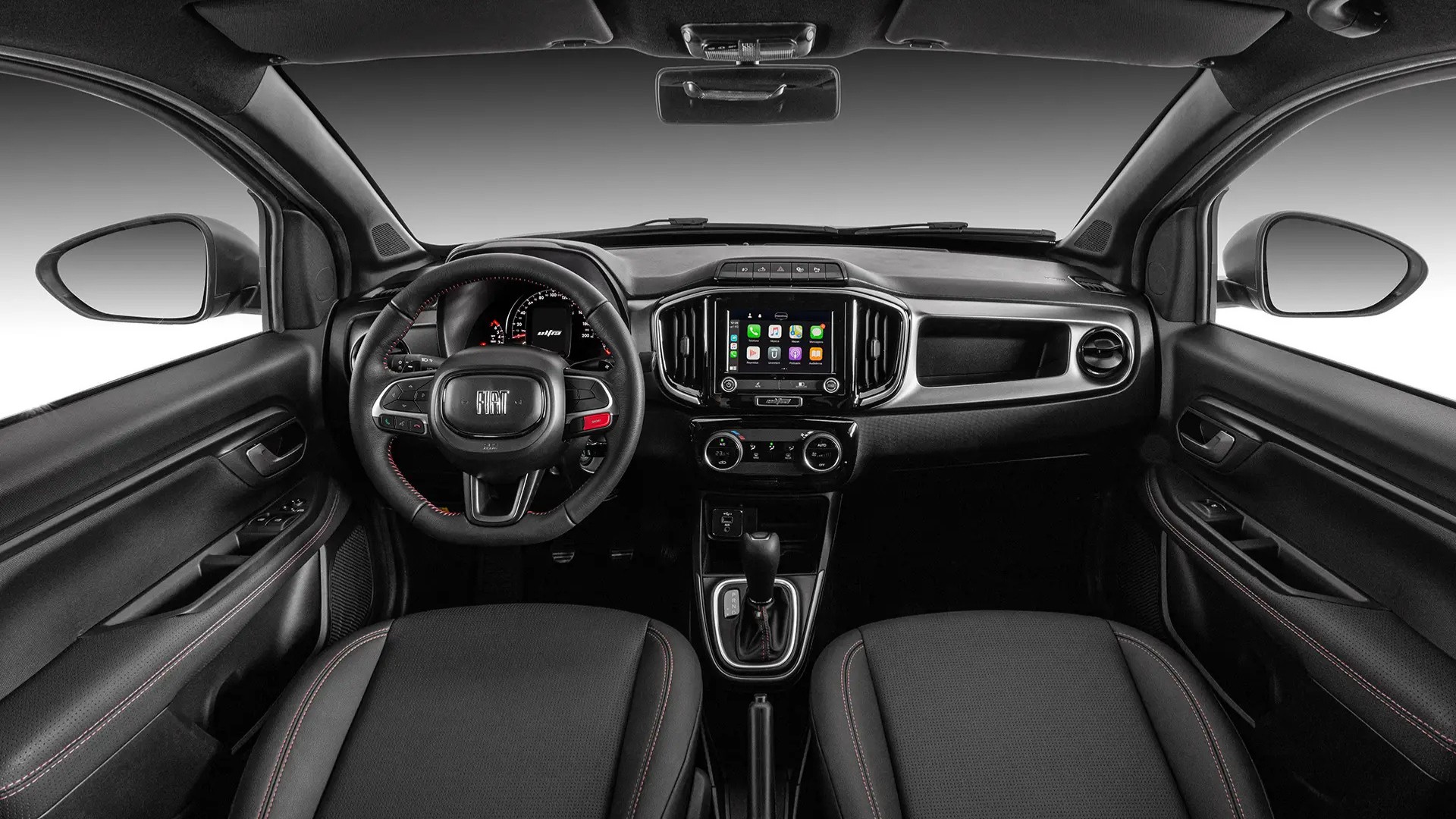
With a 1.3 engine, nearly 700 km of range, and Turbo 200, the Fiat model surpasses Polo, Tera HB20, and Onix, becoming the best-selling car in March; see the numbers for the Fiat Strada and others.
-
The Honda Fit has been discontinued for years, but the 2018 model is worth more today in the Fipe table than it cost brand new, proving that this used car, valued with a 1.5 i-VTEC engine and Magic Seat, only increases in price.

This architecture, as pointed out by the Carro Chefe analysis, results in driving dynamics closer to those of a pure electric car. The throttle response is instantaneous, with no characteristic delay from some transmissions. In practice, this translates to a surprising agility in urban traffic and safe overtaking on the highway. The driving experience is smooth and controlled, with a linear and always available power delivery, placing it a step ahead of more conventional hybrid systems.
Highlighted Consumption And Surprising Performance
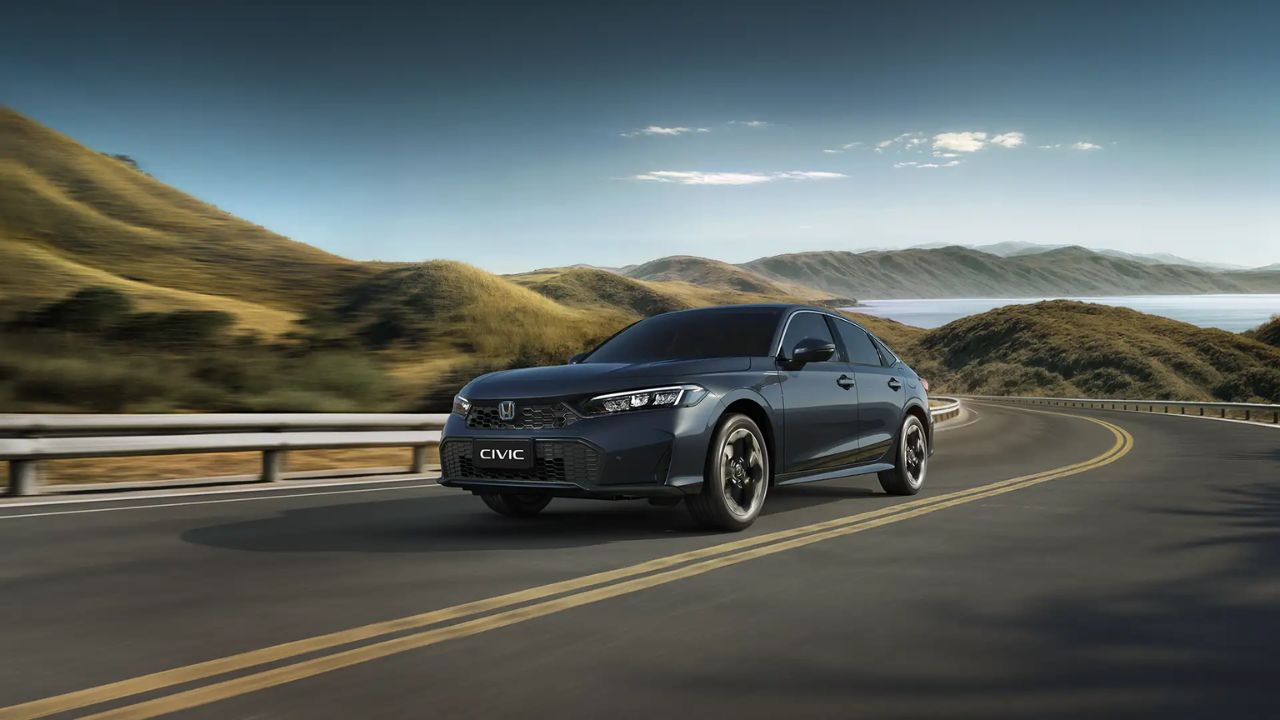
Energy efficiency is undoubtedly one of the pillars of the 2026 Honda Civic Hybrid. According to official data, the sedan achieves average consumption of up to 21.1 km/l in the city and 18.3 km/l on the highway, figures that place it among the most economical cars in Brazil. This efficiency is a direct result of the e:HEV system, which prioritizes the use of the electric motor in urban cycles, the scenario where combustion vehicles are traditionally less efficient.
Contrary to the notion that hybrid cars are slow, the Civic’s performance is one of its strong points. The combination of the instant torque from the electric motor with the collaborative work of the combustion engine allows the sedan to accelerate from 0 to 100 km/h in about 7.1 seconds. This number, verified in practical tests by the Carro Chefe, not only surpasses its hybrid competitors but also rivals sporty sedans, offering the best of both worlds: performance when needed and economy in everyday use.
The Exorbitant Price: Where The Bill Does Not Add Up?
While technically the 2026 Honda Civic Hybrid justifies itself, its price of R$ 265,900 is the factor that generates the most surprise. The value positions it well above the Toyota Corolla Altis Hybrid Premium (around R$ 198,890), its most direct competitor, creating a price gap that is difficult to justify solely based on superior technology. With this amount, consumers have access to well-equipped mid-sized SUVs and even entry-level models from brands like BMW and Audi.
The critical analysis from Carro Chefe emphasizes that, for this price, the absence of certain features becomes unacceptable. The model does not offer a 360-degree camera, a common item in vehicles in this price range, and the quality of the rearview camera is cited as disappointing. Additionally, it retains Honda’s LaneWatch system, a camera in the right-side mirror that replaces the traditional blind spot alert, a solution considered by many to be less effective and safe.
Life On Board: Comfort And Points To Improve


Inside, the 2026 Honda Civic Hybrid impresses with its high-quality finish and precise assembly. The interior space is generous, especially for rear-seat passengers, and the 495-liter trunk easily accommodates a family’s needs. The new multimedia center with integrated Google is quick and intuitive, and Honda’s decision to maintain physical controls for the air conditioning is a positive point for ergonomics.
Despite the comfort, some details could be improved. The semi-autonomous driving system, Honda SENSING, is comprehensive, but the lane-keeping assistance function only works above 70 km/h, limiting its practical use in urban traffic. The lack of electric lumbar adjustments for the driver’s seat and memory positions are also details that are missed in a car of this price level, showing that, despite being an excellent project, the cost strategy left some gaps.
A Brilliant Car With A Questionable Price
The 2026 Honda Civic Hybrid is indeed an exceptional car. It represents the latest advancements in Honda’s hybrid technology, delivering performance, economy, and driving quality that place it at the top of the segment. However, Honda seems to have erred in pricing. The high value makes it a niche product, inaccessible to most of the Civic’s former fans. It is the best car that few will have the chance to buy.
And you, what do you think about this Honda strategy? Do you believe the embedded technology justifies the price? Share your opinion in the comments; we want to know what you think about the future of the sedan market in the country.







Nice balance of theory and practical advice. Well done!