





 Portuguese
  English
  Spanish
  4 min of reading
  0 comments


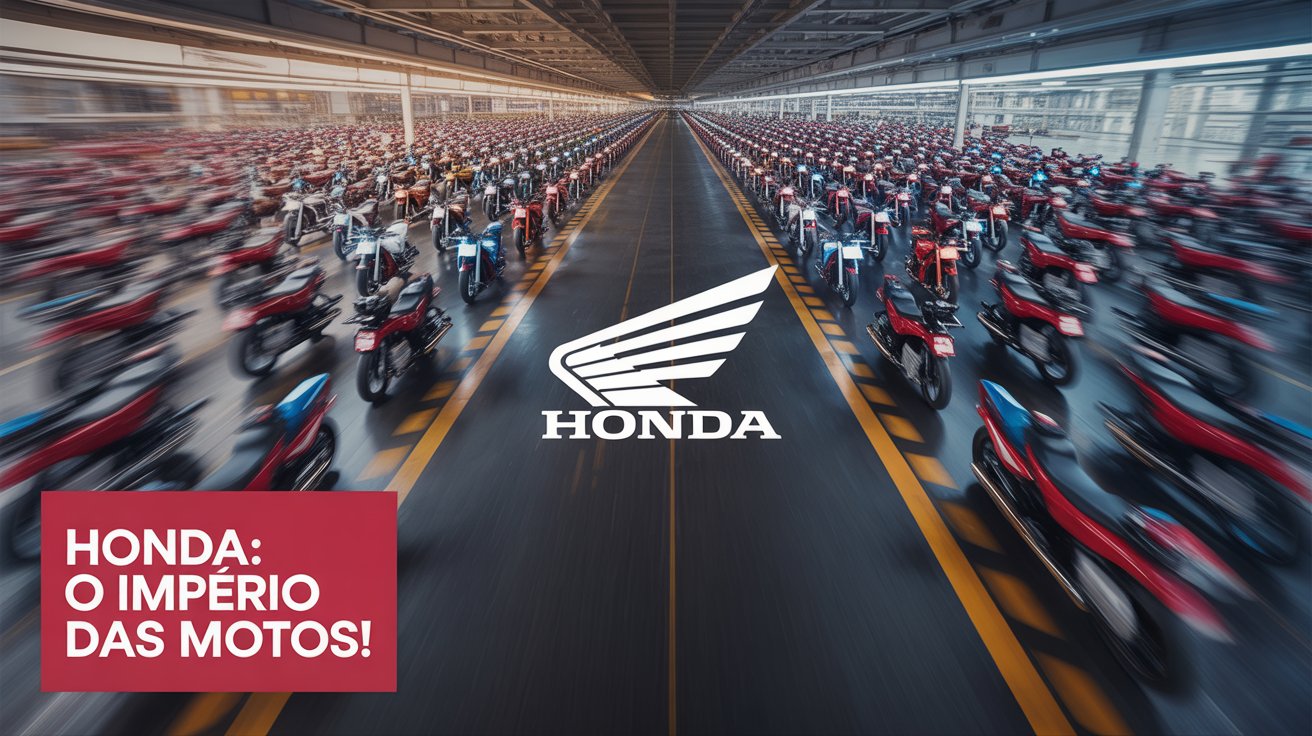
Honda Starts Production At The World’s Largest Motorcycle Factory In India, Expanding Exports To Brazil And Boosting The Global Competition With China.
The global motorcycle industry is witnessing a historic movement.
Honda is building, in India, the largest motorcycle factory in the world, with a production capacity expected to reach 2.61 million units per year by 2027.
The accelerated pace is impressive: a new motorcycle comes off the assembly line every 12 seconds.
-
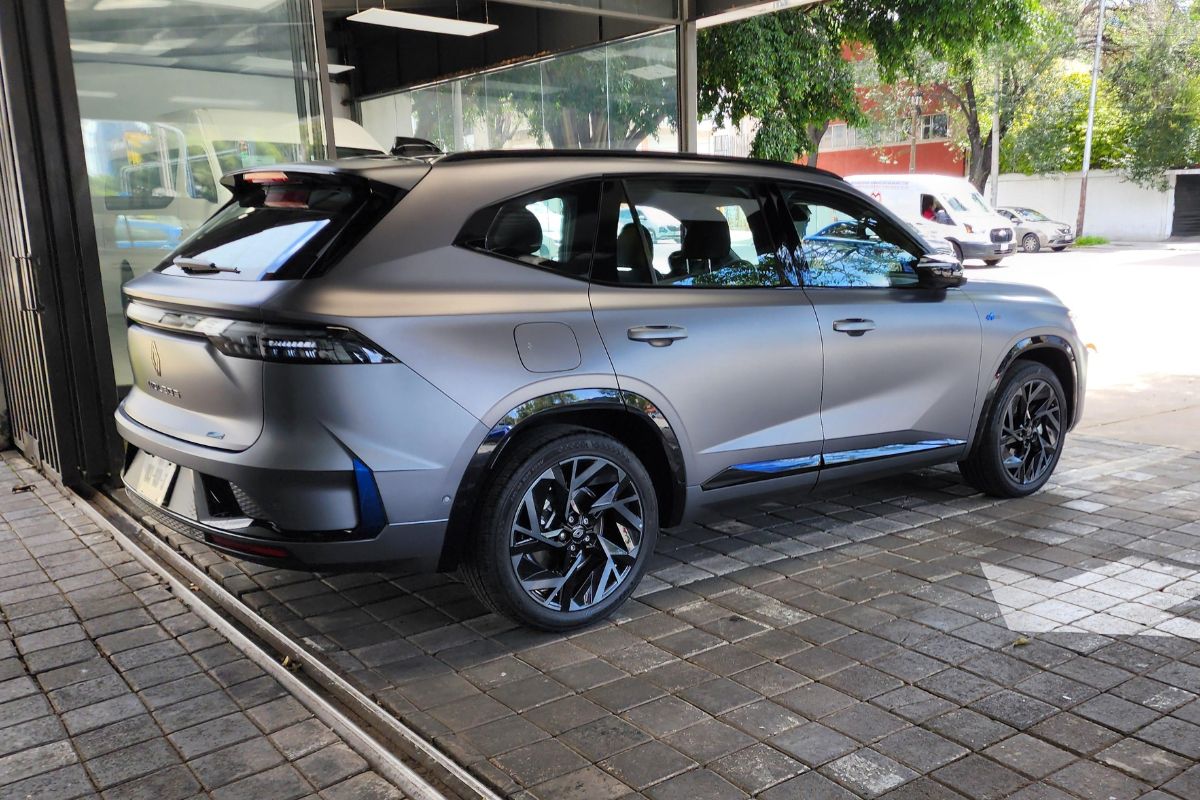
The new Renault Koleos has a screen exclusively for the passenger that is invisible to the driver, heated rear seats, and 29 assistance systems, but its Chinese competitors cost R$ 40,000 less and deliver more power.
-
A new AI collar technology for cattle eliminates physical fences, creates virtual barriers, monitors animals 24/7, and detects changes in behavior and health.

-
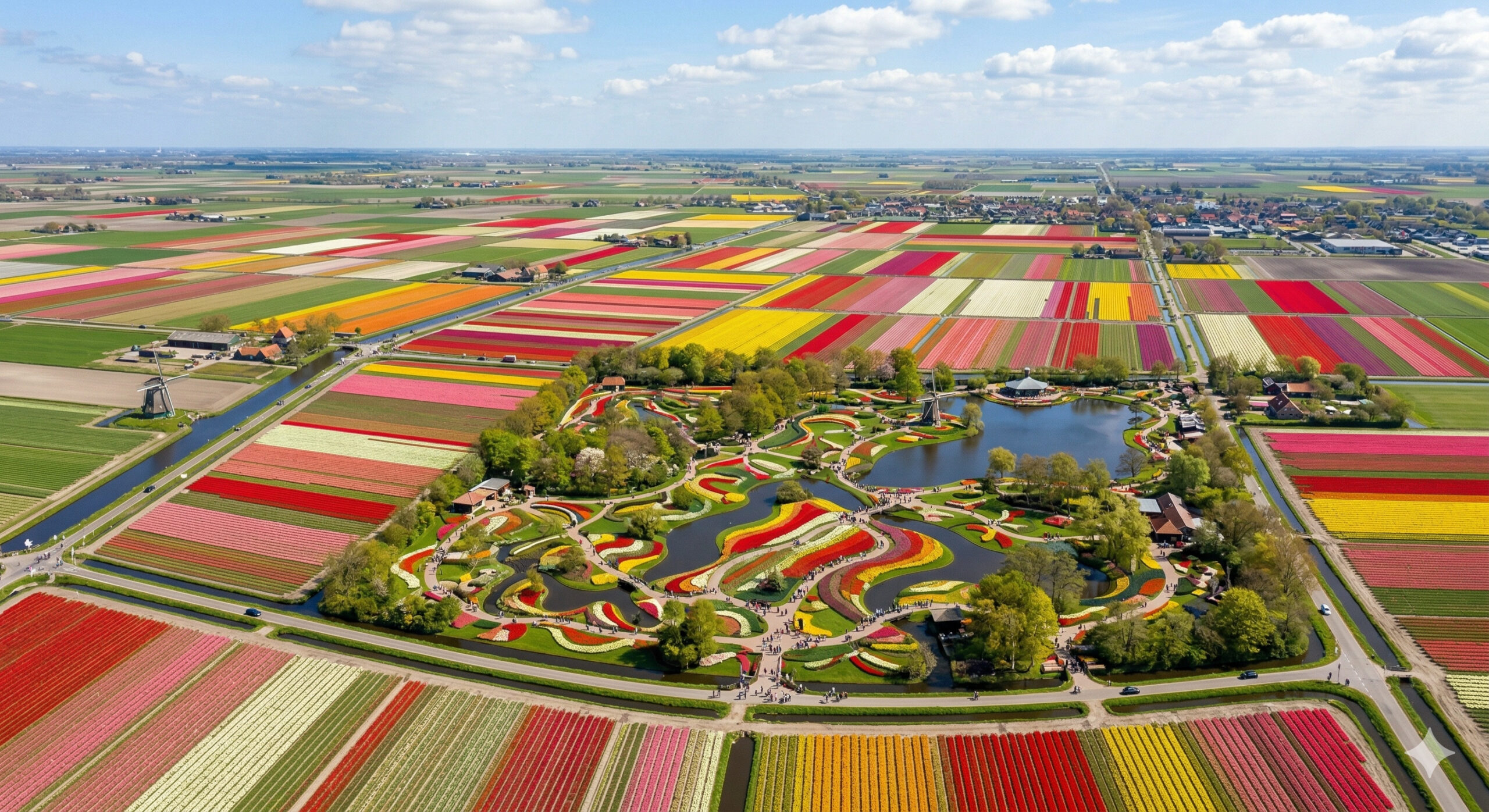
For a few weeks each year, an entire country blooms with billions of tulips, creating a mosaic of colors visible from the sky, while a single garden gathers more than 7 million flowers and attracts visitors from around the world to one of the most impressive shows in Europe.
-
Bokashi, a Japanese technique of controlled fermentation, becomes the organic fertilizer that revitalizes the soil: it activates microorganisms and earthworms, improves pH and moisture retention, gradually releases nutrients, and helps prevent pests in the garden.


This advancement places Indian production not only at the top of the industry but also repositions Brazil on the global strategic map, transforming the country into a priority destination for exports from the Japanese manufacturer and elevating the national market to the center of an escalating contest between Japan and China.
Honda’s Industrial Expansion In India
Since starting operations in Vithalapur, Gujarat, in 2016, Honda has been continuously increasing its production capacity.
The industrial complex began with 600,000 annual units and, in less than a decade, surpassed the mark of 2 million motorcycles manufactured per year.
With the addition of a fourth assembly line, expected to be completed by 2027, production will reach a new level, reflecting the company’s strategy to make India the main motorcycle manufacturing hub in the world.
According to recent data, Honda has already produced over 70 million motorcycles on Indian soil, reinforcing the country’s position as a key player in the global scenario.


India As A Strategic Hub For Exports
But why India?
The answer involves a combination of strategic factors.
In addition to having one of the largest motorcycle consumer markets in the world, India has established itself as an export platform to various regions, including Latin America, Southeast Asia, and Africa.
In 2024, total motorcycle production in the country surpassed six million units, signaling consistent growth in the industry.
For Honda, investing heavily in this territory means not only meeting local demand but also ensuring agility and scale in global supply.
Brazil At The Center Of The Global Dispute
Another relevant aspect is Brazil’s transformation into one of the main focuses of Honda’s new plant.
The Brazilian market, recognized for its robust demand for low and medium displacement motorcycles, now occupies a central role in the plans for exports from the Japanese brand.
The competition for leadership, traditionally led by Honda and Yamaha in Brazilian territory, gains new contours in light of the advance of Chinese brands, which are encroaching on the international market with innovative models and competitive prices.
According to industry experts, Brazil is among the top destinations for Honda’s exports, further boosting local competitiveness.
Japanese Investment And Industrial Strategy
However, Honda is not the only Japanese giant betting heavily on India.
Suzuki, another traditional automaker from the land of the rising sun, also announced the construction of a new factory in Kharkhoda, Haryana, with an investment of US$ 137 million and operations expected to start in 2027.
The expectation is to add 750,000 annual units to the company’s capacity.
Unlike the strategy of showcasing futuristic prototypes or competing for power rankings, Suzuki focuses its efforts on producing scooters and utilitarian motorcycles, which are precisely the segments leading global sales volumes.
Production Centers Focused On Emerging Markets
Both factories, from Honda and Suzuki, are primarily focused on supplying emerging markets outside of India.
The goal is to consolidate these plants as logistical and industrial hubs capable of quickly responding to the demands of developing countries, regions where the use of motorcycles is intensive, either as personal transportation or for economic and logistical activities.
This movement occurs amid the growing presence of the Chinese industry, which, over the past few years, has captured markets on all continents, combining technology, bold design, and aggressive pricing policies.
Chinese Advancement In The Motorcycle Sector
The Chinese advancement in the sector has drawn attention for the speed with which manufacturers have managed to insert their products into markets previously dominated by Japanese firms.
Electric models, connected motorcycles, and innovative designs have become a hallmark of Chinese automakers, who have been intensifying their operations especially in Africa, South America, and Southeast Asia.
To face this competition, Japanese companies have been betting on industrial robustness, production scale, and quality tradition.
Japan’s Quiet Response And Impact On The Consumer
This new chapter in the battle for dominance in the global motorcycle market reveals a paradigm shift.
Instead of betting solely on visible technological innovation for the end consumer, Honda and Suzuki aim to consolidate highly efficient and integrated supply chains, capable of meeting large volumes at an accelerated pace and with optimized logistics.
This is the backdrop of the so-called Japan’s Quiet Response To The Chinese Advance: less media spectacle, more infrastructure and delivery capacity.
The growing presence of Japanese factories in India also signals to other markets, such as Brazil, an increasing offering of models adapted to local preferences, in addition to greater availability of parts and services.
For the consumer, this scenario promises continuous innovations, greater competition, and possibly more attractive prices.
The sector, which already moves billions of dollars annually, is expected to become even more dynamic and strategic in the coming years, as automakers accelerate their investments and seek to expand their market shares.





-

-

-

-

7 pessoas reagiram a isso.