





 Portuguese
  English
  Spanish
  5 min of reading
  1 comment


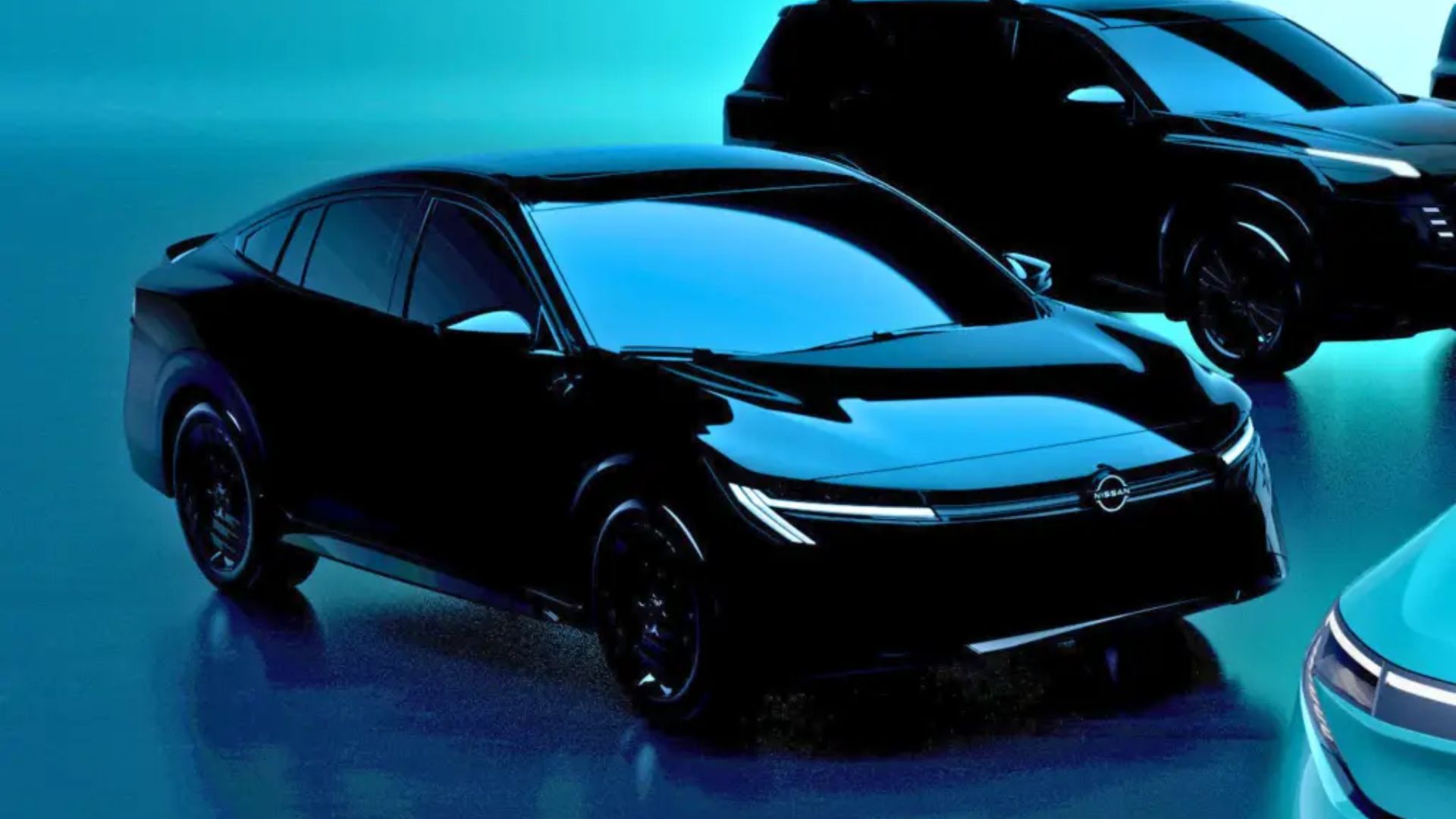


The Classic Coupe Returns In Hybrid Version, Combining Civic Technology, Manual Transmission Simulation, And Chassis Tuning Inspired By The Type-R, Focusing On Comfort And Efficiency, While Targeting Rivals Like Toyota GR86 And Subaru BRZ.
The Honda has officially announced the return of the Prelude with a grand tourer proposal, combining the hybrid e-HEV system from the Civic with a feature that simulates manual shifts, in addition to chassis tuning inspired by the Type-R.
The two-door coupe arrives to compete with compact sports cars like the Toyota GR86 and Subaru BRZ, but without pursuing extreme performance. The priority is comfort on trips and efficiency.
The launch is scheduled for 2026, with performance data and pricing yet to be disclosed.
-
With a 1.0 engine producing 75 hp and costing less than R$ 70,000, Fiat’s car returns to the podium as the cheapest in the country; a temporary promotion for the 2026 Like version reduces the price of the Fiat Mobi.
-
With a mild hybrid system of 48 V, 176 hp and a price of R$ 175,990 in the Sahara version, the new Jeep Renegade changes mostly on the inside, improves slightly in fuel consumption, and remains almost the same car.
-
With a 293.5 cm³ engine and a range of up to 400 km with a 14.1-liter tank, the Honda CB 300F Twister 2026 has up to 24.7 hp, an initial price of R$ 25,150, and already exceeds R$ 29,000 in the Fipe Table.
-
With a 1.3 engine, nearly 700 km of range, and Turbo 200, the Fiat model surpasses Polo, Tera HB20, and Onix, becoming the best-selling car in March; see the numbers for the Fiat Strada and others.
Grand Tourer Profile, Not Sporty
Originally presented in 2023 as the revival of a classic name, the new Prelude was developed to deliver stable and comfortable driving over long distances.
The brand itself positions it as a grand tourer, avoiding labels of pure sports car.
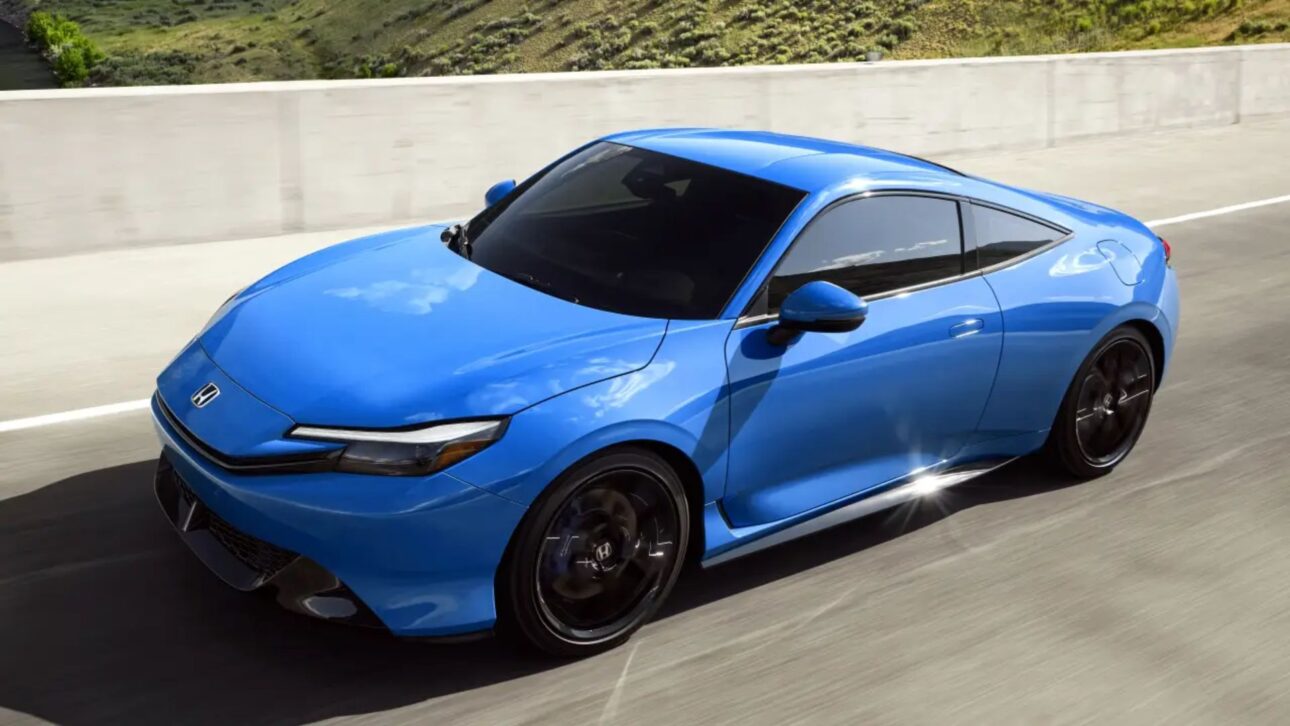
Thus, engineering decisions prioritized smoothness and fuel efficiency, although there are dynamic traits inherited from the Type-R.
E-HEV Powertrain With “Simulated” Transmission
The powertrain replicates the e-HEV architecture of the Civic.
The combustion engine is a four-cylinder 2.0 with 142 hp and 18.55 kgfm, which mainly acts as a generator for the battery in urban scenarios and at low to medium speeds.
In specific conditions — power demand or higher cruising speed — it connects to the wheels for direct traction.
Everyday traction is handled by the front electric motor, which moves the car with 183 hp and 32.12 kgfm available instantly.
In total, the system delivers 202 hp and the same 32.12 kgfm of torque.
Since most of the time the e-HEV operates without conventional gears, the Prelude does not require a traditional transmission.
Still, Honda created the S+ Shift, a solution that simulates a manual transmission to enhance the feeling of control.
This feature enables the paddles behind the steering wheel and even replicates the effect of a rev-matching during downshifts, coordinating engine revs and engine braking for more engaging responses.
The idea is to offer a dynamic experience without sacrificing the hybrid logic of efficiency.
Chassis Tuning With Type-R Touches
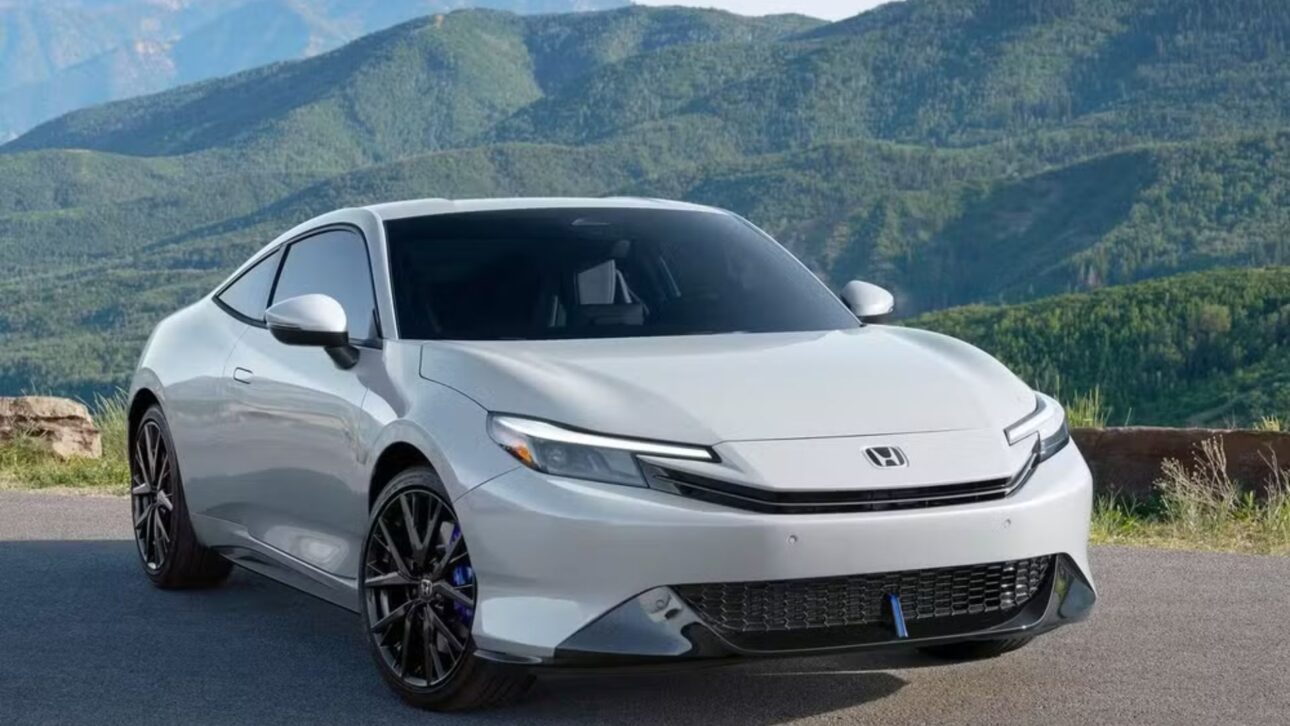
Although the manufacturer emphasizes that the new Prelude is not a sports car, part of the hardware from the Civic Type-R has been utilized.
The coupe uses a suspension setup derived from the hot hatch, with wider front and rear tracks to enhance stability in corners.
The braking system has also evolved: in front, 13.8-inch discs with four-piston calipers; in the rear, 12.0-inch discs.
The adaptive dampers come from the Type-R but recalibrated to prioritize comfort, offering varying stiffness that adjusts to the surface and driving mode.
To reinforce this proposal, the tires are 235/40 R19, a more contained size than the sporty Civic, reducing road noise and transmitting less harshness to the cabin.
Dimensions, Capacity, And Space For Rear Passengers
Compared to the Hybrid Civic, the Prelude is slightly smaller on the outside, but it does not sacrifice everyday usability.
The coupe measures 4.53 m in length and has a 2.60 m wheelbase, dimensions about 15 cm and 13 cm shorter than those of the sedan, respectively.
Despite the more compact size, Honda reports that the trunk can reach 428 liters with the rear seats folded in a 60/40 split, exceeding the Civic’s capacity in that configuration.
The space for rear passengers has been treated as a priority for a 2+2 coupe.
According to the brand, there are 81 cm of legroom, a figure that aims to accommodate two passengers without turning the rear seat into a mere occasional support.
This solution tries to balance low-profile design with real usability for weekend trips.
Asymmetric Front Seats And Ergonomics
A standout design detail in the interior is the asymmetric front seats.
The passenger seat is wider and has a more relaxed profile, designed for everyday use and long stretches.
The driver’s seat, on the other hand, prioritizes the driving position, with firmer cushioning and reinforced support for the lower thigh area, improving support in curves and the feeling of connection with the car.
Cabin And Connectivity Inherited From The Civic
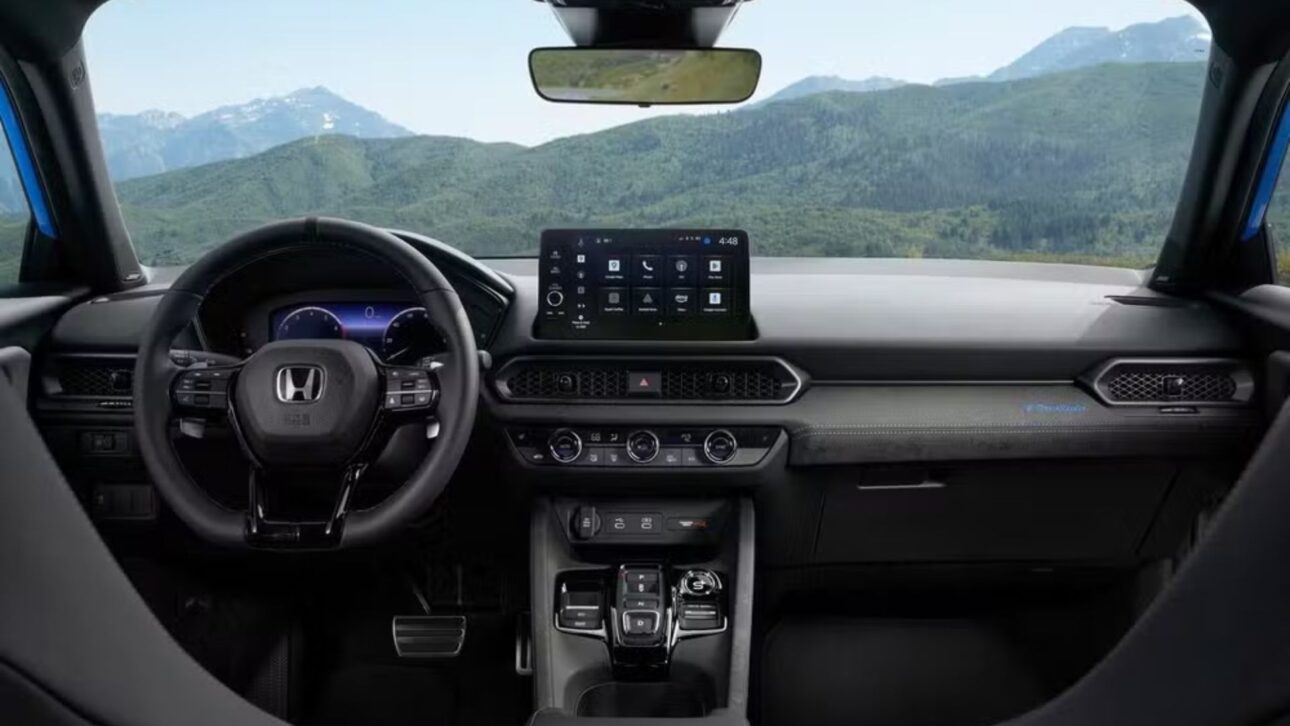
The dashboard draws from the Civic, featuring a flat-bottom steering wheel and a horizontal layout of elements.
The multimedia center has a 9-inch display, with wireless Apple CarPlay and Android Auto.
The instrument cluster is a 10.2-inch digital display, showing hybrid system energy flow information and S+ Shift details.
The standard sound system is a Bose Centerpoint with eight speakers, calibrated for the coupe’s environment.
Driver Assistance And Active Safety
The Honda Sensing package integrates the main driving aids.
Among the available features are autonomous emergency braking, rear cross-traffic monitor, fatigue alert, and blind-spot sensor, in addition to other usual aids from the brand’s suite.
The integration with the hybrid system allows smoother operations of the aids, preserving the comfort proposal.
What Is Left To Know Before The Launch
At this stage of presentation, the company has not yet disclosed figures for 0 to 100 km/h acceleration, fuel consumption averages, and pricing.
These details will be outlined closer to the commercial debut, expected for 2026.
Until then, the expectation is to understand how the Prelude will position itself against rear-wheel-drive sports cars like the GR86 and BRZ, betting on the immediate torque of the electric motor, sized brakes, and Type-R suspension tuning, but with a stated focus on comfort and efficiency.
Is the hybrid grand tourer proposal with simulated “transmission” enough to convince those seeking fun without giving up fuel efficiency and everyday usability?







porque a primeira foto é de um suposto carro da Nissan? segundo boatos que eu vi, essa imagem seria referente ao Sentra 2026