





 Portuguese
  English
  Spanish
 4 min of reading
  0 comments


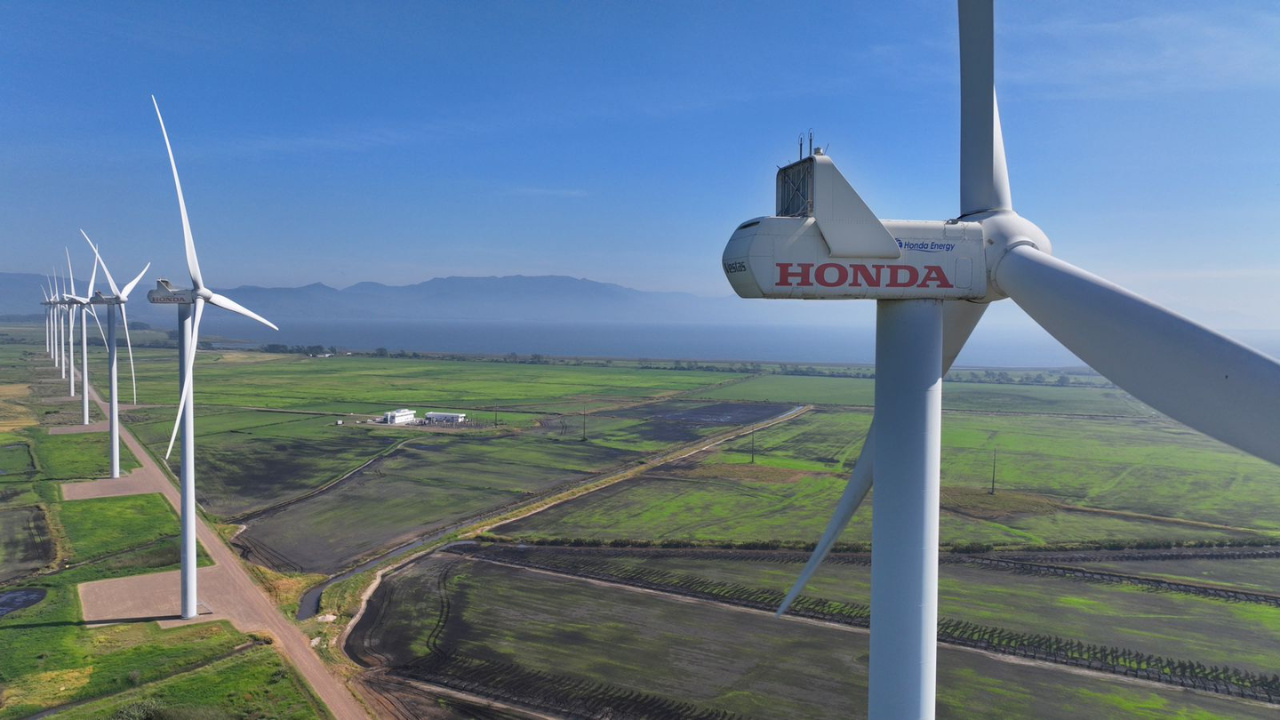
Honda Wind Farm in Rio Grande Do Sul Celebrates 11 Years and Secures 100% of Electricity Consumption for Automobile Production with Renewable Energy, Avoiding Thousands of Tons of CO₂.
The presence of renewable energy in the Brazilian automotive industry has reached a significant milestone with the consolidation of the wind farm by Honda in Xangri-Lá, Rio Grande do Sul.
After 11 years of operation, the unit, named Honda Energy, ensures that 100% of the vehicles produced by the automaker in the country utilize electricity from clean sources, effectively reducing the environmental impact of industrial activity.
Throughout this period, the wind farm has avoided the emission of approximately 52 thousand tons of carbon dioxide.
-
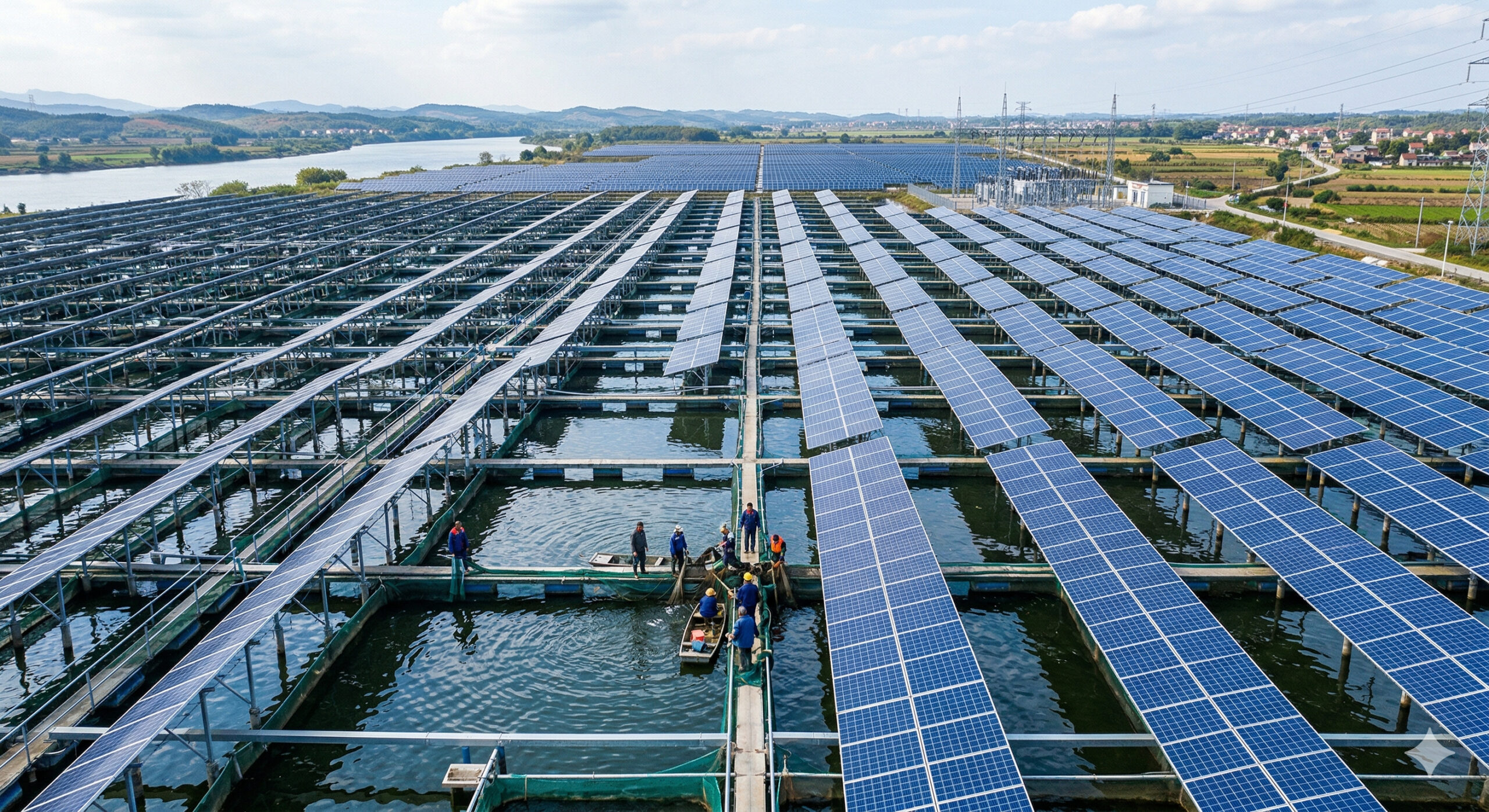
China bets on the Fishery-PV model and transforms fish farms into giant solar plants, covering ponds with panels that generate energy while utilizing the same space for large-scale aquaculture production.
-
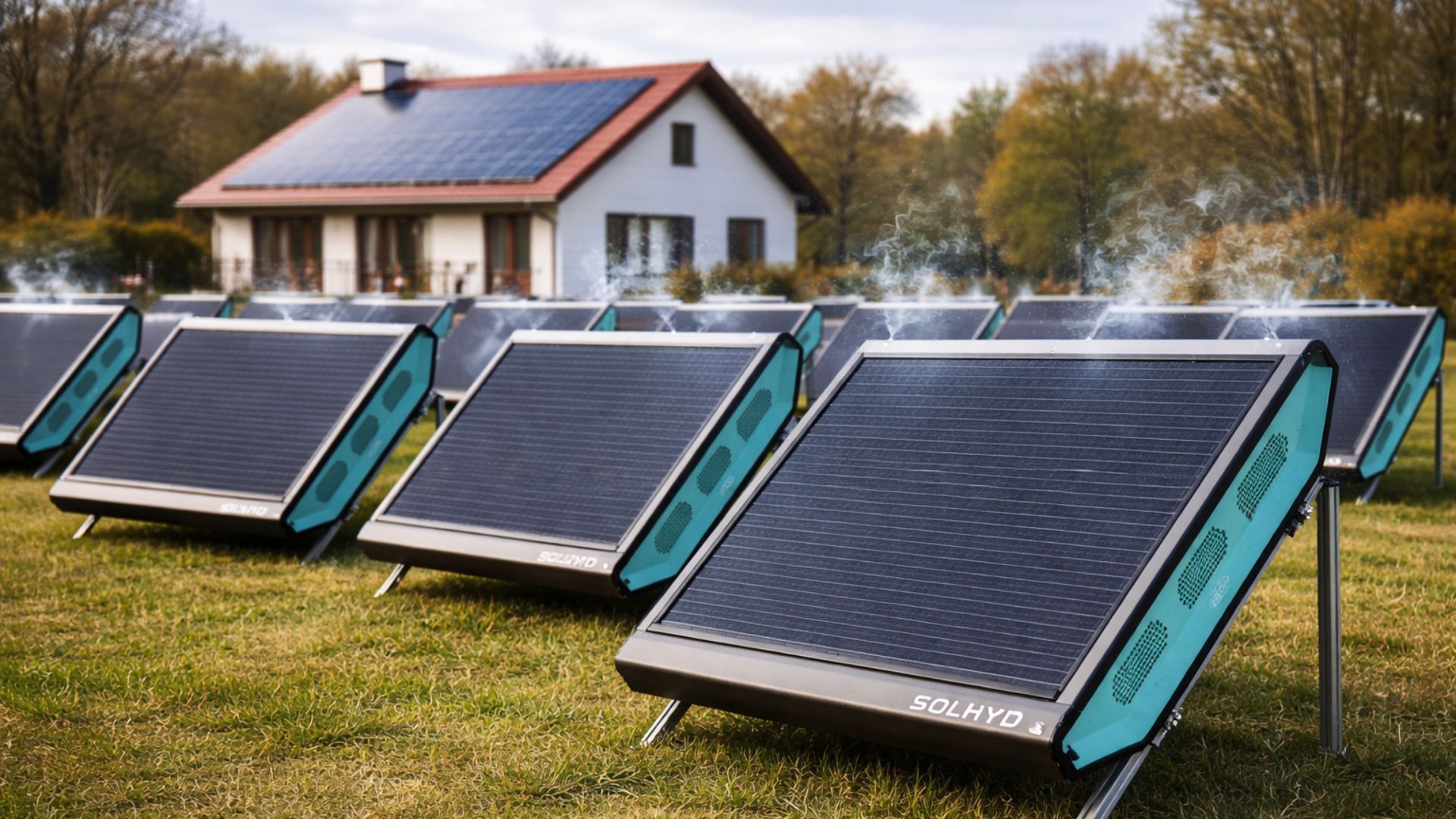
Green hydrogen at home: Belgium launches new technology that makes solar panels produce fuel from the moisture in the air, which could boost the energy transition.
-
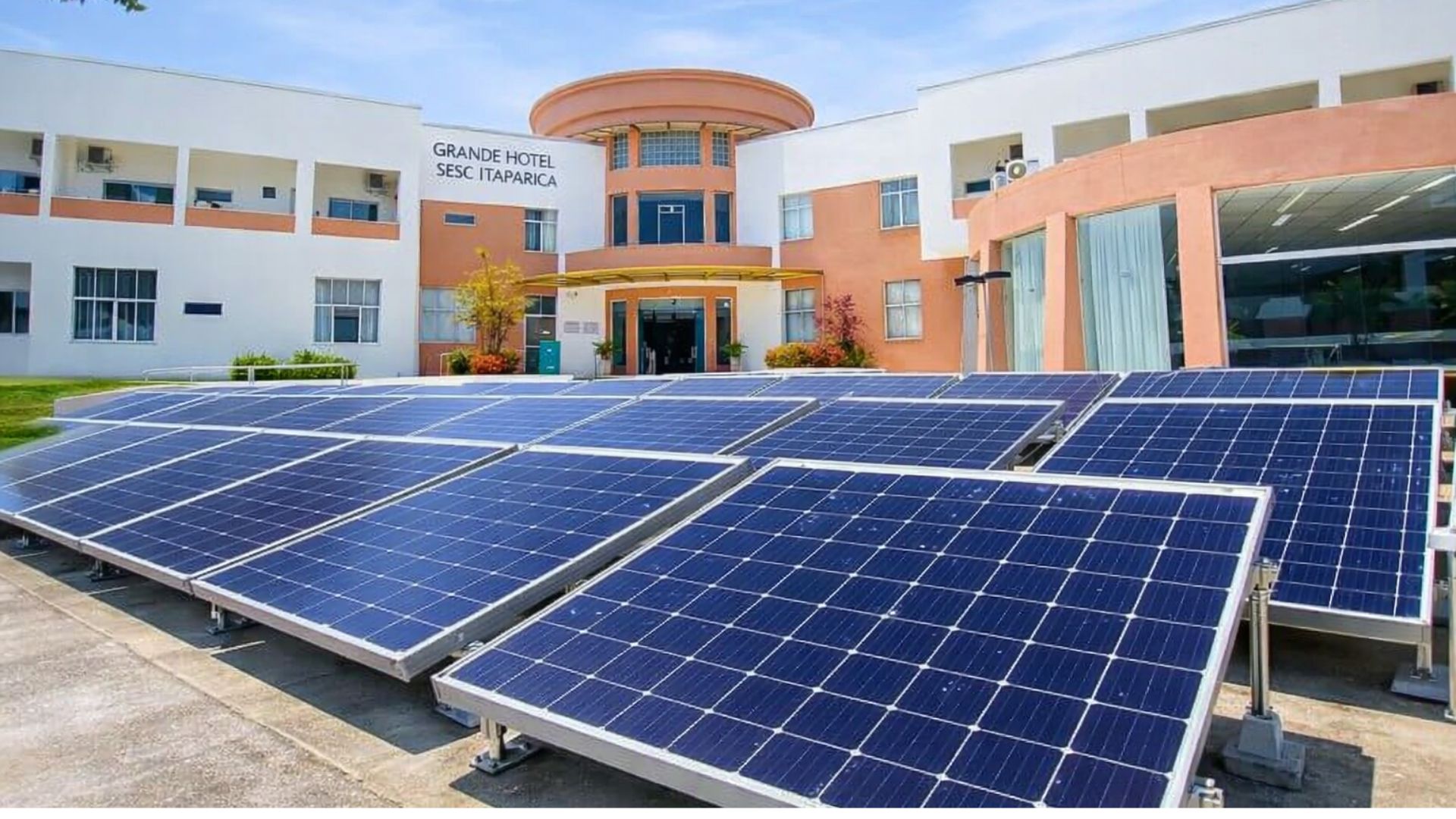
Sesc-BA bets on renewable energy with the support of EDP and drives the energy transition with a direct impact on cost reduction and the sustainability of its operations in Bahia.
-
Technology giant breaks global sustainability records: How Amazon’s leadership in renewable energy procurement transformed the global energy market in the past year.

This volume reinforces the strategic role of renewable generation in the energy transition of the productive sector and positions Honda as one of the main examples of integration between industrial efficiency and sustainability.
Wind Farm Was Established in Response to Global Decarbonization Goals
Inaugurated in 2014, the wind farm was planned to directly meet Honda’s environmental goals on a global scale.
Currently, the unit has nine wind turbines in operation, responsible for providing clean energy to the automobile factory in Sumaré, São Paulo, as well as the corporate office located in the Morumbi neighborhood.
In October 2020, the operation of the tenth generating unit raised the installed capacity from 27.7 MW to 31.1 MW. Thus, the farm also began to meet the demand of the Itirapina factory, expanding the reach of renewable energies in the company’s operations.
According to Honda Energy representative Ricardo Dalbosco, the project was designed to generate real impact.
“It was placed by the president of Honda Global the goal of reducing the group’s carbon emissions by 30%. What needs to be effective and not just stated as something sustainable,” he said.
Model Only Covers Automobile Production
Despite the robustness of the structure, the wind farm has limited capacity compared to other industrial operations of the company. Dalbosco explains that the model was designed specifically to meet automobile production.
“This model was made to serve the automobile plant. The automobile plant and the motorcycle plant (in the Industrial Hub of Manaus) are very different in terms of the type of parts they produce daily, and in Manaus, the motorcycle production is a city (so large). This plant consumes a lot of energy; it would need three or four times more than we have here to produce free energy.”
Thus, the adoption of renewable energies occurs strategically, respecting the operational characteristics of each industrial complex.
Clean Energy Has Enabled the Production of More Than One Million Vehicles
The president of Honda Energy, Mauricio Imoto, highlighted the impact of the project over the last decade. According to him, more than 1.1 million cars have been manufactured using exclusively the electricity generated at the wind farm.
“It’s 1.1 million cars produced with energy from here. The energy we produce here can supply the equivalent of 34 thousand homes. Imagine that everything that 34 thousand families consume in a whole year is what we can generate.”
This data reinforces that industrial scale can align with renewable sources, provided there is consistent planning and investment.
Solar Energy Was Evaluated, but Wind Energy Proved More Efficient
During the project planning, Honda evaluated other sources of renewable energy. Solar energy was considered; however, operational issues influenced the final decision.
“Solar energy is a good option, but it doesn’t generate at night. In our case, as it’s a production line, wind energy serves better,” explained Imoto.
This choice highlights that industrial energy transition depends not only on the environmental potential of the sources but also on compatibility with production routines.
Decarbonization Goes Beyond the Electricity Matrix
Despite the significant results, the automaker states that decarbonization does not limit itself to the energy consumed in factories. According to Imoto, the company continues to advance in different areas to reduce emissions throughout the entire production chain.
“The factory has made several reductions, such as decreasing diesel, changing the energy matrix, improving the use of natural gas in the ovens, and we are even working towards the future of using gas. I believe we are already around a 60% reduction in carbon.”
Additionally, the company also considers the environmental impact of the vehicles themselves, integrating the final product into carbon neutrality commitments.
Sustainability is Also Economically Viable
In the evaluation of Honda Energy, the wind farm proves that investing in renewable energy can generate financial returns and operational predictability. Imoto emphasizes that the project remains viable after more than a decade of operation.
“This part of being able to show that the world has changed and we were already here before, and today it’s part of this: 11 years of operation and it’s still here. We have the wind farm as a sustainable action, and it’s always good to show the world that it’s not just about reducing carbon, it’s the predictability of energy, but also that it’s viable to make it work.”
The farm also fulfills an educational role, receiving students and promoting awareness actions about clean energy, reinforcing the importance of renewable energies in building a more sustainable industrial future.







Seja o primeiro a reagir!